Why Does My Dog Have Bad Breath? 5 Common Causes and What Owners Can Do
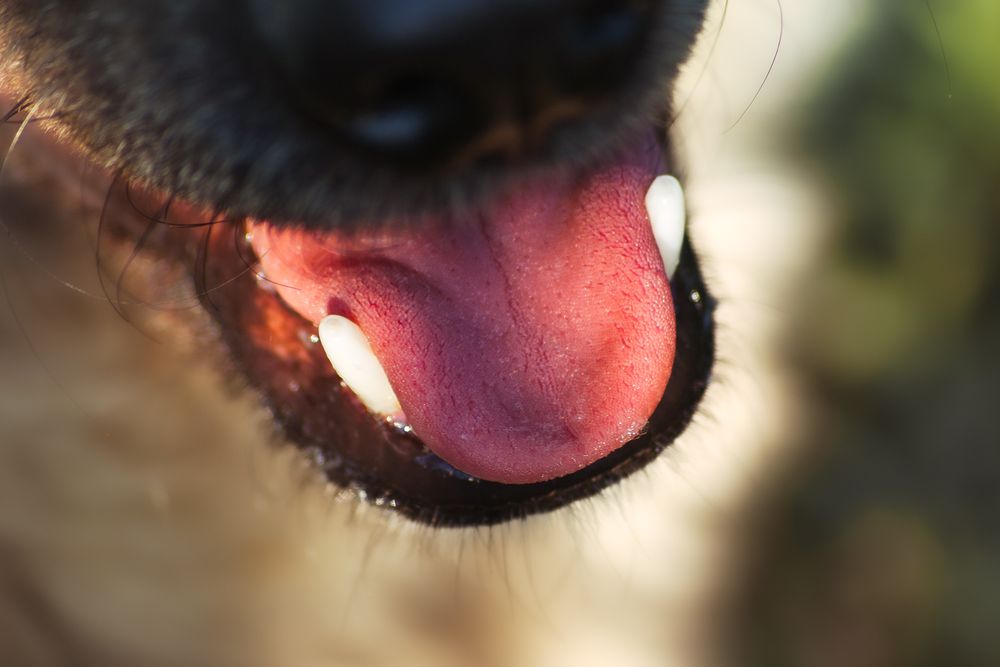
Every dog owner knows that dog breath isn't always pleasant. But while the occasional unpleasant smell might seem normal, persistent bad breath can be a sign that something deserves attention.
Bad breath, also known as halitosis, is particularly common in dogs with plaque and tartar buildup. However, dental hygiene isn't the only possible cause.
Understanding what's behind the smell can help owners make better decisions about their dog's oral care.
1. Plaque Buildup on the Teeth
Plaque is a sticky film containing bacteria that constantly forms on the surface of a dog's teeth.
When food particles and bacteria accumulate, they can produce unpleasant odours. Without regular cleaning, plaque can also contribute to gum inflammation and eventually harden into tartar.
The rear teeth and areas near the gumline can be particularly challenging to keep clean.
Daily brushing with dog-safe toothpaste is one of the most effective ways to remove plaque before it hardens.
2. Hardened Tartar
Ever noticed yellow or brown deposits forming on your dog's teeth?
That's often tartar, also called dental calculus.
Once plaque mineralizes into tartar, it becomes much harder to remove through ordinary brushing.
Tartar provides a rough surface where additional plaque can accumulate, potentially contributing to continued bad breath and gum problems.
Dogs with visible tartar should have their oral health assessed by a veterinarian, who can determine whether professional dental cleaning is needed.
3. Gum Disease and Dental Infections
Persistent bad breath can sometimes indicate problems beyond the visible surface of the teeth.
Periodontal disease affects the tissues supporting the teeth and can cause inflammation, discomfort and eventually tooth loss.
Warning signs may include:
- Red, swollen or bleeding gums
- Difficulty chewing or dropping food
- Excessive drooling
- Loose or damaged teeth
- Particularly strong or persistent mouth odour
Importantly, dogs don't always show obvious signs of dental pain.
A veterinary examination is necessary to diagnose dental disease, including problems developing beneath the gumline.
4. Food, Chewing Habits and Things Dogs Eat
Sometimes, the explanation is much simpler.
Dogs aren't particularly selective about what they put in their mouths. Scavenging, eating unpleasant substances or chewing certain objects can leave behind temporary odours.
Food or foreign material trapped between teeth can also contribute to bad breath.
If the smell disappears quickly and your dog otherwise seems well, it may have been temporary. However, recurring or unusually strong odours shouldn't automatically be blamed on diet.
5. Underlying Health Conditions
Although dental problems are a common cause of canine halitosis, they aren't the only possibility.
Certain medical conditions, including kidney disease, diabetes and gastrointestinal problems, can sometimes affect breath odour.
A sudden change in breath accompanied by increased thirst, vomiting, appetite changes or unusual behaviour warrants veterinary attention.
Rather than masking the smell with dental treats, it's important to identify the underlying cause.
How Can You Keep Your Dog's Breath Fresher?
A consistent dental-care routine is the best starting point.
Brush regularly. Ideally, brush your dog's teeth daily using a toothbrush and toothpaste designed for dogs.
Choose appropriate dental products. Look for products accepted by the Veterinary Oral Health Council (VOHC), which evaluates evidence supporting plaque or tartar control claims.
Check your dog's mouth. Becoming familiar with your dog's teeth and gums can help you notice changes.
Schedule veterinary dental examinations. A veterinarian can identify problems that aren't visible during a basic mouth inspection.
Some owners also explore cosmetic cleaning for visible tartar buildup. For example, Calgary Canine Dental provides sedation-free cosmetic teeth cleaning for suitable dogs. These services focus on accessible tooth surfaces and are not a substitute for veterinary dental examinations, below-gumline cleaning or treatment of dental disease.
The Bottom Line
Bad breath shouldn't simply be accepted as an unavoidable part of owning a dog.
Although occasional odours happen, persistent bad breath deserves attention, particularly when accompanied by visible tartar or changes in the gums.
Regular brushing, appropriate dental products and veterinary care can all play an important role in maintaining your dog's oral health.
Taking a few minutes to care for your dog's teeth today can help establish healthier habits for years to come.