Unique Looks: The Weirdest-Looking Dog Breeds You’ll Love
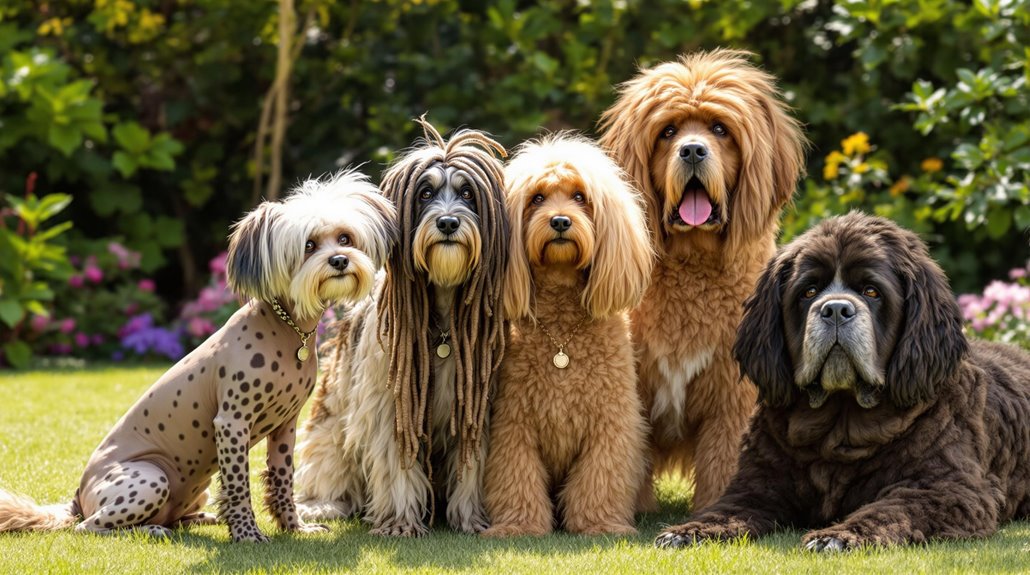
You'll be amazed by some of the world's most peculiar yet lovable dog breeds. Take the Catalburun with its split nose, perfect for boosting its sense of smell. The hairless Xoloitzcuintli stands out with its unique mohawk. The Norwegian Lundehund impresses with six toes on each foot, offering graceful agility. The mop-like Puli needs specific grooming, while the Bergamasco Sheepdog carries a natural matting coat that offers weather insulation. These quirky breeds aren't just visually fascinating; their captivating traits extend beyond appearance, influencing culture and care. There's much more to discover about each breed's charm and characteristics.
Key Takeaways
- The Catalburun's split nose enhances its unique appearance and exceptional hunting abilities.
- Xoloitzcuintli's hairless body and mohawk make it a striking breed with special skincare needs.
- Norwegian Lundehund's six toes provide remarkable agility, perfect for adventurous dog lovers.
- Puli's corded coat resembles a mop, giving it a distinctive look requiring specific grooming.
- Peruvian Inca Orchid is a hairless breed celebrated for its deep cultural significance in Peru.
Distinctive Physical Features
Have you ever wondered what makes a dog breed stand out at first glance? Distinctive physical features are often the key to their unique appeal. Take the Catalburun, for instance. This unique breed boasts a fascinating split nose, which might enhance its sense of smell, perfect for hunting. Moving on to the Xoloitzcuintli, or Mexican Hairless, you'll notice its exposed skin and often a mohawk, giving it an unmistakable appearance.
Another standout is the Norwegian Lundehund, a breed with an extraordinary six toes on each foot. This distinctive feature provides exceptional agility and flexibility, ideal for navigating rugged terrain while hunting puffins. Then there's the Puli, known for its long, corded coat, which resembles a walking mop. This unique coat offers insulation and protection while requiring specific grooming to maintain its look. The Polish Lowland Sheepdog, known for its adaptable nature and herding instinct, requires consistent grooming and physical activity.
Finally, let's not forget the Bergamasco Sheepdog. Its distinctive corded coat forms natural mats, offering insulation against harsh weather. Unlike the Puli, the Bergamasco's coat requires minimal grooming due to its unique texture. Each of these breeds showcases remarkable physical traits, making them truly distinctive breeds worth admiring.
Popularity and Cultural Significance
Unique dog breeds often capture attention and admiration, particularly through platforms like social media and celebrity ownership. When a celebrity adopts a Chinese Crested Dog, for example, its quirky appearance quickly becomes a trend, sparking interest among potential pet owners. This visibility boosts awareness for these unique dog breeds, prompting people to consider adopting unique breeds they might not have known about otherwise.
Rare breeds, like the Peruvian Inca Orchid, don't just gain popularity through modern media but also hold deep cultural significance. In Peru, this breed is celebrated as a national treasure, woven into local traditions and revered for its historical roots. Such cultural heritage significantly influences their popularity and underlines the importance of breed preservation.
Similarly, the Xoloitzcuintli's connection to Mexican history adds to its allure, inviting niche enthusiasts to explore these less common breeds. Dog shows also play a vital role in elevating the status of rare breeds such as the Catalburun and Azawakh, drawing attention from enthusiasts seeking something truly distinctive. As awareness grows, so does the responsibility of ensuring these breeds are preserved and appreciated in their unique forms, fostering a broader understanding and love for their diversity.
The Cane Corso boasts a blend of protective instincts and affection, making it both a loyal guardian and a cherished companion, which contributes to its cultural significance as Italy's beloved dog breed.
Health and Care Needs
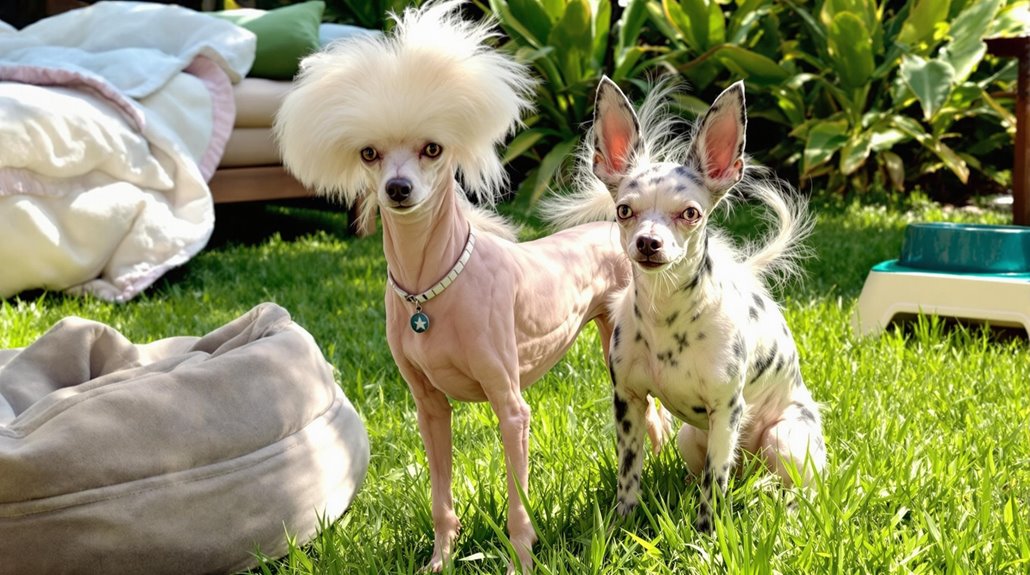
Caring for weirdest-looking dog breeds involves understanding their unique health and care needs. Each breed has distinct requirements, whether it's grooming, diet, or exercise. Let's dive into some essential tips to keep your unique friend in top shape:
- Skincare and Grooming: Unique breeds like the Xoloitzcuintli need special skincare due to their hairless nature. Protect their skin with sunblock and moisturizing treatments to prevent skin issues. If your dog has a distinctive coat, like the Bergamasco Sheepdog, minimal grooming is needed, but managing matting is crucial.
- Diet and Exercise: Understanding the nutritional needs of breeds like the Azawakh is vital. Their energy levels differ significantly, so tailor their diet and exercise routines to maintain their health.
- Veterinary Check-Ups: Regular veterinary check-ups are crucial for unique breeds such as the Neapolitan Mastiff. They can be prone to genetic disorders specific to their breed, so early detection is key.
- Dental Care: Breeds like the Chinese Crested might have unique mouth structures, increasing dental issues. Regular brushing and dental check-ups are essential for maintaining their oral health.
In emergency situations, it's crucial to have a solid plan ensuring pet safety, which includes assembling an emergency kit and keeping ID and medical records easily accessible.
Training and Behavior
While keeping your unique dog healthy is important, understanding their training and behavior needs is equally critical. Unique breeds often come with distinct behavioral traits that require tailored training methods. For instance, a Norwegian Lundehund's flexibility and agility mean you'll need specific exercises to make the most of their abilities. Early training and socialization are crucial for breeds like the Azawakh and Catalburun. Their timid nature can be improved with regular exposure to different environments and people.
Positive reinforcement is particularly effective for energetic breeds such as the Puli and Mudi. By channeling their exuberance into desired behaviors, you're setting them up for success. For breeds prone to stubbornness, like the Bedlington Terrier and Skye Terrier, patience and consistency are key. Obedience training sessions should be regular and firm, yet gentle, to achieve the best results.
Active breeds like the Catahoula Leopard Dog benefit from starting obedience training at a young age to prevent potential behavioral issues. Tailored training that considers each breed's unique traits and needs will ensure your dog grows into a well-mannered companion. Remember, early intervention and structured guidance can make all the difference. Border Collies, for example, thrive in structured training environments due to their high intelligence, which requires mentally stimulating activities to prevent boredom and the development of negative behaviors.
Living and Environmental Needs
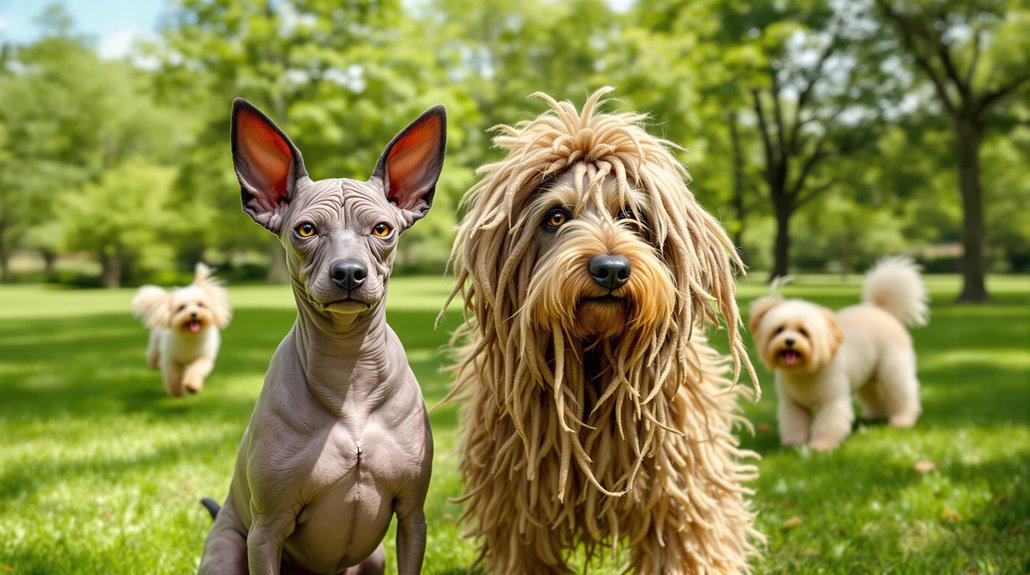
When it comes to choosing a living environment for your dog, it's crucial to match their needs with your space. Unique dog breeds often come with distinct living space requirements. A large and active breed like the Leonberger thrives in homes with ample outdoor space, while smaller breeds such as the Coton de Tulear adapt well to apartment living. Here are some factors to consider:
- Coat Type: Dogs with thick or long coats, like the Puli or Komondor, need cooler living environments to prevent overheating. Conversely, hairless breeds like the Xoloitzcuintli require protection from extreme temperatures.
- Exercise Needs: Many unique breeds, such as the Norwegian Lundehund, demand regular exercise and mental stimulation due to their high energy levels, making them ideal for active households.
- Adaptability: Some breeds, like the Azawakh, are suited for desert climates, while others, such as the Bergamasco Sheepdog, prefer cooler regions due to their heavy, corded coats.
- Health Considerations: Breeds like the Catalburun may have specific health considerations related to their unique physical traits, influencing their living conditions and care needs.
Low-maintenance dog breeds are ideal for apartments and homes; they enjoy companionship and can adapt to different household dynamics. Understanding these environmental needs ensures your pet's well-being and happiness.
Adoption and Availability
For those interested in adopting a unique and weird-looking dog breed, exploring breed-specific rescue organizations and shelters is a great starting point. Many unique breeds, like the Xoloitzcuintli and Catalburun, are often available through these specialized groups, which work tirelessly to promote their adoption. However, some rare breeds, such as the Lowchen and Finnish Spitz, might be harder to find due to limited availability.
In these cases, researching and connecting with reputable breeders or rescue groups becomes essential. Adoption events and breed-specific meetups are excellent ways to meet these fascinating dogs firsthand. These activities boost the visibility of unique breeds and allow potential adopters to learn about their specific health, grooming, and exercise needs. Online platforms and social media also play a crucial role in this increased visibility, sparking more adoption inquiries and fostering connections among dedicated owners and enthusiasts.
Interestingly, the sociable nature of some pets, such as guinea pigs, can be a desirable trait for potential adopters looking for a friendly and engaging companion. As you consider adopting one of these special dogs, remember that responsible ownership is key. Many unique breeds require specific care and attention that may differ from more common breeds. By understanding their unique needs, you'll ensure a healthy, happy life for your new furry companion.