
Strongest Bites: Dog Breeds With Incredible Bite Force

When it comes to dog breeds with impressive bite force, the Kangal stands out with a powerful 743 PSI, making it the leader in bite strength. This Turkish breed was originally used for livestock protection. Next is the Bandog, known for its 730 PSI, followed by the Cane Corso with 700 PSI—both admired for loyalty and guardianship. Remember, a strong bite doesn't equate to aggression; breeds like the gentle English Mastiff, with a 556 PSI bite, prove this point. Understanding these bite forces sheds light on breed behaviors and how they've been shaped by historical roles. Curious for more insights?
Key Takeaways
- The Kangal has the strongest bite force among dog breeds, measuring approximately 743 PSI.
- The Bandog follows closely with a bite force of 730 PSI, known for its protective nature.
- Cane Corsos have a bite force of 700 PSI, historically serving as war dogs and guardians.
- English Mastiffs, with a bite force of 556 PSI, are gentle despite their strength.
- Rottweilers possess a bite force of 328 PSI, developed for herding and guarding.
Understanding Bite Force in Dogs
Bite force plays a crucial role in understanding a dog's physical capabilities and behavior. It's measured in pounds per square inch (PSI), highlighting the power behind different dog breeds' strong jaws. The Kangal breed leads the pack with an astounding bite force of approximately 743 PSI, significantly surpassing even a lion's bite. This impressive strength doesn't necessarily equate to aggression levels, as research shows no direct correlation between the two.
So, even the strongest breeds can be gentle giants. Several factors influence a dog's bite force, including jaw size, muscle strength, and anatomical characteristics like skull and muzzle dimensions. These elements contribute to the notable bite forces of various breeds. For instance, the Cane Corso boasts a bite force of 700 PSI, while the English Mastiff comes in at 556 PSI.
The Rottweiler, though slightly less powerful in comparison, still packs a punch with a bite force of 328 PSI. These numbers illustrate the diversity among breeds and the various capabilities resulting from their unique physical traits. When you consider these factors, it becomes clear that bite force is as much about physical design as it is about strength. Additionally, low-maintenance dog breeds often have minimal grooming needs, which can simplify pet ownership for those with busy lifestyles.
Measuring Bite Force Accurately
When it comes to measuring a dog's bite force accurately, a bite force meter is your go-to tool. This device allows you to gauge the maximum pressure a dog can exert by biting down on a sensor pad. The result is measured in pounds per square inch (PSI), providing a clear picture of the dog's biting strength. For instance, a Kangal boasts a formidable bite force of 743 PSI, while the Cane Corso isn't far behind at 700 PSI. These numbers highlight the impressive strength of these breeds.
However, it's essential to remember that the reliability of these measurements can vary. Factors such as the dog's behavior, environment, age, and health status can all influence the accuracy of the data. This variability means you should interpret bite force figures with caution, especially when considering potential injury severity and understanding breed capabilities.
Scientific studies on bite force are limited, and sometimes, results are overstated. By understanding the methodology behind these measurements, you can better appreciate the true strength of different breeds. Ultimately, accurate assessments help you predict potential outcomes, but always consider individual differences among dogs.
Factors Influencing Bite Strength

Understanding bite strength requires looking beyond just the raw numbers from a bite force meter. You need to consider various elements that contribute to a dog's biting capabilities. The jaw structure plays a crucial role; larger breeds often have bigger jaw bones, which, combined with well-developed muscles, can exert more force. The anatomy, including skull size and muzzle length, affects how leverage and pressure are applied during a bite.
Muscle development, especially in the masseter and temporalis muscles, is vital. Dogs with well-developed muscles can deliver a more powerful bite. Breed characteristics also come into play. Protective dogs, for example, were often bred with historical roles in mind, like guarding or hunting, which influenced their bite strength. These breeds have been selectively enhanced to capture or deter threats effectively.
Environmental factors can't be ignored either. Stress levels and testing conditions impact bite force measurements, leading to variability. It's essential to consider these when evaluating a breed's capabilities. Overall, understanding what influences a dog's bite strength allows you to appreciate the complexity behind these impressive forces and the roles various breeds have played throughout history.
Top Breeds by Bite Force
Among dog breeds, the Kangal's bite force stands out as the mightiest, with a staggering 743 PSI that can inflict severe damage. This impressive strength makes the Kangal an exceptional choice for guarding roles, as its powerful jaws can deter any threat. Close on its heels is the Bandog, boasting a substantial bite force of 730 PSI. Known for its loyalty and protective instincts, the Bandog's strong bite force is a result of its crossbreed lineage, combining the might of mastiffs and bulldogs.
The Cane Corso, with a formidable bite force of 700 PSI, isn't far behind. This breed's capabilities make it ideal for both guarding and hunting, offering a blend of strength and intelligence. English Mastiffs, while gentle in temperament, pack a punch with a bite force of 556 PSI, more than twice that of a German Shepherd. Despite this strength, their calm demeanor makes them wonderful companions.
Rottweilers round out the list with their muscular build and a bite force of 328 PSI. Their loyalty and protective nature make them effective family protectors. These dog breeds, with their strong bite forces, showcase the incredible power of canine jaws. Among other significant conservation concerns, the critically endangered White-bellied Heron's survival is threatened due to forest and wetland destruction.
Analyzing Bite Force Myths
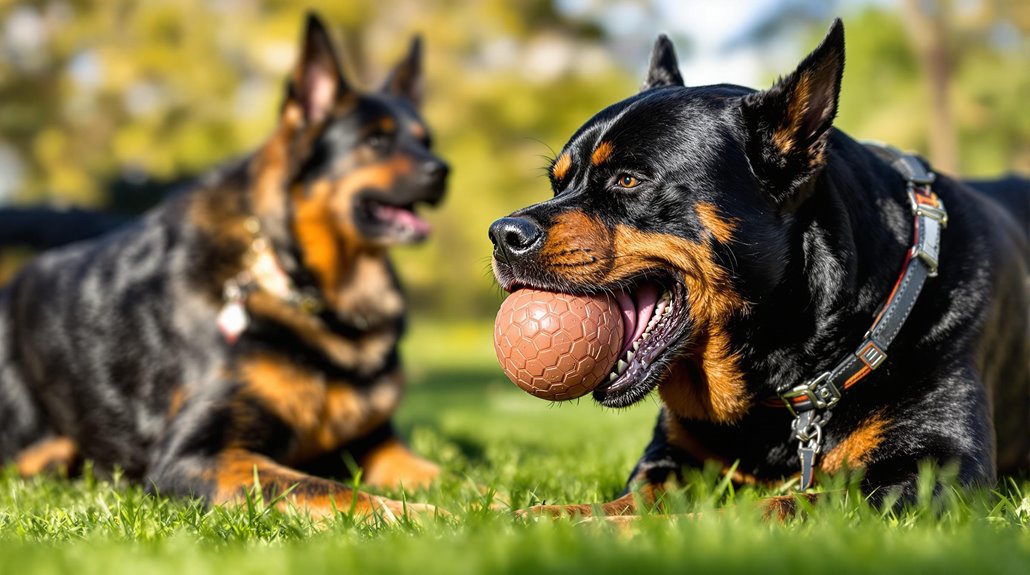
How often have you heard claims of dog bite forces reaching astronomical figures? These exaggerated numbers can be misleading. For instance, some say certain dog breeds exceed 3,000 N, but the strongest measured bite force comes from the Kangal breed at around 743 PSI. Understanding dog bite force requires examining the actual strength of various breeds. Misconceptions often arise from media portrayals that amplify danger without scientific backing.
To gain clarity, consider these facts:
- Strongest Measured Bite: The Kangal breed holds the record with 743 PSI, while the average human bite force ranges between 120-140 PSI. This highlights the significant power difference between humans and some dog breeds.
- Breed-Specific Bite Forces: Not all large breeds have strong bites. Factors like anatomy, muscle mass, and historical purpose play crucial roles in determining a breed's bite force. For example, the Rottweiler measures around 328 PSI, and the German Shepherd at 238 PSI.
- Misconceptions: Overblown media reports create false perceptions about certain breeds' bite strength. Scientific studies are limited, emphasizing the need for more research to accurately assess dog breeds' actual abilities.
Understanding these elements helps dispel myths and offers a clearer picture of dog breeds' capabilities.
Role of Size and Anatomy
Having debunked some common myths surrounding dog bite force, it's time to explore the role that size and anatomy play in this fascinating subject. Larger dog breeds naturally possess a greater bite force, thanks largely to increased muscle mass and larger jaw structures. These physical attributes allow them to exert more pressure when they bite. The Kangal is a prime example, boasting an impressive bite force of 743 PSI. Its long muzzle, robust neck, and significant jaw strength highlight how specific anatomical features contribute to its formidable power.
However, size isn't the only factor. Key anatomical elements, like skull size and the strength of jaw muscles such as the masseter and temporalis, have a significant impact on a dog's bite force. Breeds with shorter muzzles, like bulldogs, also demonstrate powerful biting capabilities. Despite their smaller size, their unique jaw structure allows them to produce substantial pressure.
Understanding these nuances in anatomy and size reveals the evolutionary adaptations across breeds, enhancing their ability to perform specialized tasks like herding or guarding. This intricate balance of size and anatomy underscores why certain dog breeds have such incredible bite forces.
Historical Roles and Bite Force
Throughout history, many dog breeds were deliberately developed to fulfill roles that demanded strength, agility, and, crucially, a powerful bite. These roles often involved guarding, protection, and sometimes hunting, requiring dogs with some of the strongest bite forces to ensure effectiveness in their tasks. Let's explore a few breeds and their historical roles:
- Kangal: Known for having the strongest bite force measured at 743 PSI, the Kangal was bred in Turkey for guarding livestock against formidable predators. Its powerful jaws are a testament to its role as an exceptional protector.
- Rottweiler: With a bite force of 328 PSI, the Rottweiler was developed in Germany for herding and guarding. Its historical role in protecting property and livestock highlights its innate guarding instincts and strength.
- American Bulldog: Historically used on farms, the American Bulldog has a bite force of 305 PSI. Its powerful jaws were essential in its role in livestock protection, showcasing a strong working background.
The Cane Corso, boasting a bite force of 700 PSI, also played significant roles in ancient Italy as a war dog and guardian. These breeds exemplify how their historical roles required not just strength and agility but exceptionally strong bite forces.
Importance of Proper Training
Understanding the impressive bite forces of certain dog breeds underscores the need for proper training to harness their natural abilities safely. With breeds like the Kangal boasting a bite force of 743 PSI, early and consistent training is crucial. Proper training helps mitigate aggressive tendencies and promotes responsible behavior, ensuring these powerful dogs are safe companions.
Focusing on socialization and obedience training can significantly reduce the risk of aggressive incidents, particularly in breeds like Rottweilers, known for their 328 PSI bite force. Emphasizing the understanding of breed characteristics is also vital. For instance, Cane Corsos have strong protective instincts and a bite force of 700 PSI. Tailoring your training methods to address these specific traits can help channel their guarding instincts positively.
Similarly, reinforcing positive behaviors in breeds like German Shepherds, with a bite force of 238 PSI, ensures they remain effective without being dangerous. Incorporating positive reinforcement techniques can lead to faster learning and better retention, as they promote a happier and healthier relationship between dog and owner. Training programs highlighting bite inhibition and controlled play are essential, especially for powerful breeds like the American Bulldog, which has a bite force of 305 PSI. By focusing on these methods, you ensure that their interactions are safe and controlled, preventing unintentional harm.
Responsible Ownership Practices
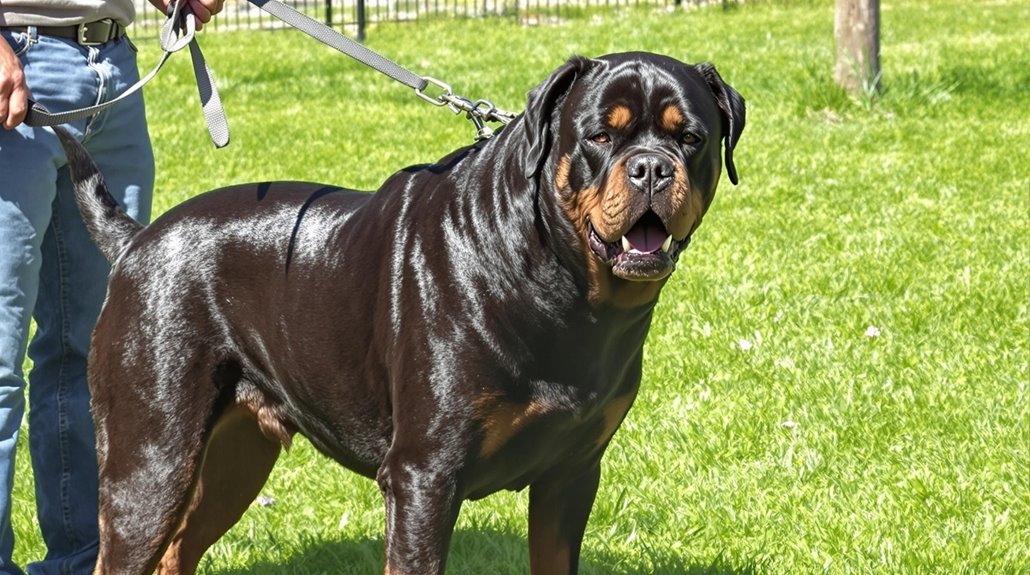
Responsible ownership of powerful dog breeds with strong bite forces demands a proactive approach to ensure safety and harmony. As an owner, you need to understand the unique challenges and responsibilities that come with caring for breeds like the Kangal and Rottweiler. Here are a few key practices to consider:
- Training and Socialization: Early socialization and consistent training are crucial. These steps help prevent aggressive tendencies and ensure your dog interacts safely with people and other animals.
- Mental Stimulation and Physical Activity: Powerful breeds require plenty of mental stimulation and physical activity to channel their energy positively. This reduces the risk of behavioral issues and keeps your dog happy and healthy.
- Secure Environment and Health Check-ups: Maintaining a secure environment prevents accidents or escape attempts. Regular veterinary check-ups are essential, as health can significantly affect temperament and behavior.
- It's important for families to evaluate family dynamics and assign responsibilities before bringing a powerful breed into the home, ensuring everyone is prepared for the commitment.
Future Research Directions
Exploring future research directions in dog bite force can revolutionize our understanding of canine behavior and safety. You should focus on comprehensive studies that include a wider variety of breeds to achieve more accurate bite force measurements and comparisons. This approach will help identify the natural capabilities of different breeds and how they compare to one another. Understanding the relationship between behavioral traits and bite force is crucial. It can offer valuable insights into how to effectively train and socialize breeds with strong bite capabilities, contributing to safer interactions.
Advancements in measurement technology, like sophisticated bite force meters, could enhance the reliability of bite force data. These tools can account for variables such as stress and environmental conditions during testing, providing a clearer picture of a dog's true capabilities. Comparative research between domesticated breeds and their wild ancestors might unveil evolutionary adaptations that influence bite strength variations.
Additionally, it's important to explore the implications of bite force in real-world scenarios, especially regarding injury severity and the success of breed-specific training programs in reducing aggressive behavior. By focusing on these areas, future research can lead to more informed and effective approaches to dog training and public safety.