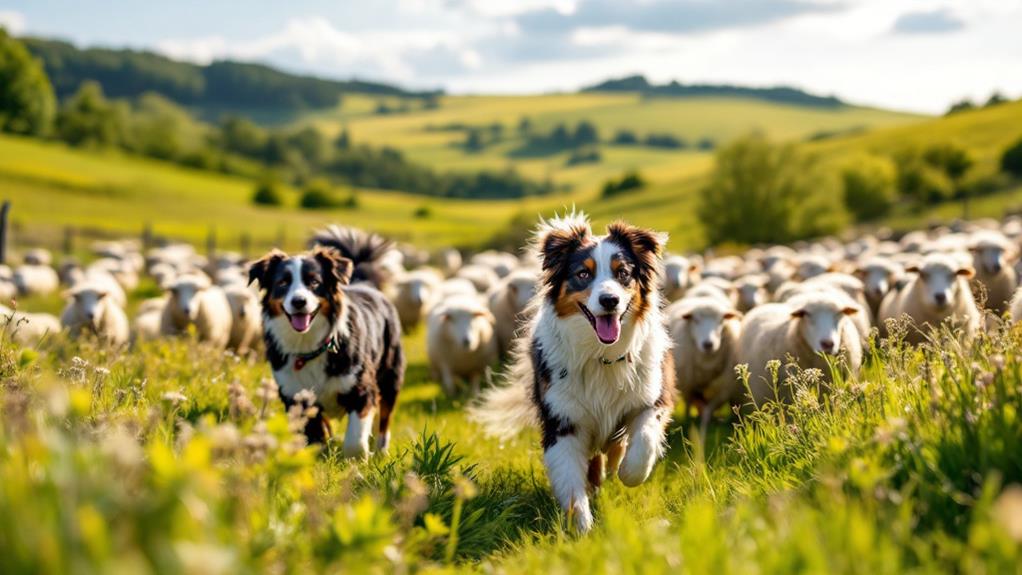
Pembroke Welsh Corgi: The Popular and Loyal Small Herding Dog
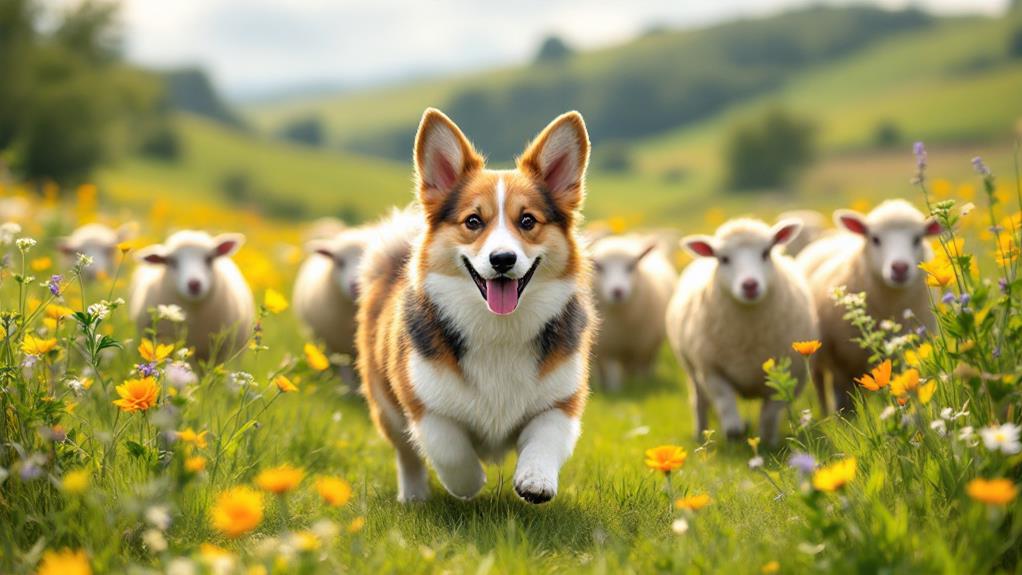
You'll love the Pembroke Welsh Corgi, a charismatic, intelligent breed known for its loyalty and charming fox-like appearance. With roots dating back to the 10th century, these small herding dogs excel in agility and livestock herding, aided by their short stature and lively nature. They're affectionately tagged as "clowns of the dog world" thanks to their playful disposition and strong bonds with family members. However, be mindful of their grooming needs and potential health issues such as hip dysplasia. Stay tuned to understand more about their enchanting folklore, distinctive traits, and responsible adoption practices.
Historical Ancestry
Pembroke Welsh Corgis boast a fascinating historical ancestry that dates back to at least the 10th century. You might be intrigued to learn that these charming dogs have a deep historical connection to Welsh culture. There's a possibility that Pembroke Welsh Corgis descended from Swedish Vallhunds, brought to Wales by Vikings. This connection gives them a rich history intertwined with Scandinavian influences. Alternatively, the ancestry could trace back to Schipperkes and Pomeranians, thanks to Flemish weavers settling in Wales. No matter the origin, these dogs have been a significant part of Welsh life.
Their small stature is reflected in their very name; "corgi" comes from the Welsh words for dwarf (cor) and dog (gi). This dwarf breed was more than a mere companion; they played crucial roles in the daily lives of Welsh farmers. By the 1850s, Pembroke Welsh Corgis were indispensable on farms, adept at herding and guarding livestock. Their agility and intelligence made them perfect for managing cattle. The breed's persistent presence in folklore highlights their importance, as tales of their herding prowess and loyalty abound in Welsh culture. Pembroke Welsh Corgis truly embody a storied legacy.
Mythical Associations
Their historical roots are just part of what makes these dogs so enchanting. Pembroke Welsh Corgis have long been surrounded by mystical associations, deeply rooted in Welsh culture. According to legend, these enchanted dogs were companions to fairies, often seen pulling fairy coaches or herding fairy cattle. Their allure goes beyond their practical roles as herding dogs, extending into the domain of folklore and magic.
The unique markings on their coats, often resembling fairy saddles, add to their mythical charm. These distinctive patterns are said to be evidence of their fairy origins, providing a tangible link to the enchanting stories that have been passed down through generations. It's no wonder that these stories have captured the imagination of dog lovers worldwide.
Consider these enchanting aspects of Pembroke Welsh Corgis:
- Fairy Companions: Believed to be trusted allies of fairies.
- Fairy Coaches and Cattle: Legends depict them as guiding magical expeditions.
- Unique Markings: Coats with patterns reminiscent of fairy saddles.
- Welsh Cultural Heritage: A cherished part of local folklore.
These mythical associations have solidified the Pembroke Welsh Corgi's place in the hearts of many, enhancing their charm and popularity.
Herding Abilities
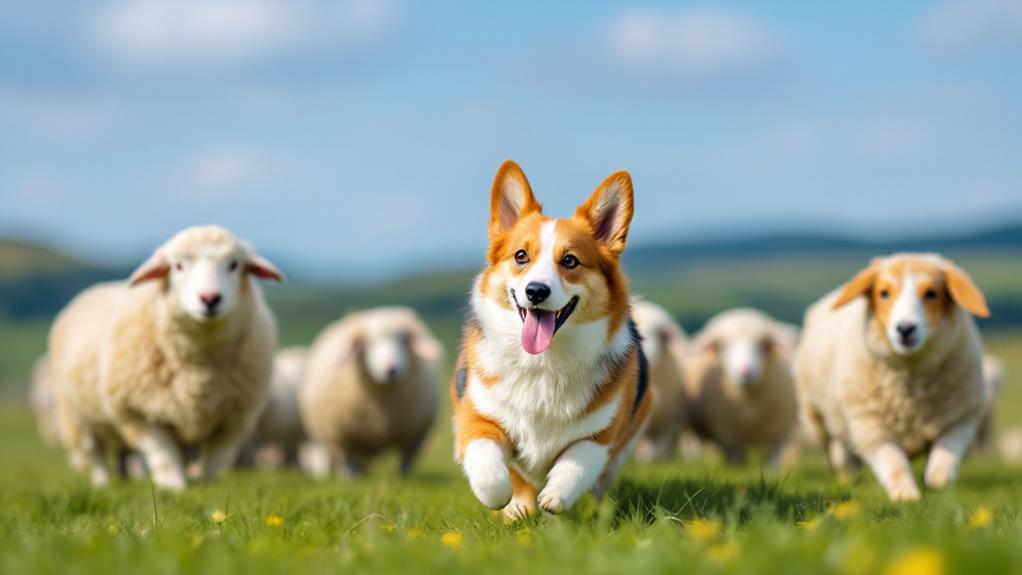
Renowned for their herding prowess, Pembroke Welsh Corgis are masterful at managing livestock, a skill honed over centuries on Welsh farms. These world-class herding dogs have a long history of efficiently herding and guarding smaller livestock, all while offering companionship to their human counterparts. Their short stature doesn't hinder their abilities; in fact, their agility allows them to maneuver swiftly around livestock, effectively controlling and guiding them.
You'll find that Pembroke Welsh Corgis exhibit remarkable herding instincts, which are a demonstration of their breeding and training. In AKC Herding competitions, they excel, showcasing their exceptional skills and versatility. These competitions highlight the Corgis' natural behaviors, such as chasing and nipping, which are ingrained in their instincts from years of working on farms. While these behaviors are vital for managing livestock, they can also be seen at home, where they might try to herd family members or other pets.
Distinct Breeds
In the matter of distinguishing between Pembroke and Cardigan Welsh Corgis, a few key features stand out. If you're trying to identify these distinct breeds, you'll want to pay attention to several physical distinctions.
- Tail Length: Pembroke Welsh Corgis are typically dock-tailed, giving them a stubby appearance. In contrast, Cardigan Welsh Corgis have long, bushy tails.
- Ear Shape: Pembrokes boast pointed ears, while Cardigans have rounded ears, making ear shape a vital aspect of breed identification.
- Body and Build: Pembrokes generally have a shorter body and a more fox-like head, whereas Cardigans are slightly larger with a more robust build.
- Geographical Roots: The Pembroke comes from Pembrokeshire, and the Cardigan is from Cardiganshire, emphasizing their separate origins in Wales.
Recognized as distinct breeds by the American Kennel Club in 1934, these loyal herding dogs each have unique traits that reflect their heritage. Understanding these differences is fundamental when choosing between the two, ensuring you find the right breed that aligns with your lifestyle and preferences. Regardless of your preference for the docked tail of a Pembroke or the bushy tail of a Cardigan, these charming corgis won't disappoint.
Personality Traits
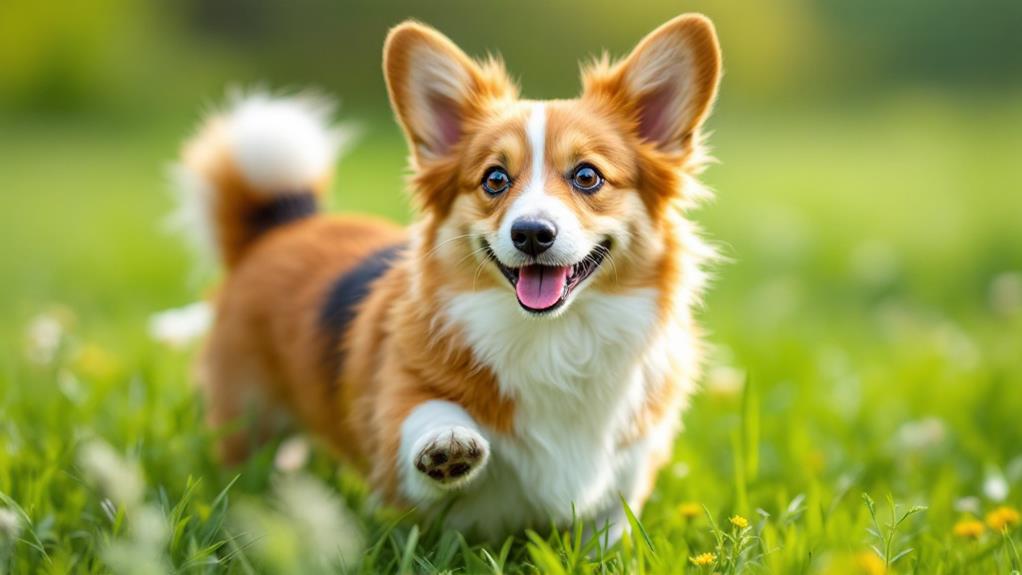
Beyond their charming appearance, Pembroke Welsh Corgis captivate hearts with their affectionate and outgoing personalities. As a potential owner, you'll find that these social dogs thrive on interaction and love being involved in family activities. With their playful demeanor, Corgis bring joy and laughter to any home, earning them the nickname "clowns of the dog world." Their loyalty is unmatched, and they often follow their owners closely, forming strong bonds with the entire family.
Corgis are renowned for their intelligence and enthusiasm, which makes them excel in different dog sports such as agility and obedience. Their quick learning abilities guarantee that they adapt well to new challenges and environments, keeping you engaged and entertained. However, this intelligence also means they require regular mental stimulation to prevent boredom.
Despite their small size, Pembroke Welsh Corgis possess strong herding instincts, which can manifest in chasing behaviors and even occasional nipping. It's crucial to manage these instincts through training and positive reinforcement to guarantee they remain well-behaved companions. With proper guidance, you'll find that a Pembroke Welsh Corgi is a delightful enhancement to your household, offering endless affection and a lively spirit.
Adoption Practices
Choosing to adopt a Pembroke Welsh Corgi is a rewarding decision that can bring joy to both you and a dog in need. Prioritizing adoption from rescue organizations or shelters supports responsible pet ownership and gives a home to dogs who truly need one. If you're considering buying a purebred, it's vital to choose reputable breeders. These breeders conduct important health screenings and guarantee their dogs' well-being, steering clear of unethical practices.
To navigate your options, keep these points in mind:
- Research thoroughly: Explore the breeder's background to confirm they have a solid reputation.
- Consult resources: The Pembroke Welsh Corgi Club of America offers invaluable guidance for prospective adopters.
- Watch for red flags: Avoid breeders who don't prioritize health or transparency.
- Understand costs: Adoption fees for purebred Corgis can range from $1,000 to $2,000 or more.
Grooming Needs
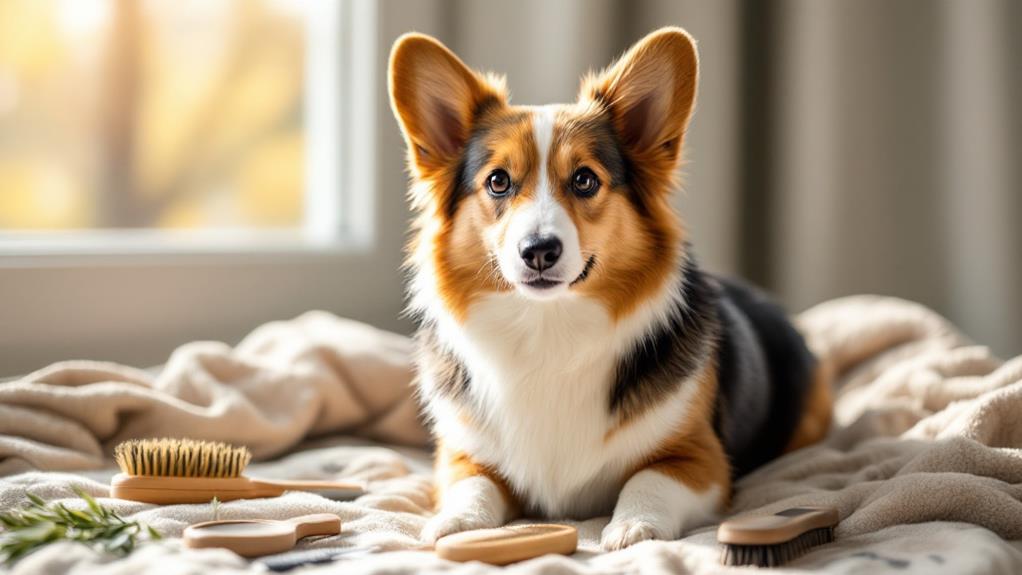
After welcoming a Pembroke Welsh Corgi into your home, understanding their grooming needs becomes a significant part of responsible pet ownership. These dogs have a dense double coat that requires consistent attention to manage shedding and maintain overall coat health. Regular brushing, at least once a week, is fundamental to keep their coat in top condition. During seasons like spring and autumn, when they experience heavy shedding or "blowouts," you'll need to increase the frequency of grooming sessions.
To effectively manage their coat, make sure you have the right grooming tools. Deshedding tools and brushes are crucial for gently removing dead hair, while grooming gloves can help you keep their coat smooth and healthy. Regular grooming sessions do more than just control loose hair around your home; they also promote skin health. By carefully tending to your Corgi's grooming needs, you can spot potential skin issues early on.
Establishing a proper grooming regimen not only improves your Corgi's appearance but also strengthens the bond between you and your pet. As an attentive owner, you'll find that these grooming sessions become special times to connect with your loyal companion.
Health Considerations
How well do you understand the health considerations of owning a Pembroke Welsh Corgi? These charming dogs, with a life expectancy of 12 to 13 years, are generally healthy but can be prone to several health issues that require your attention. Here are some key concerns to keep in mind:
- Hip Dysplasia: This is a common inherited health condition that can cause pain and mobility issues.
- Eye Problems: Corgis can develop cataracts and glaucoma, impacting their vision.
- Degenerative Myelopathy: A progressive disease affecting the spinal cord that can lead to paralysis.
- Intervertebral Disc Disease: Due to their long backs, Corgis are susceptible to serious back issues.
Responsible breeding practices are vital in reducing the risk of these inherited health conditions. Always confirm that breeders conduct thorough health screenings for conditions like hip dysplasia and eye problems. Additionally, obesity is a significant concern for Corgis. Their love for food means you need to focus on weight management to prevent shortening their lifespan and exacerbating health issues like intervertebral disc disease. By understanding these health considerations, you can help your Pembroke Welsh Corgi live a long, healthy life.