How to Help Your Dog Cope With the Stress of Moving: Practical Tips
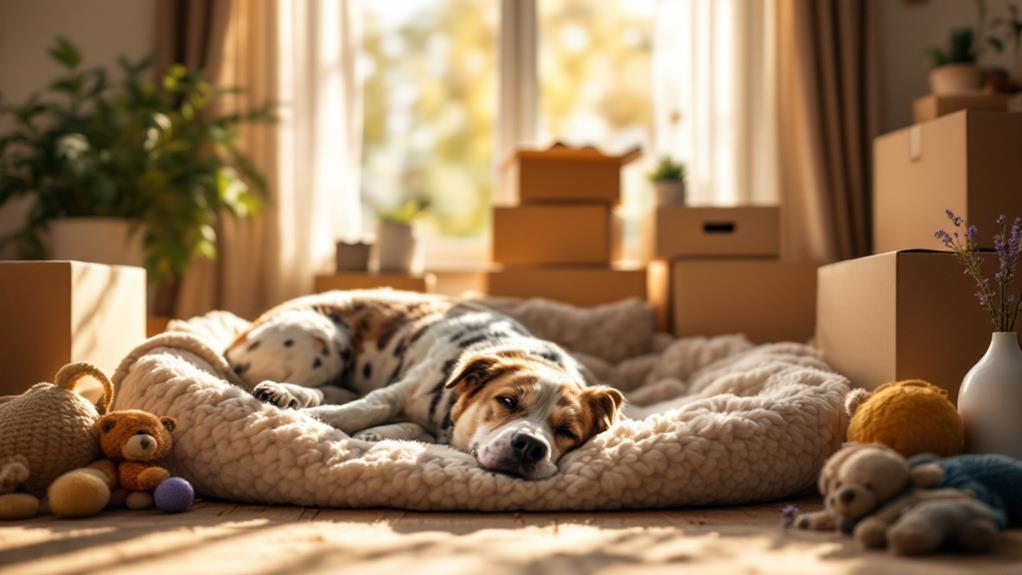
Moving can unsettle your dog, but practical steps will help ease their stress. Start by maintaining familiar routines and a calm demeanor. Introduce moving supplies early to minimize anxiety, and update your dog's ID tags and microchip information. Keep their belongings close, and on moving day, use calming tools like treats or pheromone collars. During transport, provide safe travel options and regular breaks. At the new home, create a designated safe space with familiar items and introduce new areas gradually. Spend quality time together to reinforce comfort. There's more to uncover to make your dog's adjustment smoother.
Understanding Dog Anxiety
Many dog owners notice that their furry companions can become anxious during important life changes, like moving. Dog anxiety can manifest in different ways, and understanding this can help you address your pet's emotional needs. It's essential to recognize the impact that a moving day and the shift to a new home can have on your dog. Dogs can sense changes in their environment and routine, which may make them feel unsafe or stressed.
To help your pet feel more secure during this changeable period, consider the environment you're creating. A cluttered space can heighten anxiety, so aim for a calm, organized environment. You can pack gradually and keep familiar items around to maintain a sense of normalcy. Your dog will often mirror your emotions, so staying calm and collected yourself can greatly benefit your pet.
Focusing on their emotional needs is important. Incorporate regular playtime and comforting routines to provide reassurance. This consistency helps alleviate signs of stress, making the shift smoother. By addressing dog anxiety effectively, you can support your furry friend in handling the challenges of moving, ensuring they feel safe and cared for in their new home.
Recognizing Anxiety Signs
Your dog's behavior can be a window into their emotional state, especially during stressful times like moving. Recognizing signs of anxiety in your furry friend can help you make them feel safe and secure. Pay attention to increased barking or whining, as these are common indicators of stress. Your dog might also exhibit changes in body language, such as excessive panting or pacing, reflecting their unease about the upcoming move.
In some cases, dogs might seek isolation or hide in unfamiliar places as a way to cope with anxiety. This behavior suggests they're uncomfortable with their evolving environment. If you notice destructive behaviors like chewing on furniture or digging, it could be their response to stress triggered by moving supplies around the house. These actions are not just inconvenient; they're your dog's way of expressing their distress.
Changes in eating or drinking habits, such as a refusal to eat or sudden thirst, can further signal anxiety. Keep an eye on these behaviors, as they indicate that your dog isn't feeling secure. By recognizing these signs, you can take steps to help your dog navigate the stressful change more smoothly.
Preparing for the Move
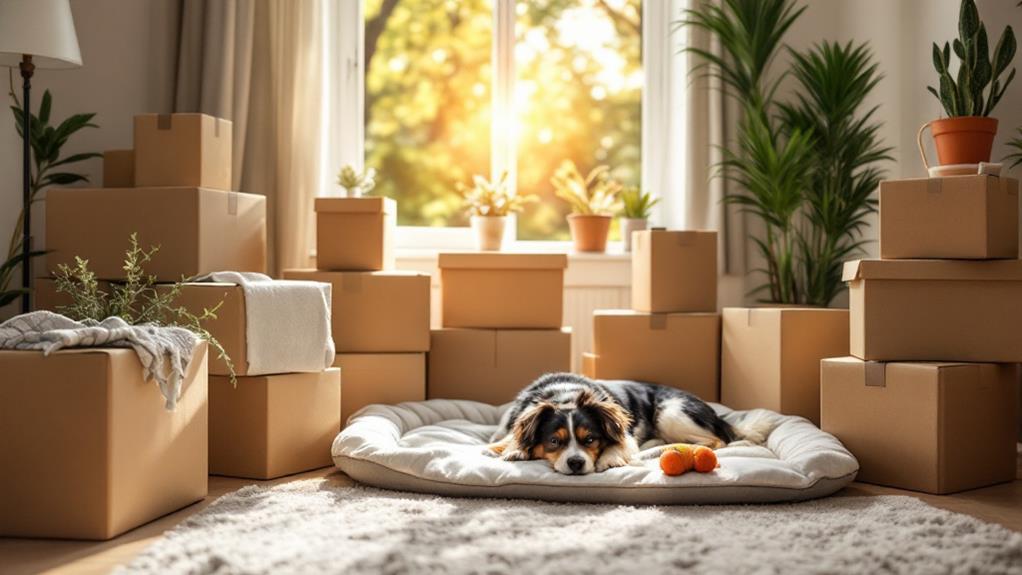
Recognizing your dog's anxiety is just the initial step; now, it's time to actively prepare for the move. Begin by evaluating your dog's temperament and adaptability to new environments. This helps tailor your preparation, making the shift smoother and reducing stress. To make your dog feel safe, introduce them to moving supplies early. Let them investigate boxes and new items to minimize fear of the upcoming changes.
Here are some practical steps to prepare:
- Update ID tags with your new contact information and consider microchipping for extra safety.
- Confirm vaccinations are current and gather crucial documents like medical records and registration.
- Research local pet laws in your new area, including leash requirements and breed restrictions, to guarantee a smooth shift.
- Familiarize your dog with the new space if possible. Take them on visits so they feel comfortable before the big move.
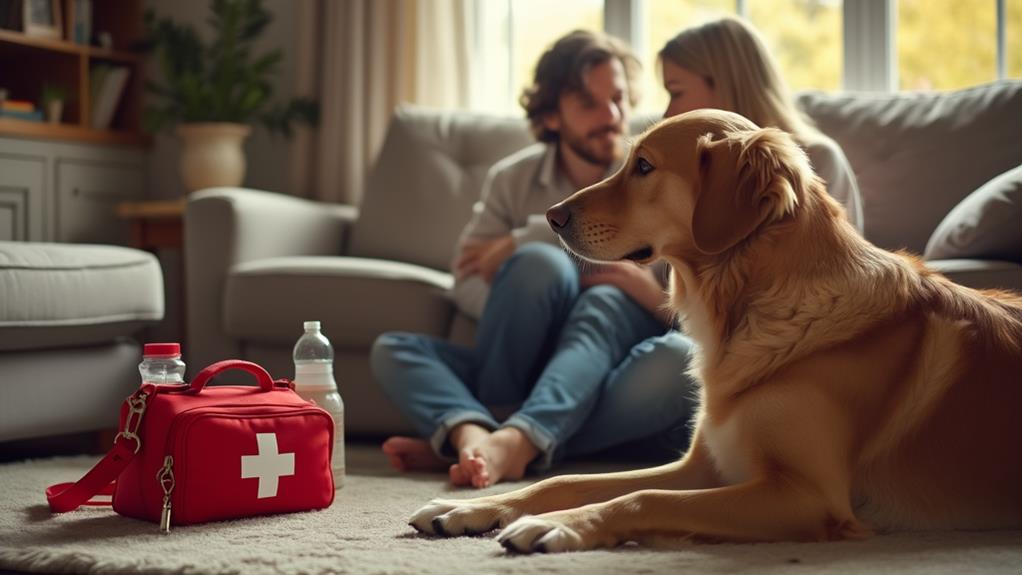
- Pack a bag with their favorite toys and necessities to keep them calm during the shift.
These steps not only ease your dog's stress but also guarantee they remain safe and comfortable. With proper preparation, you can make the move a positive experience for both you and your dog.
Packing and Moving Day Tips
As moving day approaches, it's vital to have a plan that keeps your dog calm and comfortable amidst the chaos. Start by designating a separate bag for your dog's supplies, including food, toys, and a leash. Label all pet belongings clearly so you can access them easily during the hectic process of moving. This organization will help them feel more secure in a new environment.
Pack your dog's belongings last. This way, you can unpack them first at your new home, providing familiar comfort items immediately upon arrival. Doing so can make the changeover less stressful for your dog. On the morning of the move, feed your dog a smaller meal. This can prevent an upset stomach during travel and minimize stress-related issues.
Maintaining your dog's routine is significant. Stick to their usual schedule for walks, feeding, and playtime as closely as possible. Familiar activities can help your dog feel secure and less stressed during this disruptive day. Consider using calming tools like treats, pheromone collars, or weighted blankets to relax your dog. These methods can greatly help your dog feel more at ease throughout the moving process.
Transporting Your Dog
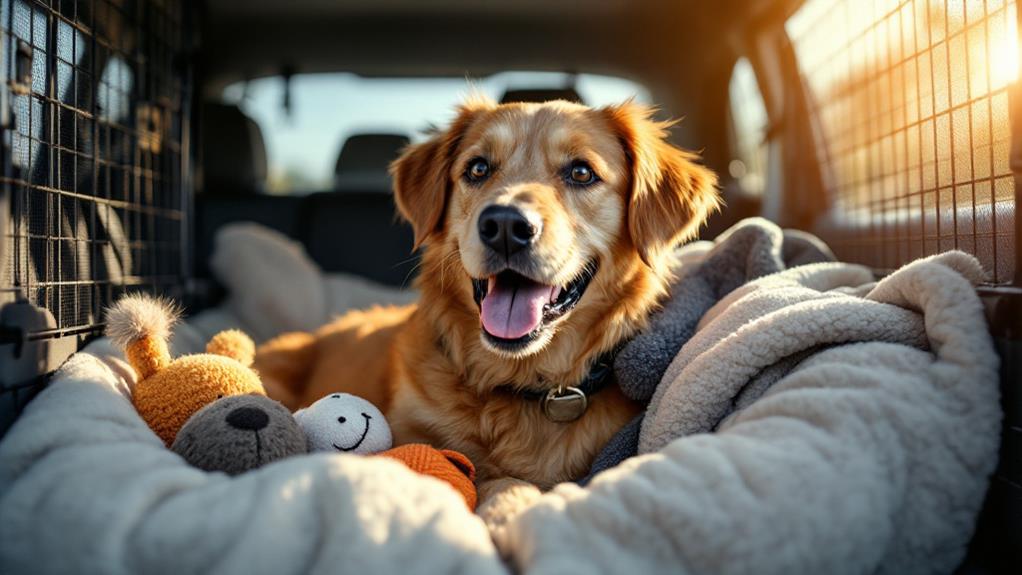
When moving with your dog, one essential consideration is choosing the right transport method to guarantee their safety and comfort. Making safe transport is imperative, regardless of whether you opt for a crate or a secured dog seatbelt in the car. Proper ventilation is key to minimize stress and keep your dog comfortable during the trip. If you're traveling by air, check the airline's specific regulations for pet transport and try to book direct flights to reduce unnecessary stress on your furry friend.
During car trips, it's significant to plan regular breaks. These breaks allow your dog to stretch, relieve itself, and hydrate, helping to minimize anxiety and discomfort. Keep familiar items, like a favorite blanket or toy, nearby to provide comfort and ease stress during the trip.
Before hitting the road, make certain your dog's ID tags are updated with your new contact information. Consider microchipping for added security. Here's a quick checklist to guarantee a smooth ride:
- Choose a safe transport method (crate or seatbelt).
- Confirm proper ventilation.
- Plan regular breaks for stretching and hydrating.
- Keep familiar items close for comfort.
- Update ID tags and consider microchipping.
These steps will help make transporting your dog less stressful.
Settling In After the Move
Once you've safely transported your dog to the new home, focus on helping them settle in comfortably. Start by creating a designated safe and calm space for your dog, filled with familiar items like their bed and toys. This comforting area will provide them with a refuge during the adjustment period. Introduce your dog to different parts of your new home gradually. This approach helps prevent overwhelming them, allowing your dog to acclimate at their own pace and feel more comfortable.
Maintaining familiar routines for feeding and walking is essential. Sticking to these routines offers your dog a sense of normalcy and security, helping to reduce stress in the new environment. Pay attention to your dog's behavior, watching for any signs of stress or anxiety such as changes in appetite or destructive behavior. If you notice these signs, adjust your care to meet their needs.
Spending quality time with your dog reinforces comfort and security, helping them associate the new home with positive experiences. Regardless of whether it's playtime or simply relaxing together, these moments directly contribute to your dog feeling more at ease and experiencing less stress in their new surroundings.
Post-Move Adjustment Strategies
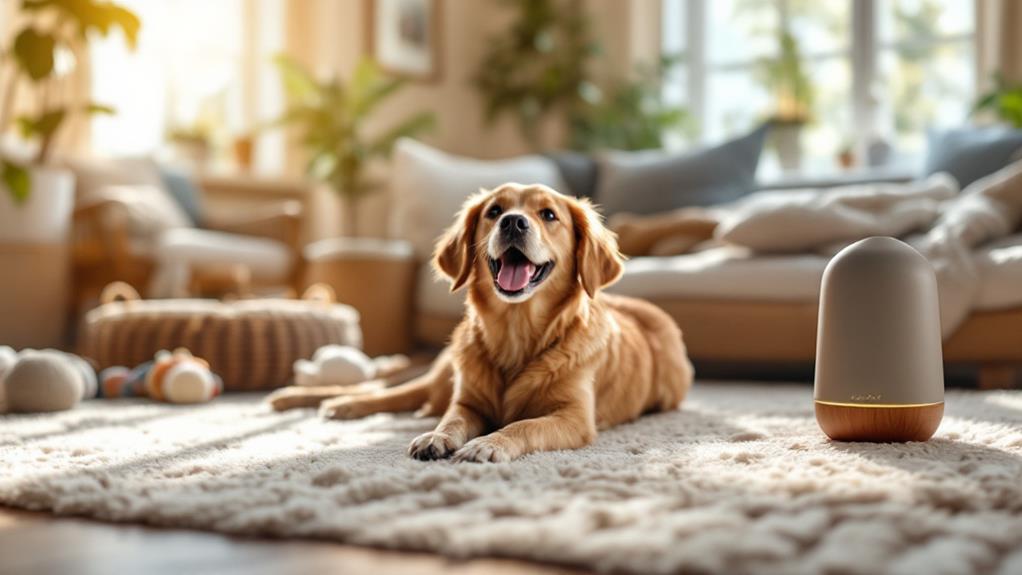
Every dog adjusts to a new home differently, so it's vital to support their unique needs during this change. To help your dog feel less stressed, start by letting them investigate the new home at their own pace. Gradually introduce them to different areas to avoid overwhelming them with too many changes at once. Maintaining familiar routines is significant. Make sure your dog's feeding, walking, and playtime schedules remain consistent, as this stability offers comfort in an unfamiliar environment.
Monitor your dog closely for any signs of stress, such as changes in appetite or behavior. Providing reassurance and affection can help them feel secure. It's also beneficial to set up a designated safe space in your home where your dog can retreat when feeling anxious. This space should be stocked with familiar items like their bed and toys, offering them a sense of security.
Additionally, regular outdoor activities are valuable.
- Investigate the new neighborhood together
- Engage in daily walks
- Visit nearby parks
- Introduce your dog to friendly neighbors and pets
- Encourage playtime in open spaces
These activities can help your dog acclimate and build positive associations with their new surroundings.