Do African Fire Skinks Make Good Pets? What You Need to Know
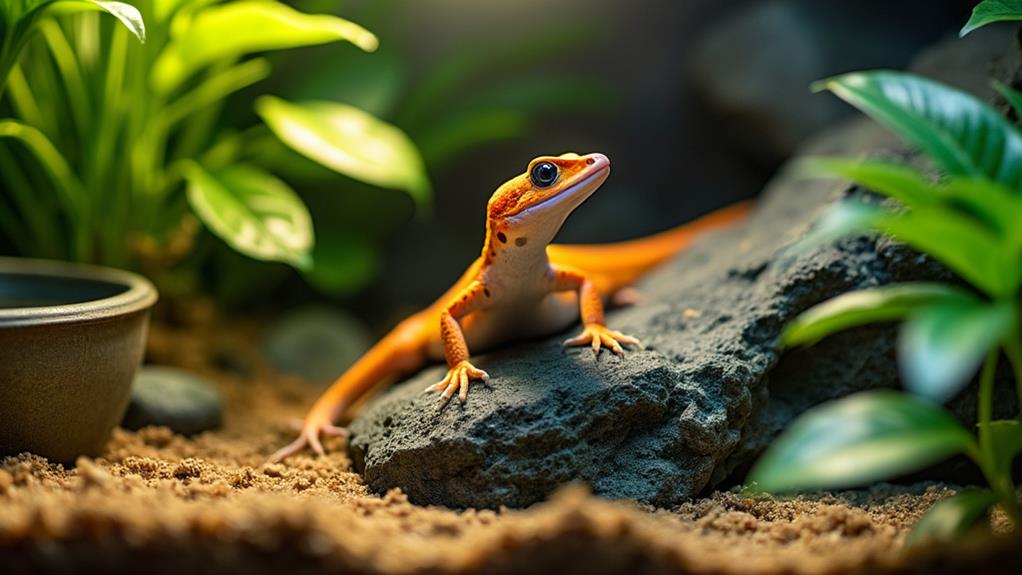
African Fire Skinks can be excellent pets for those ready to commit to their unique care needs. They're enchanting and become more active once they've settled in. You'll need to provide a spacious enclosure with proper temperature and humidity levels, offering hiding spots for their shy nature. Feeding them involves maintaining a diet of varied insects, supplemented with calcium and vitamins. Handle them gently to build trust, and guarantee the environment supports their health and wellness. If you're prepared to provide this level of care, you'll find more insights into keeping your skink healthy and content.
Key Takeaways
- African Fire Skinks are shy but can become active and engaging with time and gentle handling.
- They require a properly sized enclosure with a thermal gradient and humidity control.
- A diverse diet of gut-loaded insects and supplements is essential for health.
- Regular health checks and maintenance of environmental conditions prevent health issues.
- With patience and care, they can make rewarding and fascinating solitary pets.
Understanding Fire Skink Behavior
Understanding the behavior of African Fire Skinks is vital to ensuring they thrive as pets. You'll find that despite their shy demeanor, these skinks can become quite active and interesting once they acclimate to their environment. They're primarily terrestrial, often seeking hiding spots or burrows for security. This behavior highlights their preference for solitude, as they are solitary creatures and exhibit territorial behavior when housed with others. It's imperative to provide them with their own space to prevent any potential conflicts.
Color changes in African Fire Skinks can serve as a fascinating window into their emotional state. Observing these changes can help you understand when they're stressed or comfortable, which can improve the bond between you and your pet. Gentle handling is fundamental; by interacting with them carefully and infrequently, you allow them to become accustomed to your presence. This approach fosters a stronger connection without overwhelming them.
Creating the Perfect Habitat
In regard to creating the perfect habitat for your African Fire Skink, you'll want to initially and foremost guarantee their enclosure meets their spatial needs. A minimum enclosure size of 36 x 18 x 18 inches, such as a 40-gallon breeder tank, is fundamental for allowing them to exhibit their natural behaviors comfortably.
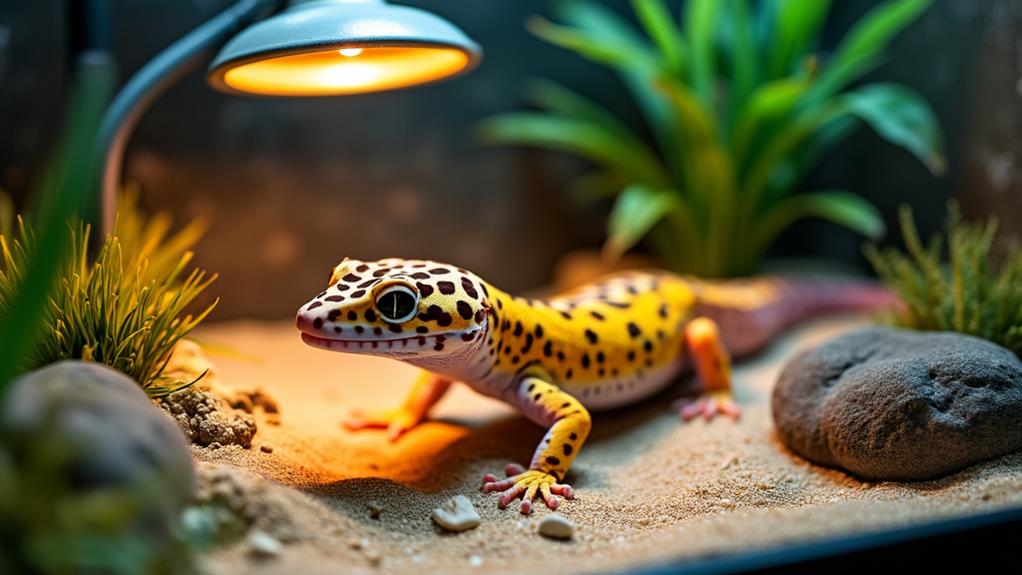
When setting up their enclosure, focus on the substrate. A depth of 4-6 inches is ideal, using materials like Zilla Jungle Mix or Bark Blend, which supports their burrowing tendencies and helps maintain necessary moisture levels. Establishing a proper thermal gradient is imperative, with the cool side at 80-85°F and a warm basking area between 90-95°F, ensuring your skink can thermoregulate effectively.
Humidity levels should be kept between 60-70%. Achieve this by misting the enclosure 1-2 times daily and providing a humid hide lined with moistened substrate. This setup supports their humidity needs and general health. Include different hiding spots and climbing structures, such as artificial foliage and driftwood, to simulate their natural environment. Adding enrichment items encourages exploration and engagement, which are crucial for their well-being. By focusing on these elements, you'll create an ideal habitat for your African Fire Skink.
Dietary Needs and Feeding
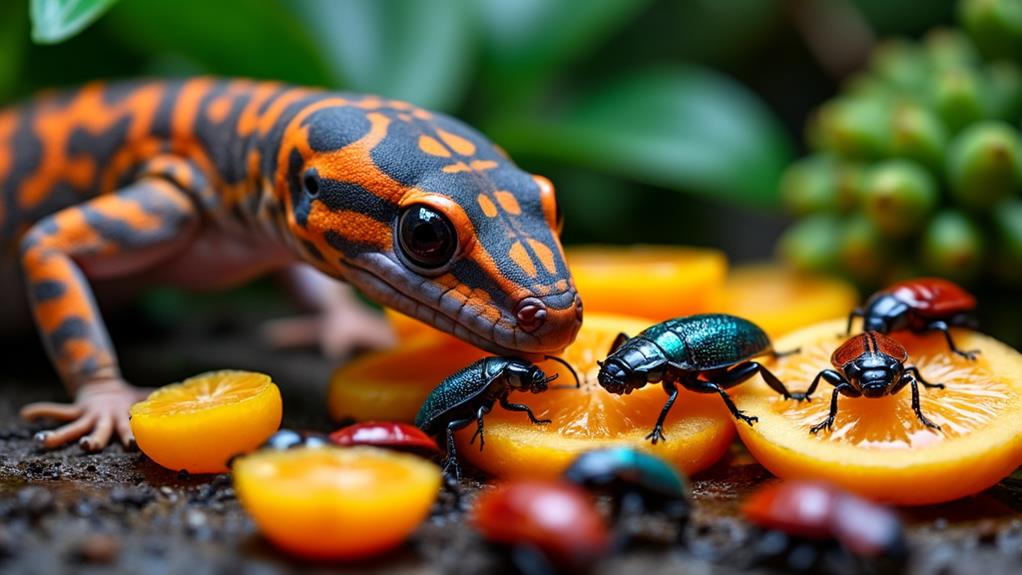
A healthy diet is crucial for keeping your African Fire Skink lively and active. These skinks are primarily insectivorous and require a varied diet to thrive. Offer a mix of feeder insects such as crickets, mealworms, waxworms, and silkworms. Occasionally, you can include pinkie mice for extra variety. Juvenile fire skinks have higher energy needs, so feed them daily. In contrast, adults require feeding every 2-3 days, with 3 to 5 insects per meal.
To prevent metabolic bone disease, which is common in reptiles, dust the feeder insects with calcium and vitamin D3 supplements. This step guarantees your skink maintains strong bones and peak health. Furthermore, improve the nutritional value of the insects by using products like Zilla Gut Load. These products enhance the nutrient profile of the insects before feeding them to your skink.
Don't forget to provide fresh water at all times. Place it in a clean bowl, and make certain to scrub it weekly to maintain hygiene. Meeting your African Fire Skink's dietary needs will keep them in good shape, contributing to their general well-being and making them delightful companions.
Managing Health and Wellness
Maintaining your African Fire Skink's health and wellness requires attention to several key factors. Start with regular check-ups to catch potential issues early, like metabolic bone disease or respiratory infections. These visits allow a vet to monitor your skink's health and provide guidance specific to its needs.
Proper humidity levels are essential. Aim for 60-70%, using misting 1-2 times a day to prevent skin shedding problems and respiratory issues. Keep a close watch on environmental conditions, making certain the temperature and humidity are just right for your skink's habitat. Regular cleaning of the enclosure also helps maintain a healthy environment, reducing the risk of infections.
A balanced diet is important. Supplement your skink's meals with calcium and vitamin D3 to prevent nutritional deficiencies. Dust feeder insects with these nutrients to support bone health and overall well-being.
Be observant for signs of stress, like hiding or rapid breathing, which may indicate health concerns. Addressing stress promptly can prevent more serious complications. By staying vigilant and proactive, you'll guarantee your African Fire Skink remains healthy and happy, making it a delightful reptilian companion.
Tips for Handling Fire Skinks
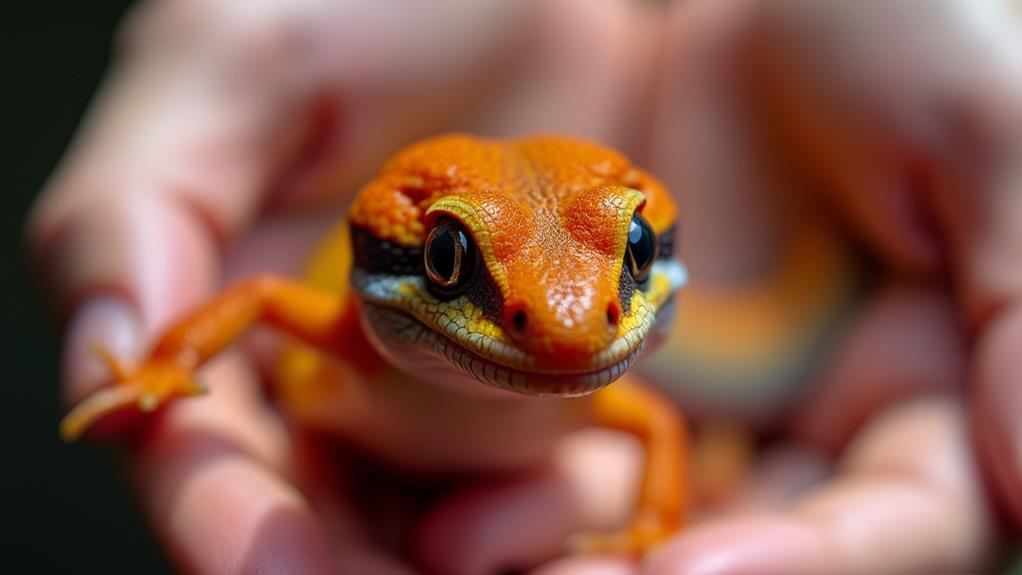
Handling your African Fire Skink requires patience and gentle techniques to guarantee a positive experience for both you and your pet. Begin by allowing your fire skink at least two weeks to acclimate to its new environment. This adjustment period helps reduce stress and allows your skink to feel more secure. Since fire skinks are naturally shy, it's essential to keep handling sessions brief, gradually increasing the duration as your pet becomes more comfortable with human interaction.
To build trust, use soft-tipped feeding tongs to offer food. This approach prevents unnecessary stress and associates your presence with positive experiences. Always avoid grabbing your fire skink by the tail, as this can cause tail detachment, a natural defense mechanism in lizards. Instead, gently support their body with both hands, ensuring they feel safe and secure.