
Australian Terrier: The Courageous and Affectionate Companion Dog
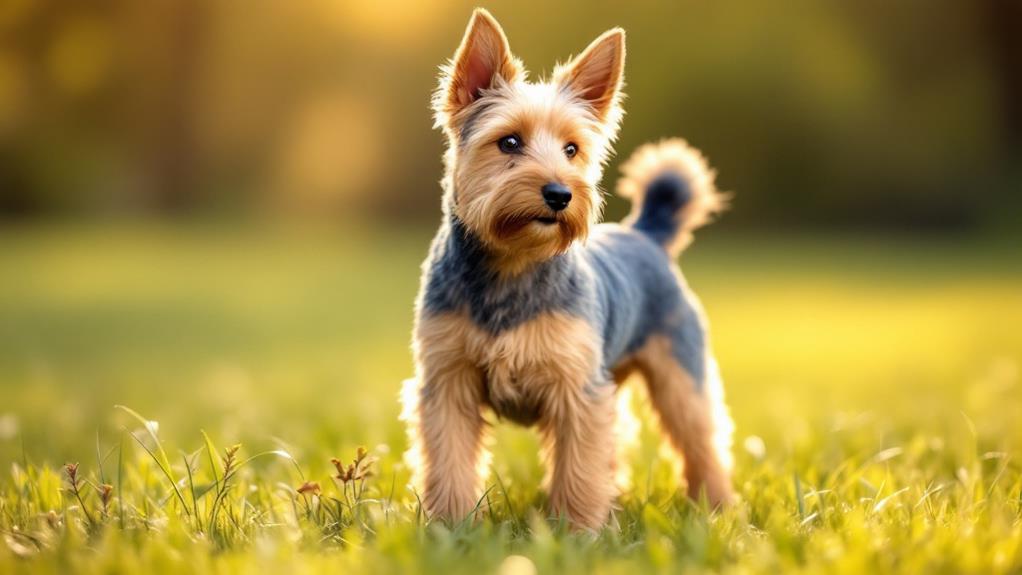
Meet the Australian Terrier, your courageous and affectionate companion. Bred in 19th century Australia, these small dogs excelled in vermin control and became loyal partners to pioneers. Recognized for their compact size, Australian Terriers stand 10-11 inches tall and sport a weather-resistant double coat. They're robust, living 12 to 15 years, with regular grooming and exercise to maintain health. Their spirited and intelligent nature requires positive training, ensuring they're well-mannered companions. With a strong prey drive, supervision is key during outdoor activities. Curious to uncover the nuances that make them such rewarding pet friends? There's more to learn.
Breed Origins and Purpose
Though many terrier breeds have fascinating histories, the Australian Terrier's origins are particularly intriguing. Imagine being in early 19th century Australia, where this breed took shape from a mix of British terrier breeds like the Yorkshire and Cairn Terriers. The Australian Terrier was specifically developed for vermin control, playing an essential role on farms by keeping pests like snakes and rodents at bay. This wasn't just a working dog, though; it also became a trusted companion for Australian pioneers. In the harsh environments they faced, these dogs provided protection and emotional support, proving their versatility and resilience.
The breed's significance didn't go unnoticed. In 1896, the Australian Terrier was officially recognized as a distinct breed, a confirmation of its unique attributes and adaptability. This recognition paved the way for further accolades, culminating in AKC recognition in 1960. The Australian Terrier's ability to adapt to different working roles while maintaining its status as a beloved companion dog highlights its remarkable nature. Its robust and resilient character enabled it to thrive in diverse Australian conditions, making it a cherished part of both rural and urban life.
Physical Characteristics
The Australian Terrier's compact size and sturdy build make it an impressive little powerhouse, typically standing 10 to 11 inches tall and weighing between 15 to 20 pounds. As a small dog breed, it boasts a robust, muscular build that gives it both strength and agility. The Australian Terrier is easily recognizable by its erect ears and strong muzzle, completing its distinctive look with a black nose and small oval eyes.
This breed is known for its weather-resistant double coat, which features a harsh outer layer and a soft undercoat. These layers protect against harsh conditions, making the Australian Terrier a resilient companion. Common coat colors include:
- Blue and Tan: The most prevalent combination, offering a striking appearance.
- Sandy: A softer, understated hue that still captures attention.
- Solid Red: A bold option that highlights the Terrier's energetic demeanor.
- Alternatives: Other combinations that reflect the breed's diverse charm.
The Australian Terrier's compact feet and energetic demeanor contribute to its agility, enabling it to excel in numerous dog sports. This robust breed is not just a family companion—it's an active participant in life's adventures.
Coat and Grooming
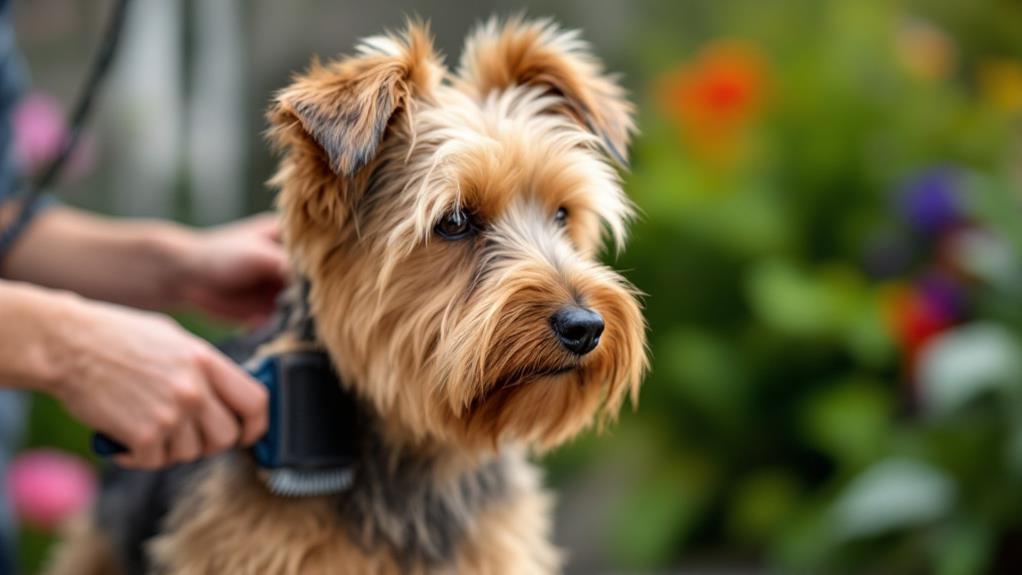
Elegance meets practicality in the Australian Terrier's coat and grooming needs. The Australian terrier's coat is medium-length, wiry, and features a waterproof double coat that provides excellent protection against the elements. The coat colors include blue and tan, solid sandy, and solid red, with no specific markings. Regular grooming is essential to keeping your terrier looking sharp and healthy.
Weekly brushing is recommended to prevent matting and maintain the coat's texture. This routine helps manage the shedding level, especially if your terrier is a heavy shedder. More frequent grooming sessions may be needed to control loose hair effectively. Along with brushing, occasional bathing every few months will keep your Australian terrier clean without stripping away natural oils.
Routine care is similarly significant for your dog's general health. This includes ear cleaning to prevent infections, nail trimming to avoid discomfort, and dental hygiene to keep those teeth sparkling. Such practices not only improve your Australian terrier's appearance but also contribute to their well-being. Embracing these grooming habits guarantees your courageous and affectionate companion remains in top condition, ready for any adventure life throws their way.
Health and Longevity
Curious about the health and longevity of your Australian Terrier? This energetic breed often enjoys a lifespan of 12 to 15 years, thanks to its generally robust health. However, like any breed, Australian Terriers can face certain health issues. Common health issues include patellar luxation, Legg-Calve-Perthes disease, diabetes, and allergies. Regular veterinary check-ups are crucial to catch these problems early and manage them effectively.
To guarantee your furry friend thrives, consider these key points:
- Preventive Care: Regular health monitoring, including vaccinations and parasite control, keeps your terrier in top shape.
- Balanced Diet and Weight Management: Prevent obesity and related problems by feeding your terrier a balanced diet. A daily intake of 1/2 cup to 1 cup is recommended.
- Hereditary Health Issues: Choose a responsible breeder who performs genetic tests to minimize the risk of hereditary health issues in puppies.
- Regular Check-ups: Schedule routine veterinary visits to monitor and manage common health issues your terrier may face.
Exercise and Activity Needs

Although Australian Terriers are small in size, they're bursting with energy and require regular exercise to stay healthy and happy. They need a minimum of 30 to 45 minutes of daily exercise to maintain their physical health and stave off boredom. Engaging in activities like walks and playtime is vital to meet their exercise needs. Furthermore, incorporating mental stimulation into their routine will help keep their active minds sharp.
Agility training is an excellent activity for Australian Terriers, offering both physical and mental benefits. This type of training not only improves their general well-being but also provides an outlet for their abundant energy. Regular outdoor play is essential, but it's significant to supervise them due to their strong prey drive, which might lead them to chase smaller animals.
Without adequate exercise and stimulation, Australian Terriers can develop undesirable behaviors such as digging or excessive barking. By ensuring they get enough exercise and mental challenges, you can help your Australian Terrier live a balanced and content life. Remember, a well-exercised terrier is a happy and well-behaved companion, so make exercise a daily priority for your energetic friend.
Training and Socialization
Patience and consistency are key when training and socializing your Australian Terrier. They thrive with positive reinforcement training methods, so be sure to reward them with treats and praise. This approach makes training sessions enjoyable and effective. Starting with early socialization is vital. It helps your terrier develop good manners and adaptability, ensuring they interact well with other dogs and prevent aggressive behaviors later on. Here's how you can make the most out of your training and socialization efforts:
- Short and Frequent Training Sessions: Keep sessions around 5 to 10 minutes to maintain their interest and prevent boredom. Short bursts of training can be more effective than long stretches.
- Recall Training: Because of their strong prey drive, spend extra time on recall training. It's fundamental for them to respond reliably, especially in outdoor settings.
- Agility Training and Obedience Classes: These activities provide mental stimulation and strengthen your bond. Plus, they keep your terrier physically fit.
- Interactive Games: Engage them with interactive games to further improve their mental stimulation and prevent boredom.
Temperament and Behavior
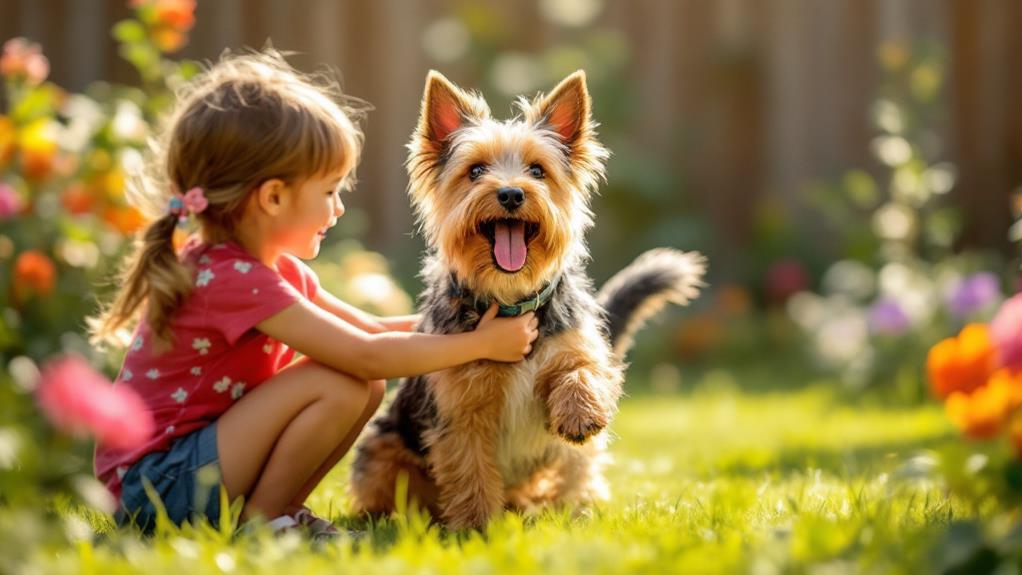
The Australian Terrier's spirited personality is both charming and engaging, making it a delightful improvement to any family. With its affectionate nature and intelligent demeanor, this breed is a loyal companion, especially well-suited for households with children. However, the Australian Terrier's strong prey drive means you'll need to start early socialization to curb any potential aggression toward smaller animals. This proactive approach helps guarantee a harmonious relationship with other pets.
These little dogs are fearless and possess natural protective instincts, turning them into excellent watchdogs. They're always alert to any unusual activities around your home. To channel their energetic disposition, regular exercise and mental stimulation are essential. Without it, they might become bored, leading to undesirable behaviors.
When training your Australian Terrier, positive reinforcement is key to keeping them engaged. They can be a bit stubborn, so varied training sessions will help maintain their focus and interest. This approach not only strengthens your bond but also encourages their natural intelligence to shine. By understanding and catering to their temperament and behavior, you'll foster a happy, well-adjusted companion that's both courageous and affectionate.
Dietary Requirements
Ever wondered how to best nourish your Australian Terrier? Understanding their dietary requirements is vital for maintaining their complete health and happiness. Start with high-quality dog food, dividing their daily intake of 1/2 cup to 1 cup into multiple meals. This helps with portion control, preventing obesity and related health issues like diabetes.
To keep your Australian Terrier fit and healthy, consider these key points:
- Balanced Diet: Guarantee their diet contains the right balance of nutrients, tailoring it to their activity level. Puppies need more high-quality protein, while adults benefit from a balanced diet.
- Portion Control and Treats: Limit treats to avoid exceeding calorie intake, which can lead to obesity and joint problems. It's important to practice portion control every day.
- Weight Monitoring: Regularly monitor your dog's weight and adjust their diet accordingly. This helps you catch any issues early and maintain their active lifestyle.
- Veterinarian Consultation: For personalized dietary plans, consult your veterinarian. They can provide guidance on specific health issues your dog may face.
Adoption and Breeding

When considering the adoption or breeding of an Australian Terrier, it is essential to weigh your options carefully. Adoption provides a wonderful opportunity to offer a home to a dog in need. Many Australian Terriers are available through shelters and breed-specific rescues, allowing you to make a positive impact. The typical adoption cost ranges from $1,200 to $1,500, reflecting the breed's popularity.
If you're leaning towards breeding, prioritize working with responsible breeders. They conduct genetic testing on the parent dogs to identify and mitigate potential health conditions, guaranteeing healthier puppies. As a prospective owner, ask breeders for clear test results, especially concerning common health issues like luxating patella and Legg-Calve-Perthes disease.
When purchasing from a breeder, make certain the Australian Terriers are raised in safe, comfortable indoor environments. A responsible breeder should provide a detailed medical history for the puppies, giving insights into their health background. Regardless of adopting or buying, understanding the medical history and health conditions of your potential pet can lead to a more informed decision. Choosing the right path, regardless of adoption or breeding, guarantees a happy and healthy life for your Australian Terrier.
Pros and Cons
While Australian Terriers are known for their affectionate and loyal nature, making them excellent companions, it's crucial to weigh both the pros and cons before bringing one into your home. Here's a quick overview to help you decide:
- Affectionate and Loyal: Australian Terriers are incredibly affectionate and loyal, forming strong bonds with families, especially those with respectful children. They thrive in a loving household environment.
- Energetic and Intelligent: This breed is energetic and intelligent, requiring regular exercise and mental stimulation. Activities like agility training can improve your bond and keep them happy and healthy.
- High Prey Drive: On the downside, Australian Terriers have a high prey drive, which means they might chase smaller animals. You'll need to supervise them during outdoor activities to guarantee safety.
- Health Issues and Socializing: They can be prone to health issues such as luxating patella and diabetes, leading to potential medical expenses. Moreover, their bossy nature may pose challenges in socializing with other dogs if not managed properly.
Considering these pros and cons will help you determine if the Australian Terrier is the right fit for your lifestyle.