Affenpinscher: The Famously Funny and Confident Toy Dog
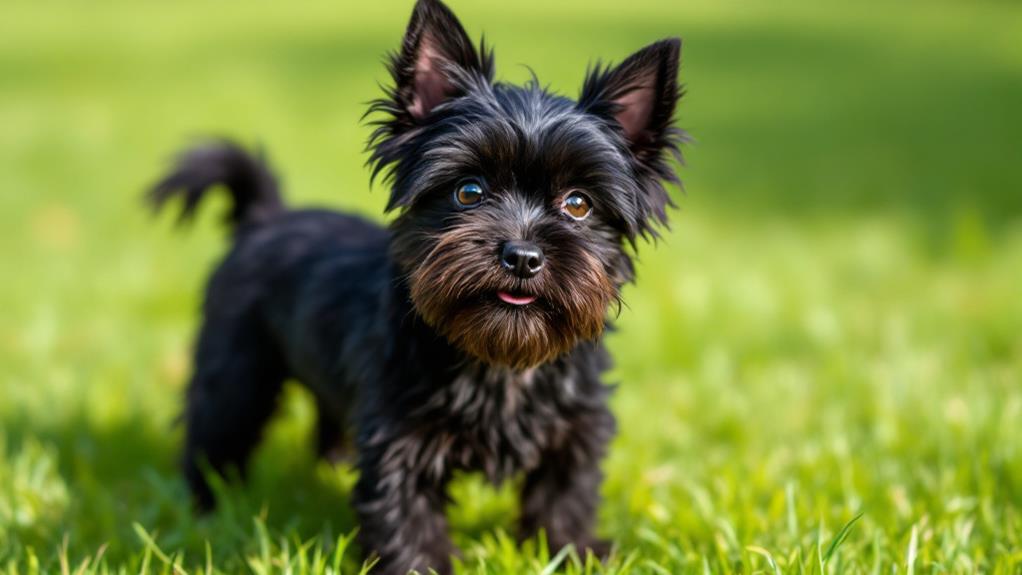
You'll love the Affenpinscher, a playful and confident toy dog with a distinctive appearance that's earned it the nickname "Monkey Dog." Standing just 9-11.5 inches tall and weighing 7-10 pounds, this breed packs a lot of personality in a small package. They started as vermin hunters in 1600s Germany, and their joyful and spirited nature quickly took hold among the nobility. They're loyal companions who thrive on regular interaction and mental stimulation. To keep them happy, you'll need to provide consistent grooming, training, and an hour of daily exercise. For more on their charming qualities, investigate further details.
Affenpinscher Breed Overview
The Affenpinscher, affectionately dubbed the "Monkey Dog," often captures hearts with its unique appearance and vivacious personality. As a toy dog, it stands 9-11.5 inches tall and typically weighs between 7-10 pounds. Its distinct appearance, highlighted by a wiry coat and a facial expression reminiscent of a primate, sets it apart from other breeds. Recognized by the American Kennel Club in 1936, the Affenpinscher has become a favorite in dog shows thanks to its playful demeanor and charming presence.
You'll find that this breed's temperament is a delightful mix of confidence, loyalty, and playfulness. While they're engaging companions, they can also be a bit stubborn and fiercely protective of their toys. This makes them both entertaining and a little challenging to train at times.
To guarantee your Affenpinscher stays healthy, regular grooming, exercise, and veterinary check-ups are vital. These dogs typically live between 12 to 15 years, so looking after their health conditions is imperative. With the right care, the Affenpinscher can be a joyful and long-lasting enhancement to your home, providing endless entertainment and companionship.
History and Origins
Rooted in Germany, the Affenpinscher's history stretches back to the 1600s when it was bred primarily for hunting vermin in homes and farms. This German breed, with its distinctive facial expression, earned the nickname "monkey dog." Its quirky demeanor and small size made it a favorite among the nobility of 17th-century Central Europe, both as a companion and a pest controller. The Affenpinscher Dog Breed holds a notable place in canine lineage, influencing the development of other European pinscher breeds.
By 1936, the American Kennel Club recognized the Affenpinscher, marking its formal introduction to dog shows and competitions in the United States. This recognition not only highlighted its unique characteristics but also established it as a beloved participant in the world of canine events. The breed's history and origins reflect its enduring appeal and versatility.
Here's a quick look at its fascinating expedition:
- 1600s Germany: Primarily bred for vermin hunting.
- 17th-century Central Europe: Favored by nobility.
- 1936: Officially recognized by the AKC.
- Influence: Contributed to other European pinscher breeds.
Understanding the Affenpinscher's past provides a deeper appreciation for this lively and charming toy dog.
Temperament and Personality
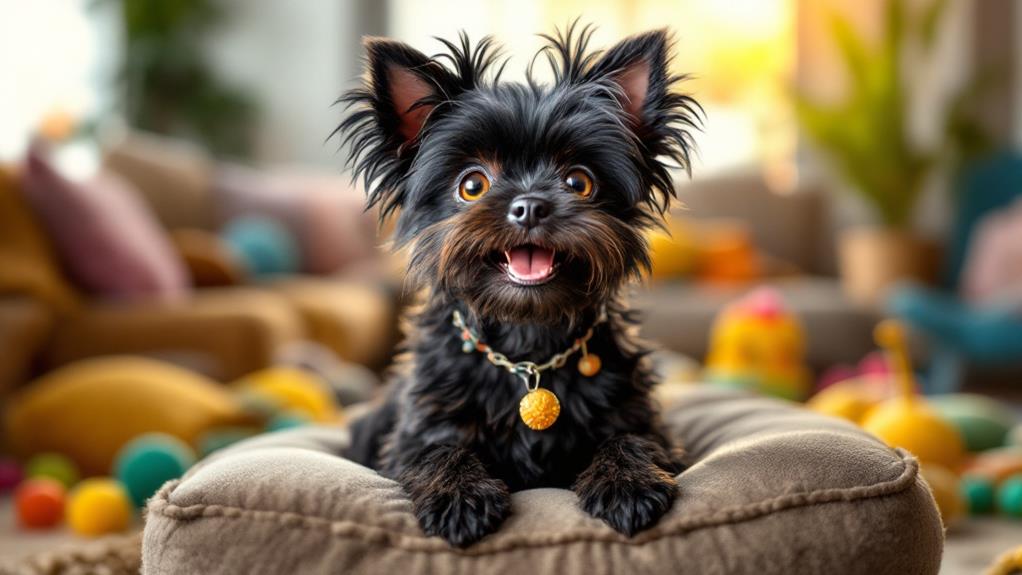
What makes the Affenpinscher such an enchanting companion? This dog's temperament is a delightful blend of confidence and mischief. With their fearless demeanor, Affenpinschers are both charming and endearing, ready to win over any family with their playful antics. They're highly loyal and affectionate, forming strong bonds with you while remaining sensitive to their surroundings.
Affenpinschers have a spirited nature and medium-high energy levels, so they need regular interaction and mental stimulation. To keep boredom at bay and maintain their lively behavior, guarantee they get at least an hour of exercise daily. This might include walks and playtime, which are perfect opportunities to engage their minds and bodies. Positive reinforcement works wonders with these intelligent dogs, encouraging their best behavior while nurturing their inquisitive spirit.
While Affenpinschers generally get along well with young children, their small size and territorial nature over toys and food mean you should supervise interactions. Proper care is crucial to maintaining harmony, guaranteeing both children and dogs enjoy each other's company safely. With the right balance of love, attention, and exercise, the Affenpinscher stands out as a wonderfully amusing and devoted companion.
Care and Grooming Needs
Paying attention to an Affenpinscher's care and grooming needs is vital to keeping them healthy and happy. Their wiry coat requires consistent grooming, with brushing recommended 1-2 times a week to prevent mats and tangles. By incorporating regular grooming into their routine, you'll help maintain their health and hygiene while keeping their compact size looking sharp. In addition to coat care, focus on routine ear cleaning and nail trimming to make sure your Affenpinscher remains comfortable and healthy.
Regular exercise is another key aspect of their care. These lively little dogs need at least an hour of physical activity daily to stay mentally and physically stimulated. A balanced diet is similarly significant, providing high-quality dog food tailored to their size and stage of life to promote well-being and longevity. Early socialization is also beneficial, helping them adapt to different environments and interactions.
Here's a quick checklist to keep your Affenpinscher in top shape:
- Weekly grooming: Brush their wiry coat 1-2 times a week.
- Daily exercise: Make certain at least an hour of physical activity.
- Balanced diet: Feed high-quality food suitable for their stage of life and size.
- Routine dental care: Regular brushing to prevent periodontal disease.
Taking these steps will help your Affenpinscher thrive.
Common Health Concerns
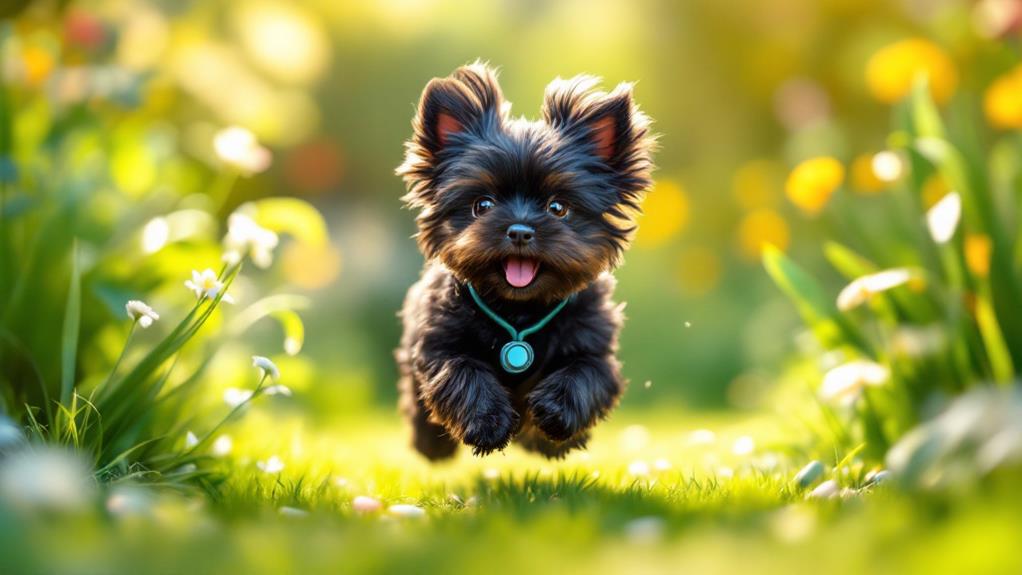
While grooming and care are fundamental for your Affenpinscher's well-being, being aware of common health concerns is just as vital. Despite their charming nature and small size, Affenpinschers can face a range of health issues that might affect their longevity, with an average lifespan of 12 to 15 years. Regular veterinary check-ups are key in identifying and managing these problems early on. Common health concerns include hip dysplasia and luxating patella, which can affect their mobility. Furthermore, a collapsed trachea and respiratory issues, especially in hot weather, are significant concerns for this breed.
Ocular conditions like cataracts are fairly common, while emerging concerns such as syringomyelia require careful monitoring. Keeping an eye on your Affenpinscher's eyes and getting regular check-ups can prevent complications. Seasonal flank alopecia, leading to hair loss during winter months, occurs more frequently in females, so it's vital to monitor their coat condition.
Dental health should also be prioritized, as their small mouths make them prone to periodontal disease. Regular brushing and dental check-ups can help alleviate this risk. By staying vigilant and proactive, you can help guarantee your Affenpinscher leads a healthy, happy life.
Training and Socialization
Getting the hang of training and socializing your Affenpinscher early on is vital for them to develop into well-adjusted pets. This breed, known for its intelligence and curiosity, responds best to positive reinforcement methods. Rewarding them with treats and praise can effectively manage their natural stubbornness, making training sessions more productive. It's significant to address potential territorial behaviors, especially around toys and food, which could lead to aggressive tendencies.
To guarantee your Affenpinscher grows into a confident companion, consider the following:
- Interactive activities: Engage them in obedience classes to provide mental stimulation and improve their social skills.
- Consistent training: Regular training sessions help establish boundaries and prevent behavioral issues.
- Exposure: Introduce them to different environments, people, and situations during their formative months to increase their confidence.
- Patience and persistence: These are key in overcoming challenges and guiding them toward positive behavior.