7 Tips for Coping With the Death of Your Pet: Grieving and Healing

Coping with your pet's death involves traversing a complex grief experience. Start by acknowledging your emotions and allowing yourself to grieve naturally. Engage in creative outlets like journaling or art to express emotions. Create memorial rituals or photo albums to honor your pet's memory. If you have children or seniors in your life, support them through open communication and shared memorial activities. Pay attention to surviving pets as they may feel loss too. Consider joining support groups or talking to a counselor for prolonged grief. When you're ready, focus on treasuring memories and investigate more ways to ease your heart.
Understanding the Grief Process
Regarding understanding the grief process after losing a pet, it's important to recognize that grief isn't linear. As a pet owner, you'll likely navigate through stages of emotional pain, such as denial, anger, and acceptance. Initially, you might find yourself in denial, a natural emotional protection against the overwhelming loss. It's common to experience complicated grief—where emotions like bargaining and guilt surface, especially if you were the primary caregiver for your pet.
Once the initial shock fades, true sadness often emerges. This period indicates that you're beginning to process your emotions more profoundly. Sadness, shock, and loneliness can all be normal reactions, reflecting the deep bond and love you shared with your pet. The path to acceptance allows you to remember your pet with less emotional pain, which is an essential step towards healing.
Expressing Your Emotions
Regarding expressing your emotions after losing a pet, let yourself fully experience the waves of grief that may hit unexpectedly. It's essential to express your feelings instead of suppressing them. Doing so can prolong the grieving process and hinder your healing experience. Allow yourself to feel the intense emotions, regardless of whether they're sadness, anger, or guilt. Remember, you loved your pet deeply, and it's natural for these feelings of grief to surface at unpredictable times.
Engaging in creative outlets like journaling or art can be therapeutic. These activities help articulate your emotions and honor the cherished memories you shared with your pet. It's a personal way to cope and keep their memory alive. Furthermore, connecting with supportive friends, family, or even joining support groups can be immensely beneficial. Sharing your grief reduces feelings of isolation and provides a platform for grief support, validating your emotional responses.
Memorial rituals, such as creating a tribute or holding a ceremony, can also help structure your grief. These rituals offer a tangible way to express your emotions and facilitate emotional release, reminding you of the love you had for your pet.
Supporting Children Through Loss
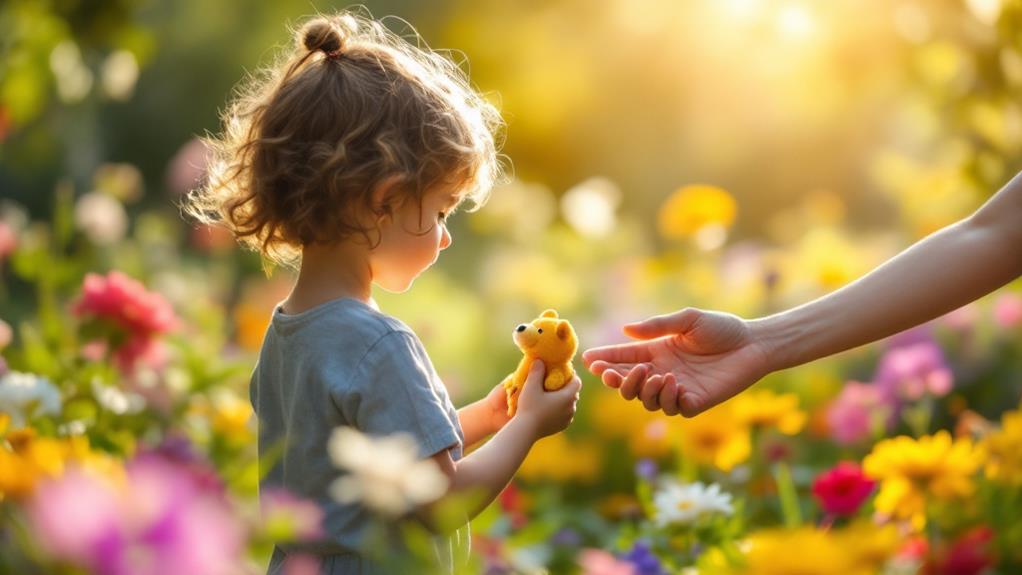
When a beloved pet passes away, children often struggle to comprehend and navigate their grief. Supporting children through pet loss involves honesty about death, which is crucial for them to process their emotions and understand this challenging concept. You should reassure your child that it's natural to feel sad, and if they express feelings of guilt, remind them they're not to blame. Open communication is key, so encourage your child to share their thoughts and feelings.
Allowing children to say goodbye to their pet can provide a sense of closure. If possible, involve them in suitable developmental grief rituals, like creating a memorial or a tribute artwork. These activities foster emotional expression and help honor the pet's memory. Share your own feelings of grief with them to normalize their emotions and demonstrate that their sadness is okay.
Helping Seniors Heal
For many seniors, the loss of a pet can feel overwhelming due to the deep emotional connection and companionship pets provide. This emotional bond often means pet grief is more intense, especially when compounded by feelings of isolation. It's imperative for seniors to have strong support networks to help navigate the healing process. Family and friends play a significant role in providing comfort and understanding, helping to ease the grieving the loss of a pet.
Encouraging seniors to engage in memorial rituals, such as creating a tribute or sharing cherished memories, can be an significant step in acknowledging their grief and facilitating emotional expression. These activities can help seniors process the loss and begin to heal. Furthermore, finding new hobbies or participating in pet-related activities can provide a renewed sense of purpose, helping to fill the emotional void left behind.
Maintaining social interactions is also fundamental. Loneliness can intensify feelings of grief, so fostering community connections can be beneficial. Joining support groups or seeking professional counseling focused on pet loss can offer valuable resources and a sense of community connection. These avenues provide a safe space for seniors to share their experiences and continue their healing process.
Caring for Surviving Pets
While assisting seniors in their path of healing, it's also vital to recognize the needs of surviving pets who may be grieving the loss of their companion. These pets might show signs of distress or depression, like changes in behavior, appetite, or energy levels. To support their emotional well-being, maintain their normal routines as closely as possible. This consistency can provide a sense of stability and help them adjust to the new situation.
Providing extra care and attention to your surviving pets is imperative. Spend supplementary time playing or simply offering affection, which can help alleviate anxiety and promote their emotional healing. Keep a close eye on them for persistent symptoms of grief, such as lethargy or altered eating habits. If these issues continue, seeking veterinary care or professional intervention could be necessary.
Memorializing Your Pet
Honoring the memory of your pet can be an essential step in the healing process. Creating personal memorials, like photo albums or memory boxes, lets you hold onto cherished memories and maintain a tangible connection to your pet's life. Engaging in artistic expressions, such as painting or crafting, allows you to creatively memorialize your pet while providing a therapeutic outlet for your grief. These artistic endeavors can transform your grieving into a healing experience.
Participating in memorial rituals, like planting a tree or garden in their memory, helps foster a sense of closure and connection to your pet's legacy. These acts can be both comforting and symbolic, allowing you to celebrate your pet's impact on your life. Writing letters to your pet or sharing your memories online in dedicated forums provides an avenue to express your emotions and connect with others who understand your loss.
Organizing a memorial service or virtual tribute creates a supportive environment where you can celebrate your pet's life with loved ones. Sharing stories and commemorating your pet together can bring comfort and support, helping you navigate the grieving process and begin to heal.
Deciding on a New Pet

Deciding when to welcome a new pet into your life after a loss can be a complex and personal experience. It's crucial to allow yourself adequate time to grieve the significant loss of your beloved pet. Jumping into new pet ownership too soon might complicate the grieving process and hinder emotional healing. Each pet holds a unique place in our hearts, and while you can't replace your beloved pet, a new companion can bring joy and comfort when you're ready.
Here are some considerations for deciding on a new pet:
- Time to Grieve: Wait several months before adopting to guarantee emotional readiness.
- Self-Reflection: Think about the qualities you desire in a new pet.
- Family Members: Discuss with family to gauge collective readiness and preferences.
- Support Groups: Consult with support groups for insights and guidance on coping with pet loss.
- Pet Owner Responsibilities: Reflect on the commitment and changes a new pet will bring.
Involving family members in the decision-making process and seeking advice from friends or support groups can provide valuable perspectives. Remember, self-reflection is key to ensuring that both you and the new pet will thrive in a healthy environment.