Will a Finch Make a Great Pet Bird? A Guide for Bird Lovers
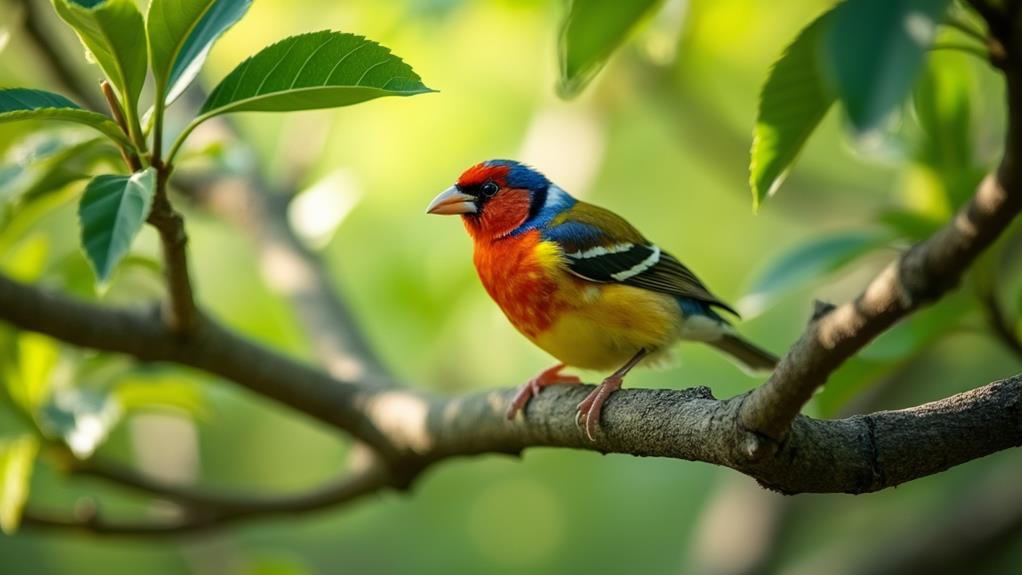
If you're considering finches as pets, they can indeed make wonderful companions. These small, colorful birds thrive in pairs or small groups and don't need constant attention, making them perfect for busy bird lovers. They prefer to be with their kind, so a pair is advisable for their happiness. Finches enjoy seeds, fruits, and fresh veggies, and they don't require a lot of space, but provide a clean and secure cage. Arrange their environment to be calm and stress-free for their best well-being. To uncover more about ensuring your finch is healthy and happy, investigate further details.
Key Takeaways
- Finches are low-maintenance and thrive in pairs or small groups, making them ideal for companionship.
- They require minimal human interaction, enjoying the company of other finches and engaging in natural behaviors.
- A balanced diet of pelleted food, seeds, fruits, and vegetables ensures their health and longevity.
- Ideal cage size is 24 L x 14 W x 18 H inches, with ¼-inch bar spacing for safety.
- Creating a stress-free environment with room for flying and playing supports their happiness.
Finch Characteristics
When considering finches as pets, you'll find that their small size and lively presence make them an appealing choice for bird enthusiasts. These charming pet birds typically measure between 3 to 6 inches in length. They thrive in social settings, making them ideal for companionship, regardless of pairs or small groups. Finches are low-maintenance pets that don't require constant human interaction, but they do appreciate the company of their own species, which keeps them active and content.
There are different finch species to choose from, each with its unique characteristics and lively colors. Regardless of the type, all finches benefit from proper care to guarantee a healthy life. They have a lifespan of 5 to 10 years when provided with a balanced diet and suitable living conditions. Finches possess wedge-shaped beaks, perfect for hulling seeds. Their diet primarily consists of seeds, fruits, vegetables, and occasionally, protein sources like hard-boiled eggs.
While some finches might tolerate handling, they generally prefer a hands-off approach. Enjoy these birds for their delightful songs and behaviors, rather than physical interaction, making them a perfect supplement to your home.
Housing Essentials
To guarantee your finches thrive, it's important to provide them with appropriate housing. Start with a rectangular flight cage, guaranteeing minimum dimensions of 24 L x 14 W x 18 H inches. This setup gives your birds ample horizontal space for their natural flying behavior. Finch owners should also focus on bar spacing; opt for ¼-inch or smaller to prevent escapes and guarantee safety.
Finches should be offered an environment where the ideal habitat temperature ranges between 65°F and 80°F. Place the cage in a quiet, low-traffic area, keeping it away from drafts and direct sunlight to maintain this temperature range. Regular cleaning of cages is a key housing necessity. Conduct daily spot-cleaning and replace the substrate or bedding weekly to uphold hygiene and prevent potential health issues.
Additionally, your finches will benefit greatly from exposure to full-spectrum UV light for about 10-12 hours each day. This exposure supports vitamin D synthesis, vital for their general health. By providing these housing necessities, you'll create a safe and comfortable environment, helping your finches flourish as delightful and healthy companions.
Nutrition Guidelines
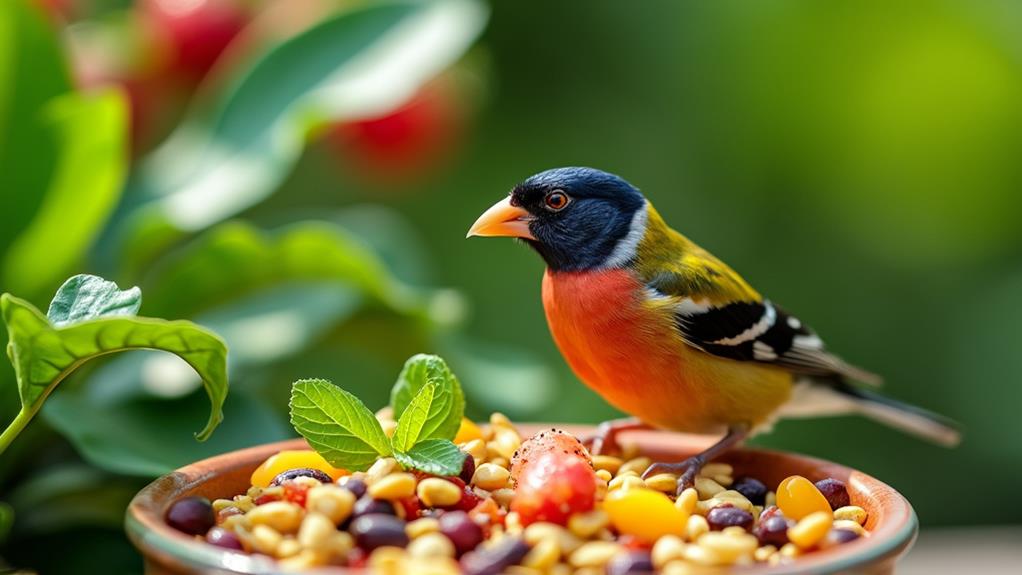
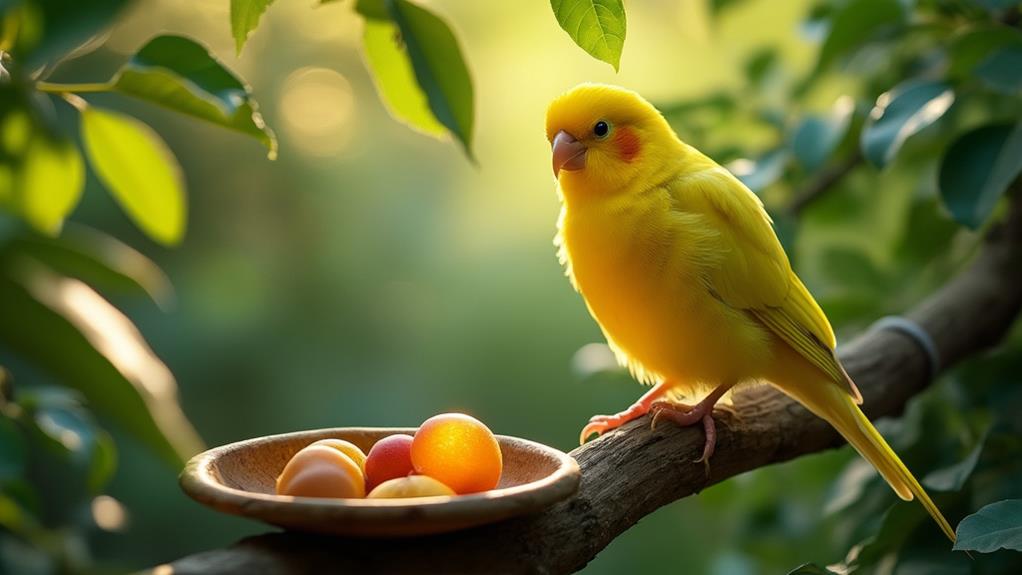
After setting up a comfortable home for your finches, it's imperative to focus on their nutrition to guarantee they lead healthy lives. A well-rounded diet is fundamental for keeping your feathered friends happy and healthy. Start with a base diet of high-quality pelleted food, which should make up 60-70% of their intake. Supplement this with small amounts of seeds, fresh vegetables, and fruits chopped into manageable pieces. Don't forget, fresh water is necessary, so change their water bowls daily to prevent contamination and guarantee proper hydration.
To support their dietary needs, consider these significant guidelines:
- Calcium Source: Always provide a cuttlebone for calcium, which is crucial for their bone health.
- Occasional Treats: Offer hard-boiled eggs or insects 2-3 times weekly, especially during breeding, but don't overdo it to avoid imbalances.
- Avoid Toxic Foods: Steer clear of chocolate, caffeine, and alcohol, and limit treats with high fat, sugar, or salt content.
These nutrition guidelines will help guarantee that your finches make a wonderful enhancement to your household, thriving in both health and spirit. By following these steps, you're setting the foundation for a long, content life for your pets.
Social Dynamics
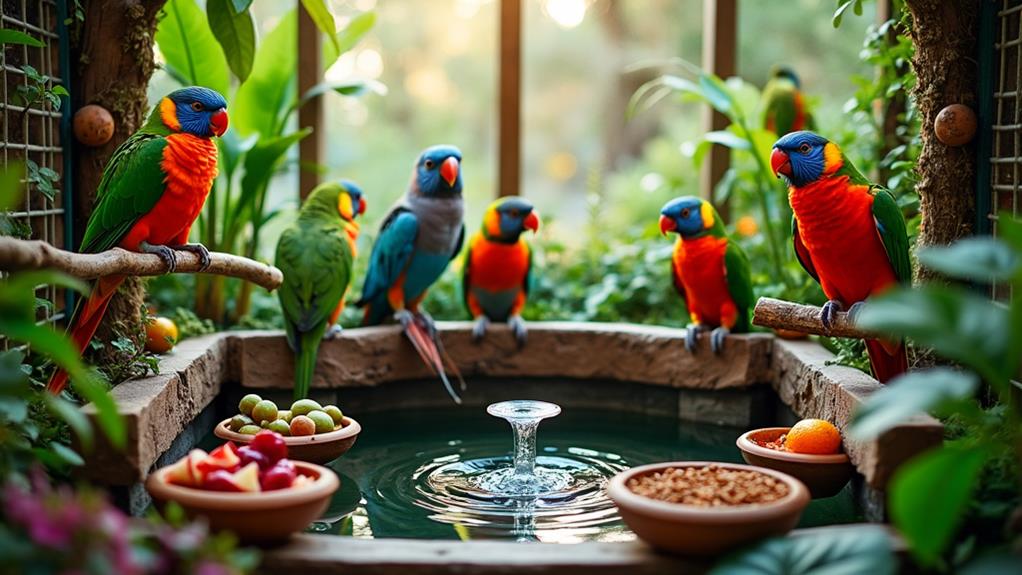
Finches are incredibly social birds that thrive when kept in pairs or small groups. They are extremely interactive creatures, and their social dynamics play a vital role in their well-being. As a new owner, it's significant to understand that finches flourish in the company of their own kind. Keeping them in pairs or small flocks allows them to engage in their natural behaviors and communicate through their charming calls and songs.
Social dynamics among finches, such as zebra finches and society finches, often involve non-aggressive interactions, making them friendly additions to your home. They coexist peacefully with humans and other pets, providing a harmonious environment for everyone. Though finches generally prefer minimal handling, daily socialization and observation can improve your relationship with them. You'll notice how they interact with each other, which can be quite entertaining and heartwarming.
Creating a stress-free and supportive atmosphere is fundamental for their happiness. Stressful environments can negatively impact their social dynamics and general health. Guarantee their space is calm, with plenty of room for flying and playing. By understanding and catering to the social needs of your finches, you'll help them lead fulfilling lives in your care.
New Owner Tips
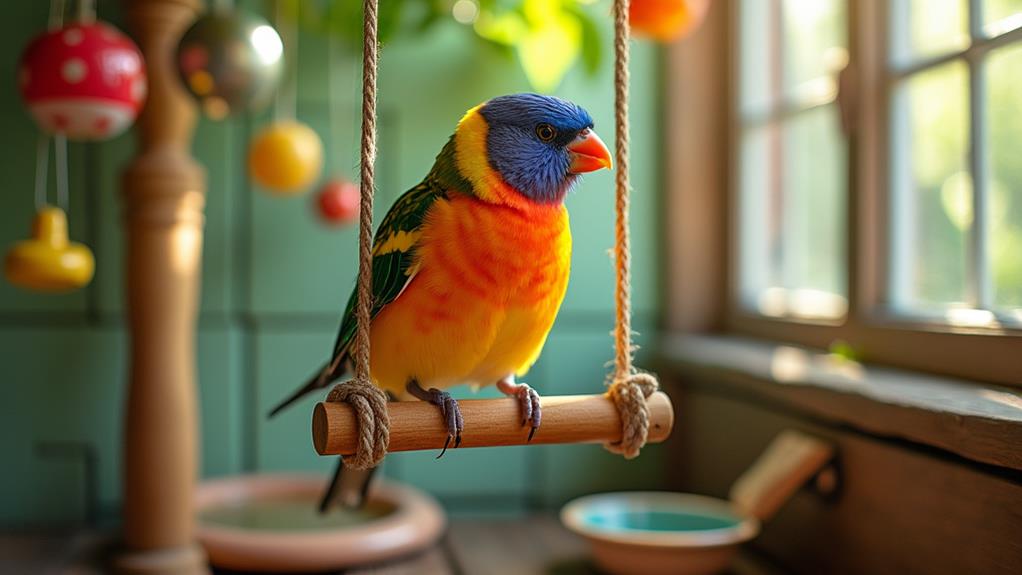
Comprehending the social dynamics of finches sets the stage for providing them with a nurturing environment. As a new pet owner, it's essential to research the specific finch species you're interested in, since different types have unique social and care needs. Many finches thrive in pairs or small groups, so consider getting your finch a companion to guarantee they're happy and healthy.
Your finch's cage should be spacious and well-ventilated, with bar spacing of a ¼-inch or smaller. This allows for ample movement and flight, critical for their well-being. A cage without these features might restrict your finch's natural behaviors. Keep the cage clean and provide fresh water daily. Hygiene is fundamental for preventing illness and maintaining your finch's general health.
When it comes to diet, offer a balanced mix of high-quality pelleted food (making up 60-70% of their diet), fresh fruits, vegetables, and limited seeds. This will guarantee peak health and vitality.
Here are some quick tips to guarantee your new pet finch thrives:
- Research the specific finch species to understand their unique needs.
- Provide a spacious cage with appropriate bar spacing.
- Maintain a balanced diet with fresh water and food available daily.
Ethical Considerations
When keeping finches as pets, it's vital to navigate the ethical considerations that come with their care. As a responsible pet owner, you must prioritize their welfare and understand the ethical significance of companionship. Finches are social creatures, so they thrive in pairs or small groups. Keeping a solitary finch can lead to loneliness and stress, which is why it's important to provide them with the companionship they naturally seek.
Captivity can alter a finch's natural behaviors and habitat considerably, so you need to create an environment that mimics their natural social structures. This involves offering ample space, enrichment activities, and opportunities for social interaction. Remember, finches don't require human companionship for survival, so your role is to guarantee their environment promotes their health and happiness.
Additionally, be aware of the potential for unethical breeding practices. Many finches are bred for profit, sometimes at the expense of their well-being. It's your responsibility to support breeders who prioritize the birds' health over financial gain. By doing so, you advocate for animal welfare and demonstrate responsible ownership, which guarantees your finches lead fulfilling and happy lives.