
Why Is Your Dog a Picky Eater? Common Causes and Solutions
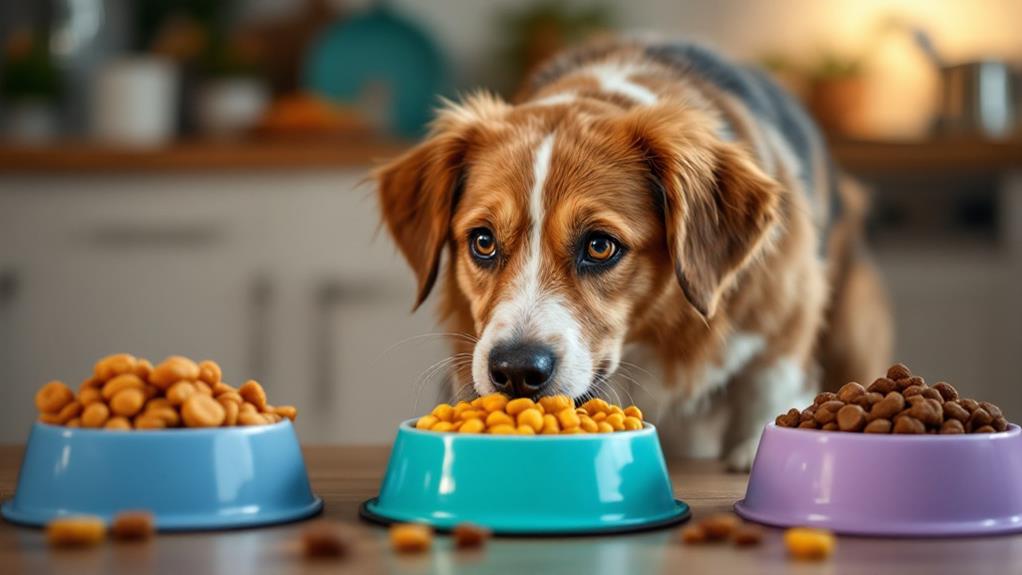
Your dog might be a picky eater due to personality traits, abrupt diet changes, or medical issues like dental problems. Environmental factors such as stress or a chaotic feeding area can also impact their appetite. Overfeeding with table scraps might spoil their taste for regular meals. Ensuring a balanced diet, a calm eating area, and consistent feeding schedules can help. Furthermore, addressing any potential health concerns with a vet is essential. Mixing foods or warming them up might boost appeal. Understanding and adjusting to their needs can lead to improved eating habits and general well-being. Uncover more about these strategies.
Identifying Picky Eating Signs
Spotting the signs of picky eating in dogs can be vital for their health and happiness. You might notice that your dog consistently leaves its food uneaten for more than 20 minutes after being offered. This behavior often indicates a lack of interest in the meal and may be the initial clue that you're dealing with a picky eater. When feeding picky dogs, it's important to pay attention to their appetite. If they enthusiastically accept human food but snub their regular dog food, it signals a preference for more flavorful options.
Another sign of picky eating is when your dog skips meals altogether or shows reluctance to eat for over 24 hours. While this could be due to them being finicky, it also warrants close monitoring in case of underlying health issues. For breeds known for having hearty appetites, like Labradors, exhibiting picky behavior might mean their diet is unappealing or inconsistent. Finally, if you notice changes in your older dog's eating habits, it might be a sign of age-related health concerns or dietary sensitivities. Monitoring these behaviors guarantees that you can address any issues promptly, maintaining your dog's general well-being.
Common Causes of Picky Eating
Understanding the common causes of picky eating in dogs can help you address this frustrating behavior effectively. Sometimes, picky eaters are simply reflecting their personality. Some dogs, just like people, have distinct preferences regarding dog food and eating habits. Certain breeds are naturally more selective, while others, like Labrador Retrievers, often eat heartily without much fuss.
However, picky eating can also signal underlying medical issues. Dental problems or gastrointestinal disorders might lead your dog to avoid eating because of discomfort. If you notice a sudden change in your dog's eating habits, it's wise to consult a veterinarian. They can rule out health concerns that might be affecting your dog's appetite.
Dietary choices play an important role too. Frequent changes in dog food or brand might cause your dog to refuse meals. Consistency is key, so try to stick with a diet that your dog has previously enjoyed. Moreover, overfeeding or giving too many table scraps can spoil their appetite for regular meals, turning them into picky eaters. By identifying these common causes, you can work towards healthier eating habits and guarantee your dog enjoys their meals.
Environmental Influences on Appetite

Besides the causes discussed earlier, your dog's environment can greatly impact their appetite and eating habits. Environmental influences such as distractions and stressors can disrupt your dog's mealtime routine. A chaotic atmosphere or sudden changes, like moving to a new home or losing a family member, may lead to a decline in appetite or picky eating. Ensuring a calm and designated eating area helps create a sense of security, reducing stress and improving mealtime focus.
Establishing a consistent mealtime schedule is critical. By feeding your dog at the same times each day, you reinforce the importance of eating during these designated periods. Leave the food out for just 15 to 20 minutes, and if uneaten, remove the bowls until the next scheduled feeding. This approach encourages your dog to eat promptly and helps combat picky eating.
Consider these environmental strategies:
- Create a Calm Environment: Minimize noise and activity around the eating area to help your dog focus on their meal.
- Stick to Routines: Maintain regular feeding routines to provide consistency and stability.
- Address Stressors: Identify and mitigate any stressors in your dog's environment that may affect their appetite.
Dietary Factors Affecting Appetite
Dietary factors play an important role in your dog's appetite. Ensuring a complete and balanced diet is vital for maintaining their interest in food. If your dog is lacking fundamental nutrients, they might show reduced enthusiasm at mealtime. Sudden changes in diet, like switching brands or food types, can upset their gastrointestinal system, leading to changes in appetite. If your dog's showing selective eating behaviors, it could be due to dietary sensitivities or allergies, prompting them to avoid certain foods.
To keep your dog at a healthy weight, pay attention to the quality of the ingredients in their food. Low-quality ingredients not only affect nutrition but can also impact the taste, making meals less appealing. Consider warming or soaking their food to improve its palatability, which can make it more enticing if they're experiencing a decreased appetite.
Carefully monitor your dog's response to different foods and consult with a vet if you suspect dietary sensitivities. Adjusting their diet with high-quality, nutritious options can greatly improve their eating habits and general health. Remember, a diet tailored to their needs supports a happier and healthier life for your furry friend.
Addressing Health Concerns
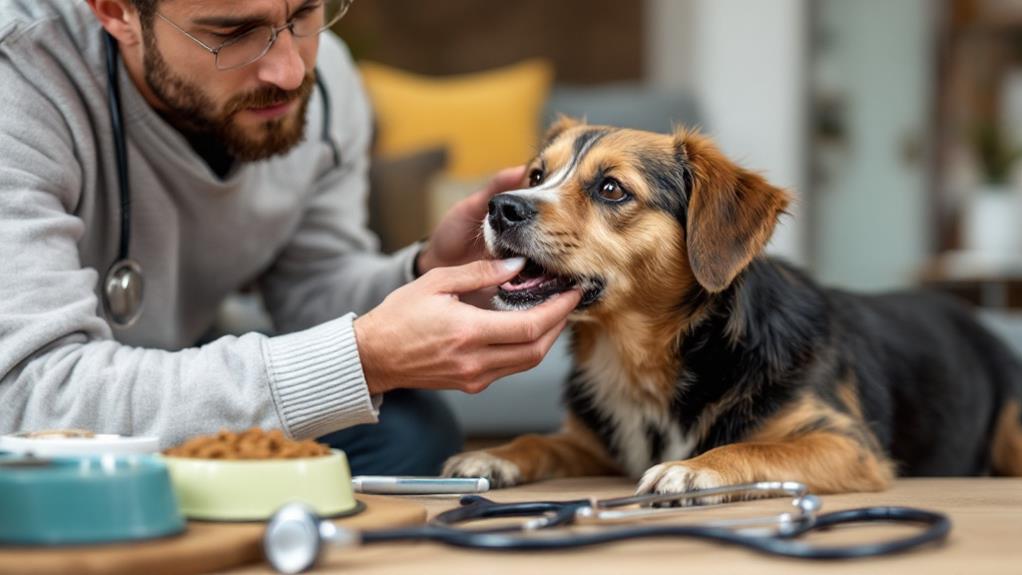
When your dog suddenly becomes a picky eater, it might be signaling underlying health concerns that need attention. Significant appetite changes lasting over 12 to 24 hours could indicate serious issues requiring immediate veterinary consultation. Watch for symptoms like vomiting, diarrhea, or lethargy accompanying their reluctance to eat, as these may point to more serious problems.
In senior dogs, appetite changes can be particularly concerning, as they often signify serious health problems. Missed meals should prompt quick action and a visit to the vet. Poor dental health is another common reason for picky eating. Regular dental check-ups can prevent discomfort and help maintain a healthy appetite.
Timely diagnosis and treatment are essential, as infectious diseases, organ dysfunction, or nutritional deficiencies can severely impact your dog's eating habits. Be proactive in monitoring your dog's eating patterns and consider these potential health concerns:
- Dental Issues: Regularly check your dog's teeth and gums for signs of discomfort.
- Infectious Diseases: Be vigilant about any sudden changes in appetite or behavior.
- Senior Dog Care: Pay extra attention to older dogs, as they're more susceptible to health issues affecting appetite.
Effective Feeding Strategies
Your dog's feeding habits can markedly improve with effective strategies tailored to their needs. Establishing a consistent feeding schedule is essential. Offer food at the same times each day and let it sit for 15-30 minutes. This approach encourages your picky eater to consume their meal promptly before you remove any uneaten portions. Consistency helps set expectations and can reduce anxiety around mealtimes.
Enhance your dog's food appeal by mixing wet food with dry kibble. This simple trick can entice even the pickiest eaters by adding flavor and moisture that make the meal more enjoyable. However, introduce any new foods gradually over a week to avoid digestive discomfort. The slow shift allows your dog's system to adjust without causing any upset.
Designate a quiet, distraction-free space for feeding. A calm environment can greatly reduce stress and help your dog focus on their food. It's also vital to limit giving them human food. Sharing your meals can create a dependency on table scraps, spoiling their appetite for regular dog food. By sticking to these strategies, you'll help your picky dog develop healthier eating habits.
Role of Routine and Environment

A consistent routine is vital in managing your dog's eating habits, especially for picky eaters. By establishing regular feeding times, you help reinforce your dog's diet schedule, making it more likely they'll eat when food is offered. Set a specific time limit, like 15 to 20 minutes for meals, to encourage prompt eating and discourage pickiness. As a pet owner, creating a dedicated eating area is fundamental. This space provides a sense of security and comfort, reducing anxiety and distractions during mealtime.
Consider these strategies to improve your dog's eating environment:
- Interactive Feeding Methods: Use puzzle feeders to stimulate interest and make mealtime engaging, especially for picky eaters.
- Understand Preferences: Pay attention to your dog's favored textures or flavors, leading to more effective feeding strategies.
- Consistent Environment: Maintain a calm, distraction-free area for your dog's meals, promoting better eating habits.
Managing Sensitive Stomachs
While maintaining a consistent routine and environment can greatly improve a dog's eating habits, some dogs face extra challenges like sensitive stomachs that require careful attention. Senior dogs, in particular, are more prone to developing these issues, which can cause sudden changes in their eating behavior. You might notice that a food your dog once loved now seems to cause discomfort, leading to food aversion. When your dog doesn't eat, it might be because their previous favorite meal is now causing digestive problems.
Recognizing signs of a sensitive stomach, such as vomiting or diarrhea, is vital. These symptoms indicate that your dog's current diet may not be suitable anymore. It's important to investigate new food options that cater to sensitive stomachs. Opt for easily digestible foods that can accommodate your dog's specific needs. Switching to such diets can often alleviate discomfort and encourage better eating habits.
Always monitor your dog's reactions to new food options. Keeping track of which ingredients trigger sensitivity will help you tailor a balanced diet that meets their needs. By being attentive and proactive, you can help your dog overcome picky eating caused by a sensitive stomach.
Dealing With Allergies

Do you suspect your dog has food allergies? It's common for allergies to cause your dog to refuse to eat certain foods. Proteins like beef, chicken, or grains often trigger these allergies, leading to uncomfortable symptoms such as itchy skin, rashes, and gastrointestinal issues like vomiting or diarrhea. These reactions can make your pet avoid foods that cause discomfort.
To identify the specific allergen affecting your dog, consider an elimination diet under veterinary guidance. This process involves removing potential allergens one at a time to pinpoint the cause. Once the offending ingredient is identified, you can introduce specialized diets to manage the allergies effectively. Hypoallergenic or novel protein foods are often recommended to restore your dog's appetite and guarantee they receive the necessary nutrition without the risk of allergic reactions.
Here's what you can do if your dog refuses to eat due to allergies:
- Consult a veterinarian: They'll guide you through the elimination diet process.
- Consider hypoallergenic diets: These can prevent allergic reactions and encourage eating.
- Monitor symptoms: Keep an eye on any changes in skin or digestion.
Monitoring and Follow-Up
Keeping a watchful eye on your dog's eating habits is vital for their health. Regular monitoring helps you spot any changes in appetite that might signal underlying health issues. By staying attentive, you can address problems early and seek appropriate solutions.
Start by keeping a food diary to track your dog's eating patterns and preferences. Note what they eat, how much, and any variations in their habits. Over time, this can highlight concerns or trends that may need further investigation.
It's also significant to schedule regular veterinary check-ups. These visits guarantee your dog's nutritional needs are being met and can provide guidance on necessary dietary adjustments. A vet can assess your dog's health and recommend changes if their eating habits suggest an issue.
Additionally, evaluate the quality of your dog's food. High-quality ingredients can positively impact their appetite and overall well-being. If you notice significant weight changes during your monitoring, it might be time for a veterinary consultation to address potential eating behavior issues.