
Which American Dog Breed Is Known as the Gentleman?
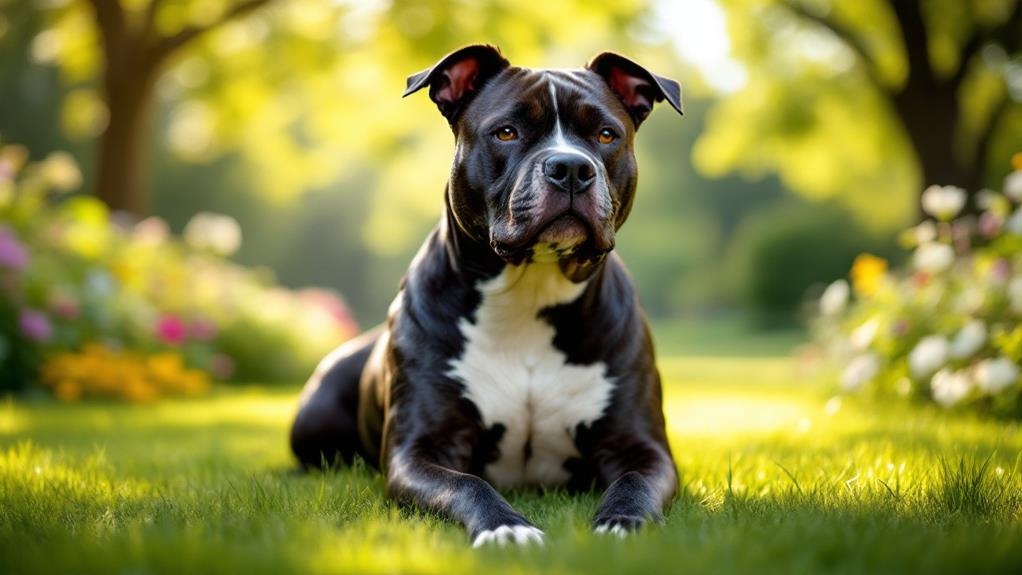
You'll uncover that the Boston Terrier holds the title of "American Gentleman" due to its striking tuxedo-like coat and well-mannered nature. Originating in Boston during the 1870s, this breed emerged from a mix of the English Bulldog and Terrier. Originally bred for pit fighting, it evolved into a beloved companion dog. Officially named the Boston Terrier in 1889, it gained recognition from the American Kennel Club in 1893. Known for its friendly nature and adaptability, it makes an excellent family pet. Curious about what makes the Boston Terrier an ideal household companion? Let's investigate further.
Boston Terrier Origins
Imagine the lively streets of 1870s Boston, where the Boston Terrier initially emerged. This remarkable breed originated around 1870, arising from a unique cross between the English Bulldog and the English Terrier. It was in this vibrant city that Robert C. Hooper played a crucial role by acquiring a dog named Judge, who is considered the foundation of the Boston Terrier breed. Judge was bred with a white bulldog-type female named Gyp, refining the breed's characteristics and setting the stage for its future evolution.
Originally bred for pit fighting, the Boston Terrier quickly shifted into a beloved companion dog, shedding its rough beginnings for a more refined persona. Its distinct tuxedo-like coat earned it the nickname "American Gentleman," a nod to its polished appearance. In 1889, the breed was officially named the Boston Terrier, and just a few years later, in 1893, it received recognition from the American Kennel Club, solidifying its status. Over the decades, the Boston Terrier's popularity soared, and in 1979, it was named the official state dog of Massachusetts, a reflection of its enduring charm and widespread appeal.
Breed Development
Building upon its intriguing origins, the Boston Terrier's breed development showcases a transformation from its original purpose to a refined companion animal. The Boston Terrier breed originated around 1870 in Boston, Massachusetts, when Robert C. Hooper purchased a dog named Judge. Judge, an English Bulldog and English Terrier cross, became a foundational ancestor for the breed. Hooper bred him with a white bulldog-type female named Gyp, setting the stage for the breed's evolution.
Initially bred for pit fighting, the Boston Terrier's progression took a significant turn as its friendly nature emerged. This shift highlighted its affectionate nature, leading to its reputation as a loving companion dog. The breed's development was marked by its distinctive markings, often resembling a tuxedo, earning it the affectionate nickname "American Gentleman."
In 1891, the Boston Terrier Club was established, signifying a growing interest and effort to standardize the breed. Just two years later, the Boston Terrier was officially recognized by the American Kennel Club in 1893. This recognition cemented its status as a beloved companion, renowned for its charm and sociability, and celebrated its transformation from a fighting dog to a quintessential "gentleman."
Recognition and Popularity
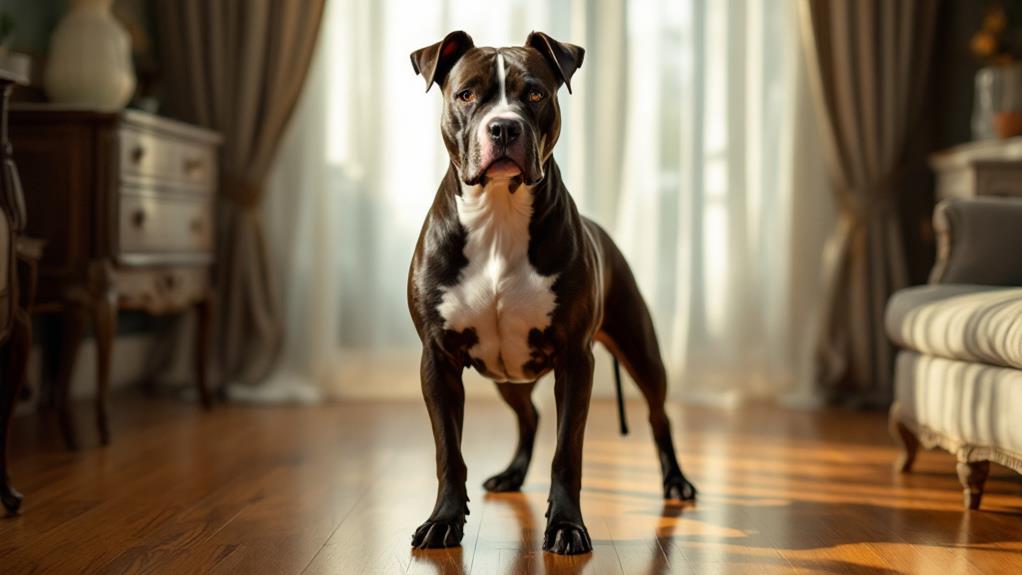
The Boston Terrier's route from its original fighting roots to a beloved companion set the stage for its widespread recognition and popularity. Officially recognized by the American Kennel Club in 1893, the Boston Terrier, affectionately known as the "American Gentleman," quickly became a favorite among dog enthusiasts. Its amiable nature and distinctive tuxedo-like coat have endeared it to countless American households, where it continues to thrive as a cherished pet.
The breed's local significance is evident, as it has been the official state dog of Massachusetts since 1979. This designation underscores the strong cultural ties between the Boston Terrier and the state, further enhancing its popularity. The formation of the Boston Terrier Club in 1891 played an essential role in promoting the breed, ensuring it gained the recognition it deserved.
Beyond the home, these charming dogs have made their mark in academia as well. Serving as the mascot for Boston University since 1922, the Boston Terrier has become a symbol of school spirit and pride, showcasing its enduring appeal. Its progression from a fighting dog to a respected and loved companion is a reflection of the breed's adaptability and charm.
Physical Characteristics
How does the Boston Terrier capture attention so effortlessly? It's all about their striking physical characteristics. Boston Terriers are compactly built, creating a well-proportioned dog that stands out in any crowd. Weighing no more than 25 pounds and standing 15-17 inches tall, they're a small size powerhouse with a brachycephalic breed structure. Their typical blocky head, coupled with a flat face, large dark eyes, and erect ears, gives them a distinctive, expressive look.
The breed's short and generally smooth coat displays a tuxedo-like pattern, improved by Boston Terriers' markings. These necessary markings make them quite the sight:
- White chest - Adds a formal touch to their appearance.
- Muzzle band - Accentuates their facial expressions.
- White band between the eyes - Amplifies their alert, intelligent gaze.
- Exclusion of solid or unlisted colors - Guarantees the classic look remains.
These attributes aren't just for show; they define the Boston Terrier's unique allure. Their compact, muscular frame, combined with their characteristic markings, makes them a true gentleman among dogs. Understanding these physical traits helps you appreciate why this breed is so beloved, both for its appearance and its demeanor.
Coat and Color Variations

When you think of the Boston Terrier, its iconic tuxedo-like coat probably comes to mind. This breed stands out with its distinctive markings, primarily featuring a combination of white with black, brindle, or seal colors. It's this unique pattern that earns the Boston Terrier its "American Gentleman" nickname. The required markings for this breed include a white chest, a white muzzle band, and a white band between the eyes. These specific patterns are key, as the breed standard excludes solid and unlisted colors, ensuring that each Boston Terrier maintains its classic appearance.
The Boston Terrier's short, smooth coat is another defining feature, making grooming a breeze. You won't find yourself spending hours brushing or dealing with excessive shedding like some other breeds. The coat's low-maintenance nature is perfect for those who want a neat-looking pet without much fuss. Moreover, the coat colors can vary in intensity, especially with brindle, which might appear as a light or dark shade mixed with fawn or black. This variation adds a touch of individuality to each dog while maintaining the general recognizable look of the Boston Terrier.
Temperament Traits
Though small in stature, Boston Terriers pack a big personality with their friendly and affectionate nature. You'll find that they are fantastic family dogs, thanks to their gentle nature and their ability to be good with children. They thrive in family settings where they can be part of the action, showcasing their playful demeanor. Here's why Boston Terriers are such beloved companions:
- Keen to Please: These dogs have an innate desire to make their humans happy, which makes them easily trainable. Even if they occasionally show a streak of stubbornness, their enthusiasm generally wins out.
- Protective Instincts: While they're not aggressive, Boston Terriers have a natural inclination to protect their families. They're typically quiet dogs, barking only when necessary, which makes them suitable for apartment living.
- Gentle Nature: Their kind disposition means they get along well with other pets, provided they're socialized from an early period.
- Playful Demeanor: Combining the energy of Terriers with the gentleness of Bulldogs, Boston Terriers are known for their sense of humor and love for play, making them engaging companions for both adults and children.
Living With a Boston Terrier

Living with a Boston Terrier is a delightful experience that brings joy and companionship to any household. These charming dogs enjoy being around people, making them ideal family pets. Their friendly and gentle temperament allows them to get along well with children and other pets, provided they've been properly socialized from a young stage. You'll find that Boston Terriers are generally quiet and only bark when necessary, which is a great advantage if you're in an apartment living situation.
Despite their moderate energy level, Boston Terriers have a playful and energetic nature that requires daily exercise to keep them happy and healthy. A brisk walk or a fun play session in the park can work wonders for their physical health and mental stimulation. Their affectionate behavior will warm your heart as they form a close bond with their family.
Regular grooming is straightforward, focusing on brushing their short coat weekly to minimize shedding and maintain cleanliness. This low-maintenance grooming routine, coupled with their adaptability to apartment living, makes Boston Terriers a perfect choice for those seeking a lively yet manageable canine companion. With the right care and attention, your Boston Terrier will thrive in your home.
Health Issues
Boston Terriers, often referred to as the "American Gentleman," face several health challenges that owners should be aware of. A prominent concern is their breathing issues. As a brachycephalic breed, Boston Terriers are prone to obstructive airway syndrome, making it essential to monitor their breathing, especially during exercise or in hot weather.
Here are key health considerations for your Boston Terrier:
- Health Problems: They commonly experience hip dysplasia, cataracts, patellar luxation, and dermatitis. Regular veterinary check-ups are important for early detection and management of these issues.
- Birthing Complications: Due to their narrow pelvis, about 80% of Boston Terrier litters in the UK require a cesarean section. If you're considering breeding your Boston Terrier, be prepared for potential surgical intervention.
- Average Lifespan: With an average lifespan of around 11.8 years, Boston Terriers may live shorter lives than other breeds. Staying vigilant about their health can help enhance their time with you.
- Obesity-Related Health Issues: They easily gain weight, so regular weight management is critical to prevent obesity-related health issues. A balanced diet and consistent exercise can help maintain their health and well-being.
Paying attention to these aspects can guarantee your Boston Terrier leads a healthy, happy life.
Care and Maintenance

Caring for your Boston Terrier involves a few vital tasks to guarantee they stay healthy and happy. Start with understanding their energy level and exercise needs. While they adapt well to apartment living, they still require moderate exercise. Daily walks are fundamental to maintain their health and manage their energy level. A brisk walk around the block or a quick play session can suffice, keeping them fit and content.
Their grooming needs are minimal, thanks to their short, smooth coat. A weekly brushing will help reduce shedding and keep their coat looking its best. You'll find it easy to manage their grooming needs without much hassle. However, don't forget about regular nail trimming. Long nails can lead to discomfort and even infections, so keep them trimmed to confirm your Boston Terrier is comfortable.
Pay attention to their environment, as Boston Terriers are prone to overheating. Avoid exposing them to extreme heat or cold, and verify they have a cool, comfortable space during warmer months. With proper care and maintenance, your Boston Terrier will thrive, bringing joy and companionship to your life. Keeping these key points in mind will help you provide the best care possible.