
When Should You Take Your Cat to the Vet? Regular Checkups and Signs of Illness

You should take your cat to the vet for regular checkups to catch potential health issues early. Kittens need visits every 3-4 weeks for vaccinations and developmental monitoring. Adult cats benefit from annual exams to confirm they're healthy and protected against diseases. Senior cats, over 11 years of age, require vet visits every six months for age-related health management. Watch for signs of illness like changes in appetite, behavior, or weight, as these could indicate serious health problems needing immediate attention. By staying proactive about your cat's health, you can guarantee a longer, happier life for your furry friend.
Importance of Routine Checkups
Routine checkups are fundamental for keeping your cat healthy and catching diseases early, which can lead to better treatment outcomes. By prioritizing preventive care through regular veterinary visits, you can greatly enhance your cat's overall health. These visits aren't just about addressing visible concerns; they're essential for identifying hidden health issues that your cat might be masking. Cats have a tendency to hide pain, making these routine checkups even more critical.
During annual wellness exams, your vet will perform a thorough head-to-tail assessment, looking for early signs of potential health problems. This proactive approach allows for timely health interventions, often preventing more serious illnesses that could be costly down the line. Vaccinations are a key component of these visits, protecting your cat from severe diseases. Furthermore, dental checks are conducted to maintain your cat's oral health, which is often overlooked but just as important.
Unfortunately, about 40% of cats miss out on these yearly visits, which can lead to undetected health issues. Don't let your cat be part of that statistic—ensure they receive their annual wellness exams to keep them happy and healthy for years to come.
Kitten Care and Vaccination
When you bring home a new kitten, getting started on their vaccination schedule is vital for their well-being. Kittens need multiple vaccinations starting at 6-8 weeks of maturity. These initial shots, including the Feline Leukemia and FVRCP vaccines, protect against serious diseases. You'll need to visit the vet every 3-4 weeks until your kitten is about 16 weeks old to guarantee they get the necessary enhancements. These early vet visits are crucial, not just for vaccinations, but also for establishing a foundation for lifelong health.
During these visits, your vet will likely discuss deworming and parasite prevention. Deworming treatments help protect your kitten from common parasites that can impact their health. It's also a good time to start discussing spaying or neutering, which is generally recommended at 5-6 months of maturity to prevent health issues and unwanted litters.
Here are a few things to remember as you care for your kitten:
- Schedule regular checkups to monitor their development and catch any congenital conditions early.
- Stay on top of vaccinations to shield them from diseases.
- Consult your vet about deworming and parasite prevention.
Prioritizing these steps will help your kitten grow into a healthy adult cat.
Adult Cat Wellness
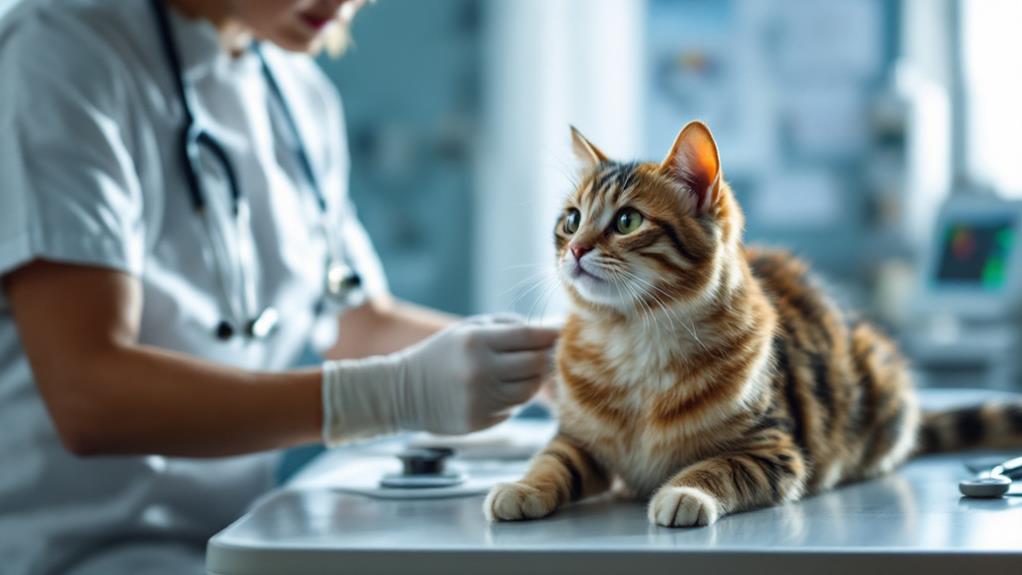
As your cat enters maturity, maintaining their health and happiness becomes a priority through regular wellness exams. For healthy adult cats, ranging from 1-10 years, scheduling an annual vet visit is critical. These routine checkups provide extensive veterinary care, focusing on a thorough physical examination. Your vet will perform a head-to-tail inspection, checking for any signs of health issues, including parasites and dental health problems.
Vaccinations are a key component of these visits, ensuring your cat stays protected against severe diseases. Reinforcement shots are often administered to update their immunity. During these wellness exams, discussions about diet, nutrition, and parasite prevention are fundamental. They help tailor care to your cat's specific needs, potentially preventing chronic health conditions down the line.
If the vet detects any health issues during the exam, they'll recommend further diagnostic tests or treatments. This proactive approach is essential for addressing concerns before they escalate into serious problems. Remember, maintaining an adult cat's routine for vet visits not only monitors their current health status but also sets a strong foundation for their long-term well-being. Regular veterinary care keeps your cat thriving and content.
Senior Cat Health Management
Your cat's needs evolve as they move from adulthood into their senior years, requiring more frequent veterinary attention to maintain ideal health. Senior cats, usually those over 11 years old, benefit greatly from vet visits every six months. These wellness checkups are vital for detecting age-related problems such as joint pain and managing chronic conditions like kidney disease or diabetes.
During these visits, diagnostic tests such as blood tests and urinalysis play an important role. They help identify potential health issues early, allowing for proactive health management. This approach not only improves your cat's quality of life but can also extend their lifespan.
Monitoring subtle changes in your senior cat's behavior, appetite, and mobility is key. These signs can indicate new or worsening health concerns that need attention. By staying vigilant and maintaining regular checkups, you can guarantee that your feline friend remains as comfortable and healthy as possible in their golden years.
- Schedule vet visits: Every six months for wellness checkups.
- Conduct diagnostic tests: Blood tests and urinalysis to catch issues early.
- Monitor behavior: Look for changes in appetite, mobility, and general demeanor.
Signs of Health Issues
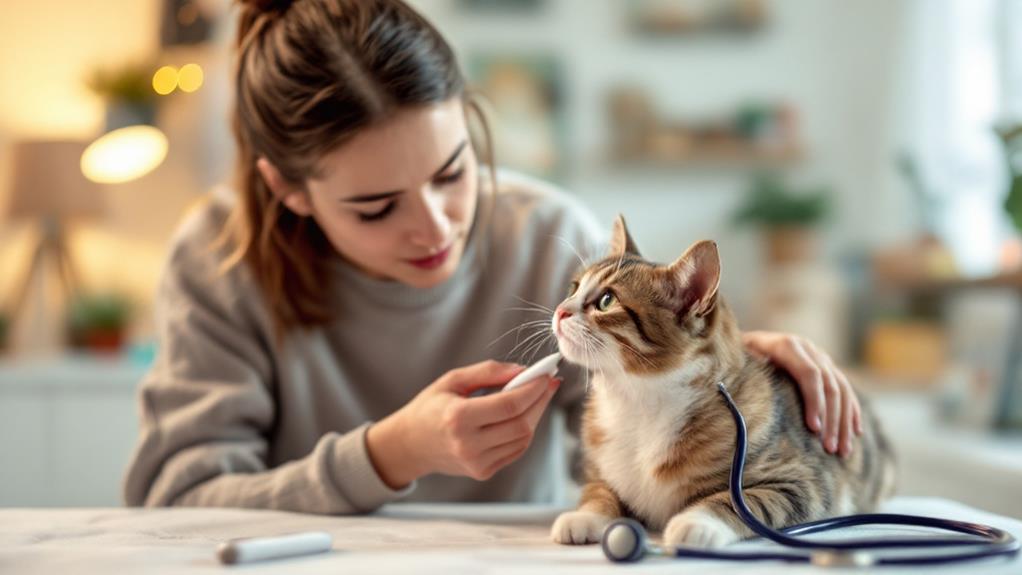
Noticing subtle changes in your cat's habits can sometimes be the initial clue that something's amiss. Keep an eye on their appetite and drinking habits; eating considerably more or less than usual can indicate potential health issues. If your cat seems lethargic or displays noticeable decreases in activity levels, it might suggest pain, illness, or other complications requiring a veterinarian's attention.
Weight changes, regardless of gain or loss, are crucial signs of disease that shouldn't be ignored, as they can signify metabolic disorders or other serious conditions. Furthermore, watch for behavioral changes. If your cat suddenly becomes more aggressive, starts hiding more often, or increases vocalization, these could signal distress or pain, prompting a necessary vet visit.
Vomiting or diarrhea lasting more than 24 hours is another red flag. These symptoms might point to gastrointestinal issues or infections, which necessitate immediate healthcare intervention. Always trust your instincts as a pet owner. If you notice any of these signs, don't hesitate to consult your veterinarian. Early detection and treatment can make a considerable difference in your cat's health and quality of life.