What Are the Six Authentic Japanese Dog Breeds? A Complete Guide
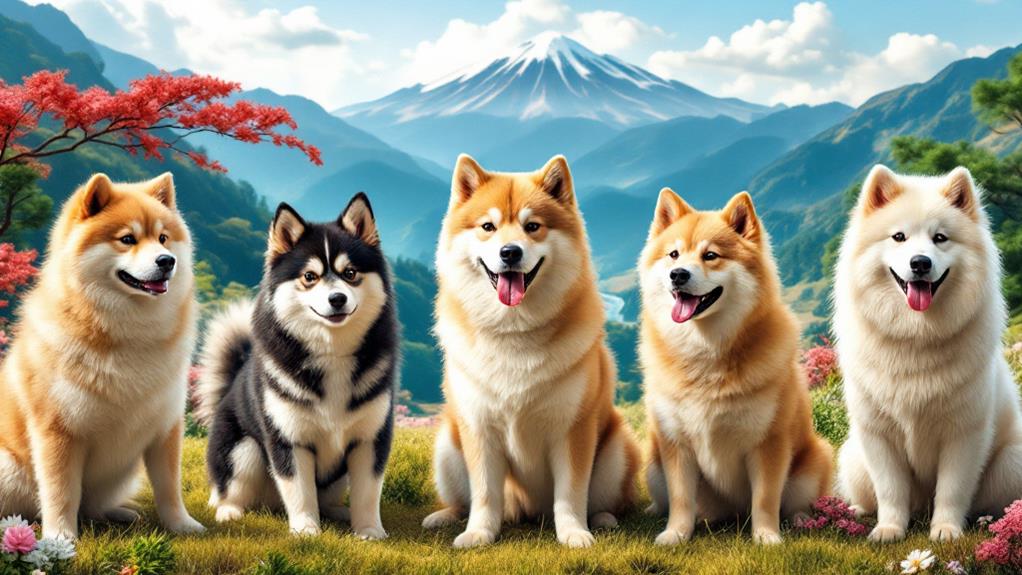
When exploring authentic Japanese dog breeds, you'll find six storied canines: the Shiba Inu, Akita Inu, Hokkaido Inu, Kishu Ken, Shikoku Ken, and Kai Ken. These breeds, revered as Living Natural Monuments, embody Japan's cultural essence. Each has unique traits, like the Shiba Inu's fox-like charm or the Akita's legendary loyalty. The Kai Ken sports a striking brindle coat, earning the nickname "Tiger Dog." Their histories—from hunting to symbolizing values like loyalty—are fascinating. Curious about these breeds' deeper significance and how they reflect Japan's past and present? There's a trove of insights awaiting your exploration.
Overview of Japanese Breeds
In the domain of canine diversity, Japan's native dog breeds stand out for their cultural richness and historical depth. Known collectively as Nihon-ken, these six Japanese dog breeds—Shiba Inu, Akita Inu, Hokkaido Inu, Kishu Ken, Shikoku Ken, and Kai Ken—are celebrated not only in Japan but worldwide. Each breed is a Living Natural Monument of Japan, emphasizing their significance to the nation's heritage and history.
You'll find that each Nihon-ken has unique traits. The Shiba Inu, for instance, is known for its small size and independent nature, making it a charming yet sometimes stubborn companion. The Akita Inu boasts impressive strength and unwavering loyalty, though we'll explore that further later. The Hokkaido Inu, with its robust build, is well-adapted to cold climates. The Kishu Ken is known for its hunting prowess and reserved demeanor. Shikoku Ken dogs are agile and spirited, while the Kai Ken, with its brindle coat, is noted for its bravery.
Preserving these breeds is vital for maintaining Japan's biodiversity and cultural legacy. By understanding and appreciating these Japanese dog breeds, you're helping keep an essential piece of Japan's history alive.
Akita Inu Profile
The Akita Inu captivates with its imposing size and noble demeanor, weighing between 32-45 kg (70-100 lbs) and standing 61-71 cm (24-28 in) tall. As a native Japanese dog breed, the Akita is renowned for its impressive strength and majestic appearance. This breed has a rich history, initially bred for hunting and dog fighting during the Edo period. Despite its past, the Akita is now cherished for its incredible loyalty.
You might recall the famous story of Hachiko, an Akita that waited for his owner every day, even after his passing. This tale of devotion has cemented the Akita's status as a symbol of loyalty in Japan. Their thick double coat, which comes in colors like sesame, red, and white, not only adds to their beauty but also suits them well for colder climates.
Akitas are known to be dominant, so they require firm training and early socialization. Their protective nature makes them excellent guard dogs. Their curled tail and erect ears give them a distinct, alert appearance. Recognized as a natural monument in 1931, the Akita Inu continues to be a valued part of Japan's canine heritage.
Hokkaido Inu Traits
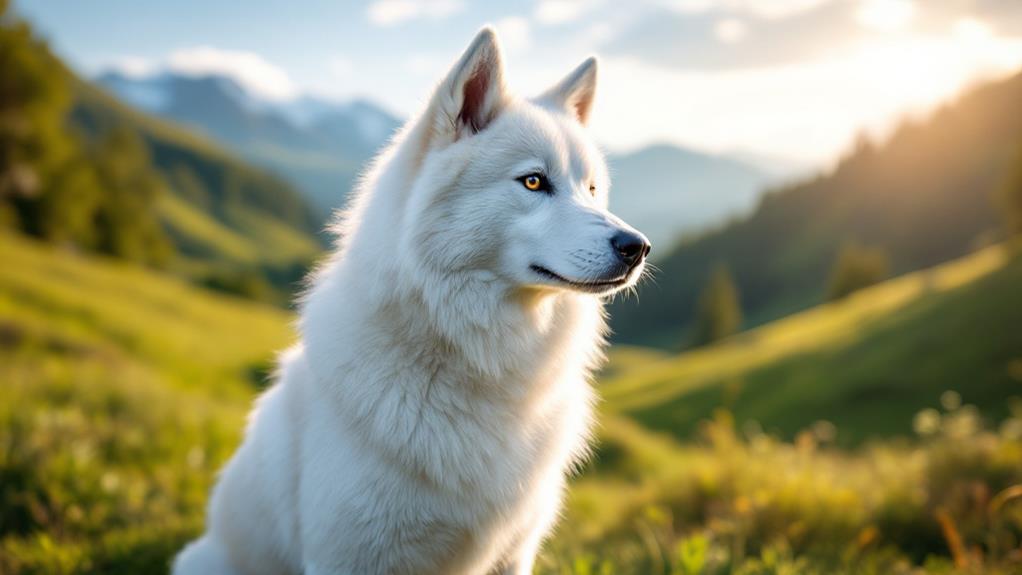
Moving from the noble Akita Inu, you'll find another remarkable Japanese breed, the Hokkaido Inu. Known as the Ainu Dog, this medium-sized breed is muscular with a thick double coat, making it perfectly suited for cold climates. Its coat acts as insulation, allowing it to thrive where other dogs might struggle. Males typically weigh between 20-30 kg and stand around 48 cm tall, while females weigh 15-25 kg and are about 45 cm tall.
The Hokkaido Inu isn't just a pretty face; it's a skilled hunting dog with a long history. It shares a deep connection with the indigenous Ainu people of Japan, who have relied on these dogs since the 12th century for hunting deer and bears. Their loyalty and bravery are unmatched, making them excellent companions for those who appreciate a steadfast friend.
Recognized as a national natural monument in 1973, the Hokkaido Inu is celebrated not only for its resilience and adaptability to harsh climates but also for its friendly nature. This breed is affectionate and forms strong bonds with its owners, offering both protection and companionship in equal measure.
Kai Ken Characteristics
Among the diverse array of Japanese dog breeds, you'll find the striking Kai Ken, often referred to as the "Tiger Dog" due to its distinctive brindle coat. This medium-sized breed stands between 13 to 17 inches at the shoulder and weighs between 10 to 20 pounds, displaying a robust yet agile physique. Known for their high intelligence, Kai Kens are highly trainable but also exhibit a streak of independence. They require a confident owner who can provide effective handling and consistent guidance.
As hunting dogs, Kai Kens possess a strong prey drive and are naturally active and energetic. They thrive with regular exercise, which keeps them mentally and physically stimulated. This breed's keen senses and alert nature make them excellent guard dogs. They are typically wary of strangers, adding an extra layer of protection to your home. However, with their family, they transform into sweet and obedient companions, showcasing loyalty and affection.
Incorporating a Kai Ken into your household means embracing their spirited and watchful nature. With proper training and socialization, you'll find a devoted friend who excels both as a family pet and a vigilant guardian.
Kishu Ken Insights
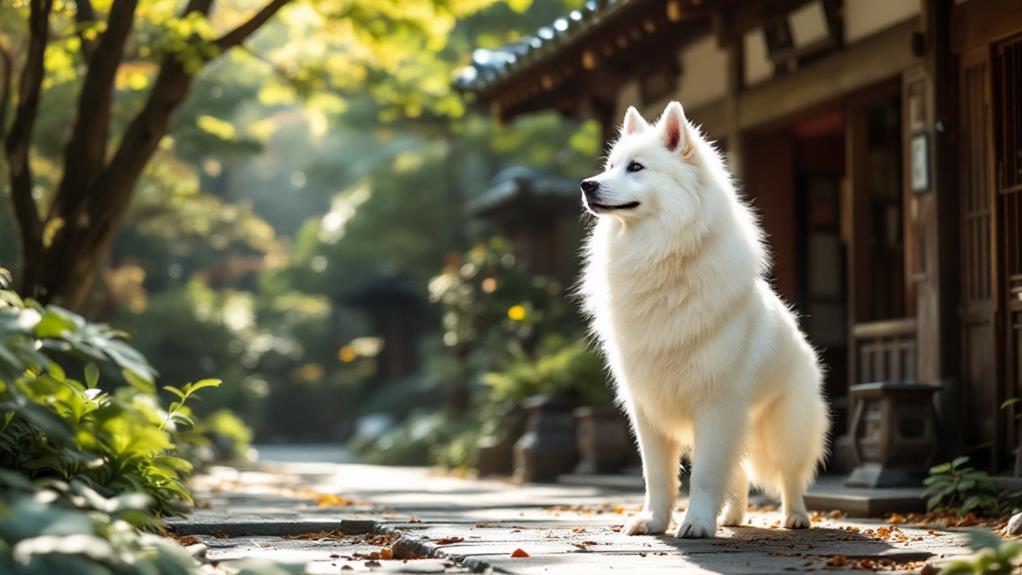
Recognized as a national jewel, the Kishu Ken stands out with its rich history and impressive abilities. As a traditional Japanese breed, it's renowned for its hunting prowess, originally used to track wild boar and deer. Weighing between 14-27 kg (31-59 lbs) and standing 43-55 cm (17-22 in) tall, the Kishu Ken is a medium to large-sized dog, combining strength with agility. This breed's intelligence and bravery make it a loyal companion, forming deep bonds with its owners.
The Kishu Ken boasts a double coat, mainly white, with a hard outer layer and a soft undercoat. This unique coat provides excellent protection against harsh weather, a necessity for its historical hunting role. In 1934, Japan recognized the Kishu Ken as a national jewel and designated it a natural monument, underscoring its cultural and historical significance.
However, owning a Kishu Ken isn't for everyone. Their strong prey drive and independent nature mean they require experienced handling, consistent training, and ample exercise. If you're prepared to meet these needs, you'll find a devoted and intelligent partner in the Kishu Ken, one of Japan's most revered breeds.
Shiba Inu Details
While the Kishu Ken captures attention with its hunting skills and loyalty, the Shiba Inu offers a different charm as the smallest of the Japanese spitz breeds. As a member of the spitz family, this breed stands out with its fox-like appearance, featuring a distinctive curled tail and a dense double coat. You'll find Shiba Inus in a variety of coat colors, including red, black, and sesame, making each one distinctly appealing.
Despite their compact size, Shiba Inus are known for their intelligence and independence. Historically bred for hunting small game in Japan, they possess a strong prey drive, showcasing agility and alertness in their movements. This hunting heritage contributes to their territorial nature, so consistent training and socialization are crucial to curb any stubborn tendencies they might display.
Shiba Inus have gained international fame, largely due to their presence in internet memes, which has propelled them to become one of the most popular dog breeds worldwide. If you're considering adding a Shiba Inu to your family, be prepared for an intelligent companion that requires patience and understanding, ensuring a well-balanced and joyful relationship with these charming Japanese dogs.
Shikoku Ken Features
Elegance and versatility define the Shikoku Ken, a medium-sized Japanese breed that's as agile as it is striking. As a native Japanese breed, the Shikoku stands 43-53 cm (17-21 in) tall and weighs 15-20 kg (33-45 lbs). Its well-muscled build and distinctive curled tail make it a mesmerizing presence. This breed features a double coat that's mainly short-haired, available in striking colors like red, black, and sesame. These features make the Shikoku Ken well-suited for outdoor activities, highlighting its robust nature.
Originally bred for hunting in the Shikoku region, this breed is celebrated for its agility and strong prey drive. It requires regular exercise and mental stimulation to stay happy and healthy. Unlike other Japanese breeds of dog like the Shiba Inu and Akita Inu, the Shikoku Ken is friendlier and more social. It's a fantastic companion for families and outdoor enthusiasts who appreciate its alertness and loyalty.
To guarantee your Shikoku Ken thrives, provide firm leadership and proper socialization. This helps them integrate well into family life. With the right approach, you'll find a loyal, active, and charming companion in the Shikoku Ken.
Acquiring a Japanese Breed
When you've decided that a Japanese breed is the perfect fit for your family, knowing how to acquire one becomes the next step. Acquiring authentic Japanese dog breeds can be challenging outside Japan due to their status as national jewels, often resulting in limited availability. If you're eyeing a Shiba Inu or an Akita Inu, expect to pay between 100,000-300,000 yen for a 2-month-old puppy. However, the costs don't stop there. Exporting involves extra expenses like vaccinations, microchip fees, dog crates, and kenneling fees. You'll also need an export pedigree and complete an Animal Quarantine Inspection.
Before importing a Japanese breed, research the import laws of your destination country. These regulations can vary widely and may affect your ability to bring your new pet home. Airlines also have specific pet policies, so check these in advance to avoid any surprises.
Engaging specialized exporters can be a wise move. They assist in maneuvering the complexities of paperwork, health checks, and quarantine requirements, ensuring a smoother process. Their expertise can be invaluable, especially when dealing with unique challenges associated with importing Japanese dog breeds.
Export Considerations
Exporting authentic Japanese dog breeds is a multifaceted process that requires careful attention to detail. To guarantee a smooth experience, you need to be aware of different export regulations. These rules often include securing appropriate documentation and conducting thorough health checks. It's essential to comply with these requirements to avoid any legal issues.
Shipping costs are another significant factor. They can fluctuate greatly depending on the destination country and airline policies. You must budget for these expenses, which can be high. Furthermore, export costs often include vaccinations, microchips, dog crates, and export pedigrees. These elements contribute to the total expense, so plan accordingly.
Quarantine requirements in the importing country can also impact the timing and logistics of bringing your Japanese dog breed home. Different countries have distinct quarantine laws, and understanding these is necessary for a seamless shift.
Engaging a reputable exporter can simplify this complex process. They can confirm that all legal requirements are met and guide you through each step. By partnering with someone experienced, you can focus on welcoming your new companion while guaranteeing compliance with all necessary regulations. This approach makes obtaining a Japanese dog breed much more manageable.
Japanese Dog Names
Naming your Japanese dog is a delightful adventure that often reflects the rich cultural heritage of Japan. Japanese dog names like Aki and Sora for males often capture nature's beauty, drawing inspiration from seasonal changes and skies. Female names such as Momo, which means "peach," reflect the country's deep appreciation for nature and beauty. These names carry cultural significance, connecting your dog to Japan's unique and storied heritage.
While choosing a name, consider your dog's personality and unique traits. A playful dog might suit the name Kuma, meaning "bear," while a gentle spirit might be better called Hana, meaning "flower." This personal touch creates a bond, making the name more than just a label—it's an expression of identity.
In Japan, the artistry of kanji adds another layer to naming. Writing a name like Ryuu (meaning "dragon") in kanji can give it a deeper, more profound resonance and aesthetic appeal. Adopt this tradition by selecting kanji that resonate with your dog's character, enhancing their identity with a name that honors their cultural roots. Enjoy the expedition of finding the perfect name that embodies your pet's spirit and the beauty of Japanese culture.
Related posts