What Are the Most Intelligent Dog Breeds? A Comprehensive List

When looking for the most intelligent dog breeds, you should consider Border Collies and Poodles, known for their extraordinary ability to learn commands. German Shepherds are also highly intelligent, excelling in roles requiring quick learning. Golden Retrievers are friendly and can master numerous commands, while Doberman Pinschers stand out in protection roles due to their trainability. Intelligent breeds need regular mental stimulation to prevent boredom and behavioral issues. Activities like agility training and puzzle toys keep them engaged. If you're curious about the specifics of each breed and how intelligence manifests in different tasks, there's much more to uncover.
Understanding Canine Intelligence
When you investigate canine intelligence, you'll find it's a fascinating blend of instinct, adaptability, and learned skills. Canine intelligence is typically categorized into three distinct types: instinctive, adaptive, and working & obedience. Each type offers insight into your dog's unique abilities and how they interact with their environment.
Instinctive intelligence reflects a dog's natural ability to perform tasks like herding or retrieving without prior training. This natural ability varies across breeds due to distinct breed characteristics. For instance, herding breeds excel at guiding livestock, while retrievers have an innate fetch instinct. Understanding these traits helps you appreciate your dog's instinctive strengths.
Adaptive intelligence measures your dog's problem-solving skills and their capacity to learn from experiences and adapt to new situations. Dogs with high adaptive intelligence can independently tackle challenges, showing impressive problem-solving skills.
Working and obedience intelligence highlights a dog's training capacity, focusing on learning commands and tasks through human guidance. Some breeds can learn up to 1,000 words or more, showcasing their ability to understand and respond to social cues. By recognizing these facets of canine intelligence, you can tailor your training and interactions to suit your dog's unique capabilities.
Mental Stimulation Needs
For intelligent dog breeds, mental stimulation isn't just a luxury—it's a necessity. Breeds like Border Collies and Poodles thrive on daily mental challenges to keep their problem-solving abilities sharp. Without proper mental engagement, these dogs may develop behavioral issues such as excessive barking, digging, or chewing. This highlights the importance of structured activities that cater to their high energy levels and need for engagement.
Incorporating agility training, scent work, and interactive games into their routine not only fulfills their mental stimulation needs but also strengthens your bond with them. These activities offer a dual benefit by addressing both mental and physical exercise requirements, which are vital for their general well-being. Regularly challenging their minds alongside physical workouts contributes greatly to their longevity and quality of life.
Puzzle toys and obedience training can be excellent tools in providing the necessary mental stimulation. They encourage your dog to think critically and solve problems, keeping boredom at bay. By ensuring your intelligent dog breeds have ample opportunities for mental and physical enrichment, you're fostering a happier, healthier, and more well-adjusted companion. After all, a mentally stimulated dog is a content and well-behaved one.
Top Intelligent Dog Breeds
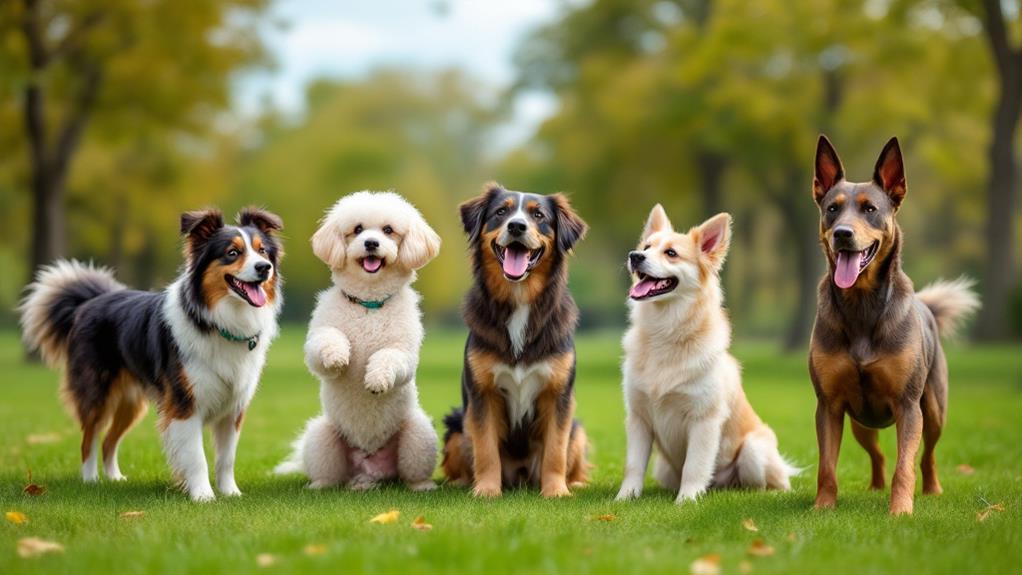
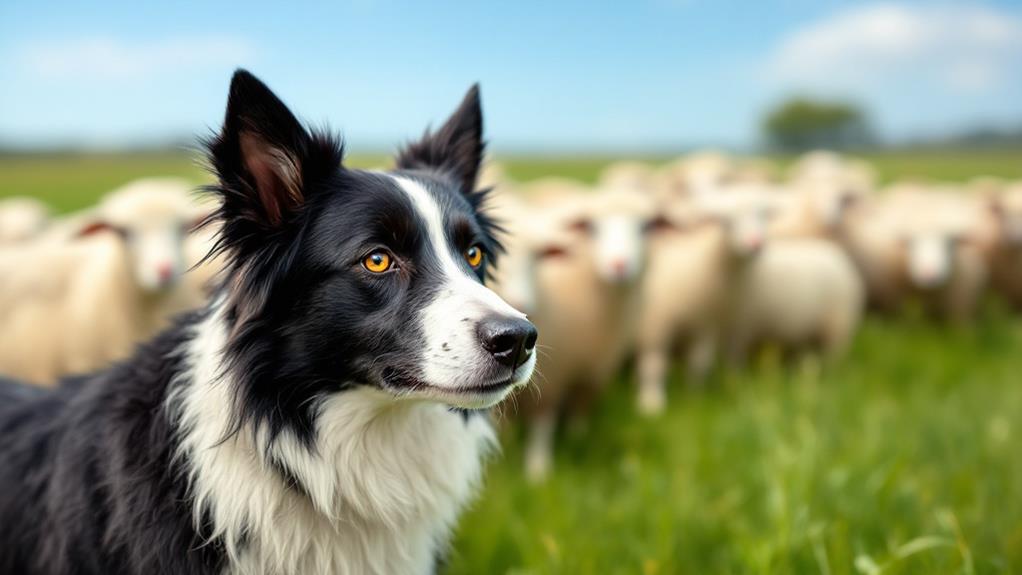
Among the dog world's elite, certain breeds stand out for their exceptional intelligence and versatility. The Border Collie tops the list, renowned as the smartest dog breed. With the ability to understand over 1,000 words, they excel in agility and obedience competitions, making training a breeze. If you're looking for an intelligent and energetic companion, a Border Collie might be the perfect choice.
Next, Poodles, regardless of being standard, miniature, or toy, are highly intelligent and trainable. They shine in different dog sports and have a strong connection with humans. Their versatility makes them excellent all-around companions and smart dog breeds you'll appreciate.
German Shepherds are also remarkable for their intelligence and versatility. They quickly learn new commands, often on the initial try, and are frequently utilized in police and military roles. This breed's adaptability makes them suitable for a range of tasks, including family pets.
Golden Retrievers, known for their friendliness and intelligence, can learn up to 200 commands. They excel in service work and hunting, proving to be great family pets.
Lastly, the Doberman Pinscher is highly trainable and intelligent, perfect for protection roles due to their loyalty and alertness.
Characteristics of Smart Breeds
Smart dog breeds not only impress with their ability to learn commands quickly, but they also bring unique characteristics that make them outstanding companions. These dogs, like the Border Collie, are quick learners with exceptional problem-solving skills, often mastering over 1,000 words. Their intelligence and work ethic make them excel in agility and obedience competitions. Poodles, another prime example, are highly trainable and enthusiastic to please, thriving in diverse dog sports and tasks due to their strong desire to connect with humans.
German Shepherds showcase incredible versatility and loyalty. Their quick learning abilities make them ideal for demanding roles in police and military work. They need consistent training to harness their full potential as affectionate companions. Likewise, Golden Retrievers, known for their friendly demeanor and keenness to please, excel as service dogs and family pets. Their intelligence enables them to learn numerous commands with ease.
Rottweilers, too, stand out for their high intelligence and confidence. They require consistent training and socialization from a young period to become well-rounded, affectionate companions. All these smart breeds thrive on mental stimulation, making them versatile partners in a range of activities.
Training Tips for Smart Dogs
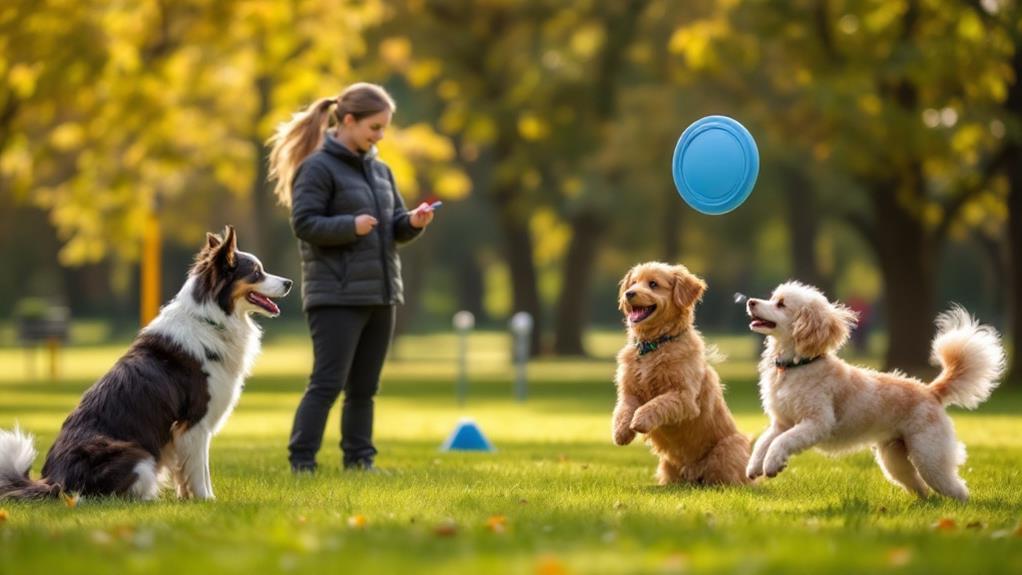
When training smart dogs, it's essential to incorporate mental challenges into their sessions. Intelligent dogs like Border Collies and Poodles thrive on problem-solving activities that keep their minds engaged. To make the most of your training sessions, consider these tips:
- Positive Reinforcement: Use treats or praise to encourage desired behaviors. Intelligent breeds respond well to rewards and are motivated to learn with positive reinforcement.
- Consistent Training: Keep your training sessions short and consistent. Aim for 5-10 minutes each, as smart breeds can get bored with lengthy sessions. This helps maintain their attention and focus.
- Variety of Commands: Introduce a wide range of commands and tricks. Breeds like German Shepherds and Golden Retrievers can learn up to 200 commands, so keep it interesting by teaching new skills regularly.
- Socialization: Expose your dog to different environments and stimuli. This is vital for smart breeds like Doberman Pinschers and Shetland Sheepdogs to develop well-rounded behavior and adaptability.
Independent and Stubborn Breeds
Training independent and stubborn dog breeds can be quite a challenge, but with patience and the right approach, you can achieve success. Breeds like the Afghan Hound and Basenji are known for their strong-willed nature. They often require patient and gentle training methods. Use consistency to guide them towards obedience. These dogs display remarkable problem-solving intelligence, showcasing their independence and, at times, reluctance to obey commands.
Chow Chows, for instance, might need around 80 attempts to learn a command, emphasizing their unique way of thinking. Despite their stubbornness, Russian Wolfhounds (Borzoi) have excellent problem-solving abilities but often resist commands. A gentle approach is essential to coaxing them into cooperation. Likewise, Pekingese dogs, with their high sense of self-importance, need consistent and gentle training to foster obedience.
Mastiffs stand out for their high emotional intelligence. They thrive under positive reinforcement training methods, which help guide their behavior and overcome their stubborn streak. By focusing on their emotional intelligence and using a gentle approach, you can effectively manage these breeds. Remember, understanding their nature and using positive reinforcement are fundamental to overcoming their reluctance to obey.
Scent Hounds and Intelligence

Scent hounds captivate with their extraordinary olfactory prowess, making them unparalleled in tracking abilities. With an exceptional sense of smell, breeds like the Bloodhound can track scents over astonishing distances, sometimes up to 130 miles. Their scent-tracking instincts make them invaluable in search and rescue missions, as they can follow a scent trail for hours or even days, showcasing their problem-solving intelligence. However, their independent nature can pose challenges during training.
Consider these scent hound traits:
- Bloodhounds: Their unmatched tracking ability is vital in search and rescue missions, thanks to their problem-solving intelligence.
- Beagles: Known for their strong scent-tracking instincts, they require consistent training due to their playful and stubborn nature.
- Basset Hounds: Despite their extreme stubbornness, they excel in scent-tracking with their keen noses and gentle disposition.
- Independent Nature: Scent hounds often exhibit independence, making training challenging but achievable with patience.
Training is fundamental for these breeds to harness their intelligence effectively. While their independent nature might make them difficult to train, consistent and patient efforts can help manage their instincts and enhance their potential. Appreciate their uniqueness and watch their incredible abilities unfold.