Ways to Deal With Shedding Cats: Tips for Managing Fur Around the Home
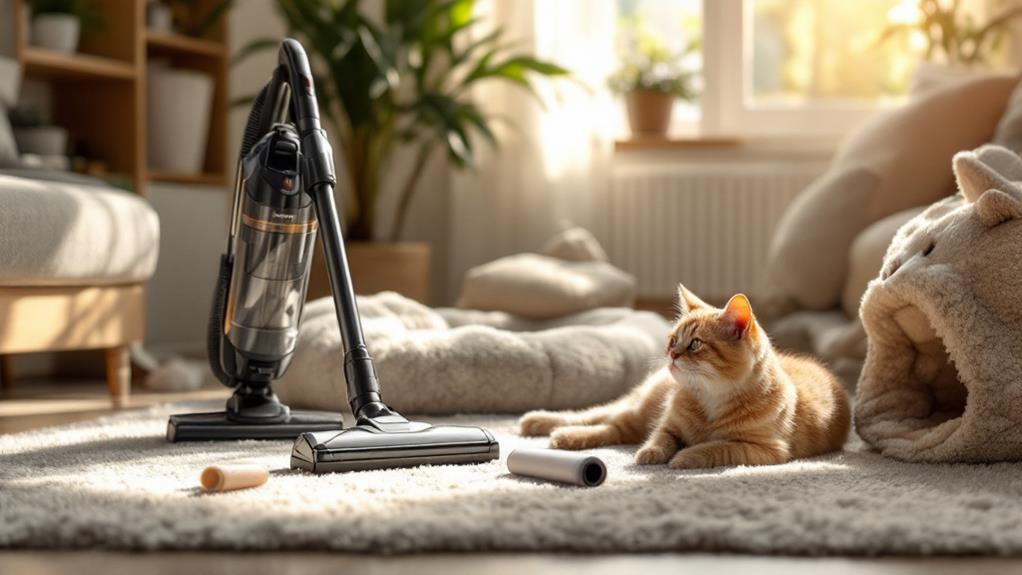
To manage fur from your shedding cat, establish a regular grooming routine with appropriate tools for their coat type. This reduces loose fur and prevents hairballs. Keep your cat's diet rich in high-quality protein and crucial fatty acids for healthier skin and fur. Use a vacuum designed for pet hair and cover furniture with pet-friendly fabrics to simplify cleanup. Lint rollers and squeegees are great for quick fur removal from clothes and surfaces. Consider using air purifiers to lessen dander. Paying attention to any health changes in your cat is key. Investigate further strategies to help keep your home fur-free.
Understanding Cat Shedding
Though it might seem surprising, all cats shed, and it's a natural part of their life cycle. Cat shedding is how they renew their fur, keeping a healthy coat. Long-haired breeds like Maine Coons shed more, especially during seasonal changes, but every cat will lose hair. While shedding is normal, excessive shedding can be a sign of stress, poor nutrition, or underlying health issues.
To manage your cat's shedding effectively, focus on their skin and coat health. A balanced diet rich in Omega-3 and Omega-6 fatty acids is essential. These nutrients support a shiny coat and reduce excessive shedding. Pay attention to any changes in your cat's environment that might contribute to stress, as this can also increase fur loss.
Your home environment matters too. Maintaining ideal humidity and air quality can help minimize loose hair. By keeping conditions stable, you create a balanced cat environment that supports their natural shedding cycle. Always monitor your cat's shedding patterns, and if you notice significant changes, consult your vet. This proactive approach guarantees your cat remains healthy and minimizes the fur around your home.
Effective Grooming Techniques
To effectively manage your cat's shedding, adopt regular grooming as a key strategy. You'll want to incorporate regular brushing into your cat's routine, ideally three times a week. This helps capture loose fur and reduce hairballs, making a significant difference in managing your home's fur situation. When you brush your cat, choose grooming tools that suit their specific coat type. For long-haired breeds, wide-tooth combs work wonders, while rubber brushes are perfect for short-haired cats.
Deshedding tools are invaluable, especially during seasonal shedding periods. These tools are designed to remove a large volume of loose fur quickly, which can be a game changer in keeping your home fur-free. Establishing a consistent grooming routine not only reduces shedding but also helps your cat get used to the process, minimizing stress and enhancing their general coat quality.
Daily grooming sessions can become a bonding activity between you and your cat. They provide an opportunity to strengthen your relationship while keeping shedding under control. By making grooming a regular and enjoyable part of your cat's life, you'll find it easier to manage the shedding and maintain a cleaner home.
Optimize Your Cat's Diet
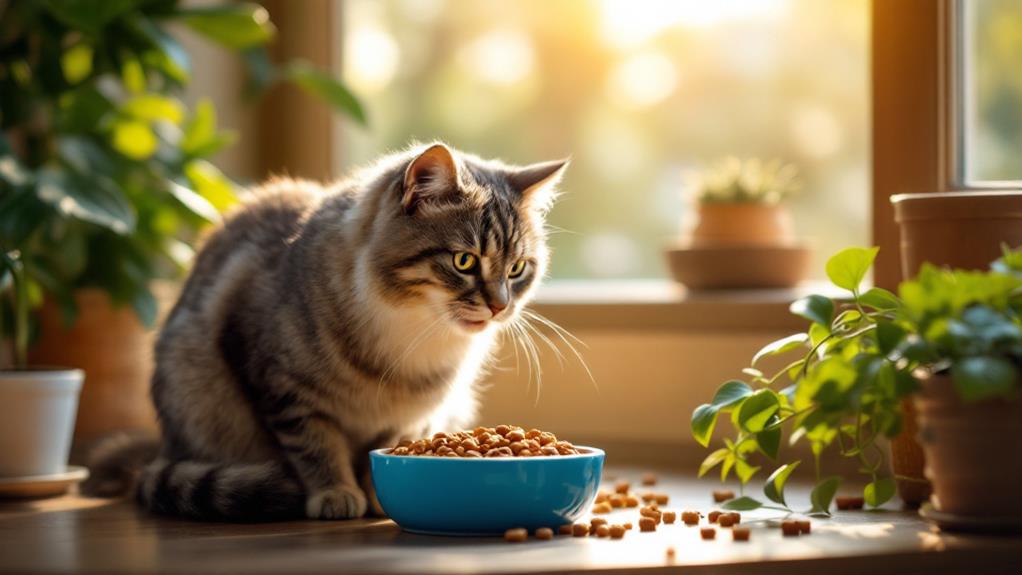
A balanced diet is essential for managing your cat's shedding. To optimize your cat's diet, make sure it's rich in high-quality animal protein, which supports healthy skin and fur. This can greatly reduce your cat's shedding. Including Omega-3 and Omega-6 fatty acids—found in fish oil or flaxseed oil—can improve your cat's coat condition, making it shinier and less prone to shedding.
Hydration is another vital factor in maintaining a healthy coat. Cats often don't drink enough water, so consider offering a water fountain or incorporating more wet food into their diet to increase hydration. This helps keep their skin moisturized and fur healthy, further reducing shedding.
It's significant to consult with a veterinarian to tailor dietary recommendations specifically for your cat. They can identify any nutritional deficiencies and suggest the best diet plan to address shedding issues. If you're switching your cat to a new food, do it gradually. This helps avoid digestive upset while guaranteeing your cat fully benefits from the nutritionally balanced diet. Over time, you'll notice an improvement in your cat's skin and coat health, leading to greatly less shedding.
Home Cleaning Strategies
Managing cat fur in your home doesn't have to be a challenging task if you adopt effective cleaning strategies. Regular vacuuming is essential for managing cat fur, especially when you use a vacuum designed specifically for pet hair. These vacuums can lift embedded fur from carpets and upholstery, keeping your home cleaner. Consider investing in smart vacuums that automate cleaning schedules, ensuring consistent fur removal without needing your constant attention.
Protect your furniture with pet-friendly furniture covers. These covers prevent fur accumulation and simplify cleanup. You can easily remove and wash them, making maintenance a breeze. For those quick touch-ups, keep lint rollers handy. They're perfect for removing cat hair from clothing and surfaces when you're in a hurry or on the go.
Including squeegee tools to your cleaning arsenal can also be a game-changer. They efficiently gather pet hair from different surfaces, including carpets and furniture, making them an effective enhancement. These tools are especially useful for areas your vacuum might miss.
Incorporating these strategies will make managing cat fur more manageable, keeping your home tidy and fur-free with minimal effort.
Identifying Health Concerns
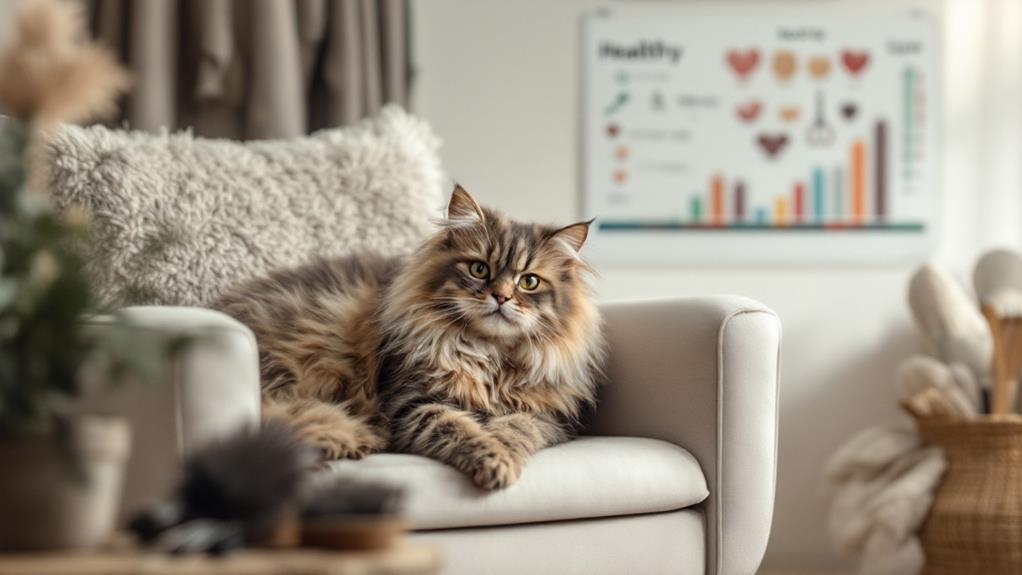
Spotting health concerns in your cat often hinges on noticing changes in their shedding patterns. When you see excessive shedding, dull cat fur, bald patches, or rashes, it's vital to recognize these as potential signs of underlying issues. Conditions like allergies, skin infections, or hormonal imbalances can cause these symptoms, and a visit to a veterinary hospital is advisable for a thorough check-up.
Keep an eye on your cat's grooming behavior. If there's a noticeable increase in licking or scratching, it might indicate skin problems or discomfort. Monitoring these behaviors can help you catch potential issues early. Hair loss accompanied by dandruff can be another red flag, often pointing to skin health issues or allergies. Ensuring your cat has a proper diet and stays hydrated can help, but if the problem persists, seek veterinary guidance.
Additionally, excessive shedding might not be the only symptom of concern. If your cat shows signs like loss of appetite, lethargy, or urinating outside the litter box, it's time to consult a vet. Older cats might also shed more due to grooming difficulties, so keep an eye on their mobility and comfort.
Managing Cat Stress
In regard to managing cat stress, creating a serene environment can greatly reduce shedding. Start by minimizing loud noises and avoiding sudden movements, which can trigger stress in your cat. A calm setting helps your feline feel secure, leading to less shedding. Provide designated spaces like cat trees and hiding spots. These allow your cat to retreat and feel safe, further reducing anxiety and the excessive fur loss that often accompanies it.
Regular interaction and playtime are essential. They strengthen the bond between you and your cat, fostering a sense of security. This emotional connection can greatly calm your pet, helping to reduce stress-related shedding. Pay attention to how your cat interacts with other pets. Ensuring a harmonious environment prevents unnecessary stress and the behaviors that come with it, including increased shedding.
Consider using pheromone diffusers or calming sprays to ease your cat's anxiety. These products can promote a sense of relaxation, which might reduce shedding linked to stress. By creating a calm and supportive environment, you not only improve your cat's well-being but also manage the shedding more effectively, resulting in a happier and more peaceful home.
When to See a Vet
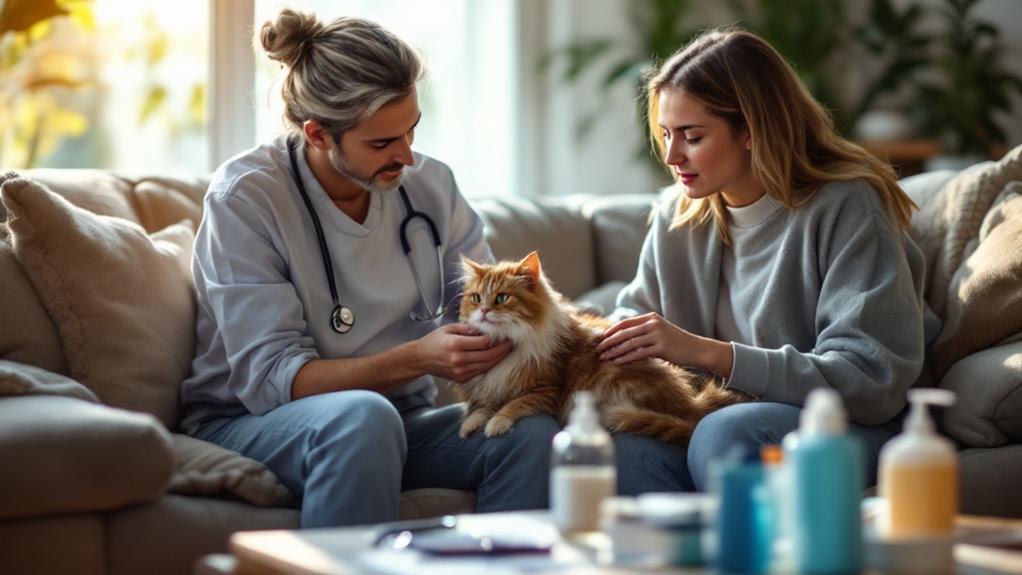
While creating a calm environment can greatly reduce your cat's stress-induced shedding, it's vital to recognize when professional help is needed. If your cat sheds excessively, with dull fur, bald patches, or skin irritation, these signs may indicate a health issue requiring veterinary attention. Here are key indicators that it's time to consult your vet:
- Excessive Shedding and Skin Problems: If your cat's shedding is accompanied by increased grooming or discomfort, such as constant licking or scratching, it could suggest skin problems or allergies. These conditions often need professional diagnosis and treatment.
- Changes in Behavior or Health: Sudden shifts in appetite, energy levels, or bathroom habits, alongside shedding, are potential signs of illness. A vet can help determine if these changes are linked to a health issue affecting how cats shed and grow their fur.
- Persistent Skin Issues: Dandruff or skin issues that don't improve with grooming or dietary changes should prompt you to seek veterinary advice. Regular check-ups are important for monitoring your cat's overall health, including skin and coat conditions, to address any shedding concerns early.
Don't hesitate to seek veterinary guidance to guarantee your cat's well-being.