Vizsla: The Versatile and Loving Hungarian Dog
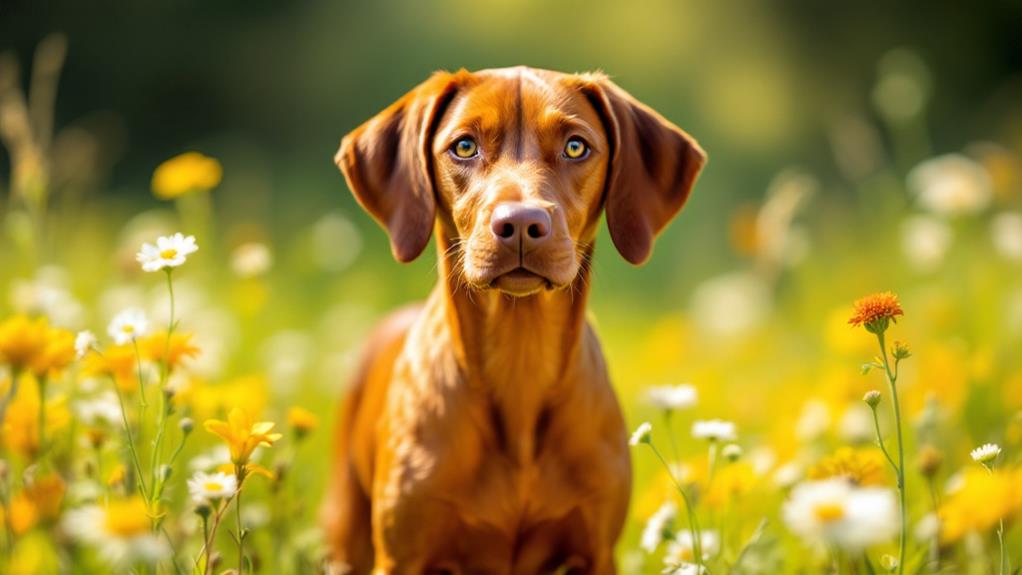
You'll uncover that Vizslas are versatile, affectionate dogs, deeply connected to their Hungarian roots. As natural-born hunters, they combine agility and speed with a strong family bond. Known for their distinctive russet-gold coat and expressive amber eyes, Vizslas are medium-sized with a graceful build. They crave human interaction and need substantial daily exercise to stay content and avoid boredom. Their sensitivity and intelligence make them quick learners, thriving on positive reinforcement. Minimal grooming is required, but regular ear and dental care are crucial. For those keen to welcome a loyal, active companion, the Vizsla offers much more.
Origins and History
The Vizsla's roots stretch back over a thousand years, originating from the native hunting dogs of the Magyar tribes in Hungary. These versatile hunting dogs were cherished by Hungarian nobility, who refined the breed into an all-purpose gundog. The Vizsla's adaptability and keen hunting abilities made it a favorite for tracking and retrieving game. The breed's initial documented appearance can be traced to the 1300s in the Illustrated Vienna Chronicle, which vividly depicts hunts featuring these impressive dogs.
Despite its noble lineage, the Vizsla faced near-extinction twice. In the 1800s and again during World War II, the breed's population dwindled drastically. After the war, dedicated enthusiasts in Hungary managed to revive the Vizsla from a mere dozen purebred individuals. This resilience is a demonstration of the breed's enduring appeal and significance in hunting dog history.
In 1960, the Vizsla's expedition from near-extinction to international recognition was solidified when the American Kennel Club officially recognized it as the 115th breed. The formation of the Vizsla Club of America played an essential role in supporting the breed's health and promoting its versatility, securing its place in canine history.
Physical Traits
Standing out with its unique physical traits, the Vizsla charms admirers with its medium-sized, athletic build. Males typically stand between 22-24 inches tall and weigh 55-60 pounds, while females range from 21-23 inches tall and weigh 44-55 pounds. This breed's lean, athletic physique is both agile and fast, allowing them to reach speeds up to 40 mph (65 km/h). These characteristics make Vizslas perfect companions for active individuals who appreciate a dog with stamina and strength.
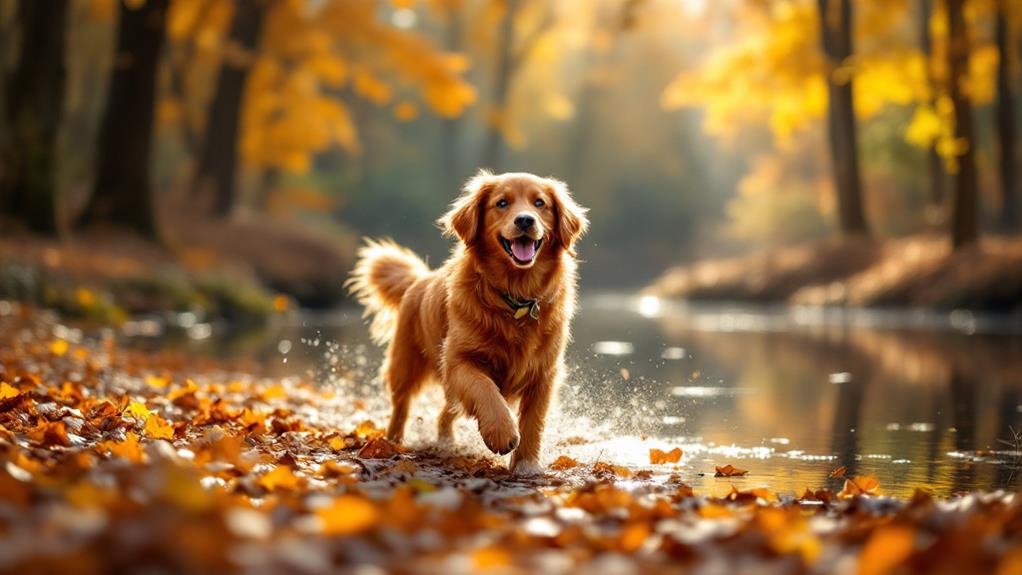
The Vizsla's distinctive russet-gold coat is short, smooth, and shiny, requiring minimal grooming. With no undercoat to manage, maintaining their sleek appearance is easy, making them an ideal choice if you're looking for a low-maintenance pet regarding grooming. Their long, silky ears amplify their affectionate and sensitive appearance, adding to their charm and appeal.
When it comes to puppies, Vizslas are born with striking blue eyes that gradually evolve to an enchanting amber by the time they reach two years old. This unique trait adds to their already engaging presence and guarantees that their physical allure remains strong throughout their lives.
Temperament and Behavior
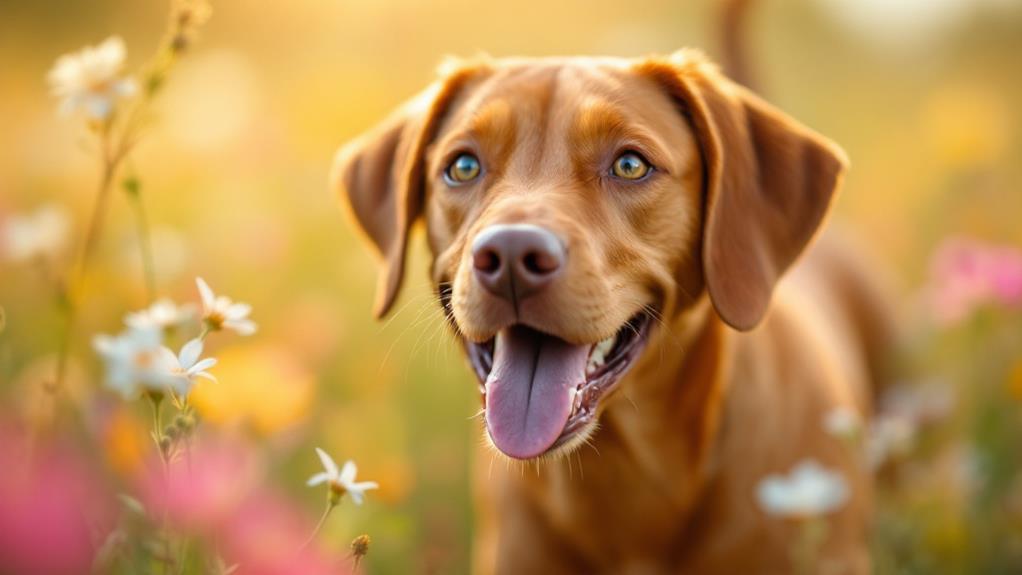
Brimming with affection, Vizslas forge deep connections with their families, often craving close physical contact. These dogs are incredibly sensitive and can easily pick up on the emotions of those around them, enhancing their role as loving companions. However, their affectionate nature means they're also prone to separation anxiety if left alone for long periods.
To keep your Vizsla happy and healthy, it's vital to cater to their high energy levels. They thrive on 1-2 hours of daily exercise, which helps prevent boredom and any potential destructive behavior. This breed's intelligence means they respond well to positive reinforcement training methods, making early socialization a priority to guarantee a balanced temperament.
Here's what you can expect:
- Affectionate and sensitive: Forms strong bonds and needs close interaction.
- High energy levels: Requires ample daily exercise to stay content.
- Prey drive: Natural hunters, they may chase small animals without proper training.
- Intelligent: Benefits greatly from consistent, positive training.
- Socialization is key: Early exposure to different environments and experiences is vital.
Due to their inherent prey drive, Vizslas need consistent training and supervision to prevent them from running off, safeguarding their safety and well-being.
Care and Maintenance
When caring for a Vizsla, you'll need to prioritize their physical and health needs to keep them happy and thriving. Vizsla puppies and adults alike require regular physical activity, ideally 1-2 hours daily, to prevent behavioral issues related to their high energy levels. Without sufficient exercise, you might notice restlessness or destructive behavior.
Grooming a Vizsla is straightforward due to their short, sleek coat. They require minimal grooming, just occasional brushing to manage seasonal shedding and keep their coat healthy. Alongside grooming, regular ear checks are important. Use mild cleaning solutions to prevent infections and keep their ears free from dirt and irritation.
Daily dental care is significant for your Vizsla's general health. Incorporate brushing and routine preventive medications into their care to maintain their dental health and extend their longevity.
Regular veterinary check-ups are crucial, including health tests for conditions like hip dysplasia and eye disorders. These check-ups help monitor and guarantee your Vizsla's well-being. Staying on top of their health needs will guarantee your Vizsla lives a long, happy life by your side, showcasing their versatile and loving nature.
Training Essentials
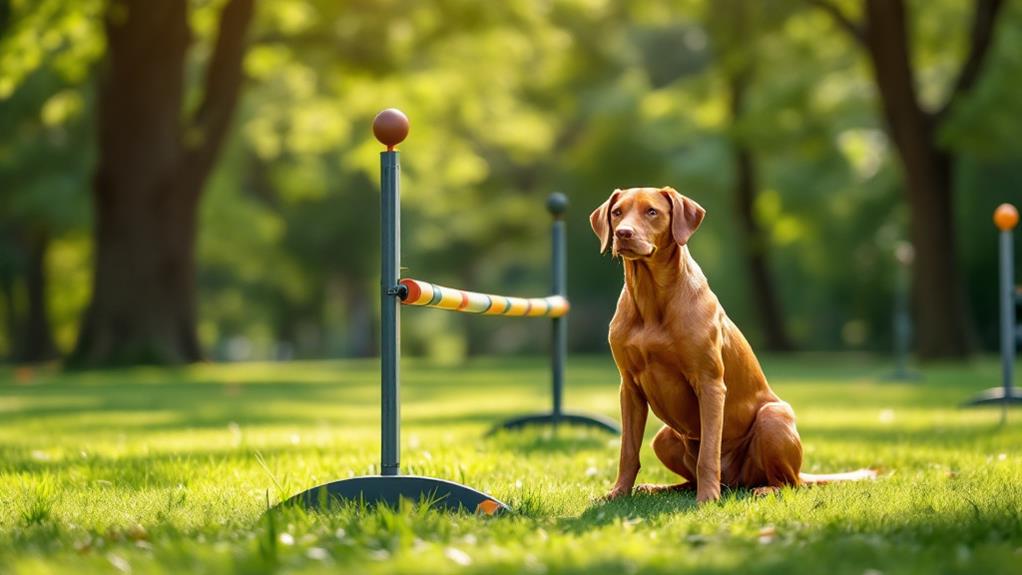
Training a Vizsla is a rewarding endeavor that taps into their intelligence and enthusiasm to please. To raise a well-rounded companion, focus on early socialization. Expose your Vizsla to diverse environments, people, and other animals. This prevents anxiety and stubbornness, ensuring they grow into confident adults. Use positive reinforcement methods—praise, treats, and affection work wonders. Vizslas don't respond well to harsh corrections, so keeping it positive is essential.
Regular training sessions provide mental stimulation, curbing boredom and destructive behavior. Establish consistent routines to assist in behavioral management, helping your Vizsla understand expectations. Consistency is key to managing separation anxiety, a common issue in this breed.
Engage in dog sports to strengthen your bond and provide physical and mental exercise. Vizslas excel in activities that challenge both their bodies and brains. Consider incorporating the following into your training routine:
- Agility courses: Perfect for their energetic nature.
- Obedience classes: Reinforce commands and improve focus.
- Fetch and retrieval games: Utilize their hunting instincts.
- Swimming sessions: Great for low-impact exercise.
- Tracking exercises: Stimulate their keen sense of smell.
With dedication, you'll cultivate a happy, well-trained Vizsla.
Health Concerns
With the ownership of a Vizsla comes the responsibility of understanding their potential health concerns. These affectionate and sensitive dogs are prone to several health issues. Hip dysplasia is common, so regular vet check-ups and specific health tests like hip evaluations are vital. As Vizslas grow older, they have an increased risk of developing cancer, particularly types like lipoma and lymphoma. Early detection through vigilant observation and consistent veterinary visits is important for managing such conditions.
Autoimmune conditions and seasonal allergies can also affect Vizslas, manifesting as itching or ear infections. Being observant of these symptoms helps in addressing any underlying health problems promptly. It's advisable to engage in regular health tests, including thyroid function and ophthalmological assessments, due to their genetic predispositions.
When looking to welcome a Vizsla into your home, always choose responsible breeders. They perform thorough health screenings on parent dogs, which minimizes heritable health issues. By prioritizing these practices, you're ensuring a healthier start for your Vizsla. Remember, providing consistent care and attention to potential health concerns not only safeguards their well-being but also strengthens your bond with these loving companions.
Popularity and Companionship

Understanding a Vizsla's health needs is only part of what makes them such cherished companions. Their rising popularity as a family pet highlights their affectionate and loyal nature. Ranked 35th among 201 AKC breeds, the Vizsla is becoming a top choice for active households. Their ability to form strong bonds with their owners makes them ideal companions, especially for families with children.
A Vizsla's companionship isn't just about emotional connection; it's about shared activities and engagement. These dogs thrive on exercise and outdoor activities, needing at least two hours of daily physical activity to maintain their well-being and prevent behavioral issues. Their adaptable nature means they can fit into diverse living environments, provided you have time and energy to meet their needs.
Consider these aspects of the Vizsla's charm:
- Affectionate and loyal, creating deep bonds with their family.
- High energy levels, perfect for active families who enjoy outdoor adventures.
- Sociable demeanor, suitable for interactions with older children.
- Adaptability, allowing them to adjust to different living situations.
- Companionship-driven, thriving when they're engaged and included.
Choose a Vizsla if you're ready for an energetic, affectionate, and loyal family pet.
Considerations for Ownership
Owning a Vizsla isn't just a casual commitment; it's a lifestyle choice that requires careful consideration. These versatile dogs have high energy levels and need at least 1-2 hours of daily exercise. If you're not prepared to meet these exercise requirements, a Vizsla might not be the best fit. They're perfect companions for active families or individuals who enjoy running, hiking, or other outdoor activities. Neglecting their need for physical activity can lead to behavioral issues, so it's vital to incorporate exercise into your routine.
Socialization is another significant aspect of Vizsla ownership. Early socialization and consistent, positive reinforcement training help them develop a well-adjusted temperament. Without it, these dogs might become anxious or stubborn. Their strong bond with family means they thrive on companionship, and being left alone for too long can lead to destructive behaviors.
Despite being a healthy breed, regular veterinary check-ups are important. Vizslas can be prone to conditions like hip dysplasia, epilepsy, and cancer, affecting their 12-14 year lifespan. Minimal grooming is required, but don't skip ear checks and dental care to maintain their general health. Remember, ownership considerations are vital for a happy, healthy Vizsla.