Types of Flea Treatments for Cats: What Works Best for Your Feline
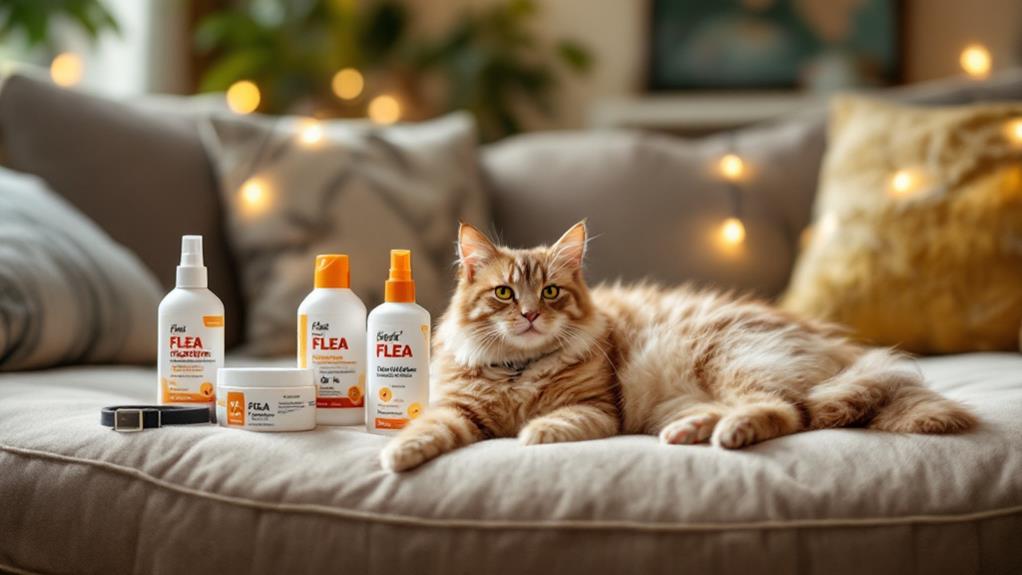
Choosing the right flea treatment for your cat involves understanding different options. Topical solutions like Advantage II and Bravecto offer quick relief and long-term protection. Oral medications such as CAPSTAR provide fast action, effective within 30 minutes. Flea collars like Seresto give up to eight months of continuous prevention. Shampoos and sprays can kill fleas on contact, though they lack lingering effects. Consider herbal remedies but always consult your vet initially. Combining treatments can improve effectiveness, and regular environmental cleaning is key. Vet advice is invaluable for tailored solutions, and there's more to investigate in keeping your feline flea-free.
Understanding Flea Infestations
Have you ever wondered how quickly a flea infestation can take hold? The answer might surprise you. Fleas undergo a life cycle with four stages: egg, larva, pupa, and adult. Under ideal conditions, this cycle can be completed in as little as two to three weeks. Adult fleas, which live on your pets, are prolific breeders and can lay up to 50 eggs a day. These eggs often fall off your pet and into the environment, particularly in areas where your furry friend spends a lot of time, such as beds and furniture. This rapid reproduction can lead to significant flea infestations before you even realize there's a problem.
Interestingly, many cats can carry fleas without showing visible symptoms. However, they might suffer from discomfort, itching, and health issues like flea allergy dermatitis. This condition can cause excessive grooming and even lead to skin infections. Furthermore, fleas can transmit tapeworms to cats if they ingest infected fleas. As a result, understanding and addressing flea infestations swiftly is vital for preventing these complications. Regular vacuuming and washing of pet bedding are fundamental steps in managing flea populations and keeping infestations from spiraling out of control.
Topical Solutions
Recognizing the urgency of addressing flea infestations is vital, and topical solutions offer a practical approach to managing this problem. These treatments are applied directly to your cat's skin, providing targeted action to kill adult fleas and disrupt the flea life cycle. Choosing the right option can feel overwhelming, but understanding your choices will help.
Here are three points you should consider about topical flea treatments:
- Effectiveness: Products like Advantage II work quickly, killing adult fleas and preventing future infestations within hours to days. This immediate action helps reduce discomfort for your cat and minimizes the risk of a full-blown infestation in your home.
- Longevity: Bravecto stands out for its long-lasting protection, requiring only one application every three months. In contrast, Advantage II needs monthly reapplications to maintain effectiveness, making it important to keep track of application schedules.
- Safety: These topical solutions are generally safe for adult cats and kittens over eight weeks old. However, always verify that the product is specifically formulated for felines to avoid any potential toxicity.
Regular use of topical flea treatments is necessary, especially in high-risk environments, to guarantee continuous protection for your cat.
Oral Medications
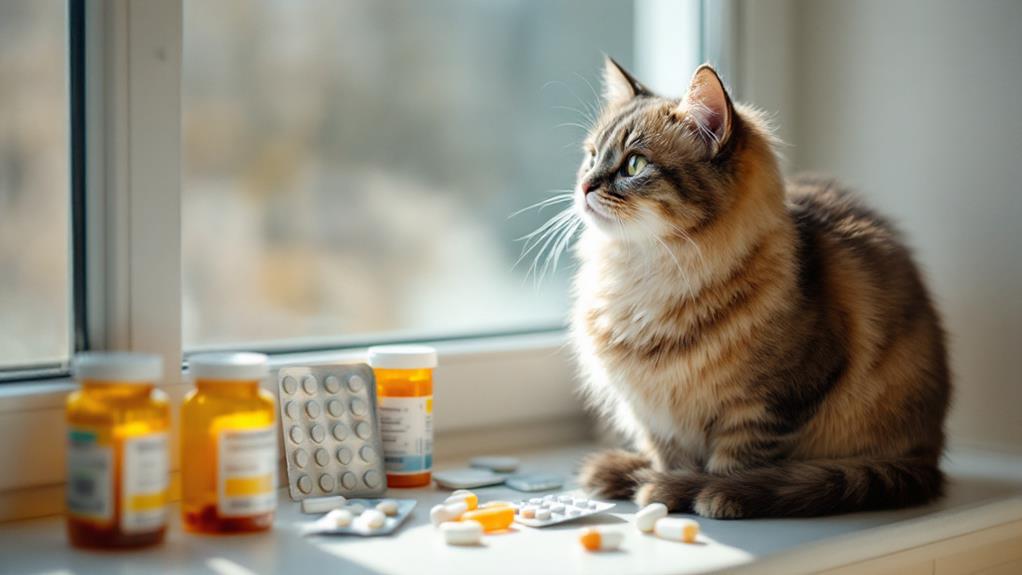
When dealing with pesky fleas, oral medications for cats frequently offer a fast and effective solution. Oral treatments like CAPSTAR start working within 30 minutes, providing quick relief for cats weighing over two pounds. This option is ideal for immediate flea control but doesn't prevent re-infestation. For ongoing protection, you might consider oral treatments with active ingredients that are administered monthly, such as Comfortis. This medication kills fleas rapidly and offers a full month of protection.
Simparica Trio is another popular choice, especially if you want thorough coverage. This chewable tablet not only tackles fleas but also protects against ticks, intestinal parasites, and prevents heartworm disease. It's a prescription medication, so consulting your vet is crucial. They can help confirm it's the right fit for your cat, especially if they're a kitten or have existing health conditions.
Oral treatments are effective in breaking the flea life cycle, particularly when combined with topical or environmental measures. They can be a convenient option, as you won't have to handle messy applications. Always consult your veterinarian to determine the best oral treatment for your feline's needs and guarantee safe dosing.
Flea Collars
Flea collars, like the Seresto Flea and Tick Collar, offer a long-lasting solution for keeping pesky fleas and ticks at bay. They provide up to eight months of continuous protection, making them a convenient choice for flea control. Many flea collars gradually release insecticides that repel and kill adult fleas upon contact, guaranteeing effective prevention. However, bear in mind that flea collars should complement other treatments for ideal results.
When considering flea collars for your cat, keep these significant points in mind:
- Choose Wisely: Not all flea collars are created equal. It's vital to select one specifically designed for cats to avoid harmful ingredients that might be present in collars meant for dogs or other animals.
- Inspect Regularly: To maintain effectiveness and prevent irritation, regularly check the collar for wear and verify it fits properly. An ill-fitting collar can cause discomfort and reduce its flea control capabilities.
- Combine Treatments: While flea collars offer continuous protection, using them in combination with other treatments like topical solutions or oral medications improves general flea control.
Flea Shampoos and Sprays
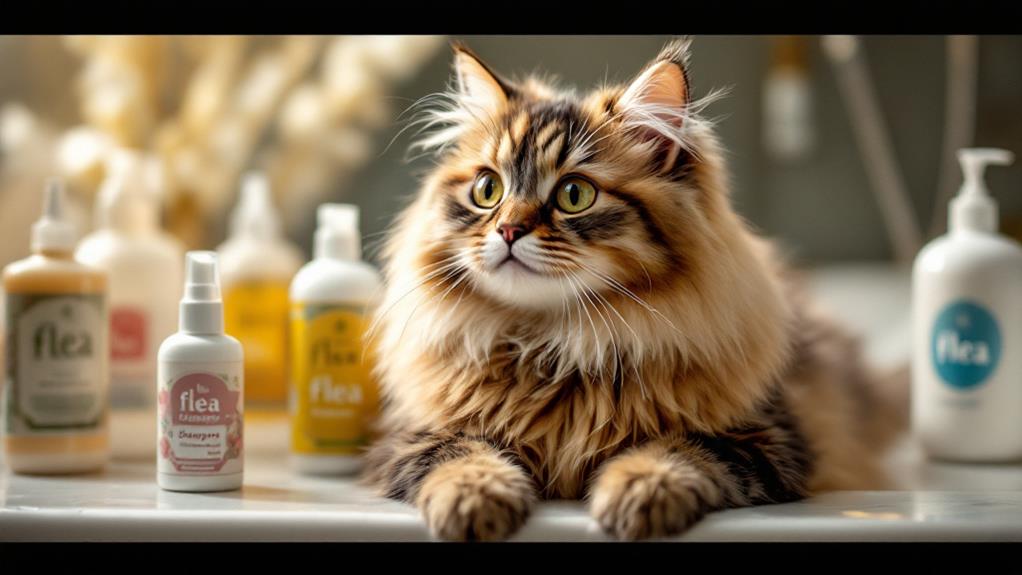
Among the diverse flea control options, flea shampoos and sprays stand out for their immediate action against these pesky parasites. Flea shampoos kill fleas on contact, making them an excellent choice for an instant solution to a sudden flea invasion. However, they don't offer long-term protection, so they're best used alongside other preventative treatments. When choosing a flea shampoo, verify it's cat-specific, as some shampoos contain pyrethrins or permethrin, which are effective but can be toxic if misused.
Flea sprays, on the other hand, serve dual purposes. Not only can they be applied directly to your cat, but they also target fleas in the surrounding environment. These sprays provide a residual effect lasting up to seven months, which helps in controlling the flea population over time. Remember, it's vital to select cat-specific flea sprays to avoid harmful ingredients that are safe for dogs but not for felines.
When using flea shampoos, you'll need to rinse thoroughly, and you might have to repeat the process every few weeks, especially during heavy infestations. Combining these cat-specific flea treatments guarantees your feline friend stays comfortable and flea-free.
Environmental Control
Combatting fleas effectively means taking the battle indoors, as a staggering 95% of infestations occur inside the home. To tackle this, implementing environmental control is essential. Start by focusing on regular vacuuming. This simple action can do wonders in eliminating flea eggs and larvae from carpets, soft furnishings, and pet bedding. Just remember, it's imperative to dispose of vacuum bags immediately to prevent re-infestation.
Next, consider washing your pet's bedding in hot water. This not only kills flea eggs but also pupae, making it a significant part of your extensive flea control strategy. While washing, verify you're thorough and consistent for the best results.
Finally, don't overlook the power of flea sprays or powders designed for your living area. Many of these products can treat and prevent infestations effectively, with some lasting up to seven months. This provides a long-term solution that complements your other efforts.
Here's a quick recap to keep you on track with environmental control:
- Vacuum regularly: Get rid of flea eggs and larvae.
- Wash pet bedding: Use hot water to kill any remaining pests.
- Use flea sprays or powders: Treat and prevent future infestations.
Herbal and Natural Remedies

Exploring herbal and natural remedies offers an alternative approach to managing fleas on your cat. Crucial oils like lavender, cedarwood, and peppermint can be effective, but you must use caution. Cats can be sensitive to these oils, and improper use might harm them. Always dilute crucial oils before application and consult your vet to guarantee safety.
Diatomaceous earth is another natural remedy to reflect upon. This powder, made from fossilized algae, can be sprinkled in areas where fleas are present. It works by dehydrating and killing adult fleas on contact. However, avoid using it directly on your cat's skin to prevent irritation.
Apple cider vinegar, when diluted with water, can serve as a natural flea repellent. You can spray it onto your cat's coat, but don't use it on open wounds or if your cat is sensitive to vinegar.
Neem oil, known for its insecticidal properties, can also help repel fleas. Dilute it properly and apply it topically, but avoid using it on kittens under 10 weeks old. Herbal flea collars containing rosemary and lemongrass may offer mild protection, though their effectiveness varies compared to traditional treatments.
Combination Treatments
Utilizing combination treatments can greatly improve your cat's defense against fleas by providing both immediate relief and long-term prevention. By using both topical or oral preparations, you guarantee a thorough strategy against flea infestations. For instance, pairing a topical solution like Bravecto, which offers protection for up to three months, with a fast-acting oral treatment such as CAPSTAR, can start killing fleas within 30 minutes. This dual approach tackles fleas at different stages, guaranteeing your cat is well-protected.
Here are some effective strategies for using combination treatments:
- Topical and Oral Duo: Combine a long-lasting topical treatment with a fast-acting oral medication to swiftly eliminate existing fleas and prevent new eggs from hatching.
- Flea Shampoos and Spot-On Treatments: Use a flea shampoo for immediate removal during bath time, followed by a spot-on topical treatment for sustained protection.
- Environmental Control: Employ insect growth regulators (IGRs) with adulticides in sprays to stop flea eggs and larvae from developing, tackling the infestation at its source.
Regular rotation between different treatments helps prevent flea resistance, guaranteeing ongoing efficacy. With these strategies, you can effectively manage and prevent flea infestations, keeping your feline friend comfortable and healthy.
Choosing the Right Treatment
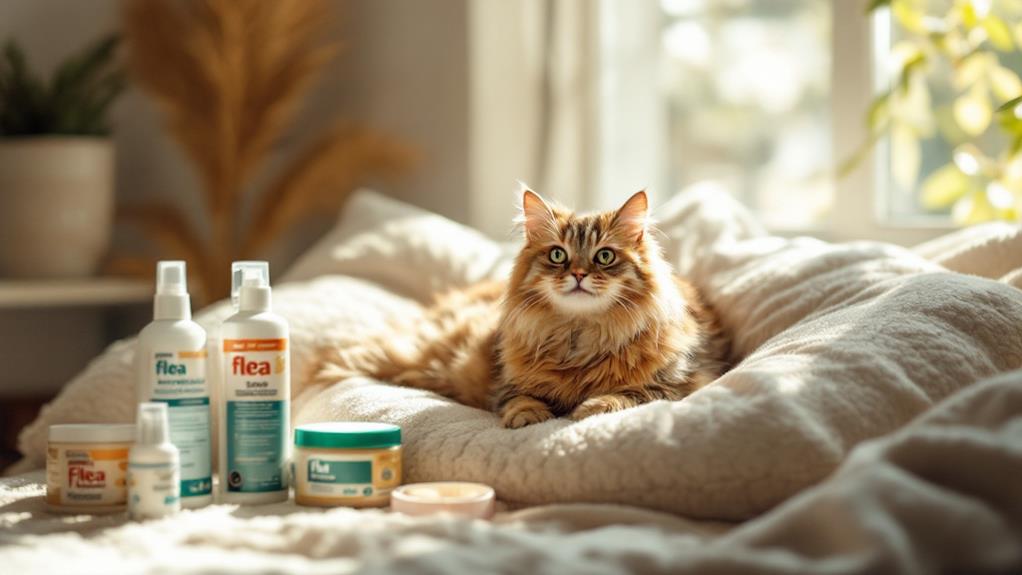
Choosing the right flea treatment for your cat is fundamental to their health and comfort. You'll want to take into account factors like your cat's maturity, weight, and health status, as not all treatments are suitable for every feline. For instance, certain products can't be used on kittens or cats with specific sensitivities. Topical treatments, such as Advantage II and Bravecto, are popular choices as they offer rapid relief and long-lasting protection. However, some of these require a veterinary prescription, so consulting your vet is a wise step in the process.
Oral treatments, like CAPSTAR, provide quick relief by killing fleas within 30 minutes. They're excellent for immediate action but don't prevent future infestations. You'll need to pair them with other flea prevention strategies to guarantee long-term protection. Remember, controlling your cat's environment is just as vital. Regular vacuuming and washing your pet's bedding help eliminate flea populations, complementing whatever treatment you choose.
Ultimately, consulting with your veterinarian is key. They can tailor recommendations to your cat's specific needs and lifestyle, ensuring you're selecting the right treatment and maximizing the effectiveness of your flea prevention strategies.