Turkish Angora: The Adamant and Fun-Loving Cat
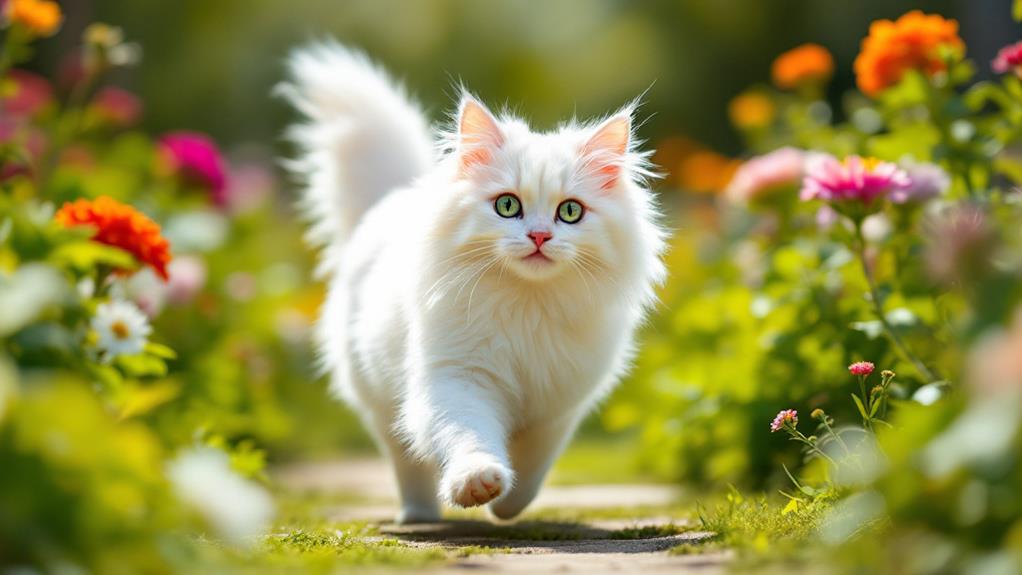
You'll love the Turkish Angora if you're looking for an elegant yet spirited feline companion. Known for their medium-sized, slender bodies and long, silky coats, these cats come in diverse colors. They have large, almond-shaped eyes and a playful, social nature. Turkish Angoras are energetic, enjoy interactive play, and form strong bonds with their human families. These cats thrive on communication, showcasing their vocal talents, and are adventurous discoverers. Regular grooming and health check-ups are vital for their wellbeing. Learn more about their rich history, health considerations, and unique traits as you delve deeper.
Unique Physical Traits
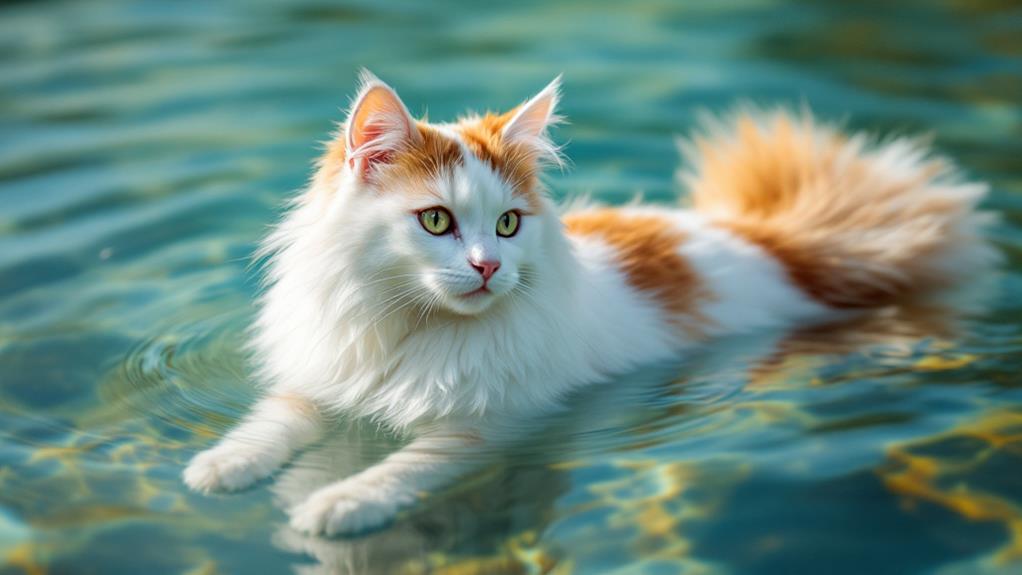
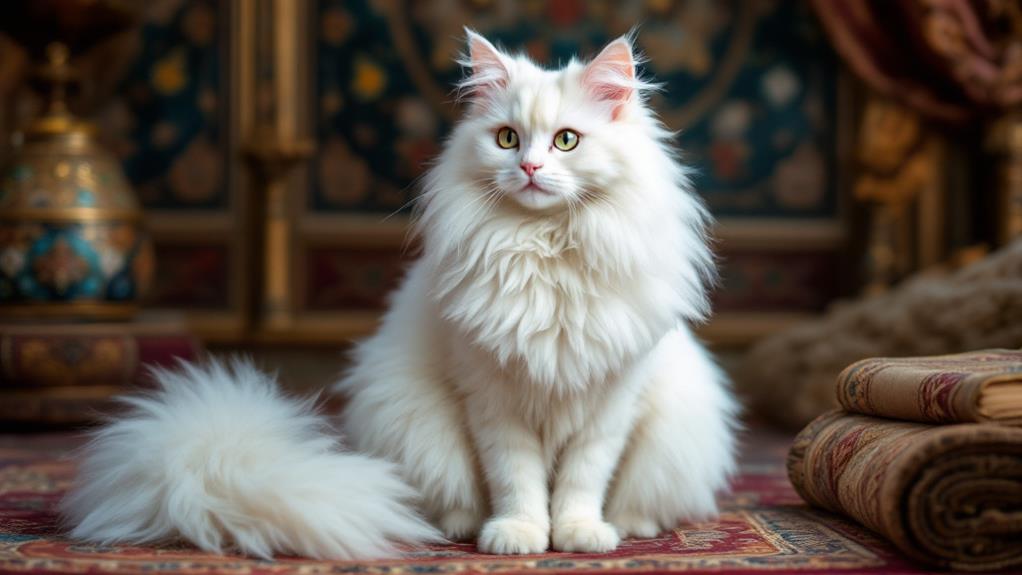
When you initially encounter a Turkish Angora cat, you'll notice their striking elegance and unique physical traits. Their medium-sized, slender body structure contributes to an elegant appearance that captures attention immediately. A key feature is their long, silky coat, which comes in a variety of colors. While they were originally known for their all-white coats, Turkish Angoras now boast colors such as black, blue, and intriguing tabby patterns. This variety of coat colors adds to their enchanting allure.
The Turkish Angora's head is small to medium and wedge-shaped, perfectly accentuated by large, pointed ears set high, enhancing their graceful demeanor. Their eyes are large, almond-shaped, and can be amber, blue, or green. Some cats even have heterochromia, exhibiting two different eye colors, which only adds to their mystique.
One can't overlook the Turkish Angora's long, tapering tail, often carried upright like a bushy plume. This distinctive and elegant feature complements their entire appearance. Known for being highly intelligent, these cats are not only beautiful but also possess a sharp mind, making them even more fascinating companions. Their blend of beauty and brains truly sets them apart.
Playful and Social Nature
Beyond their enchanting physical traits, Turkish Angoras are known for their lively personalities. Their playful nature keeps you entertained as they dart around with high energy levels, engaging in interactive play. Regardless of whether it's chasing a feather toy or tackling a puzzle feeder, Turkish Angoras thrive on problem-solving activities that challenge their agility and wit. Their intelligent demeanor means they're always looking for the next game, so be ready to join in the fun.
These social cats form strong bonds with their human companions, making them delightful additions to any family. They're not just great with adults; Turkish Angoras get along well with children and other pets too. Their vocal nature makes them excellent communicators. You'll often hear them expressing their needs and desires through a variety of sounds, ensuring there's never a dull moment when they're around.
Turkish Angoras love exploring vertical spaces, showcasing their athleticism and adventurous side. You'll find them perched atop bookshelves or climbing curtains, always seeking new heights. Their combination of playfulness, sociability, and intelligence makes Turkish Angoras engaging companions who bring joy and excitement to your home. Prepare for endless fun with these dynamic feline friends!
Grooming and Care Tips
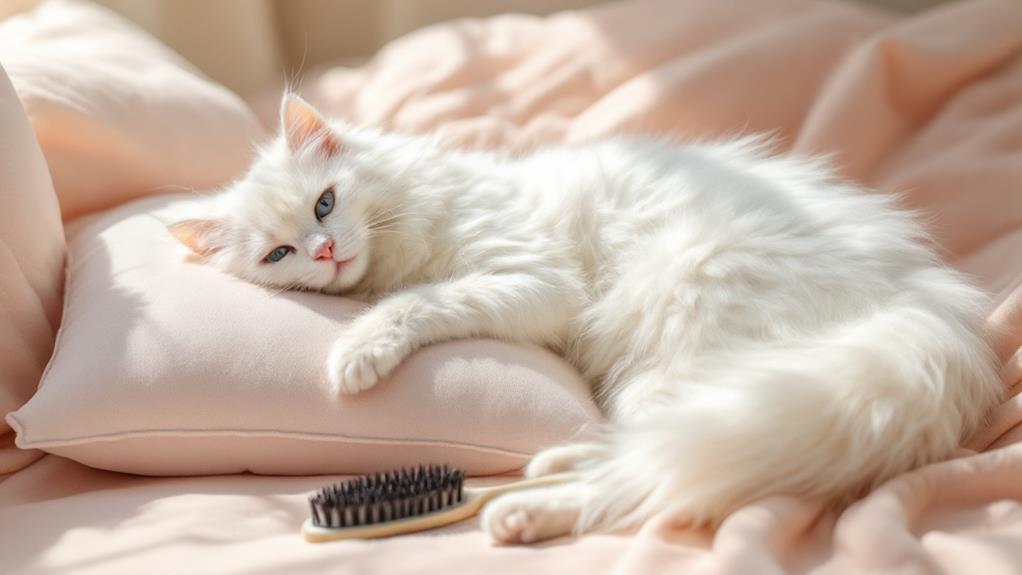
Caring for a Turkish Angora's luxurious coat is a significant part of keeping them happy and healthy. Their silky, medium-length coat requires brushing at least once a week. During shedding season, increase grooming frequency to prevent matting and keep their coat looking its best. Regular brushing sessions also offer a chance to bond with your affectionate Angora, as they often enjoy the attention and care you provide.
Dental care is another fundamental aspect of their routine. Aim for daily brushing to maintain oral hygiene and prevent periodontal disease. Regular nail trimming complements their grooming routine, ensuring your Turkish Angora stays comfortable and well-groomed.
Exercise needs are crucial for this playful breed. Provide a variety of toys and vertical spaces like cat trees to keep them active and mentally stimulated. This helps prevent boredom and promotes a healthy lifestyle.
Ensure they have access to fresh water at all times and find ways to encourage hydration, which is vital for their general health. Regular vet check-ups are significant to monitor any potential health issues, like hereditary conditions. By maintaining these care practices, your Turkish Angora will thrive and remain a delightful companion.
Health Issues to Monitor
While keeping your Turkish Angora well-groomed and active contributes to their general happiness, staying vigilant about their health is just as vital. Turkish Angoras can face several health problems, making regular health screenings fundamental. Hereditary deafness is a notable concern, especially in white cats with blue eyes. Regular hearing assessments can help you manage this condition effectively. Another health issue to be aware of is hypertrophic cardiomyopathy, a common heart disease in cats. Watch for symptoms like difficulty breathing or vomiting, and consult your vet promptly if these occur.
Kittens may experience hereditary ataxia, a fatal neuromuscular disorder that becomes evident between 2 to 4 weeks of maturity. Close monitoring of their movement is necessary to detect any abnormalities early. Chronic kidney disease (CKD) is also prevalent among Turkish Angoras, so routine veterinary check-ups can help detect early signs and improve management. Be proactive about potential genetic issues by scheduling regular health screenings. These screenings guarantee your cat's general well-being and allow you to address any health problems early. By being attentive and observant, you can help your Turkish Angora lead a healthy, joyful life.
Rich Breed History
As one of the oldest domesticated cat breeds, the Turkish Angora boasts a rich and storied history that captivates cat enthusiasts around the globe. Originating from Ankara, Turkey, this breed has been cherished for its beauty and grace since the 1500s. Historical records show that the Turkish Angora made its European debut in the late 16th century, introduced through longhaired cats imported from Asia Minor and Persia. With their striking features and luxurious coat, Turkish Angoras quickly captivated the hearts of many.
However, the breed faced challenges in the 20th century as crossbreeding threatened its pure lineage. This prompted significant preservation efforts at the Atatürk Forest Farm in Turkey, where steps were taken to maintain the purity of the white Turkish Angoras. In Turkey, this breed is not just a pet but a national gem, reflecting its cultural significance. The Cat Fanciers Association (CFA) recognized the Turkish Angora as a championship breed in 1973, initially only in white. By 1978, all colors were accepted, ensuring the breed's continued appreciation and preservation. Today, the Turkish Angora stands as a symbol of enduring beauty and historical significance.
Recognitions and Registrations
During the late 1960s, the Turkish Angora gained formal recognition from the Cat Fanciers Association (CFA), marking a significant moment for the breed. Initially, in 1968, the CFA recognized only the all-white Turkish Angoras. However, by 1974, they expanded registration to include all colors, showcasing the breed's diversity. This recognition was a major step in preserving the Turkish Angora's status as a natural breed with unique characteristics.
To guarantee the breed's purity, all registered Turkish Angoras must trace their lineage back to Turkey. This requirement highlights the importance of maintaining the breed's heritage and distinguishes it from other cats. The Turkish Angora breeding program at Ankara Zoo played an essential role in this preservation. Faced with near extinction due to crossbreeding, the zoo focused on breeding pure white Angoras, safeguarding the breed's future.
Genetic studies have further emphasized the Turkish Angora's unique characteristics and distinct lineage, separating it from the Turkish Van. As a recognized breed, the Turkish Angora continues to captivate cat enthusiasts worldwide with its elegance and spirited personality. This recognition guarantees that the Turkish Angora's legacy endures for generations to come.
Adoption and Availability
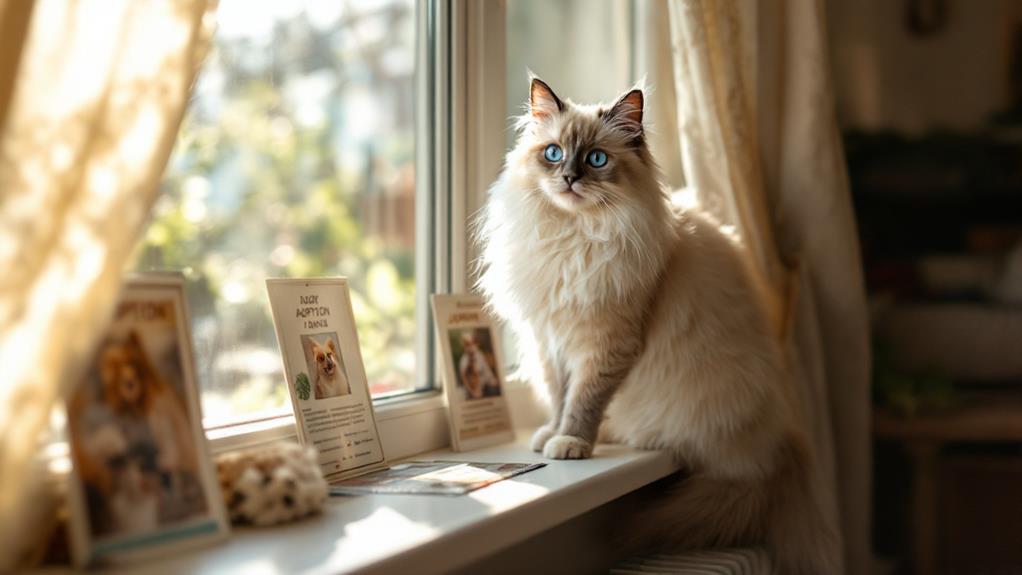
Given the Turkish Angora's rich history and recognition, you might wonder how to bring one of these elegant cats into your home. Turkish Angoras typically range in price from $650 to $2,000, depending on if you're looking for a pet or a breeding-quality cat. Availability can fluctuate, so it's vital to research reputable breeders who adhere to ethical breeding practices. You might also consider adoption from shelters that occasionally have cats resembling this breed.
When you decide to adopt a pet, make sure you're ready for the commitment that comes with owning a Turkish Angora. Consider factors like their maturity, hair length, and the distinct characteristics that make them unique. The Ankara Zoo in Turkey plays a significant role in preserving the breed through specialized breeding programs, further emphasizing the significance of responsible breeding.
Regular veterinary care is fundamental to monitor for common health issues in Turkish Angoras. This monitoring guarantees that your feline friend remains a healthy and joyful companion. By choosing responsible adoption avenues or reputable breeders, you're contributing to the preservation and well-being of this delightful breed.