Top Tips to Keep Your Dog Healthy and Happy

To keep your dog healthy and happy, schedule regular vet check-ups to catch any health issues early. Feed them a balanced diet tailored to their stage, breed, and activity level, and always keep fresh water available. Incorporate daily exercise with at least two walks and interactive play. Provide mental stimulation with toys and food puzzles to engage their minds. Pay attention to their dental health by brushing their teeth regularly. Ascertain they're socialized and safe with proper home modifications and affection through play and bonding times. There's even more to uncover about keeping your furry friend thriving!
Regular Vet Check-Ups
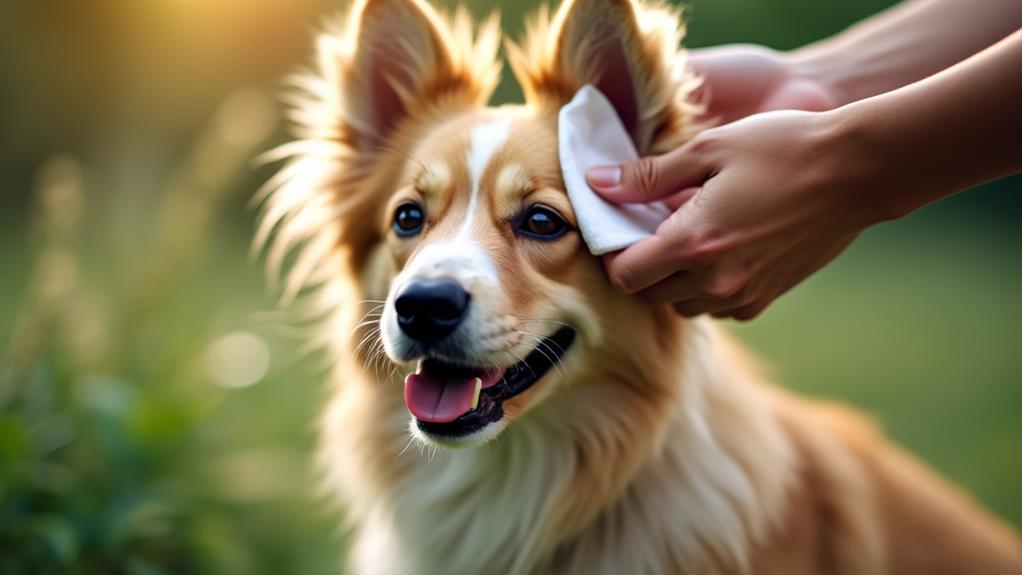
Guaranteeing your dog's health begins with regular vet check-ups. You might wonder why these visits are so vital. Well, annual vet visits are fundamental for monitoring your dog's general well-being and catching potential health issues early. By doing so, you can guarantee your furry friend leads a long, healthy life. During these check-ups, you have the opportunity to discuss any changes in your dog's health or behavior, which helps build a strong relationship with your veterinarian.
Routine exams allow your vet to monitor key health indicators like weight, dental health, and signs of disease. This is particularly significant for older dogs, as they're more prone to age-related health issues. Moreover, regular veterinary care, including vaccinations and preventive treatments, protects your dog from serious illnesses like distemper, parvovirus, and rabies.
Don't forget that regular exercise complements these check-ups by keeping your dog physically fit and mentally stimulated. By establishing a schedule for annual vet visits and maintaining an active lifestyle, you're taking considerable steps to safeguard your dog's health. Remember, a proactive approach to your dog's healthcare can make all the difference in their quality of life.
Ensure Proper Nutrition
Proper nutrition is the cornerstone of your dog's health. To guarantee your furry friend thrives, provide a balanced diet tailored to their stage, breed, and activity level. High-quality dog food is vital, as it meets the specific nutritional needs that support healthy bodily functions. Always have fresh water available to maintain proper hydration, which is imperative for preventing urinary issues and keeping your dog healthy.
Treat their taste buds carefully. Treats shouldn't make up more than 10% of your dog's daily caloric intake. Overindulgence can lead to obesity, paving the way for serious health problems like diabetes and heart disease. Stick to regular feeding schedules to aid in digestive health. Consistent meal times help regulate metabolism and make your dog's life more predictable.
Don't go it alone—consult with a veterinarian to find the ideal diet and portion sizes for your dog's unique needs. Your vet can help you understand the specific nutritional requirements based on your dog's lifestyle and health. By committing to proper nutrition, you're setting the foundation for a long, healthy, and happy life for your beloved pet.
Daily Exercise and Play
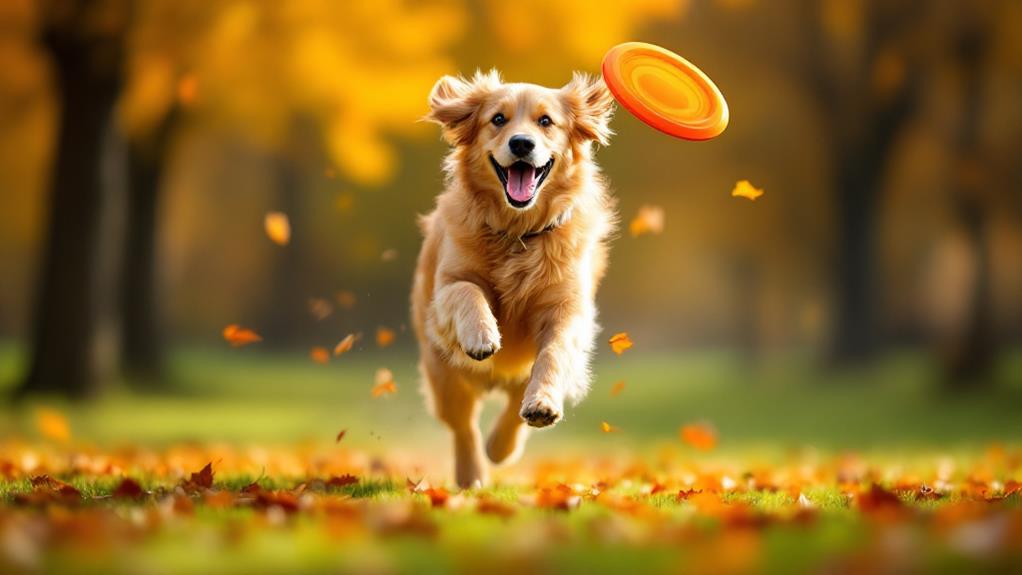
How can you guarantee your dog leads a fulfilling and lively life? Start with daily exercise and play time. Your dog needs at least two walks every day to improve their physical and mental health. These walks help prevent obesity-related issues and keep your furry friend fit. Activities like fetch, swimming, or brisk walks are excellent for burning excess energy and promoting cardiovascular health.
It's not just about physical exertion, though. Play time is vital for your dog's mental health. Regular play sessions, especially with other dogs, improve social skills and reduce anxiety. When your dog engages in play, they not only stay physically fit but also develop emotionally and mentally. This interaction helps prevent cognitive dysfunction syndrome, guaranteeing they remain sharp and joyful.
Consistency is key. By sticking to a routine of daily exercise and play time, you foster a stronger bond with your dog. This commitment benefits both of you, enhancing happiness and well-being. So, lace up your shoes and grab your dog's favorite toy—your commitment to their exercise routine guarantees they lead a happy, healthy life.
Mental Stimulation Activities
A variety of mental stimulation activities can keep your dog's mind sharp and engaged. Engaging your dog with food puzzles improves their problem-solving skills and provides much-needed mental stimulation, preventing cognitive dysfunction syndrome. These puzzles challenge your dog to think critically and work for their treats, keeping your dog mentally active. Interactive toys also play a significant role in promoting mental agility. Toys that require your dog to manipulate them not only entertain but also encourage mental engagement.
- Food puzzles: Improve problem-solving skills and prevent cognitive decline.
- Interactive toys: Keep your dog entertained while promoting mental agility.
- Training sessions: Introduce new tricks to challenge your dog's mind.
Regular playdates with other dogs offer another avenue for mental stimulation. These interactions provide physical exercise and stimulate mental engagement through social interaction, which is essential for a well-rounded canine. Furthermore, rotating toys and introducing new activities can prevent boredom, ensuring your dog remains mentally active and satisfied. Training sessions that incorporate new tricks or commands are excellent for keeping your dog's mind alert. They not only challenge your dog's mental faculties but also strengthen the bond between you and your furry friend. Keep your dog engaged and happy with these mental stimulation activities.
Consistent Dental Care
With consistent dental care, you can greatly improve your dog's oral health and complete well-being. Regular dental care is essential, as periodontal disease affects up to 80% of dogs by three years old. Daily brushing with dog-specific toothpaste is an effective way to maintain your dog's oral health and prevent this common condition. Don't underestimate the importance of a clean mouth; it plays a significant role in your dog's overall health.
In addition to home care, professional dental cleanings might be necessary. These cleanings help remove tartar buildup, which reduces the risk of systemic health problems tied to poor oral hygiene. Make sure to schedule regular check-ups with your veterinarian to keep your dog's teeth in prime condition.
Chew toys and dental treats are excellent tools for promoting oral health. They help reduce plaque and tartar while satisfying your dog's natural chewing instincts. Moreover, pay attention to your dog's breath. Foul odors can be an early warning sign of dental issues, indicating a need for immediate veterinary attention.
Monitor Weight and Health
Keeping an eye on your dog's weight is essential for preventing obesity-related health issues. Regularly monitor weight using body condition scoring to catch any signs of excess fat, which can lead to serious conditions like diabetes and heart disease. By managing your dog's weight, you're taking a proactive step to keep your dog healthy and happy.
To effectively manage their weight:
- Maintain a consistent feeding schedule: Make sure treats don't exceed 10% of their daily calories.
- Track physical activity levels: Remember, different breeds have varying exercise needs.
- Schedule annual veterinary check-ups: These can catch weight-related concerns before they escalate.
Being vigilant about your dog's weight means paying attention to any significant changes. A sudden increase or decrease can indicate underlying health problems. Consult your veterinarian if you notice any fluctuations beyond normal variations.
Daily exercise is essential for weight management, so tailor their activity to their breed's requirements. This not only helps with weight control but also enriches their life. With these steps, you'll be well-equipped to monitor your dog's weight, keep them healthy, and prevent potential health issues, guaranteeing a happier, longer life.
Preventative Care Measures
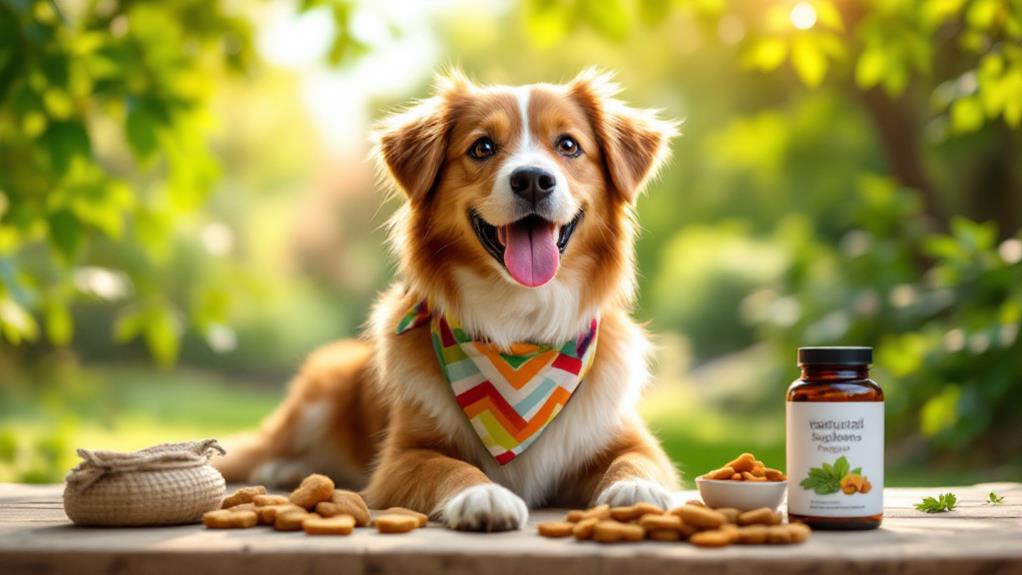
Managing your dog's weight is just one part of their extensive health plan; embracing preventative care measures is likewise important. Heartworm disease is a serious concern for dogs, but you can prevent it by administering monthly preventatives. These medications are vital since untreated heartworm disease can be fatal. Moreover, protecting your dog against fleas and ticks not only keeps them comfortable but also prevents zoonotic diseases that can affect both you and your pet.
Make annual vet check-ups a priority. These check-ups are invaluable for early detection of potential health issues. Catching problems early can save your dog's life and lead to better long-term health outcomes. During these visits, consult your veterinarian about region-specific vaccinations and preventative measures, such as protection against diseases like Leptospirosis.
Consistent use of preventative care measures guarantees your dog maintains peak health and wellness, contributing to a longer, happier life. It's important to keep an eye on your dog's health all year round and adjust your care strategies as needed. By staying proactive, you're not just reacting to problems but actively preventing them, making your dog's health a top priority.
Socialization and Safety
Introducing your dog to different socialization opportunities is crucial for their general well-being. By organizing playdates or visiting dog parks, you help your dog develop good behavior and reduce anxiety. Socialization not only improves their mental health but also makes them more adaptable to different environments and other dogs.
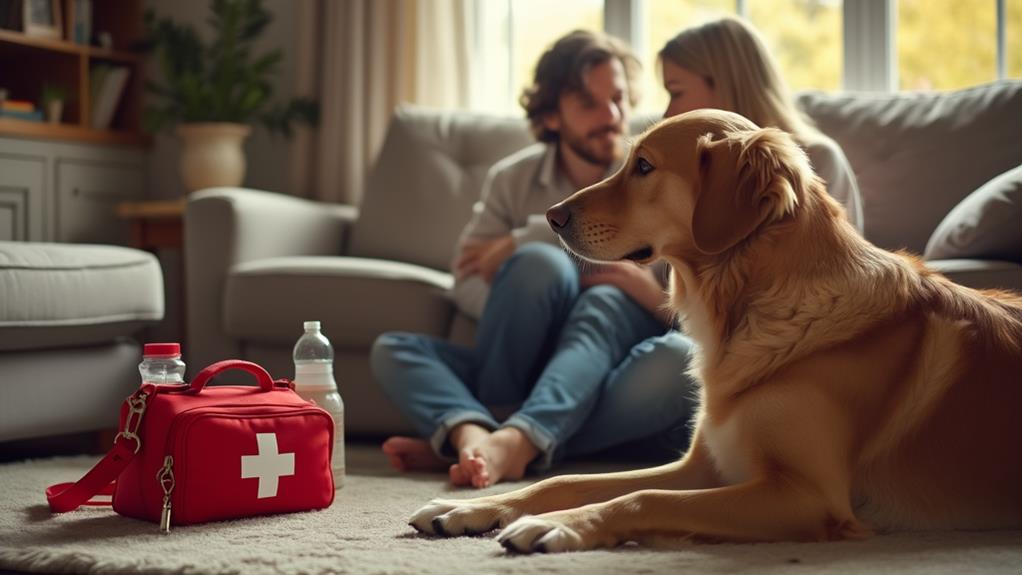
To guarantee your dog's safety, pet-proof your home. Keep toxic substances and hazards out of reach. You wouldn't want your furry friend getting into something harmful when you're not looking. It's always better to be safe than sorry.
- Pet-proof your home: Secure cleaning supplies, small objects, and electrical cords.
- Know emergency contacts: Familiarize yourself with the Pet Poison Hotline for quick access in emergencies.
- Microchip and tag: Confirm your dog has a microchip or identification tags to increase reunion chances if they wander off.
Including your dog in family activities not only strengthens your bond but also positively impacts their emotional well-being. When you make your dog feel valued, they become healthier and happier. Remember, a well-socialized and safe environment leads to a thriving pet. Keep these tips in mind for the sake of your dog's health and happiness.
Show Affection and Bonding

A key component of nurturing a strong bond with your dog is showing regular affection through simple, everyday gestures. Giving your dog hugs and belly rubs can greatly improve their emotional well-being. Dogs thrive on love and attention, and these small acts make them feel secure and happy. By consistently showing affection, you're reinforcing your bond and creating a supportive environment for your furry friend.
Engaging in activities that involve close contact, like cuddling or gentle petting, can do wonders for reducing your dog's anxiety and promoting relaxation. It's not just about physical touch; it's about the emotional connection you're fostering. When you praise your dog during training sessions, you're not only improving their behavior but also strengthening the emotional link between you two. Positive interactions are crucial for building trust and encouraging a healthy relationship.
Make certain to dedicate time each day to play with your dog. Regardless of whether it's a game of fetch or a leisurely walk, these moments of attention show affection and help solidify your bond. Your consistent efforts in showing love and care will guarantee your dog's emotional well-being, leading to a happier, healthier pet.