Top Tips for Taking Care of Pet Birds: From Diet to Habitat
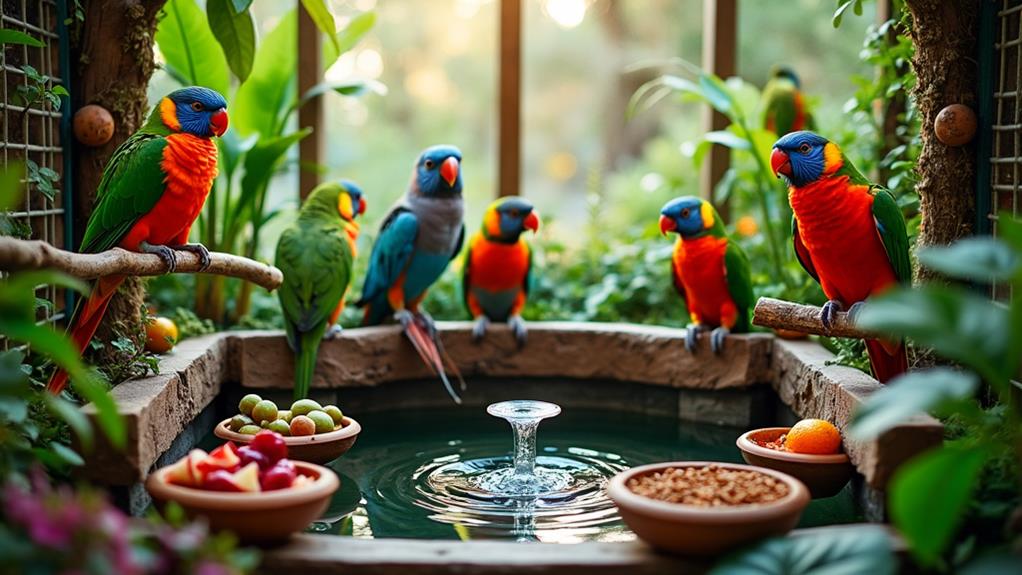
To care for your pet bird, choose a cage that's at least four times their wingspan, ensuring it's non-toxic with different perches to maintain foot health. Provide a balanced diet mixing seeds, grains, and fresh produce, but steer clear of toxic foods like avocado. Introduce assorted toys and natural materials like pine cones to combat boredom. Regularly clean the cage, food, and water dishes to keep them healthy, and engage in daily interactions to nurture their social needs. Understanding their body language can improve training effectiveness. This is just the start; there's more to reveal about keeping your feathered friend happy.
Key Takeaways
- Choose a cage four times the bird's wingspan, with non-toxic materials and secure locks.
- Provide a balanced diet of pellets, seeds, grains, and occasional fresh fruits and vegetables.
- Regularly clean cages, perches, and toys to maintain health and prevent illness.
- Engage daily to reduce stress, using toys and regular interaction to foster bonds.
- Monitor health by observing changes in behavior, appetite, and vocal patterns.
Choosing the Right Cage
Selecting the right cage for your pet bird is vital for its well-being and happiness. When choosing a cage, you want to make sure it's large enough for your bird to move freely. A good rule of thumb is selecting a cage that's at least four times the height and width of your bird's wingspan. This ample space allows your feathered friend to exercise and engage in its natural behaviors, creating a comfortable habitat.
For smaller pet birds, like finches and canaries, flight cages are ideal. These cages provide the space necessary for them to fly and stay active. It's imperative to pick a cage made from non-toxic materials and equipped with secure locks to prevent any escapes or accidents, guaranteeing your bird's safety.
Ease of cleaning is another significant factor. Choose a cage design with removable trays and grates to separate your bird from substrate waste, making cleaning hassle-free. To promote foot health and prevent boredom, incorporate a variety of perches at different heights and textures within the cage. By carefully selecting the right cage, you're creating a safe and enriching habitat for your pet bird.
Understanding Bird Diet
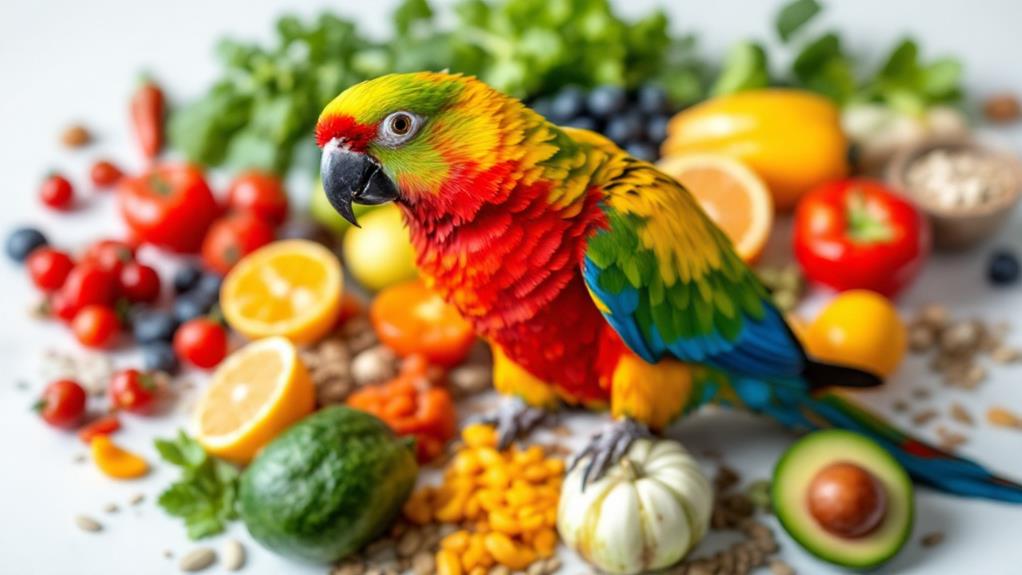
After finding the perfect cage, it's vital to focus on your pet bird's diet to guarantee it stays healthy and lively. A balanced diet is fundamental for pet birds, providing them with the nutrients they need to thrive. Start by incorporating a mix of extruded pellets, seeds, grains, fresh fruits, and vegetables into their bird food. These components guarantee your bird receives a well-rounded selection of fundamental vitamins and minerals.
Consider premium bird food products like Forti-Diet or Kaytee, which are designed to fill nutritional gaps often found in seed-only diets. While seeds and grains should form the base of their meals, fresh fruits and vegetables can be offered as occasional, bird-safe treats. Be certain to avoid toxic foods such as chocolate and avocado.
Here are some helpful tips:
- Monitor your bird's weight regularly to prevent obesity.
- Introduce new foods gradually to avoid digestive upset.
- Consult an avian veterinarian for personalized dietary advice.
Enriching Your Bird's Environment
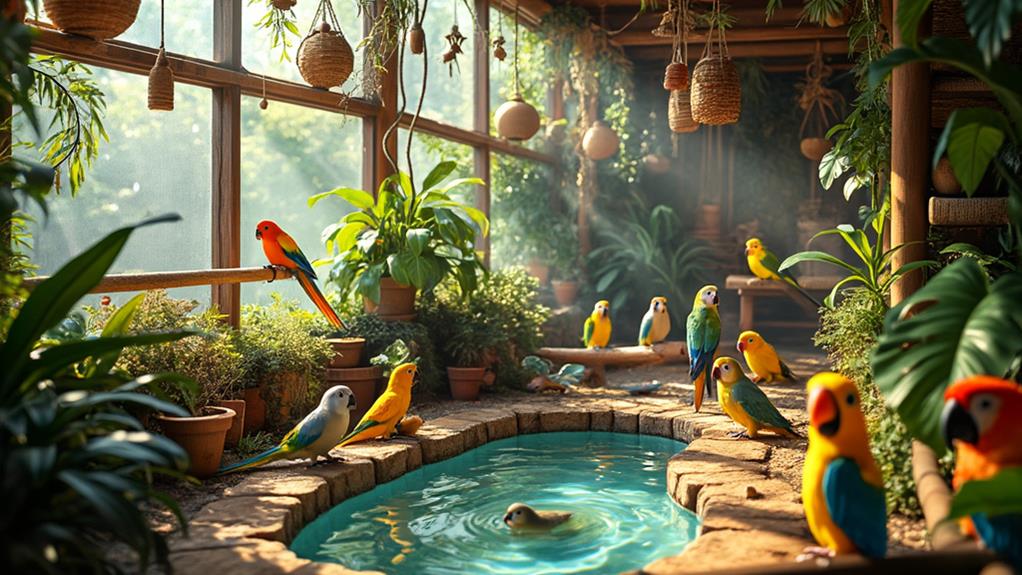
Creating a stimulating environment is fundamental for your pet bird's well-being. To keep your feathered friend happy and healthy, start by providing a variety of toys. Chew toys are perfect for parrots, while bells and swings add fun for finches and canaries. These toys not only encourage mental stimulation but also promote physical activity. Rotating these toys regularly and introducing new ones can keep your bird curious and prevent boredom.
A flight cage is another significant component for enriching your bird's environment, especially for species like finches and canaries. These cages give your bird ample space to fly, which is essential for their exercise and general well-being. Verify the cage is spacious enough for your bird to stretch its wings comfortably.
Incorporate natural materials such as wood and pine cones into the habitat to satisfy your bird's instinct to chew and investigate. These materials provide a safe and natural way for your bird to engage with its surroundings. Moreover, maintaining a clean and organized habitat is crucial. Regularly clean perches and toys to promote better hygiene and reduce the risk of illness, making sure your bird stays healthy and happy.
Ensuring Social Interaction
Connection is key in regard to ensuring the well-being of your pet bird. Birds thrive on social interaction, mimicking the flock behavior they're accustomed to in the wild. Engaging with your feathered friend daily reduces stress and strengthens your bond. You'll notice that attention-seeking behaviors, like vocalization, often signal a desire for interaction.
To foster healthy social behavior, consider these strategies:
- Observe and Respond: Understanding your bird's body language is essential. Pay attention to their reactions during interaction to gauge their comfort levels and build trust.
- Provide Companionship: If your bird is alone, consider using mirrors or adding another bird to its environment. This can greatly improve their social experience and reduce feelings of loneliness.
- Engage Regularly: Spend time talking, playing, or simply being present with your bird, as regular engagement is important for them to develop lifelong bonds with you.
Maintaining Cleanliness
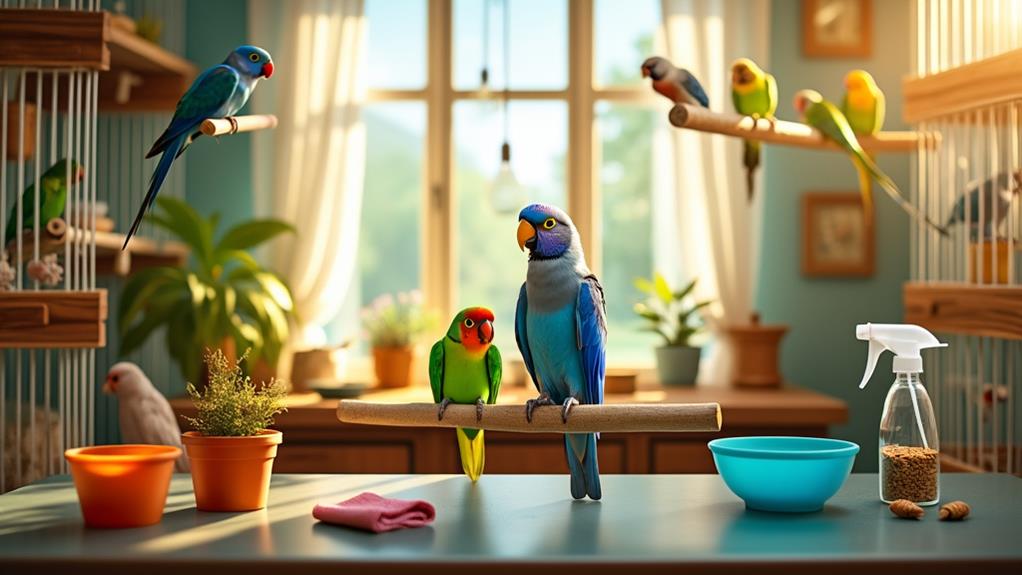
When it comes to maintaining cleanliness for your pet bird, regular cleaning routines are vital for their health and happiness. Start by cleaning the cage, perches, and toys weekly. This routine helps eliminate bacteria and waste buildup, promoting a healthy living environment. When you clean the cage, use non-toxic cleaners and disinfectants to sanitize surfaces. This practice reduces health risks associated with harmful chemicals, keeping your bird safe.
Daily, you should change food and water dishes to prevent contamination. Fresh supplies guarantee your bird's diet remains healthy and uncontaminated. It's also imperative to monitor for leftover food in the cage. Remove any leftovers promptly to avoid spoilage and the attraction of pests that could harm your bird.
Additionally, regularly wash and replace cage liners. This step is significant for maintaining cleanliness and controlling odors, contributing to your bird's general well-being. A clean environment not only supports your bird's physical health but also their emotional wellness. By sticking to these routines, you create a safe and pleasant habitat that meets your pet's needs, guaranteeing they remain a happy and healthy companion.
Monitoring Health and Safety
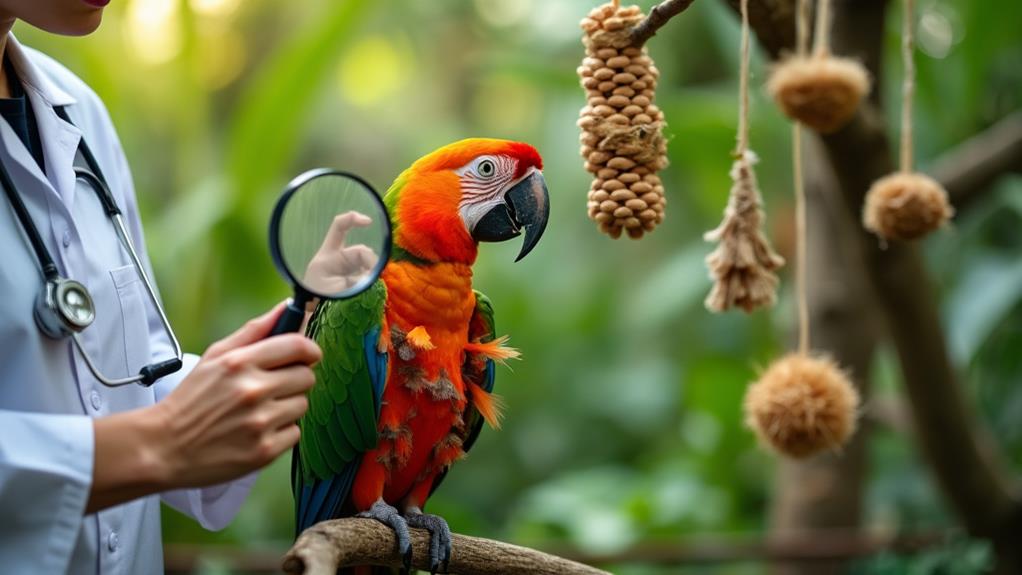
In regard to monitoring your pet bird's health and safety, regular vigilance is key. Initially, keep an eye on your bird's behavior. Changes like lethargy or altered droppings can signal health issues. Quick detection is vital, so don't hesitate to contact an avian veterinarian if anything seems off. Regular check-ups are fundamental to catch potential problems early, especially respiratory diseases or parasites like mites and worms.
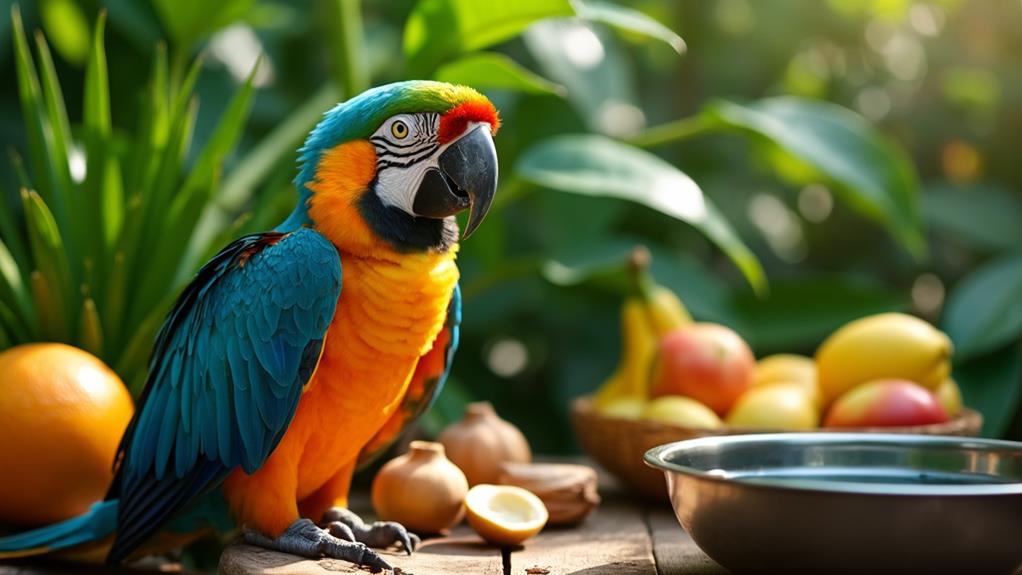
Maintaining a clean environment is another significant aspect. Weekly cleaning of cages, perches, and toys prevents bacteria buildup and reduces health risks. Fresh water should always be available, with daily changes to avoid contamination and guarantee your bird stays hydrated.
Safety isn't just about health—bird-proofing your home is also important. Prevent accidents by:
- Removing toxic plants from areas your bird can access.
- Securing windows and doors to avoid escapes.
- Monitoring bird behavior to confirm they're not getting into trouble.
These steps combined will help keep your feathered friend safe and healthy. Remember, a proactive approach to health and safety will ensure your bird enjoys a long, happy life with you.
Bonding Through Training
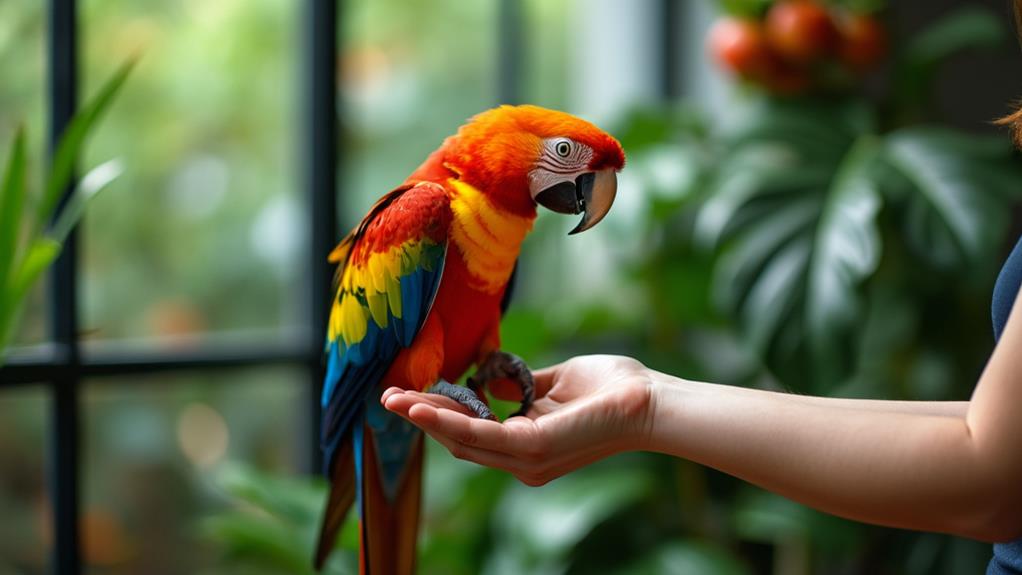
When you start training your pet bird, you're not just teaching tricks; you're building a bond that fosters trust and reduces stress. Training sessions are a fantastic way to engage with your feathered friend. By keeping each session short, around 5 to 15 minutes, you guarantee your bird stays focused and interested, preventing boredom. Consistency is key—regular interaction through training fortifies your relationship, making your bird feel more secure and connected to you.
Positive reinforcement is your best ally. Use treats or verbal praise to encourage desired behaviors. Birds thrive on repetition, so establishing a routine will greatly increase your success. As you work together, pay close attention to your bird's body language. It offers crucial feedback, helping you adjust your approach for better communication. For instance, if your bird seems tense or disinterested, you might need to change tactics or offer more enticing rewards.
Understanding these subtle cues not only improves training but also deepens your bond, making your bird more responsive and trusting. Remember, the goal of training isn't just to teach commands but to create a harmonious connection that enriches both your lives.
Recognizing Behavioral Signals
Decoding your pet bird's behavioral signals is vital for ensuring their well-being and happiness. Understanding bird behavior helps you interpret their body language and vocalizations, which can indicate a variety of emotions or needs. For instance, a range of sounds might signal happiness, distress, or a desire for attention. By recognizing these behavioral signals, you can respond effectively to your bird's needs.
Body language plays an important role in understanding your bird's mood. Relaxed postures, like fluffed feathers or gentle wing stretching, usually show contentment. In contrast, aggressive stances or head bobbing might indicate fear or aggression. Keep an eye on preening habits too; while preening is normal, excessive preening or feather plucking might suggest anxiety or stress, pointing to the requirement for more environmental enrichment.
Here are some signs to watch for:
- Vocalizations: Different sounds can convey emotions like happiness or the need for attention.
- Eating habits: Changes in eating, drinking, or droppings can signal health issues.
- Regurgitation: A sign of bonding, but excessive behavior might indicate problems.