Top Burrowing Breeds: Dogs That Can’t Resist the Dirt
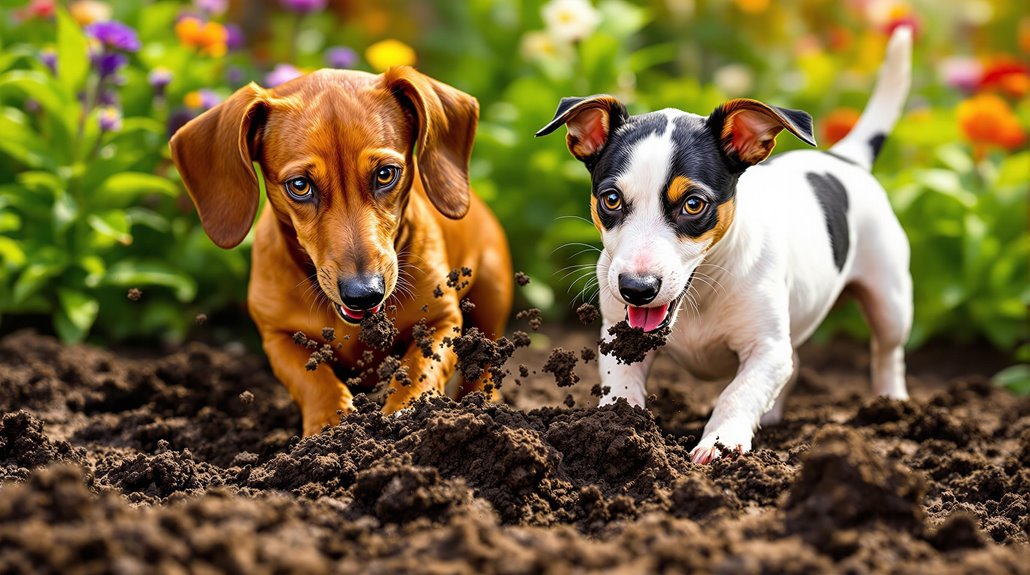
You'll find that certain dog breeds are naturally inclined to dig due to their genetic history and instincts. Terriers, like Jack Russell and Cairn Terriers, are renowned for their hunting skills and boundless energy, which translate into a love for digging. Dachshunds, with their unique body shape, are efficient diggers, bred to hunt burrowing animals. Beagles dig to follow scents, while Siberian Huskies and Alaskan Malamutes dig to create comfortable resting spots. Understanding these behaviors can help you manage them better. With just a little more insight, you can learn how to turn this instinct into a positive outlet.
Key Takeaways
- Jack Russell Terriers are known for their strong prey drive and instinctual digging behavior.
- Dachshunds are physically built for burrowing, with long bodies and short legs ideal for digging.
- Beagles, as scent hounds, dig to pursue in-ground prey driven by their sense of smell.
- Cairn Terriers exhibit strong digging instincts due to their history of hunting small animals.
- Siberian Huskies dig to create resting spots and explore their environment.
Instinctual Digging Behaviors
Many dog breeds, especially terriers and hounds, have a strong instinct to dig, rooted in their history as hunters. This digging behavior isn't just a random quirk; it's deeply embedded in their genetic makeup. You'll notice that breeds like terriers are particularly energetic and have a natural urge to burrow. This trait is a physical manifestation of their instinct to hunt and chase vermin underground. The Dachshund, with its long body and short legs, is a classic example of a breed designed for efficient digging and burrowing.
When you see a dog eagerly digging, it's often their instinctual drive at work, especially in breeds like the Jack Russell Terrier. Their relentless energy and determination make them superb hunters, always on the prowl for hidden prey. Beagles, too, employ their digging talents, often to follow intriguing scents or uncover hidden delights in the ground.
Even outside the terrier family, some breeds, like the Siberian Husky and Alaskan Malamute, display digging behaviors. They often dig to create comfy resting spots or simply to explore their surroundings. Understanding these instincts helps you appreciate the natural behaviors of your canine companion. Dogs, known for their loyalty and affection, can also be great for cuddling after an energetic digging session.
Top Digging Dog Breeds
Recognizing the top digging dog breeds helps you understand your pet's natural tendencies and how to manage them. Each breed has its own reasons for being drawn to the dirt, often rooted in their history as hunting dogs. Their energetic nature and strong prey drive make them prone to digging behavior. Here's a breakdown of some of the top digging dog breeds:
- Jack Russell Terrier: These energetic dogs were bred for hunting foxes. Their strong prey drive means they're instinctively driven to dig in search of underground critters.
- Dachshund: With their long bodies and short legs, Dachshunds were designed for burrowing and hunting badgers. Their natural instincts make them enthusiastic diggers and tunnelers.
- Beagle: As scent hounds, Beagles have a powerful sense of smell that leads them to dig in pursuit of in-ground prey. This often results in enthusiastic digging behavior.
- Cairn Terrier: Originally from Scotland, Cairn Terriers were bred to hunt small animals. Their desire to search for vermin contributes to their strong digging instincts.
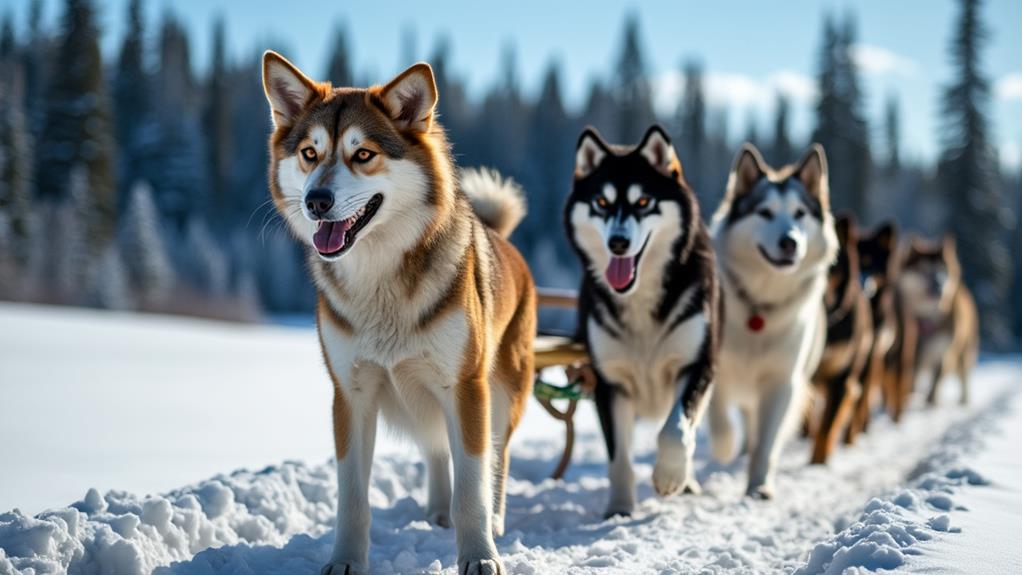
Schnauzers also have a history of being versatile farm dogs, where their role in vermin control and guarding livestock involved digging behaviors. Siberian Huskies also make the list. Bred for Arctic survival, they dig to create shelters or find cooler ground, especially when bored or unexercised. Understanding these natural instincts helps you appreciate their behaviors.
Managing Digging Habits
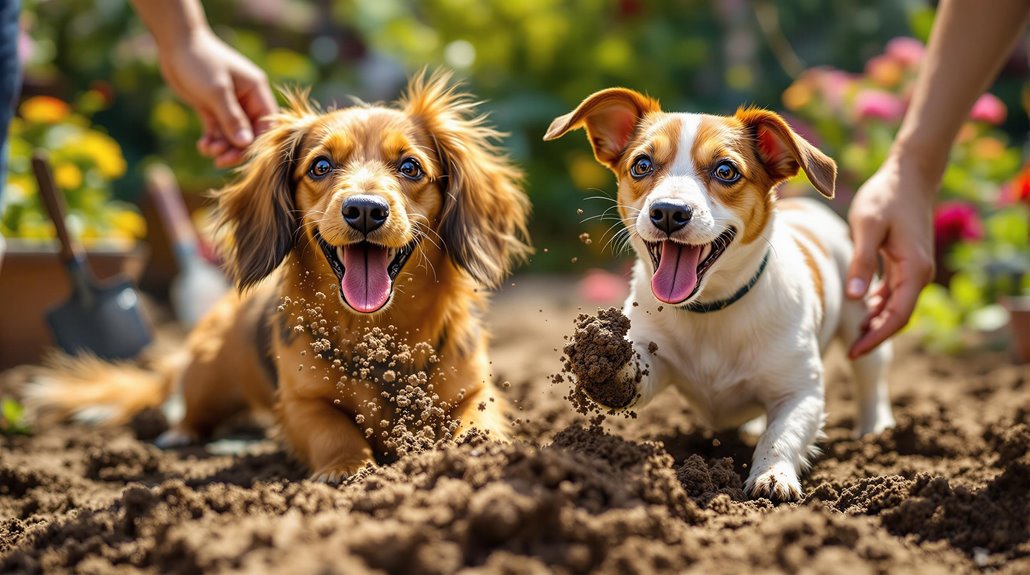
To effectively manage your dog's digging habits, it's crucial to understand the reasons behind this behavior. Dogs dig due to boredom, instinctual urges, or even to cool off. By identifying these triggers, you can tailor a management strategy that suits your dog's needs. Regular exercise and mental stimulation play a key role in curbing unwanted digging. A well-exercised dog is less inclined to dig out of boredom. Engage your dog in activities that challenge both their body and mind to help satisfy their natural instincts.
Consider designating a specific area in your yard where digging is permitted. This allows your dog to indulge in their burrowing behavior without wrecking your entire garden. Use positive reinforcement to encourage them to use this designated spot. Reward your dog with treats or praise whenever they dig there instead of elsewhere. Monitoring for pests or critters that might be attracting your dog to dig is also essential. If these are present, addressing them can significantly reduce your dog's urge to dig.
By understanding and managing the underlying causes, you can transform your dog's digging habits into a mutually beneficial activity. Additionally, it's important to ensure your dog maintains a healthy weight, as obesity in pets can lead to decreased activity levels, which might exacerbate behavioral issues like excessive digging.
Providing Digging Alternatives
When your dog's natural urge to dig becomes a challenge, offering them a designated digging pit can be an effective solution. This not only redirects their digging away from your cherished garden or lawn but also taps into their natural instinct in a positive way. To make the digging pit enticing, fill it with loose soil mixed with sand for better drainage and texture. Introduce this area by using toys or treats, turning it into a playful discovery zone for your dog.
Here's how you can create an engaging digging alternative:
- Designate a Spot: Choose a specific area in your yard as the digging pit. This helps direct your dog's natural instinct to dig.
- Prepare the Pit: Use a mix of loose soil and sand to make the pit appealing and easy for your dog to dig into.
- Introduce with Incentives: Bury toys or treats in the pit to encourage exploration and digging.
- Monitor and Praise: Keep an eye on your dog initially, guiding them to the pit and praising them for using it properly.
Many low-maintenance dog breeds have moderate energy levels and can benefit from such stimulating activities without requiring excessive physical exertion.
Exercise to Reduce Digging
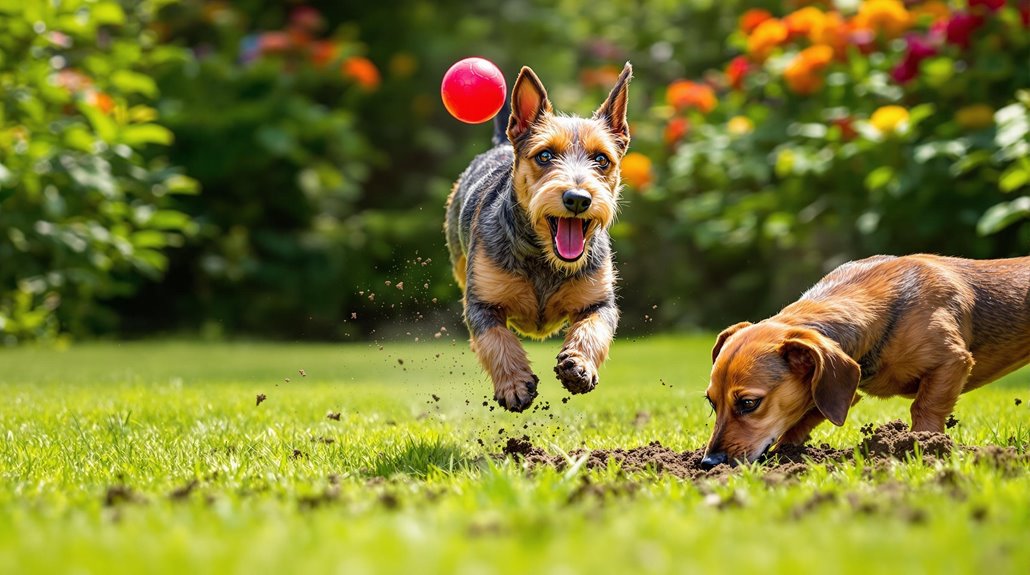
Regular exercise can significantly diminish your dog's propensity to dig by channeling their energy into more constructive activities. For high-energy breeds like Beagles and Border Collies, regular exercise is crucial to manage their natural digging instincts. Engaging them in structured activities such as agility training or a game of fetch can fulfill their physical activity needs. These activities not only prevent boredom but also reduce destructive behaviors linked to digging habits. Active breeds thrive on mental stimulation, so it's beneficial to incorporate puzzle toys and interactive games into their routine.
These tools can alleviate boredom, which is often a common trigger for digging. Siberian Huskies and Jack Russell Terriers, known for their energetic nature, can significantly benefit from consistent exercise routines. Daily walks or play sessions lasting 30 to 60 minutes can effectively decrease their inclination to dig excessively. When dealing with illness, it's important to have a comprehensive pet care plan in place to ensure your dog's needs are met even if you're unable to provide their usual level of exercise.
Socialization and Its Benefits
Understanding the benefits of socialization can profoundly impact your dog's behavior, especially when it comes to curbing their digging habits. Early socialization fosters positive behaviors and reduces anxiety, which can minimize digging spurred by stress or boredom. By introducing your dog to various environments and other dogs, you can significantly decrease digging caused by discomfort or fear. Here's how socialization can help your furry friend:
- Positive Behaviors: Early and consistent socialization helps your dog develop positive behaviors, making them less likely to resort to instinctual digging.
- Reduce Anxiety: Regular interaction with other dogs and exposure to new environments can reduce anxiety, leading to a more relaxed pup that's less inclined to dig.
- Mental Stimulation and Physical Exercise: Engaging activities provide necessary mental stimulation and physical exercise, both of which are crucial in preventing destructive behaviors like digging.
- Well-Adjusted Dog: A well-socialized dog is more secure and less likely to dig as a means of coping with loneliness or anxiety.
- Teaching children about responsible pet care can enhance their empathy, which in turn, helps them understand and support their dog's need for socialization.
Cooling Solutions for Hot Days

Facing sweltering summer days, keeping your dog cool is crucial to preventing them from digging for relief. One of the most effective cooling solutions is creating shaded areas in your yard, offering a cool retreat that can deter your dog from digging to find cooler ground. Make sure they have access to fresh water at all times; dehydration can lead them to dig in search of relief from the heat. Consider setting up a kiddie pool. It's a fun way for your dog to splash around and cool off, reducing their urge to dig out a cool spot.
Monitor dogs closely during hot weather, limiting their outdoor time to prevent excessive digging related to discomfort. When it's too hot outside, engage them in indoor activities that provide both physical exercise and mental stimulation, such as puzzle toys or interactive games. These activities can help satisfy their natural instincts without the need for digging. By implementing these strategies, you can effectively prevent digging behavior and ensure your dog stays comfortable during extreme heat.
Remember, a combination of shaded areas, fresh water, and engaging indoor activities can make all the difference in keeping your dog happy and healthy during hot days. It's important to recognize dehydration signs in your dog, such as dry gums and lethargy, to ensure they remain adequately hydrated during hot weather.