Tips to Teach Your Dog Not to Jump on People: Simple Solutions
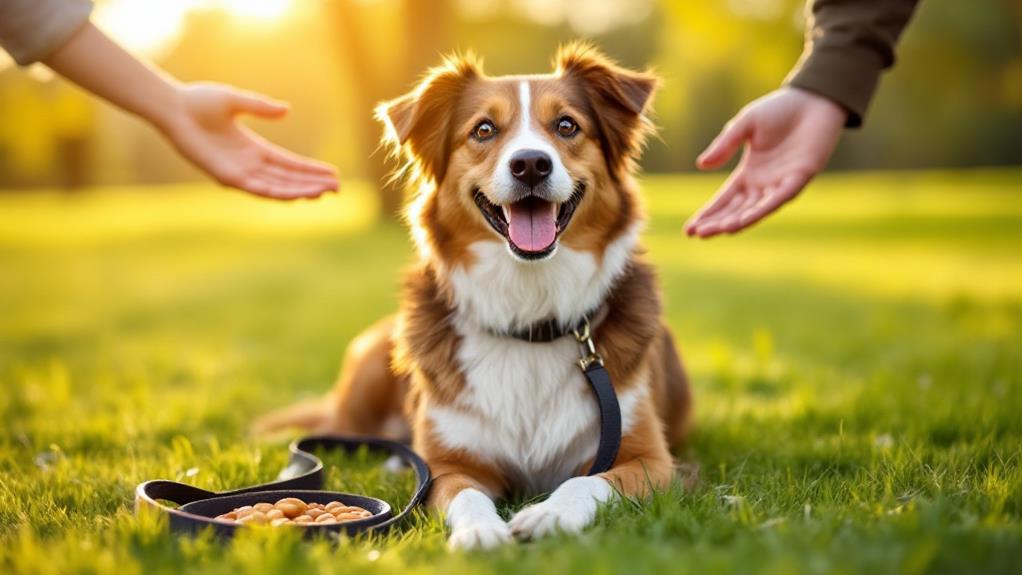
To stop your dog from jumping on people, start by teaching them to sit when meeting someone. Offer high-value treats for sitting calmly, reinforcing this positive behavior. Use treats on the floor to encourage "four on the floor," diverting attention from jumping. As people visit, ask them to ignore jumping and follow your training cues. Consistent praise for staying grounded will help your dog understand the appropriate greeting style. Make sure everyone at home sticks to the rules for best results. If you're curious about more ways to strengthen these habits, exploring further options could prove beneficial.
Understanding Why Dogs Jump
When you're trying to understand why dogs jump, it's important to recognize that this behavior is often a natural form of greeting and play. Dogs, by nature, are social animals that seek attention and interaction, and jumping can be their way of expressing excitement when they meet you or guests. This behavior can sometimes be reinforced unintentionally by your reactions. Even negative responses, like pushing them away, might be perceived as playful interaction, encouraging the dog to continue jumping.
To manage this behavior, it's vital to use effective training and management techniques. Begin by teaching your dog to "sit" as an alternative to jumping when greeting people. Consistently reinforce this desired behavior by offering treats and praise whenever they obey. This helps your dog understand that sitting results in positive attention, unlike jumping. Clear communication during training is key, as it helps your dog grasp what's expected of them.
Over time, with patience and consistency, jumping can be minimized. By focusing on rewarding positive behavior and setting boundaries, you'll foster a more welcoming environment for both your dog and your visitors.
Teaching Alternative Greetings
Now that you understand why dogs jump, it's essential to guide them towards more appropriate ways of greeting. Teaching your dog an alternative greeting behavior, like sitting, helps them know what's expected during interactions. Start by instructing your dog to sit for greetings, which encourages them to keep all four paws on the ground. Use clear instructions to simplify the learning process, and remember to reward your dog with high-value treats when they succeed.
Training your dog to replace jumping behavior with sitting requires patience and consistency. Make certain you're rewarding them each time they perform the desired behavior. This positive reinforcement will help them understand the importance of maintaining their new greeting manners. Practice in different contexts to guarantee they can generalize this behavior and respond appropriately when meeting different people in various settings.
Training Four on the Floor
Some might find that teaching "four on the floor" is an effective strategy to curb a dog's jumping habit. Start by placing treats on the floor, which will redirect your dog's attention and encourage it to keep all four feet grounded. This approach helps in shaping appropriate greeting behavior, showing your dog that remaining calm is rewarding. As someone approaches, toss treats on the floor beforehand. Your dog will likely choose the treats over jumping, which helps stop your dog from leaping up.
Gradually increase the duration of these greetings while continuing to use treats, but over time, reduce the frequency of treats as your dog learns to keep its paws on the floor. Remember, patience and consistency are essential in training four on the floor. Consistently reward your dog with praise and attention whenever it maintains this desired behavior. This reinforcement will make the concept of keeping all four feet on the ground more appealing to your dog.
Managing Guest Interactions
Managing guest interactions is crucial for teaching your dog not to jump on people. Start by informing your guests about the training efforts with your dog. Ask them to ignore any jumping behavior and only reward calmness with attention or treats. This way, your dog learns that calm interactions lead to positive outcomes. Use barriers like baby gates or ex-pens to limit access to guests during initial greetings. These barriers help create a calm environment for introductions and reduce excitement that often leads to jumping.
Prepare your guests with small treats to reinforce positive behavior. Encourage them to reward your dog when it remains grounded, promoting a positive association between calmness and guest interactions. Establish a designated retreat space for your dog to use when guests arrive. This space reinforces the idea that calmness results in positive attention and rewards.
- Utilize barriers: Set up baby gates or ex-pens to manage initial greetings.
- Guest preparation: Provide guests with treats to reward calm behavior.
- Designated space: Create a retreat area for your dog during introductions.
Gradually increase the proximity of guests, starting from a distance and rewarding calmness. This builds focus and reduces jumping behavior through consistent training.
Consistent Reinforcement Strategies
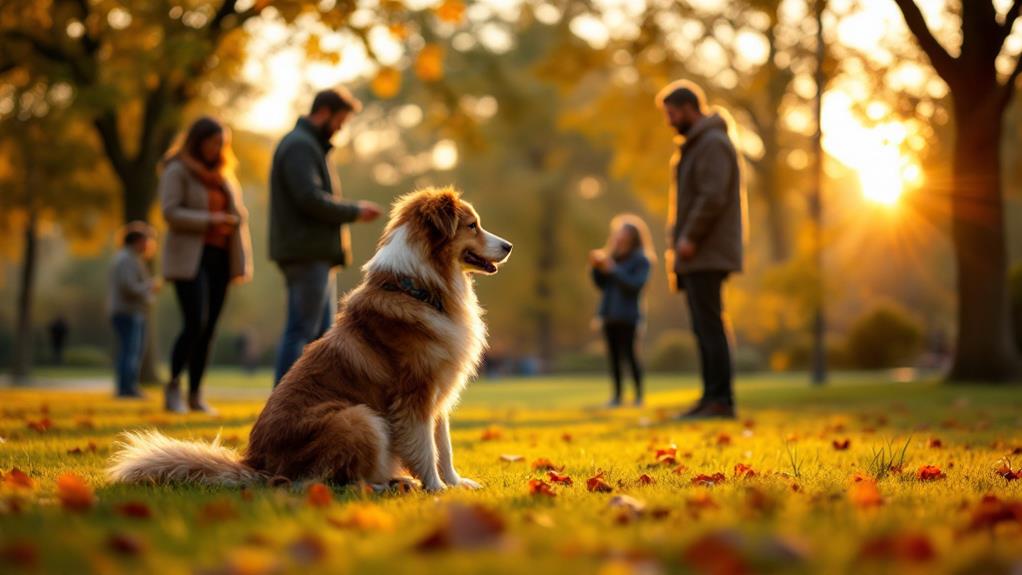
Building on the foundation of managing guest interactions, consistent reinforcement strategies further solidify your dog's understanding of appropriate greeting behavior. Start by focusing on desired behaviors like sitting or keeping all four paws on the ground. When your dog complies, offer immediate praise and a treat as positive reinforcement. This helps them associate the action with a positive outcome, making them more likely to repeat it.
If your dog starts jumping, withdraw your attention immediately. Turn away or leave the room to show that jumping leads to a loss of interaction. This clear consequence reinforces the idea that jumping is undesired. Consistency is key, so make sure all family members enforce the same rules. This prevents confusion and strengthens the training process.
Regular practice sessions are essential. Dedicate time daily to reinforce these behaviors, and remember it can take up to three months for your dog to fully adopt new habits. Stay patient and persistent, using positive reinforcement during these sessions. As your dog gradually learns, they'll become more reliable in greeting people appropriately, making social interactions smoother for everyone involved.