The Story of Thunder: Our Guide Dog Puppy in Training
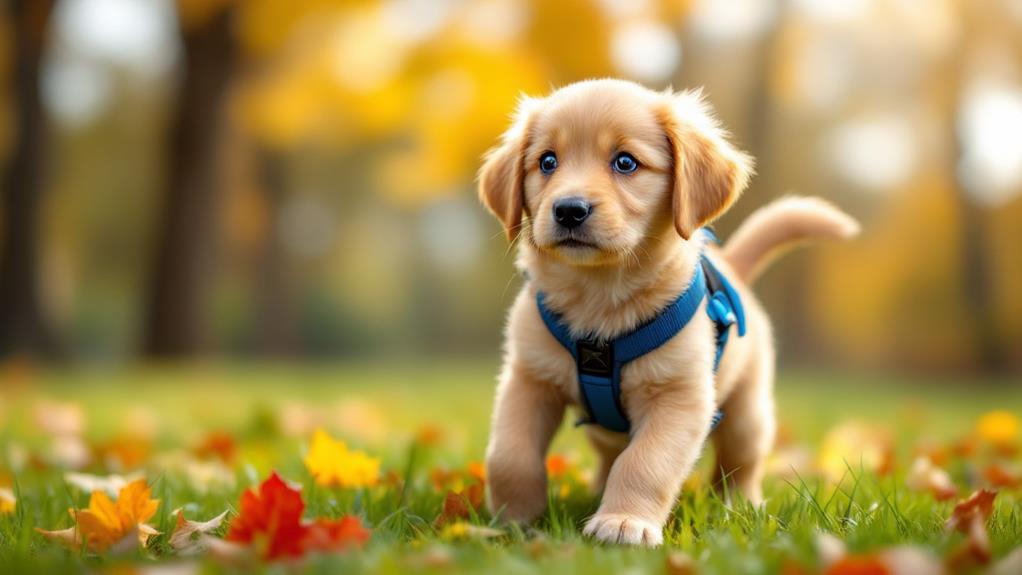
You're about to commence Thunder's remarkable adventure as he transforms from a lively eight-week-old puppy into a poised guide dog. Early on, Thunder engages in diverse socialization, mastering basic commands and learning to navigate real-world obstacles. His training thrives on short, consistent sessions, positive reinforcement, and the nurturing of trust, allowing him to tackle challenges with independence and intelligent disobedience. Thunder's role extends into the community, raising awareness about service animals and enhancing the lives of those with disabilities. As he continues his training, you'll uncover how guide dogs like Thunder change lives while fostering independence and emotional support.
Thunder's Early Days
Thunder's early days are filled with excitement and learning as he begins his quest as a guide dog puppy in training. At just 8 weeks old, Thunder initiates this expedition, where early socialization plays a vital role. You'll see him exposed to a variety of environments, lively sounds, and diverse people. This exposure helps build the confidence and adaptability he needs to become an excellent guide dog for a blind person.
In these initial months, Thunder participates in a structured puppy-raising program. This program emphasizes basic obedience commands and teaches proper behavior in public settings. It's incredible to watch him learn to navigate through obstacles and handle distractions—key skills that will one day allow him to safely guide someone who is visually impaired.
The bond between Thunder and his puppy raisers is another cornerstone of his early days. You'll notice how significant this relationship is, as it fosters trust and effective communication. This foundation is fundamental for successful guide dog partnerships in the future. By nurturing this bond, Thunder not only learns to follow commands but also builds a partnership based on mutual understanding and support.
Training Techniques
Frequently, training techniques for guide dog puppies like Thunder revolve around fostering both skill and trust. From early on, socialization plays a significant role. By exposing Thunder to different environments, sounds, and experiences, you help build his confidence and adaptability, vital traits for guide dogs. Positive reinforcement is your go-to approach during training sessions. Using treats and praise effectively encourages desired behaviors, making learning a rewarding experience for Thunder.
To lay a solid foundation, you start with basic obedience commands such as "sit," "stay," and "come." These commands are important stepping stones for more complex tasks later. Remember, intelligent disobedience is an invaluable skill for guide dogs. It allows them to make important decisions, like refusing to cross a street when it's unsafe, safeguarding the safety of their handlers.
Consistent, short training sessions are key. Aim for 5-10 minutes to reinforce learning without overwhelming Thunder. This keeps him engaged and enthusiastic to learn. Here's a quick guide:
- Socialization: Expose Thunder to different environments early.
- Obedience: Teach basic commands to build a strong foundation.
- Reinforcement: Use treats and praise to encourage learning.
These techniques guarantee Thunder grows into a reliable guide dog.
Building Trust and Bonding
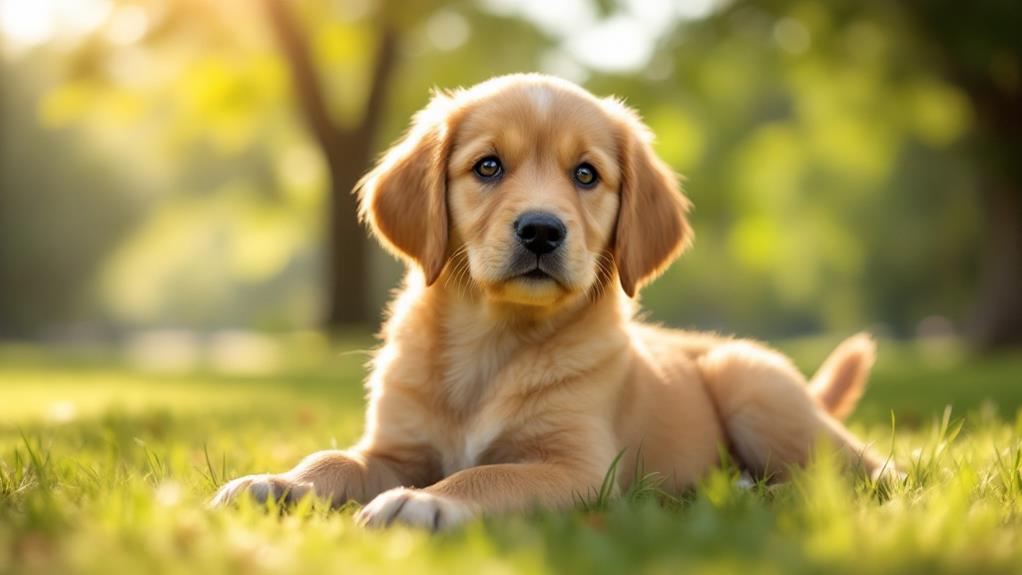
In the process of transforming a guide dog puppy like Thunder into a reliable companion, building trust and bonding are essential. Early socialization and consistent training lay the groundwork for a strong partnership. By exposing Thunder to diverse environments and experiences, you help him adjust and grow confident in maneuvering the world. Positive reinforcement is key; rewarding desired behaviors not only enhances Thunder's confidence but also strengthens your bond. When Thunder reliably responds to your commands, it fosters mutual trust.
Regular interaction is vital, too. Playtime and shared experiences improve the emotional connection. It's through these moments that you and Thunder build a deep understanding of each other. Communication is critical, especially when interpreting Thunder's body language. Recognizing when he's anxious or excited allows you to respond effectively, reinforcing your bond.
Knowing Thunder's capabilities and limitations helps you traverse the environment together efficiently. This understanding is a cornerstone of trust, ensuring that Thunder feels supported and valued. As you guide him, your knowledge and empathy create a trusting atmosphere where Thunder can thrive. This successful partnership hinges on the trust and bond cultivated through your dedicated training and communication efforts.
Overcoming Training Challenges
Building trust and bonding with Thunder lays the groundwork for addressing the training challenges ahead. As you initiate this expedition, keep in mind that guide dogs like Roselle require rigorous training to prepare for their significant roles. These dogs must master socialization, obedience, and specialized task skills. One key challenge you might face is overcoming environmental distractions. Thunder must learn to focus and ignore non-threatening disruptions, which is imperative for guaranteeing safety for people with disabilities.
Intelligent disobedience is another important skill Thunder needs to develop. This involves making independent decisions to protect the handler from potential dangers, even if it means defying a command. Establishing trust between you and Thunder is fundamental in fostering this skill. Here's how you can tackle these training challenges effectively:
- Consistency is Key: Providing consistent reinforcement and positive feedback helps build Thunder's confidence and reliability.
- Real-Life Scenarios: Engage Thunder in real-life situations to guarantee adaptability and responsiveness to unpredictable circumstances.
- Encourage Problem-Solving: Support Thunder's decision-making by allowing safe opportunities for intelligent disobedience to develop naturally.
Thunder's Role in the Community
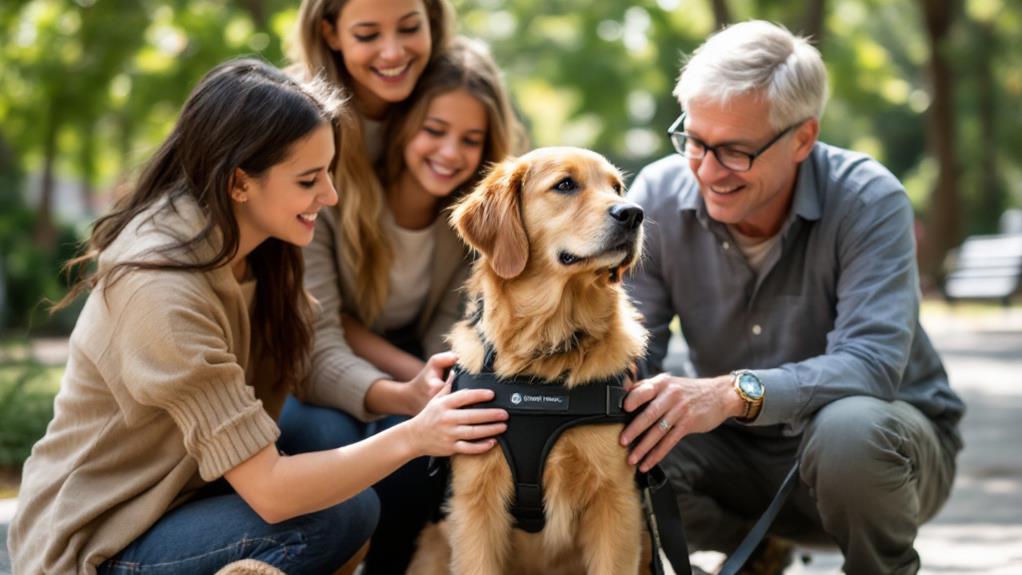
As you watch Thunder navigate the world as a guide dog puppy in training, you'll see him not just learning but actively contributing to the community's understanding of service animals. Thunder plays a significant role in raising awareness of the importance of these companions. By engaging with people during community events, he showcases the vital support service animals provide to individuals with disabilities. These interactions help educate the public on their rights and responsibilities around service animals, leading to greater acceptance and inclusion.
Thunder's presence at local events offers a unique opportunity for hands-on experiences. People can see firsthand how guide dogs operate, which dispels common myths and fosters a supportive environment for those who rely on these animals. His training includes collaboration with volunteers and organizations dedicated to disability rights, emphasizing the importance of continuous education and advocacy.
Through participation in outreach programs, Thunder helps strengthen community networks, prioritizing accessibility. His involvement guarantees that the community moves toward a more inclusive environment, recognizing the significance of service animals and the invaluable role they play in enhancing the lives of people with disabilities. Thunder's contributions are vital in building an understanding, accepting society.
The Impact of Guide Dogs
Thunder's work in the community highlights the broader impact guide dogs have on society. These incredible animals are more than just helpers; they transform lives. For visually impaired individuals, guide dogs provide the crucial gifts of mobility and independence, allowing you to traverse the world safely and confidently. The bond formed between you and your guide dog is built on trust, making it possible to face and overcome obstacles together.
Training a guide dog like Thunder involves a rigorous program that focuses on socialization, obedience, and task-specific skills. This prepares them for the real-world challenges they'll encounter with their handlers. The presence of a guide dog can make a world of difference in a visually impaired person's life by enhancing their quality of life and emotional well-being. Here's how guide dogs impact the lives of their handlers:
- Mobility: They help you move around safely, regardless of whether you're crossing busy streets or traversing crowded spaces.
- Independence: You can live more autonomously, no longer relying solely on others for assistance.
- Emotional Support: Their companionship reduces feelings of isolation and enhances your confidence.
In essence, guide dogs are life-changers.
Looking Forward With Thunder
With an eye on the future, Thunder's expedition as a guide dog in training is both thrilling and essential. You're witnessing Thunder's quest firsthand, as he sets out on an intensive 12 to 18-month guide dog training program. This period isn't just about mastering basic obedience; it's about molding Thunder into a reliable partner for someone with a disability. Through consistent socialization, Thunder learns to maneuver through diverse environments, guaranteeing he can handle any situation that comes his way.
In training, Thunder will acquire fundamental skills like stopping at curbs, maneuvering around obstacles, and responding promptly to commands. These skills are imperative for the safety and independence of those who are visually impaired. Regular evaluations during his training confirm that Thunder meets the high standards expected of a guide dog. This attention to detail is critical to assure that he's ready to serve effectively.
Community involvement is key to Thunder's success. Through socialization and exposure to real-world scenarios, Thunder gains invaluable experience that improves his learning. Your support in this quest is paramount, as it helps Thunder become a dependable companion, ready to change the life of someone with a disability.