The Most Popular Dog Breeds in Russia: Russian Canine Favorites
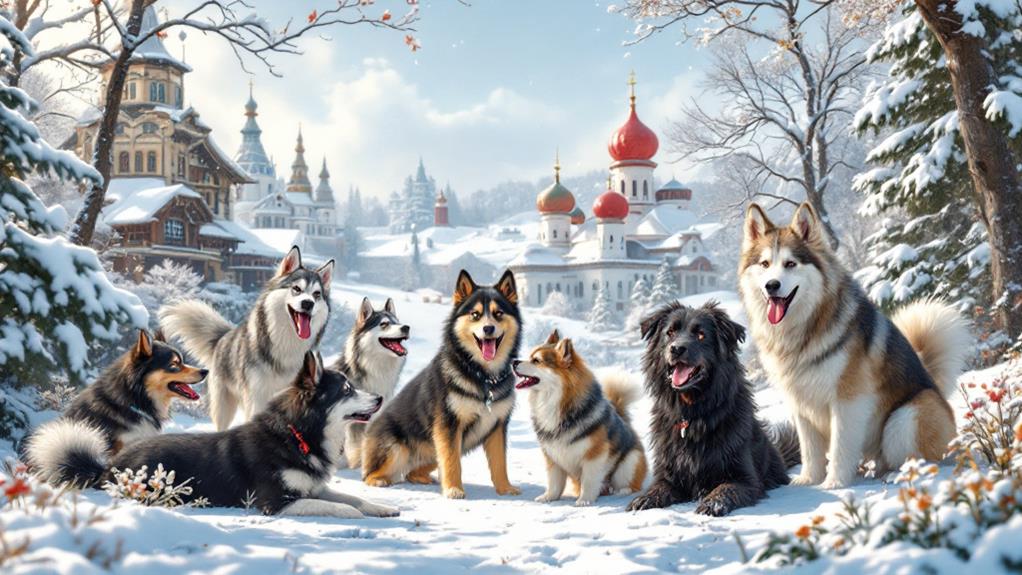
When exploring Russia's favorite dog breeds, you'll find that each one reflects the region's cultural and environmental diversity. The Siberian Husky and Samoyed thrive in cold climates with their endurance and furry white coats. The Borzoi, once a symbol of Russian aristocracy, offers elegance and speed. For protection and guarding, Russians favor the robust Black Russian Terrier and the formidable Caucasian Shepherd. Meanwhile, the Russian Toy suits city dwellers with its compact size and cheerful demeanor. These breeds aren't just pets—they're part of life and history. There's much more to uncover about their roles and intricacies.
Russian Dog Breeds Overview
Investigating the rich tapestry of Russian dog breeds reveals a fascinating blend of history, function, and adaptability. When you immerse yourself in this world, you'll uncover breeds like the Siberian Husky, known for its endurance and strength in harsh climates. Originally bred by the Chukchi people for sledding, these dogs embody loyalty and resilience. Another standout is the Caucasian Shepherd, a breed developed for guarding livestock. Its loyalty and independence make it an exceptional protector, though it demands experienced handling due to its size and instinct for safeguarding.
The Russian Wolfhound, now called the Borzoi, offers a glimpse into the world of hunting. Historically tied to Russian aristocracy, the Borzoi is celebrated for its graceful appearance and hunting prowess. These breeds, each with their unique characteristics, reflect Russia's diverse landscape and the specific tasks they were developed for—be it herding, guarding, or hunting. The loyalty and adaptability of these breeds have guaranteed their place in the hearts of dog enthusiasts worldwide. As you investigate these Russian dog breeds, you gain insight into their remarkable blend of function and form, rooted in a longstanding human-canine relationship.
Historical Dog Breeds in Russia
The footsteps of history echo through the paws of Russia's ancient dog breeds. Going back 33,000 years, the earliest dog remains found in Russia's Altai Mountains testify to a long tradition of canine companionship. In the 10th to 14th centuries, Russian dog breeds played distinct roles. Medium-sized dogs were trusted for guarding, while the affluent celebrated small and large breeds for companionship and status.
The Borzoi stands as a symbol of Russian aristocracy, known for its elegance and speed in hunting. However, the Russian Revolution nearly wiped them out, illustrating how socio-political upheavals can impact breeds. Meanwhile, the Caucasian Shepherd Dog and Central Asian Shepherd Dog were bred for more rugged purposes. These breeds excelled in livestock protection, thanks to their strength and adaptability to Russia's harsh climates.
Their evolution reflects the practical needs of indigenous people, who required dogs that could herd and guard in harsh environments. These historical dog breeds not only adapted to the climatic challenges but also to the societal roles they were entrusted with, showcasing a rich tapestry of companionship and utility across Russian history.
Role of Dogs in Russian Society
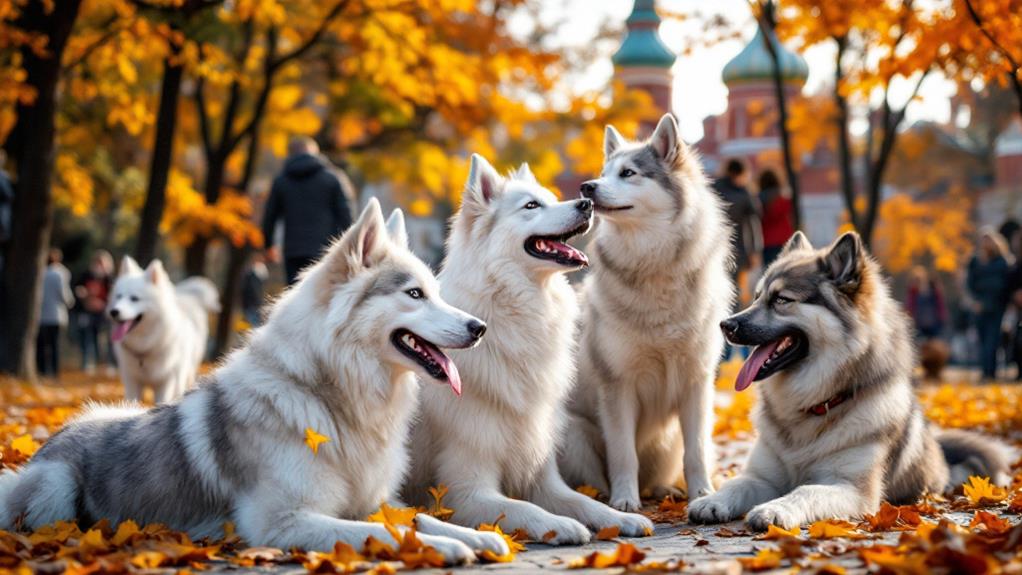
Certainly, dogs have long held significant roles in Russian society, seamlessly integrating into diverse aspects of daily life. Historically, Russian dogs have been fundamental as working animals, herding livestock, guarding properties, and even serving in the military during the Soviet period. Today, the shift towards urban living has influenced the popularity of specific breeds. You'll find that small and medium-sized dogs are favored for their adaptability to apartment life, offering companionship in spaces where room is limited.
In Russian households, dogs are cherished family members, providing emotional sensitivity and unwavering loyalty. Their roles extend beyond the home, as seen in cultural influences where prominent figures like President Putin exemplify the bond between leadership and canine companionship. This connection adds a layer of symbolism in public life.
The Russian Cynological Society plays a vital role in structuring dog ownership, akin to the American Kennel Club. They emphasize responsible breeding and ownership, contributing to the prominence of popular dog breeds.
- Dogs serve as symbols of leadership and companionship in Russia.
- Urban living preferences shape the choice of dog breeds.
- Working animals have historical significance in Russian society.
- The Russian Cynological Society guarantees responsible dog ownership.
- Emotional sensitivity is valued in canine companions.
Black Russian Terrier
Amidst the array of dogs that have shaped Russian society, the Black Russian Terrier stands out as a remarkable breed with a storied past. Developed in the 1930s in Moscow, this breed was initially bred for military and guard roles, highlighting its loyalty and protective nature. Standing between 26 to 30 inches tall and weighing between 80 to 130 pounds, the Black Russian Terrier boasts a strong and robust physique, crucial for its original duties.
Approximately 15%-30% of its ancestry is terrier, blended with breeds like the Rottweiler and Newfoundland, which improve its working abilities. Recognized by the American Kennel Club in 2004, the Black Russian Terrier has since gained popularity not only as a devoted companion but also as a protective family dog. However, owning such a dog requires commitment.
With its intelligence and strong work ethic, the Black Russian Terrier needs experienced owners who can handle effective training and facilitate proper socialization. Its protective instincts and loyalty make it an ideal choice for those seeking a steadfast guardian. If you're considering this breed, be prepared to invest time in nurturing its development for a rewarding relationship.
Borzoi: The Russian Wolfhound
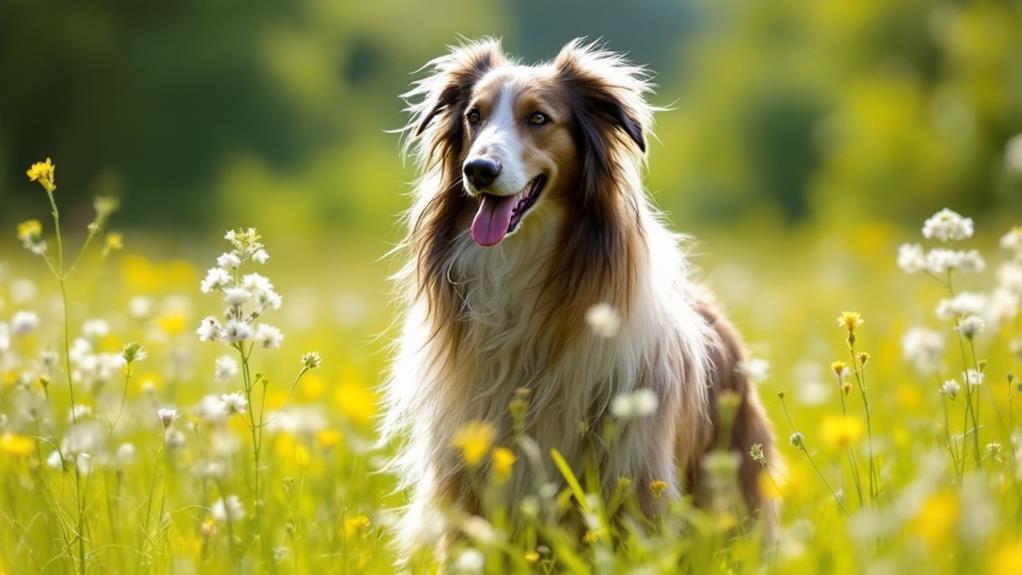
Have you ever wondered about the majestic elegance of the Borzoi, also known as the Russian Wolfhound? This breed is a sight to behold with its long legs, narrow head, and flowing coat. Originally bred to hunt wolves in Russia, the Borzoi stands between 26 to 32 inches tall and weighs 60 to 105 pounds, making it one of the larger dog breeds. Despite their imposing size, Borzois are known for their gentle temperament, making them excellent companions for families. They form strong bonds with their owners and get along well with children.
To keep a Borzoi happy and healthy, you'll need to provide regular exercise. Their impressive speeds, reaching up to 40 mph, place them among the fastest dog breeds. Grooming is another crucial aspect of Borzoi care due to their beautiful coat, which requires attention to maintain its appearance and health.
Here are some key points about the Borzoi:
- Known for their elegant and graceful appearance.
- Require regular exercise to keep them fit and happy.
- Form strong bonds with families and are gentle with kids.
- Among the fastest dog breeds, capable of reaching 40 mph.
- Need consistent grooming due to their long, flowing coat.
Siberian Husky Popularity
Siberian Huskies have captured the hearts of dog enthusiasts worldwide, standing out with their enchanting blue or multicolored eyes and energetic demeanor. As one of the oldest breeds, the Siberian Husky originated over 4,000 years ago with the Chukchi people in Siberia, bred primarily for sledding and companionship. Their striking eyes and thick double coat make them perfect for cold climates, enhancing their role as sled dogs.
In Russia, Siberian Huskies' popularity is evident, with around 20,000 registered in 2017 alone. This enduring fascination stems from their exceptional endurance and bravery, famously showcased during the 1925 serum run to Nome. Their ability to thrive in harsh conditions and their historical significance as sled dogs contribute to their appeal.
Their friendly, social nature makes them ideal for active families who can meet their high exercise needs. If you're considering a Siberian Husky, ascertain you have both the time and energy to provide adequate mental stimulation and physical activity. These dogs aren't just for show; they require companionship and thrive with plenty of exercise. Welcome their lively spirit, and you'll find a loyal and dynamic companion in a Siberian Husky.
Samoyed: The Smiling Sled Dog
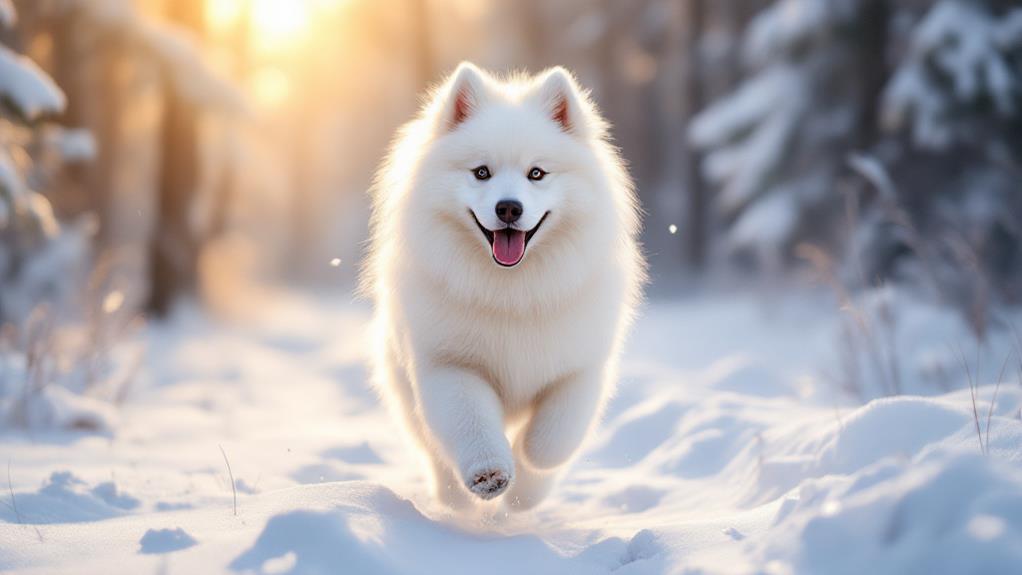
While Siberian Huskies are well-known for their striking appearance, the Samoyed, often dubbed the "Smiling Sled Dog," brings its own charm with a gentle and friendly demeanor. Originally developed by the Samoyedic people, Samoyeds were bred for herding reindeer and pulling sleds, showcasing their history as hardworking sled dogs. Their fluffy white coat and distinctive "Sammy smile" make them stand out as both beautiful and approachable.
Samoyeds are excellent family companions, known for their sociable nature and love for children and other pets. Their friendly disposition means they thrive in family settings. However, their working dog ancestry means they require regular exercise and mental stimulation. Regardless of a daily walk or a playful game, keeping them active is vital for their happiness.
Samoyeds are also known for their remarkable adaptability, having been bred to withstand the harshest climates, with their thick coat providing protection in temperatures as low as -50 degrees Celsius. For prospective Samoyed owners, here are a few significant points to reflect on:
- Height: 19 to 24 inches
- Weight: 35 to 65 pounds
- Grooming: Regular maintenance needed
- Exercise: Daily activity required
- Temperament: Friendly and sociable
The Loyal Caucasian Shepherd
The Caucasian Shepherd Dog, a breed known for its impressive size and strength, commands attention with its formidable presence. Standing between 23 to 30 inches tall and weighing 99 to 170 pounds, it's no surprise that this breed has been a staple for guarding livestock for over 2,500 years. Originating in the Caucasus region, these dogs developed strong guarding instincts to protect flocks from predators, showcasing their natural courage and determination.
Their thick long coat provides excellent insulation, making them well-suited for harsh climates and guaranteeing they're comfortable in extreme weather. Despite their formidable appearance, they're incredibly loyal companions. They form strong bonds with their families, acting as devoted family guardians who are both protective and affectionate.
However, owning a Caucasian Shepherd Dog requires more than admiration for their loyalty. Their independence and assertiveness mean they need experienced ownership. Early socialization and training are crucial to manage their behavior effectively. Without it, their guarding instincts might become overly protective, leading to challenges. If you're considering this breed, verify you're prepared for the commitment, as these dogs thrive in environments where their traits are understood and respected.
Russian Toy Breeds
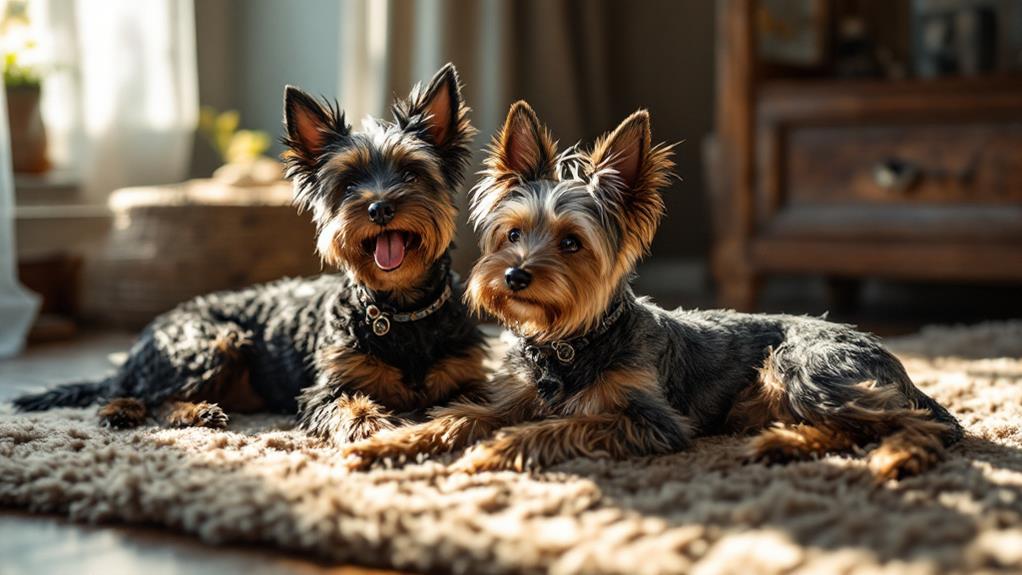
Shifting from the mighty Caucasian Shepherd to a breed that fits comfortably in your lap, we investigate the charming Russian Toy. This small dog, reaching just 8-11 inches tall and weighing 6-7 pounds, is perfect for urban settings. Once a fashionable accessory among the Russian elite in the 18th century, the Russian Toy faced near extinction after the Russian Revolution but saw a revival thanks to enthusiastic breeders. Recognized by the American Kennel Club in 2022, these companion dogs are celebrated for their lively personality and strong attachment to their owners.
Despite their petite size, Russian Toys are effective watchdogs, often displaying a bold and protective demeanor. They come in two coat types: smooth and long-haired. Both require regular grooming to keep them in top form. Their intelligence and willingness to please make them delightful companions for those who appreciate a dog that's both stylish and smart.
- Size and Weight: Ideal for apartment living, standing 8-11 inches and weighing 6-7 pounds.
- Historical Significance: Once a status symbol, nearly lost post-revolution.
- Coat Varieties: Available in smooth and long-haired.
- Personality: Lively, intelligent, and protective.
- Grooming Needs: Regular grooming crucial for coat health.