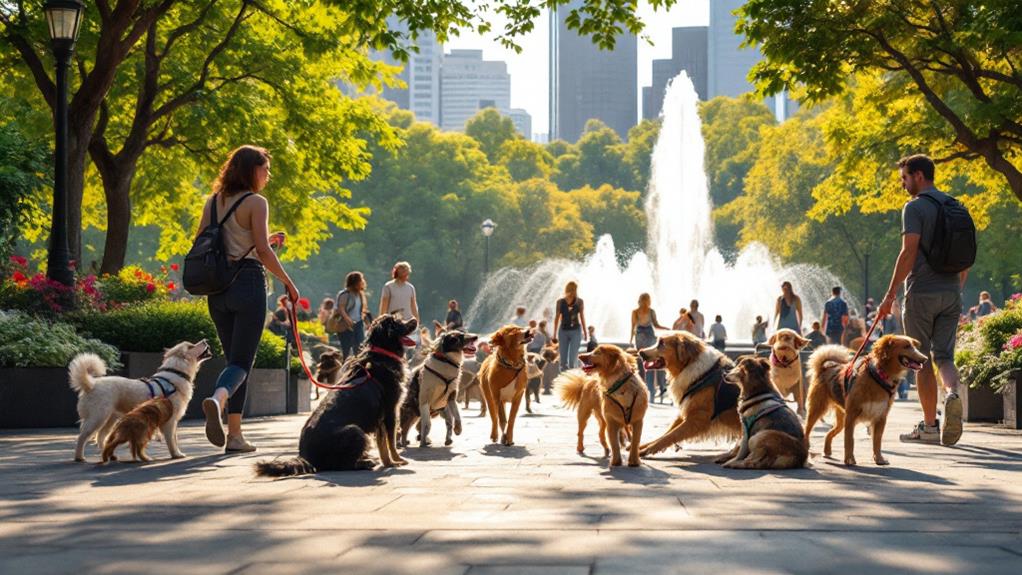
The Benefits of Walking Your Dog Daily: Physical and Mental Health
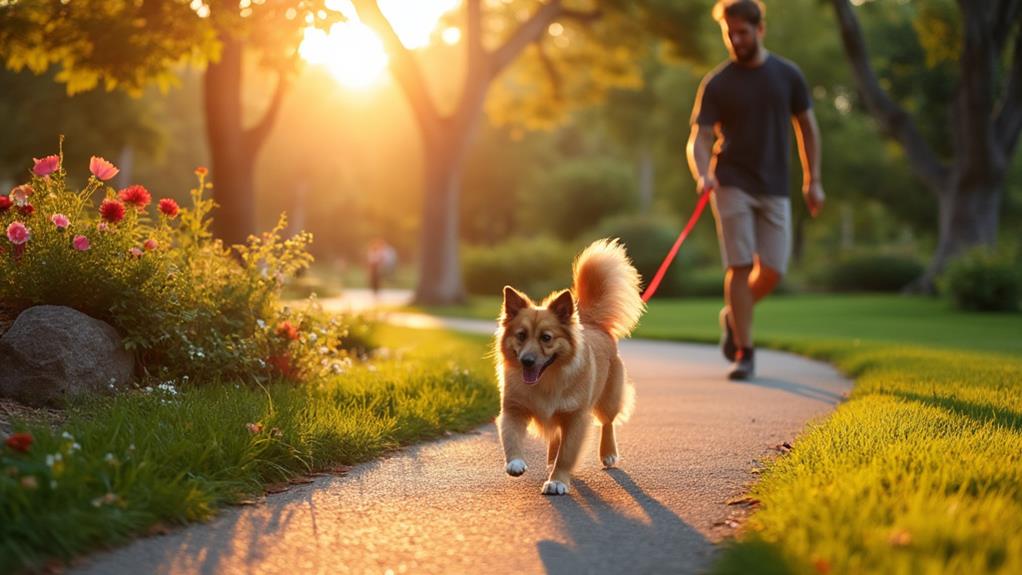
Walking your dog daily is more than a simple routine; it's a versatile activity that elevates your health both physically and mentally. You increase your physical fitness, helping with weight management and reducing the risk of chronic diseases like cardiovascular issues. It improves mental well-being, easing anxiety and promoting better sleep. Social bonds also enhance as you interact with fellow dog enthusiasts, lessening feelings of loneliness. Plus, you're contributing to a cleaner, more connected community. Equip yourself with the right gear, respect the environment, and enjoy a healthier, happier lifestyle. Uncover all the remarkable ways this habit transforms your life.
Key Takeaways
- Daily dog walking boosts physical fitness, reducing obesity and chronic disease risks while enhancing cardiovascular health.
- Walking your dog daily improves mental well-being by reducing anxiety, depression, and stress levels.
- Regular dog walking enhances sleep quality through increased physical activity and better circadian rhythm regulation.
- Walking your dog fosters social connections and community engagement, reducing loneliness and strengthening neighborhood ties.
- Responsible dog walking promotes environmental stewardship and cleaner neighborhoods through proper waste disposal.
Boosting Physical Fitness
Walking your dog daily is a simple yet effective way to improve your physical fitness. By engaging in regular dog walking, you greatly increase your daily physical activity. On average, dog owners walk about 30 minutes daily, which can help reduce the risk of obesity and chronic diseases, including cardiovascular disease. Your commitment to regular exercise not only improves your physical health but also elevates your total health by lowering blood pressure and resting heart rate, which are key factors in maintaining cardiovascular fitness.
Dog walking doesn't just benefit your heart; it also strengthens your muscles, bones, and joints. This is particularly crucial for joint mobility, especially as you grow older. Regular walks with your dog promote joint health and flexibility, which is beneficial for both you and your furry friend. Engaging in just 20 minutes of moderate exercise like walking can have profound effects on your total physical well-being.
Moreover, as a dog owner, you're 34% more likely to meet exercise guidelines, making dog walking a motivating factor for maintaining regular physical activity. This commitment to exercise also improves your sleep quality, allowing you to enjoy deeper rest and combat sleep deprivation.
Enhancing Mental Well-being
A daily walk with your dog isn't just great for physical health; it considerably improves mental well-being too. Regular dog walking reduces anxiety and depression symptoms, augmenting your mental health by lowering cortisol levels and increasing serotonin and dopamine. This physical activity also releases endorphins, which provide a healthy distraction from negative thoughts, enhancing your emotional well-being. Engaging in regular walks with your dog fosters a sense of purpose and responsibility, markedly elevating your mood and promoting mindfulness as you interact with your surroundings.
Walking your dog daily doesn't just benefit you mentally; it also improves your dog's mental health. Both of you can enjoy better sleep quality and reduced stress levels through consistent walking routines, leading to improved mental clarity and emotional stability. This shared activity strengthens your bond and creates a fulfilling experience for you both.
Additionally, while increasing social connectedness will be discussed in more detail in the next section, it's worth noting that dog walking naturally encourages casual interactions with other dog walkers. These moments of connection further contribute to your emotional well-being, helping you feel less isolated and more a part of your community.
Strengthening Social Connections
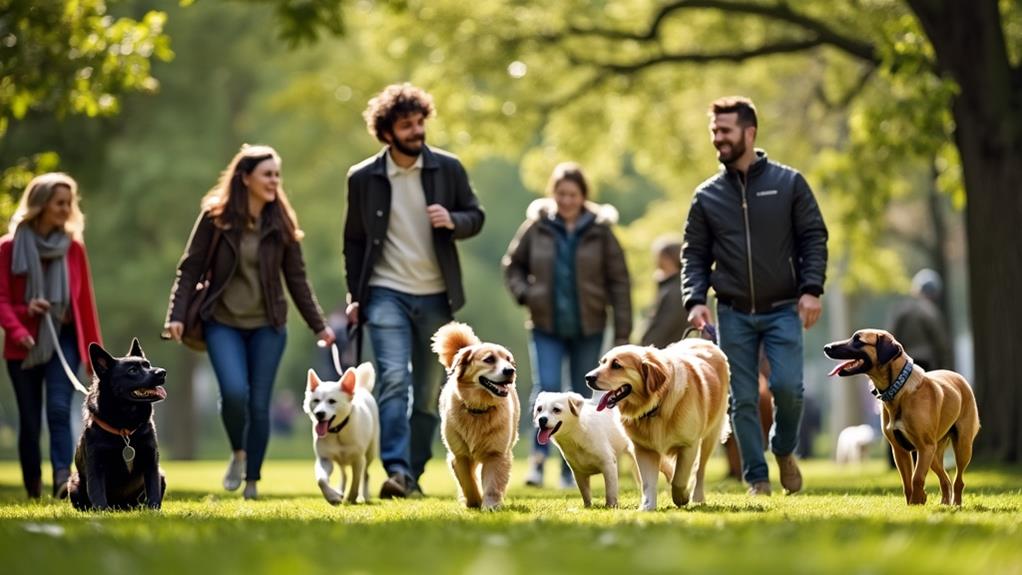
Dog walking offers a wonderful opportunity to strengthen social connections. As a dog owner, you'll find that walking your furry friend opens the door to social interaction. People often perceive dog owners as approachable, making it easier to strike up casual conversations with neighbors or fellow dog enthusiasts. These interactions can lead to lasting friendships and a greater sense of community engagement.
Local dog parks serve as lively social hubs, where you can connect with other pet owners. Visiting these parks regularly not only helps your dog to socialize but also allows you to engage in meaningful conversations, fostering a sense of belonging. This community engagement is essential in reducing loneliness, especially for elderly or socially isolated individuals. Dog walking introduces you to a network of people who share your interests, offering consistent opportunities for companionship.
Additionally, studies highlight that dog walkers are twice as likely to meet physical activity guidelines. This shared commitment to physical activity can further strengthen community bonds, as you and other dog owners motivate each other to stay active. The presence of your dog naturally breaks down social barriers, encouraging frequent interactions and contributing to a more connected and supportive community.
Supporting Cardiovascular Health
While strengthening social connections through dog walking is rewarding, it also plays a significant role in enhancing cardiovascular health. Regularly walking your dog not only meets exercise guidelines but also reduces risks of heart disease and high blood pressure. Studies indicate that dog owners are 34% more likely to adhere to recommended exercise routines, which is a substantial enhancement for your heart.
Engaging in 30 minutes of brisk walking with your dog five times a week can lead to significant improvements in cardiovascular function and general fitness. This simple routine strengthens muscles and bones, supports joint health, and notably, keeps your cardiovascular system robust as you grow older. As you consistently walk, you'll notice lower resting heart rates and blood pressure, both key factors in maintaining a healthier heart and reducing the risk of stroke and other cardiovascular diseases.
Moreover, the health benefits translate to financial savings. Dog owners who regularly walk their pets report visiting doctors 15% less frequently, underscoring the long-term benefits of this enjoyable exercise. By incorporating regular dog walks into your routine, you're actively investing in your cardiovascular health and reaping multifaceted rewards.
Promoting Weight Management
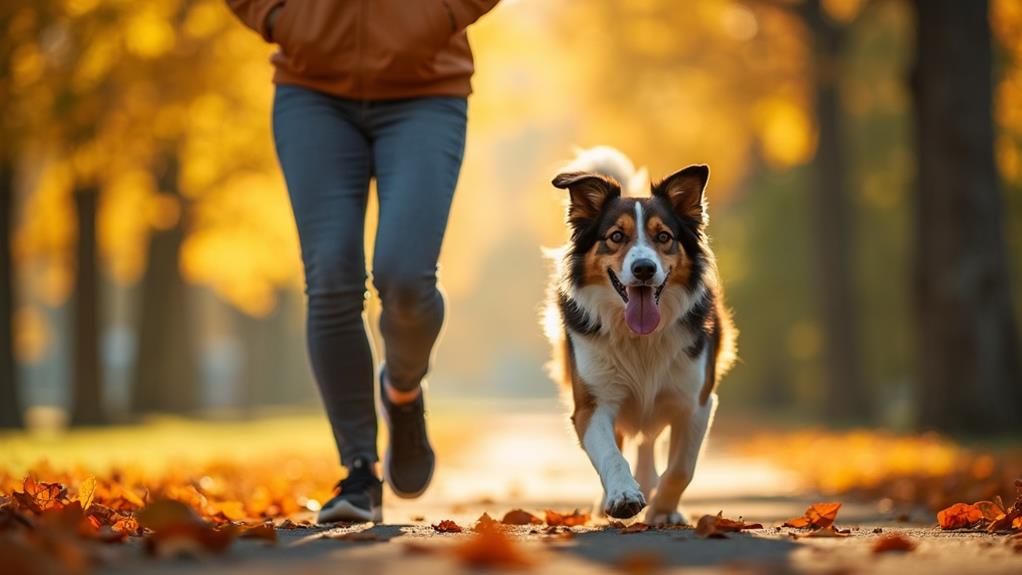
Regularly walking your dog plays an important role in managing both your pet's weight and your own. By engaging in regular walking, you create a structured walking schedule that not only promotes weight loss but also combats obesity in dogs. Obesity in dogs can lead to serious health complications like cardiovascular disease and osteoarthritis. To prevent these issues and improve general mobility, it's important to incorporate physical activity into your daily routine.
Here are a few key health benefits of maintaining a regular walking schedule with your dog:
- Weight Loss: Walking helps burn calories, which is necessary for weight management. Studies show that consistent walking has led to noticeable weight loss in many dogs.
- Joint Health: Regular physical activity reduces stiffness and improves joint health, promoting better function as your dog matures.
- General Well-being: A structured walking routine guarantees regular bathroom breaks, preventing urinary tract infections and contributing to your dog's overall health.
Veterinarians often commend the improvements seen in dogs that engage in regular walking. By committing to a daily walking schedule, you help your dog maintain a healthy weight and enjoy the numerous health benefits that come with it.
Encouraging Community Engagement
Amidst the shared routines and experiences of walking your dog, you'll find a unique opportunity to foster community connections. Dog walking isn't just a solitary task; it's a gateway to community engagement. As you stroll through your neighborhood or visit local parks, you'll naturally encounter fellow pet owners. These shared spaces become fertile grounds for social interactions, where casual conversations can blossom into lasting friendships. By consistently engaging in dog walking, you reduce feelings of loneliness and strengthen neighborhood ties.
Local parks often transform into lively social hubs, where pet owners gather, share advice, and sometimes organize group walks or club activities. These interactions not only enrich your social life but also create a sense of community pride. You'll find yourself more invested in maintaining clean and safe environments for everyone. As people see you as approachable and friendly, you contribute to a positive neighborhood atmosphere.
Through responsible dog walking practices, you'll take part in fostering a community spirit of stewardship and cooperation. Engaging with others during your daily routine doesn't just benefit you and your dog; it improves the entire community, creating a more connected and caring neighborhood.
Improving Sleep Quality
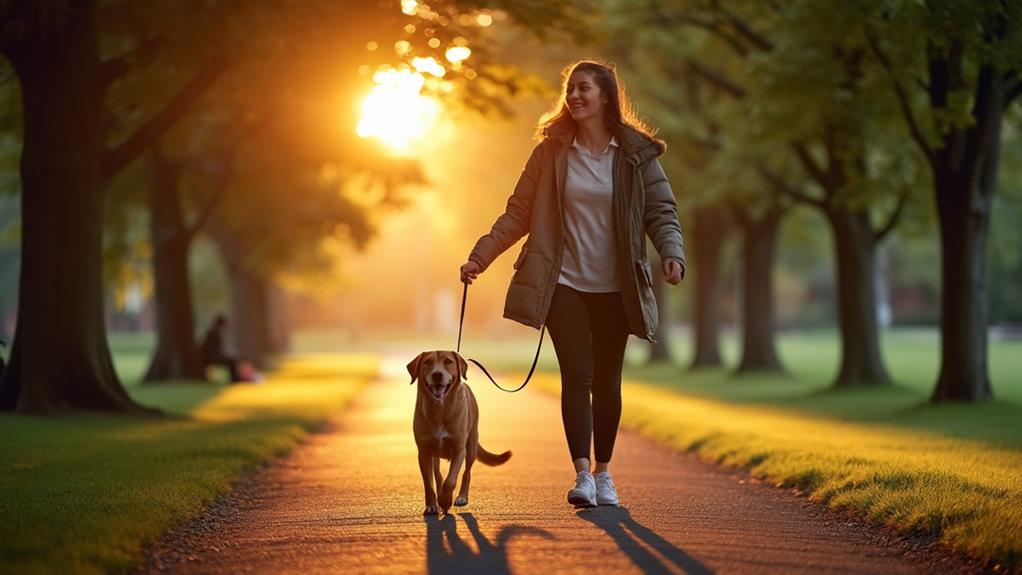
Taking your dog for a daily walk can work wonders for your sleep quality. Regular physical activity through walking your dog not only improves your health but also promotes deeper, more restful sleep. Studies show that just 30 minutes of moderate exercise, like a brisk walk with your furry friend, can greatly enhance both sleep duration and quality. As a dog owner, you'll likely experience less sleep deprivation. Here's how walking your dog helps:
- Regulates Circadian Rhythms: Daily walks help synchronize your body's internal clock, leading to healthier sleep patterns. Physical exertion during the day encourages your body to rest more effectively at night.
- Reduces Insomnia Symptoms: Increased physical activity from walking reduces insomnia symptoms, allowing both you and your dog to enjoy more restful nights.
- Alleviates Anxiety and Stress: Engaging in regular walks helps lower anxiety and stress levels. This reduction in mental stress contributes to improved sleep quality for both you and your pet.
Preparing for Walks
Preparing for a walk with your dog involves some thoughtful steps to guarantee a safe and enjoyable experience. Start with stretching exercises for yourself, focusing on your legs, back, and arms. This will help prevent injuries and improve your mobility during the walk. Make certain both you and your dog have the right equipment. Invest in a comfortable harness for your dog to avoid any discomfort or strain during your regular walks. For yourself, wear good walking shoes that provide support and comfort.
Don't forget to carry waste bags. Cleaning up after your dog is vital for maintaining community health and demonstrating responsible pet ownership. Hydration is similarly significant, so bring water and a portable bowl for your dog, especially on longer walks or during hot weather. This keeps both of you refreshed and energized.
Aim for regular walks, ideally 30 minutes, five times a week. If your schedule is tight, break these into shorter sessions to fit into your daily routine more easily. By preparing for walks properly, you guarantee each outing is a positive experience for both you and your furry friend, reinforcing the benefits of this healthy activity.
Essential Walking Gear
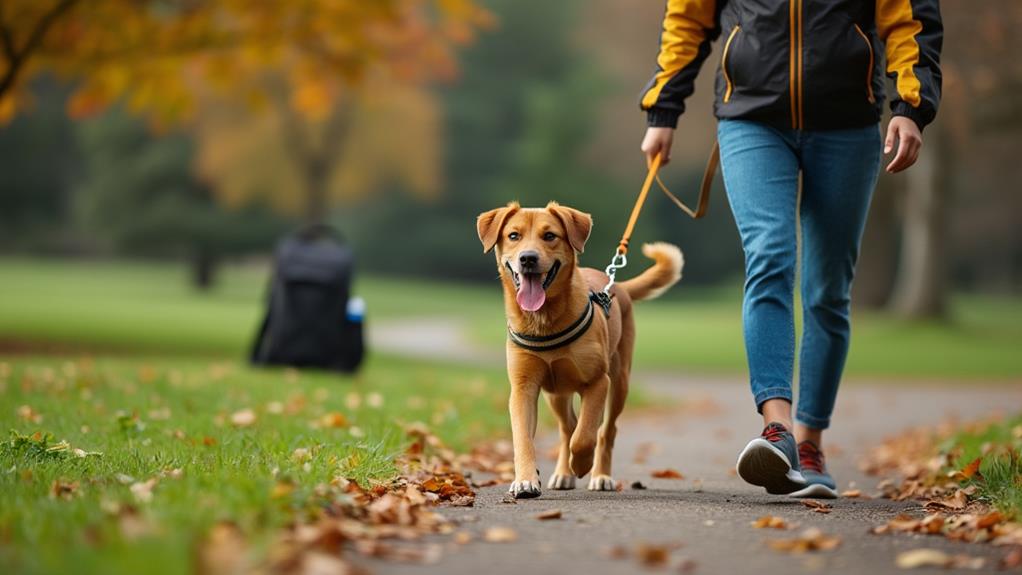
Once you're ready for walks, having the right gear is key to making them enjoyable and safe. Walking dogs becomes much easier with the right necessities. Start by confirming you have a sturdy leash and a comfortable harness. These are significant pieces of fundamental walking gear that help prevent neck strain on your dog and give you better control, especially if your dog tends to pull.
Next, think about yourself. Wearing good walking shoes is important for your comfort and support. They help prevent injuries and fatigue, especially during longer walks, so you can keep up with your furry friend without any discomfort.
Finally, don't forget the essentials:
- Plastic waste bags - Always carry these to clean up after your dog, promoting community health and responsible pet ownership.
- Hydration - For longer walks, bring water and a portable bowl to keep both you and your dog hydrated, especially in hot weather.
- First Aid Kit - Consider packing a small kit with bandages and antiseptic wipes for minor injuries.
Having the right gear guarantees every walk is a safe and pleasant experience for both you and your dog.
Environmental Considerations
Dog walking isn't just beneficial for you and your pet; it also supports environmental stewardship. When you take your dog out for a walk, you're actively engaging with local parks and green spaces. This not only provides a healthy outing for your furry friend but also instills a sense of community pride. By responsibly disposing of your dog's waste, you contribute to cleaner neighborhoods, enhancing the general cleanliness of the environment you both enjoy.
Your regular walks help raise awareness about the importance of preserving natural habitats. As you and your pet navigate these areas, you become more attuned to the beauty and necessity of these green spaces. This heightened appreciation for nature fosters a collective responsibility for environmental conservation among community members.