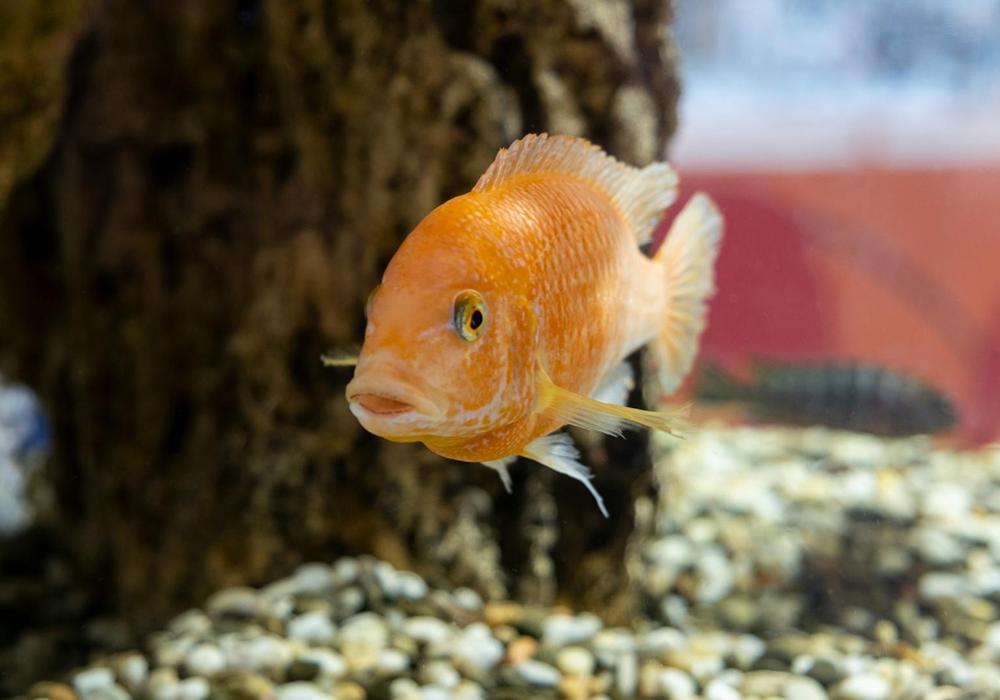
The Benefits of Aquariums in Reception Areas and Waiting Rooms
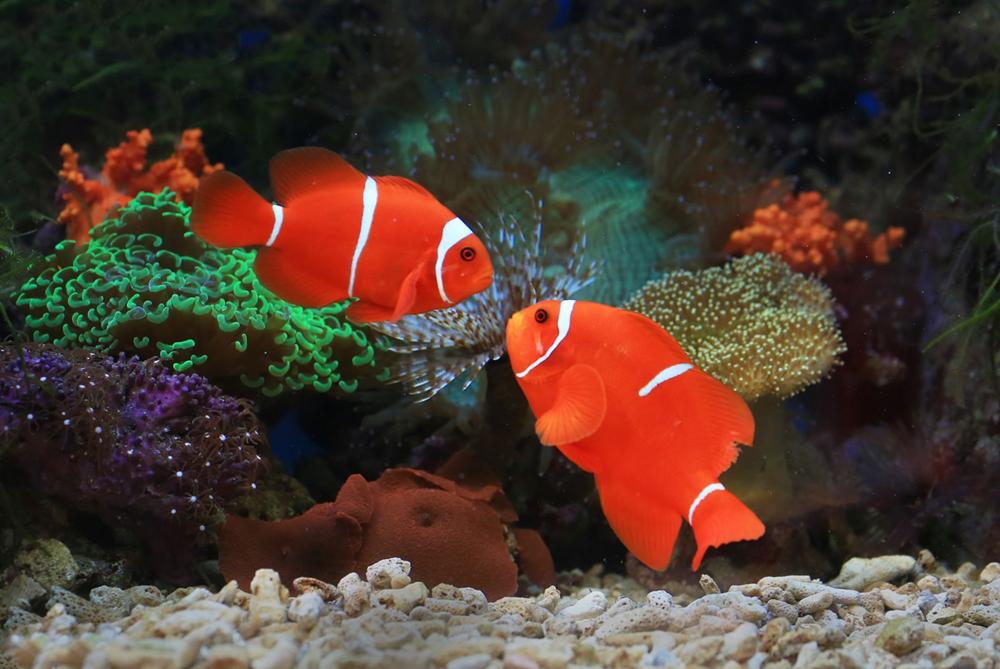
How a living, moving display of aquatic life can transform the feel of your premises — and why renting from a specialist is the smart choice
Introduction
First impressions matter enormously. Whether it is a dental surgery, a solicitor's office, a veterinary clinic, or a corporate headquarters, the reception area sets the tone for every visitor who walks through the door. It communicates something about the organisation before a single word is spoken — whether it is warm or cold, attentive or indifferent, thoughtful or generic.
Few features make a stronger or more immediate statement than a well-maintained aquarium. Unlike artwork, pot plants, or a neatly arranged magazine rack, a living aquarium draws the eye instinctively. It creates movement, colour, and a sense of calm that no other decorative feature can fully replicate.
This article explores the documented and practical benefits of placing an aquarium in a commercial reception or waiting room, examines the range of options available to institutions considering this step, and makes the case for why renting from a specialist aquarium supplier — rather than purchasing outright — is, for most organisations, by far the most sensible approach.
The Psychological Benefits of Aquariums in Waiting Spaces
Reducing Anxiety and Stress
Waiting is inherently stressful. Whether a patient is sitting in a GP surgery before difficult news, a client is waiting to discuss a legal matter, or a job applicant is composing themselves before an interview, the anticipation of what lies ahead creates measurable psychological tension.
Research consistently demonstrates that observing aquatic life reduces this tension significantly. A landmark study conducted at Exeter University found that watching fish in an aquarium produced meaningful reductions in heart rate and blood pressure in participants, with the calming effect increasing with the number of fish present. The combination of gentle movement, muted colour, and the near-silence of a well-maintained tank appears to activate the parasympathetic nervous system — the body's "rest and digest" mode — counteracting the physiological symptoms of anxiety.
For healthcare environments in particular, this is not a trivial benefit. A calmer patient is easier to treat, more receptive to information, and more likely to engage honestly with clinical staff. For any environment where visitors arrive already under stress, an aquarium is quietly doing therapeutic work before the appointment has even begun.
Reducing the Perceived Duration of Waiting
One of the most practically valuable effects of an aquarium in a waiting room is that it makes time feel shorter. The unpredictable, organic movement of fish — now darting to the surface, now hovering motionless near a plant, now investigating the substrate — is engaging in a way that is fundamentally different from a television screen or a phone.
Television and smartphone screens create passive, somewhat numbing engagement. An aquarium creates gentle, active observation — the mind is softly occupied without being overstimulated. Studies in retail and healthcare environments have shown that patients and visitors in aquarium-equipped waiting rooms report shorter perceived wait times than those in rooms without one, even when the actual wait is identical.
Improving Mood and Creating Positive Associations
The presence of a thriving, beautiful aquarium creates a positive emotional association with the premises. A patient who leaves a dental surgery having spent twenty minutes watching a peaceful marine tank is unlikely to remember the experience as entirely unpleasant. A client visiting a financial adviser whose reception features a striking 300-litre planted aquarium will form a subconscious impression of attention to detail and quality.
This halo effect — where a positive sensory experience colours the overall perception of a business — is well understood in retail psychology and increasingly recognised in professional service environments. An aquarium signals investment, care, and a consideration for the visitor's experience that goes beyond the purely functional.
Benefits for Specific Environments
Dental and Medical Surgeries
Perhaps more than any other setting, dental and medical practices stand to benefit from the presence of an aquarium. Dental anxiety affects a significant proportion of the adult population and is one of the primary reasons people delay or avoid treatment altogether. A marine or freshwater display in the waiting room — particularly one that incorporates slow-moving, colourful fish — provides a genuine clinical benefit by lowering pre-treatment anxiety, reducing blood pressure, and helping patients enter the treatment room in a calmer state.
Paediatric dental and medical practices may find this benefit even more pronounced. Children are naturally captivated by fish, and a waiting room aquarium can transform an experience that many children dread into one that is genuinely engaging. Parents, already managing a nervous child, also benefit from the calming atmosphere an aquarium creates.
Veterinary Practices
There is an appealing irony in a veterinary waiting room featuring an aquarium — animals of one kind helping to calm both the human and animal visitors awaiting care. Beyond the irony, the practical benefit is real. Veterinary waiting rooms can be tense, noisy environments where anxious pets feed off the anxiety of their owners. An aquarium provides a focal point that can distract both children and adults, and contribute to a calmer atmosphere overall.
Aquariums in veterinary practices also function as a subtle signal of the practice's commitment to animal welfare and environmental enrichment — values that resonate strongly with the clientele.
Legal, Financial, and Professional Services
Law firms, accountancy practices, estate agents, financial advisers, and corporate consultancies all receive clients who may be managing significant personal or commercial stress. A high-quality aquarium in the reception area communicates that the firm values the experience of its clients — and given that many such offices are otherwise decorated in fairly standard corporate fashion, a beautifully maintained aquarium creates a genuine point of distinction.
For firms that host high-net-worth clients or operate in competitive markets, every element of the client experience matters. A spectacular marine reef tank or a meticulously aquascaped planted display makes a statement that a pot plant and a generic print simply cannot.
Hotels, Spas, and Wellness Centres
Hospitality and wellness environments are already in the business of creating calm and comfort, and an aquarium fits naturally into this mission. Hotel lobbies, spa reception areas, and wellness studios benefit from the same anxiety-reducing and mood-lifting effects as clinical environments, with the added dimension of aesthetic prestige. A large, professionally designed display becomes a talking point and a feature that guests actively remember and reference.
Schools and Educational Institutions
In school reception areas, aquariums serve a dual purpose — creating a welcoming environment for parents and visitors, while also providing a living educational exhibit for pupils. A well-maintained freshwater or marine aquarium introduces children to ecosystems, biodiversity, and animal care in a direct and tangible way. Many schools that have introduced educational aquariums into reception or library areas report that they become a genuine focal point of curiosity and conversation among students.
Aquarium Options for Commercial Settings
Freshwater Community Tanks
The freshwater planted community tank is the most accessible option for institutions new to commercial aquariums. A well-designed planted tank — with lush greenery, driftwood, natural substrate, and a community of colourful fish such as tetras, rasboras, and corydoras — is aesthetically striking, relatively straightforward to maintain, and suitable for virtually any commercial interior.
Freshwater setups are generally lower in cost than marine systems, both to install and to maintain. For organisations seeking a beautiful, calming display without the complexity of saltwater, a quality freshwater installation is an excellent choice.
Marine Reef Tanks
For organisations seeking the maximum visual impact, a marine reef aquarium is without equal. The vivid colours of coral, the extraordinary diversity of reef fish, and the sense that you are looking at a fragment of a living ocean make a marine display genuinely breathtaking. A well-maintained reef tank featuring clownfish, tangs, wrasses, and living coral creates an experience that visitors genuinely stop to watch.
Marine systems are more technically demanding than freshwater setups, requiring careful management of salinity, calcium and alkalinity levels, lighting spectrum, and water flow. This complexity makes professional management not merely advisable but essentially essential for any organisation without dedicated aquatic expertise in-house.
Bespoke and Custom Installations
For organisations with ambitious interior design requirements, specialist suppliers can design and install fully bespoke aquarium systems — built-in wall tanks that span an entire reception wall, room dividers made of glass-fronted aquarium panels, or floor-to-ceiling cylindrical displays. These installations become architectural features, as much a part of the building's identity as its lighting design or flooring.
Custom installations of this kind represent the premium end of the market, but they create reception areas that are genuinely unforgettable — and for businesses where client experience is central to their proposition, the return on investment can be significant.
Buying vs. Renting: Why Renting from a Specialist Makes Sense
Here the article turns to what is, for most institutions, the most important practical question: should you buy an aquarium outright, or rent one from a specialist supplier? For the vast majority of commercial organisations, the answer is clear — renting is almost always the smarter choice.
What Does Aquarium Rental Involve?
When an institution rents an aquarium from a specialist supplier, the arrangement typically covers far more than simply providing the tank. A reputable aquarium rental company will design the system to suit the space and aesthetic, supply and install all equipment (filtration, heating, lighting, CO2 if planted), source and introduce the fish and plants, and — crucially — provide ongoing maintenance on a regular schedule.
Maintenance visits, usually fortnightly or monthly depending on the system, include water testing, partial water changes, glass cleaning, filter servicing, plant trimming, and fish health checks. If a fish dies, the supplier replaces it. If equipment fails, the supplier repairs or replaces it. If algae blooms or disease appears, the supplier addresses it.
The institution simply enjoys the aquarium. The complexity is entirely abstracted away.
No Technical Expertise Required
Maintaining an aquarium to a high standard is a skilled undertaking. Water chemistry, biological filtration, disease recognition and treatment, species compatibility, lighting schedules, and equipment maintenance are all areas that require knowledge built up over months and years of experience. Most businesses and institutions simply do not have this expertise among their staff — nor should they be expected to.
When you own an aquarium, the responsibility for its health and appearance falls on you. In practice, this often means a gradual decline: algae accumulates on the glass, fish die and are not replaced, plants wither, and what began as a beautiful display becomes an embarrassing feature that communicates the opposite of the intended message. A neglected, murky, half-empty aquarium is worse than no aquarium at all.
When you rent from a specialist, this never happens. The supplier's reputation depends on your tank looking impeccable at all times, and their maintenance schedule ensures that it does.
Predictable, Manageable Costs
Purchasing a quality commercial aquarium outright involves a substantial capital expenditure — the tank itself, the stand or cabinet, the filtration system, the lighting, the heater, the substrate, the décor, the initial stocking of fish and plants, and the water treatment products. For a medium-to-large display, this initial investment might run to several thousand pounds before the first fish has been introduced.
Beyond the purchase price, ownership involves ongoing costs: replacement fish and plants, filter media, equipment repairs and eventual replacement, electricity, and water conditioners. These costs are unpredictable — a pump failure or a disease outbreak can result in an unexpected and significant outlay.
Renting typically involves a straightforward monthly fee that covers installation, ongoing maintenance, and all associated costs. This transforms what would be a variable and sometimes surprising capital expenditure into a predictable operational cost that can be budgeted for accurately. For finance departments and practice managers, this clarity is genuinely valuable.
No Long-Term Equipment Responsibility
Aquarium equipment has a lifespan. Pumps, filters, heaters, and lighting units all require eventual replacement. In a rental arrangement, this is the supplier's responsibility — when equipment reaches the end of its life, the supplier replaces it as part of the service. The institution never finds itself facing an unexpected capital expenditure to replace a failed filtration unit.
Flexibility to Upgrade or Change
Renting also offers flexibility that ownership cannot easily provide. If your organisation moves premises, the aquarium moves with it — the supplier handles the breakdown, transport, and reinstallation. If your interior is redesigned and you want a different style of display, or a larger tank, the rental agreement can typically be renegotiated. If the organisation's circumstances change and the aquarium is no longer required, the supplier removes it.
Owning an aquarium locks you in. A large, custom-built aquarium is not easy to sell, transport, or repurpose, and decommissioning one involves significant effort and often significant loss of investment.
Access to Professional Design and Expertise
A reputable specialist supplier brings not just maintenance but genuine aquatic expertise to the relationship. They will advise on the right species for your water supply, design the aquascape to complement your interior, and select fish whose temperament, hardiness, and visual appeal suit the intended display. They will know when to adjust the system seasonally, how to prevent the most common problems before they occur, and how to respond swiftly when something does go wrong.
This expertise is simply not available to an organisation managing its own aquarium through a member of staff with a passing interest in the hobby. The difference in outcomes — between a thriving, magnificent display maintained by professionals and a struggling tank managed by a receptionist following instructions from YouTube — is stark.
Choosing the Right Aquarium Rental Supplier
Not all rental suppliers operate to the same standard, and choosing the right partner is important. When evaluating providers, consider the following:
Maintenance frequency and included services. Understand exactly how often a technician will visit, what each visit covers, and what is included in the monthly fee. Reputable suppliers will typically offer fortnightly or monthly visits and include all fish replacements, water treatments, and minor equipment repairs within the standard contract.
Portfolio and references. Ask to see examples of installations the supplier has completed in similar environments, and request references from existing commercial clients. A supplier with a strong portfolio of dental surgeries, hotel lobbies, and corporate offices will understand the specific needs of these environments.
Emergency response. Understand the supplier's response time for emergencies — equipment failure, disease outbreaks, or sudden fish losses. A reputable supplier will have a clear protocol and a commitment to rapid response.
Contract flexibility. Review the contract terms carefully, paying attention to minimum commitment periods, notice requirements, and provisions for relocation or upgrade. Flexibility in these areas is a mark of a confident, established supplier.
Livestock welfare standards. For organisations with an interest in animal welfare — veterinary practices, children's settings, or environmentally conscious businesses — it is worth asking about the supplier's sourcing standards for fish and coral, and their approach to species selection and husbandry.
Practical Considerations Before Installation
Space and Structural Requirements
Large aquariums are heavy. As noted, water weighs approximately 1 kg per litre, and a 300-litre display tank, fully fitted, may weigh 400–500 kg. Before committing to a large installation, the structural capacity of the floor should be assessed — particularly in older buildings or upper-floor premises. A professional supplier will advise on this as part of the design process.
Noise and Humidity
A well-maintained aquarium produces minimal noise — the gentle hum of a filter and occasional surface movement — but poorly fitted or lower-quality equipment can be audible in a quiet reception area. Discuss noise levels with your supplier and, where possible, inspect a similar installation before committing.
Larger tanks, particularly marine systems, can introduce a modest degree of additional humidity into the surrounding air. In most commercial settings this is imperceptible, but it is worth raising with the supplier if the tank is to be installed in an enclosed or poorly ventilated area.
Electrical Requirements
Commercial aquariums require reliable electrical supply for filtration, heating, and lighting. A specialist installer will advise on the specific requirements of the proposed system and ensure that the installation meets all relevant electrical safety standards.
Conclusion
An aquarium in a reception area or waiting room is far more than a decorative choice. It is a commitment to the experience of every person who enters your premises — an acknowledgement that waiting is stressful, that environment shapes mood, and that the care you show in your surroundings speaks to the care you bring to your work.
The evidence for the psychological benefits of aquariums is compelling and consistent: reduced anxiety, lower blood pressure, shorter perceived waiting times, and more positive associations with the institution concerned. Across healthcare, professional services, hospitality, and education, organisations that have made this investment report tangible improvements in the experience of their visitors and clients.
And for most organisations, the path to a beautiful, thriving aquarium does not run through ownership and self-maintenance — it runs through a rental partnership with a specialist supplier. The combination of professional design, expert installation, regular maintenance, and all-inclusive costs removes every barrier that might otherwise make this ambition seem impractical.
The fish do the rest.
For institutions considering an aquarium installation, the first step is a consultation with a reputable specialist supplier — most offer free site visits and design proposals as part of their sales process.