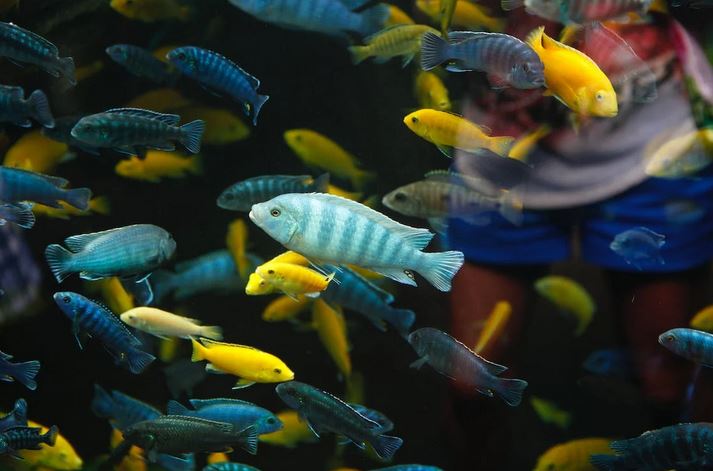
Small vs Large Aquariums: Pros and Cons for New Fish Keepers
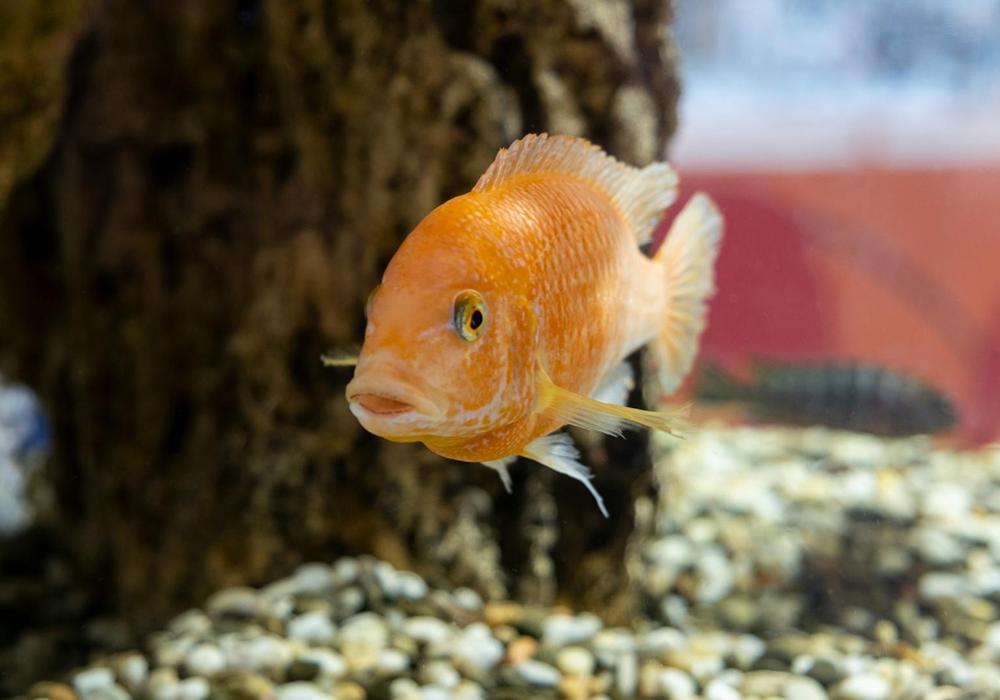
A practical guide to choosing the right tank size when you're just starting out
Introduction
There's a moment every new fish keeper knows well: standing in the aquatics section of a pet shop, surrounded by gleaming tanks of every shape and size, completely unsure where to begin. Should you start small and simple? Or go big from the outset and give yourself room to grow?
The choice of aquarium size is one of the most consequential decisions a beginner can make — and it's one that's widely misunderstood. The common assumption is that a small tank is the "safe" option for a novice, but the reality is more nuanced. Both small and large aquariums carry their own advantages and pitfalls, and the right choice depends on your fish, your space, your budget, and your patience.
This guide walks through the full range of beginner tank sizes, the best set-ups for those just starting out, and the traps that catch even the most enthusiastic new hobbyists.
Understanding Aquarium Sizes: A Quick Overview
Aquariums are generally described in litres (or gallons in the US), and while manufacturers categorise them differently, here's a broadly accepted breakdown for beginners:
Nano tanks (under 30 litres / ~8 gallons)
Compact, often stylish, and very popular as desktop or countertop pieces. These include "pico" tanks of just 5–10 litres, often marketed as betta bowls or shrimp tanks.
Small tanks (30–75 litres / ~8–20 gallons)
The classic "starter" size. Manageable, affordable, and wide enough in footprint to house a small community of fish.
Medium tanks (75–200 litres / ~20–55 gallons)
The sweet spot for many experienced keepers — large enough for water stability and stocking variety, but not so large as to be physically or financially overwhelming.
Large tanks (200+ litres / 55+ gallons)
Statement pieces that can become a room's centrepiece. Require more planning, stronger floors, more equipment, and a higher ongoing budget.
The Case for Small Aquariums
Lower Upfront Cost
The initial appeal of a small tank is undeniable. A nano or small aquarium starter kit — tank, filter, heater, and lid — can cost anywhere from £20 to £100, compared to hundreds of pounds for a large setup. For someone testing whether the hobby suits them, this lower entry point makes sense.
Space Efficiency
Not everyone has room for a large tank. A 30-litre tank can sit comfortably on a desk, bookshelf, or kitchen worktop, requiring minimal rearrangement of your living space.
Easier to Clean (in Theory)
A smaller volume of water means smaller, lighter water changes. Carrying a bucket of water or using a gravel vacuum feels far less daunting in a 30-litre tank than a 200-litre one. Weekly maintenance can be completed in 15–20 minutes.
Great for Specialised Set-Ups
Small tanks excel when you want to focus on a specific species or aquascape style. A 20-litre planted nano tank housing a single betta fish and a carpet of dwarf hairgrass can be a stunning, low-maintenance display. Similarly, a small shrimp-only tank — with cherry shrimp or crystal shrimp — thrives at this scale and requires very little intervention once established.
The Pitfalls of Small Aquariums
Water Quality Is Harder to Maintain
This is the single biggest mistake beginners make, and it catches out the vast majority of new fish keepers who start small. A small volume of water is far less forgiving of errors.
When fish produce waste, the ammonia levels in the tank rise. In a large tank, that ammonia is diluted through a much greater volume of water, and a mature biological filter can handle it more comfortably. In a 20-litre tank, ammonia can spike to dangerous levels in a matter of hours — particularly in an uncycled tank (more on that later).
Temperature fluctuations also happen faster in smaller volumes. A warm room or a direct sunbeam can shift the temperature of a nano tank by several degrees in an afternoon, stressing or even killing your fish.
Overstocking is Deceptively Easy
A small tank looks empty when you bring it home. The temptation to add more and more fish is almost universal among beginners, and in a small tank it leads quickly to overcrowding. Overcrowded tanks suffer from poor water quality, disease outbreaks, and stressed fish that exhibit aggression or fail to thrive.
The old "one inch of fish per gallon" rule is a rough and often misleading guide. A 20-litre tank that appears to have room for six small tetras may genuinely only have capacity for four, once you account for the bioload, swimming space requirements, and the maturity of your filter.
Limited Fish Choice
Many of the fish sold in pet shops are not suitable for small tanks, despite how they are displayed. Goldfish, for instance, are routinely sold alongside small tanks in starter kits, yet a single common goldfish requires a minimum of 75–100 litres to live healthily. Most community fish — platies, mollies, corydoras, danios — do best with at least 60–75 litres.
This leaves the genuine small-tank keeper with a narrower selection: betta fish (one per tank), small shrimp species, dwarf rasboras, ember tetras, or endlers livebearers. These are wonderful fish, but beginners are often drawn to the pet shop without this knowledge and return home with species that will outgrow or overwhelm their new tank within weeks.
The Case for Large Aquariums
Greater Water Stability
Water chemistry is the backbone of a healthy aquarium, and volume is your friend. In a 200-litre tank, a single fish death or a missed water change will not immediately cause a crisis. The larger water body buffers pH swings, dilutes ammonia spikes, and maintains a more stable temperature. This "safety margin" is invaluable for beginners still learning the rhythms of tank maintenance.
Many experienced fish keepers will tell you that their first large tank was actually easier to manage than their first small one, precisely because problems developed slowly enough to be noticed and addressed.
Far Greater Choice of Fish and Aquascapes
A large tank opens up the full range of the hobby. You can create a lush planted aquascape with a shoal of rummy-nose tetras. You can keep a community of cichlids. You can build a biotope representing a specific river habitat. The creative possibilities for adding aquarium decorations expand enormously, and so does your connection to the hobby.
Better for Active, Social Fish
Many popular aquarium fish are shoaling species that need space and company to thrive. A shoal of harlequin rasboras or cardinal tetras needs room to move, turn, and exhibit natural behaviour. Cramped conditions suppress this behaviour and cause chronic low-level stress.
Long-Term Investment
A quality 120–200 litre tank, bought once and set up well, will serve you for years or even decades. Many beginners who start small find themselves upgrading within six to twelve months anyway — often at greater total cost than if they had bought a medium-to-large tank from the outset.
The Pitfalls of Large Aquariums
Cost and Weight
A large tank is a significant investment. A 180-litre setup with decent filtration, a heater, lighting, substrate, décor, and initial water treatment could easily cost £300–£600 or more. Beyond the purchase price, running costs — electricity for lighting, heating, and filtration — add up over time.
Weight is also a serious consideration. Water weighs approximately 1 kg per litre, meaning a 200-litre tank weighs 200 kg before you add the glass, the stand, the substrate, and the décor. Ordinary furniture cannot support this — you'll need a purpose-built aquarium stand placed on a sturdy floor. Those in rented accommodation should also check their tenancy agreement before installing a large tank.
Physical Effort
Water changes in a large tank are a genuine physical undertaking. Moving 20–40 litres of water per week involves either multiple bucket trips or the purchase of a pump and hose system. For those with back problems, limited mobility, or a small living space, this is a real consideration.
Harder to Spot Problems in Décor-Heavy Tanks
In a large, heavily planted, or rock-filled aquarium, a sick or hiding fish can be difficult to spot during routine observation. New fish keepers may not notice a diseased or dying fish until it has already affected water quality.
Best Set-Ups for Beginners
The Classic Planted Community Tank (60–120 Litres)
This is perhaps the ideal beginner set-up. A tank in this range, stocked with hardy plants like java fern, anubias, or amazon swords, and a simple community of small tetras, corydoras, and perhaps a pair of dwarf gouramis, is rewarding, manageable, and visually beautiful.
Why it works: The plants absorb nitrates, competing with algae and improving water quality. Hardy fish like corydoras tolerate the learning curve of a new keeper. The tank is big enough to be forgiving, but small enough to clean in under an hour.
Recommended fish: Neon or cardinal tetras, corydoras catfish, cherry barbs, honey gouramis, and nerite snails as natural algae eaters.
The Single-Species Betta Tank (20–40 Litres)
For those with limited space or budget, a well-set-up betta tank is one of the most satisfying options in the hobby. Betta fish are personable, visually spectacular, and relatively tolerant of beginner mistakes — provided the tank is large enough (avoid anything under 20 litres) and the water is kept clean and warm (24–28°C).
Why it works: One fish means simple stocking decisions, a lower bioload, and a clear focal point for the aquascape.
Pitfall to avoid: Never keep two male bettas together. And despite marketing, avoid placing a betta in a tiny bowl or vase — they will suffer.
The Shrimp-Only Nano Tank (20–40 Litres)
A nano tank planted with mosses and fine-leaved plants, and stocked with a colony of cherry shrimp or amano shrimp, is a tranquil, low-maintenance option that teaches the basics of water chemistry without the pressure of keeping sensitive fish.
Why it works: Shrimp are far more tolerant of crowding than fish (to a point), and watching them graze and breed is genuinely addictive. They also serve as natural cleaners, consuming algae and detritus.
Pitfall to avoid: Shrimp are sensitive to copper, which is present in many fish medications and some tap water supplies. Always check before treating the tank.
The Goldfish Tank (120+ Litres, or a Pond)
Goldfish are often sold as beginner fish, but they are among the most demanding in terms of space. A single fancy goldfish needs 75–100 litres; common or comet goldfish ultimately need a pond. If you want goldfish, commit to the space they require — a large, well-filtered, unheated tank is essential.
Why it works: Goldfish are cold-water fish, meaning no heater is required in most UK homes — reducing running costs.
Pitfall to avoid: The classic small bowl or "starter kit" goldfish setup leads, without exception, to a short-lived and miserable fish. This set-up is best avoided entirely.
The Most Common Beginner Pitfalls
Skipping the Nitrogen Cycle
The single greatest cause of early fish death in new aquariums is "new tank syndrome" — failing to allow the tank to cycle before adding fish. The nitrogen cycle is the process by which beneficial bacteria colonise the filter media and convert toxic ammonia (from fish waste) into less harmful nitrite, and then into relatively harmless nitrate.
Cycling a new tank takes 4–6 weeks. During this time, no fish should be added — or if "fish-in cycling" is chosen, only the most robust species in very small numbers, with daily water testing and frequent partial water changes.
New fish keepers who bypass this step almost always experience a devastating die-off of fish within the first two weeks and are left confused and disheartened.
What to do: Purchase an API Master Test Kit (or equivalent) and test for ammonia, nitrite, nitrate, and pH regularly. Don't add fish until ammonia and nitrite read zero.
Buying Fish Before the Tank is Ready
Pet shops do not always make it clear that fish should not go into a new tank on day one. The excitement of a new aquarium can lead beginners to stock the tank immediately, before the biological filter has matured.
What to do: Cycle the tank first. Use a "fishless cycling" method with bottled ammonia or commercially available bacterial supplements to speed the process. If buying from a specialist store such as Complete Aquatics take their advice on board when setting up the aquarium and getting it ready as a home for your fish.
Overstocking and Overfeeding
These two mistakes go hand in hand. Beginners tend to add too many fish and feed them too generously. Uneaten food rots on the substrate, decomposing into ammonia and fuelling algae growth.
What to do: Feed small amounts once or twice a day — only what the fish consume in two minutes. Remove any uneaten food promptly. Stock the tank gradually, adding a few fish at a time and waiting several weeks between additions.
Mixing Incompatible Species
Not all fish can live together. Fin-nipping species like tiger barbs will shred the delicate fins of betta fish or guppies. Large cichlids will eat small tetras. Territorial fish will fight in cramped spaces.
What to do: Research each species before purchasing. Reputable fishkeeping sites (Seriously Fish is an excellent resource) provide detailed profiles on tank requirements, temperament, and compatibility.
Ignoring Water Parameters
Beyond ammonia and nitrite, water hardness (GH and KH) and pH are critical to fish health. Soft, acidic water suits tetras and discus; hard, alkaline water suits livebearers like mollies and guppies. Keeping the wrong fish in the wrong water chemistry leads to chronic stress and shortened lifespans.
What to do: Test your tap water before buying fish. In the UK, water hardness varies significantly by region. East Anglia, for instance, has notably hard water — excellent for livebearers and African cichlids, but requiring some preparation for soft-water species.
Final Recommendations
For most beginners in the UK, a 60–120 litre community tank represents the best balance of cost, practicality, and success rate. It is large enough to maintain stable water chemistry, forgiving enough to weather the inevitable early mistakes, and varied enough to sustain interest as the hobby develops.
Those with genuine space or budget constraints can succeed with a small tank — but should commit to a single-species set-up (betta or shrimp), invest in a proper test kit, and resist the urge to overstock.
Whatever size you choose, the three pillars of success are the same: cycle your tank before adding fish, stock it lightly, and test the water regularly. Get those right, and you'll be rewarded with a thriving aquarium that can become one of the most calming and rewarding features of your home.
Happy fish keeping — take it slow, and the results will follow.