Surviving a Road Trip With Your Dog: Tips for a Stress-Free Journey
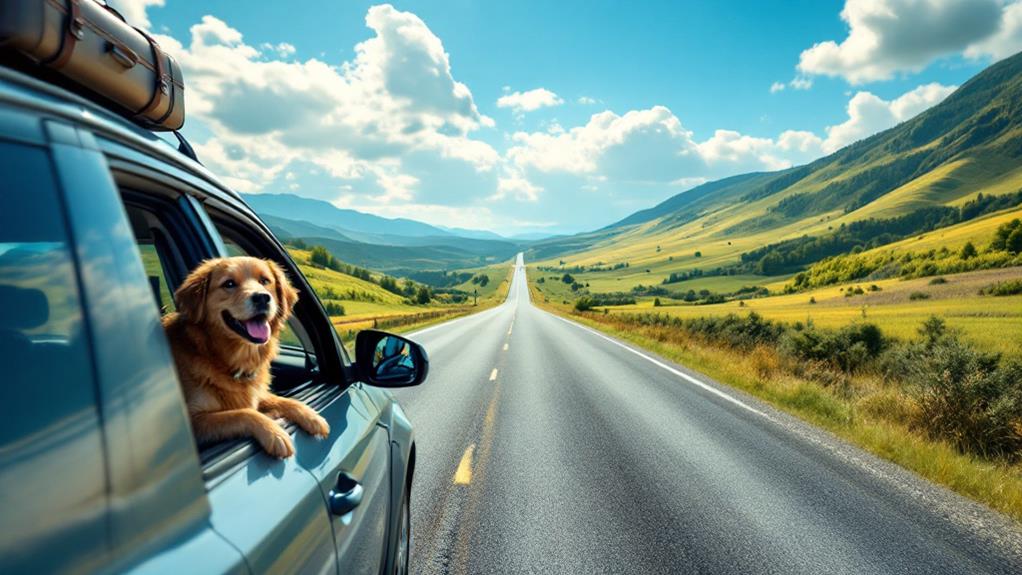
To guarantee a stress-free road trip with your dog, start by acclimating them to car rides through short, positive trips. Schedule a vet check-up to confirm they're healthy and pack necessities like food, water, and a primary aid kit. Use a car seatbelt or secure carrier for safety and never leave them alone in a parked car. Regular breaks every 2-3 hours for exercise and relief are vital. Familiar items, like blankets and toys, help promote comfort, while interactive toys reduce boredom. Keeping a calm demeanor yourself can ease their anxiety. Uncover more insights and tips for a smoother expedition ahead.
Understanding Dog Anxiety
Understanding dog anxiety is vital for ensuring a stress-free road trip with your furry friend. Car anxiety can show up as restlessness, excessive panting, drooling, trembling, or even vomiting. Recognizing these signs early is important to making your dog feel comfortable during travel. Your dog's individual temperament and past negative experiences, like motion sickness or accidents, play a big role in how anxious they might get about car rides.
One way to ease your dog's anxiety is through gradual acclimatization. Start with short, positive trips to help them adjust to the car environment. This way, you can slowly build up their confidence and comfort, making longer travels more manageable. Pay attention to subtle signs of anxiety, such as lip licking or reduced appetite, which can indicate discomfort. Tailor your calming strategies to address these signs effectively.
If your dog's anxiety remains severe, don't hesitate to seek professional help. Veterinarians or animal behavior specialists can offer personalized strategies that can greatly improve your dog's travel experience. Addressing your dog's car anxiety with a thoughtful approach is key to ensuring an enjoyable road trip for both you and your pet.
Preparing for the Trip
Preparing for a road trip with your dog involves a few vital steps to guarantee a safe and enjoyable expedition. Initially, schedule a vet check-up well in advance. This guarantees that your dog is healthy and up-to-date on vaccinations, minimizing the risk of health issues while traveling with your dog. Gradually acclimatize your furry friend to car rides by taking short trips, which helps reduce anxiety and fosters positive experiences with travel.
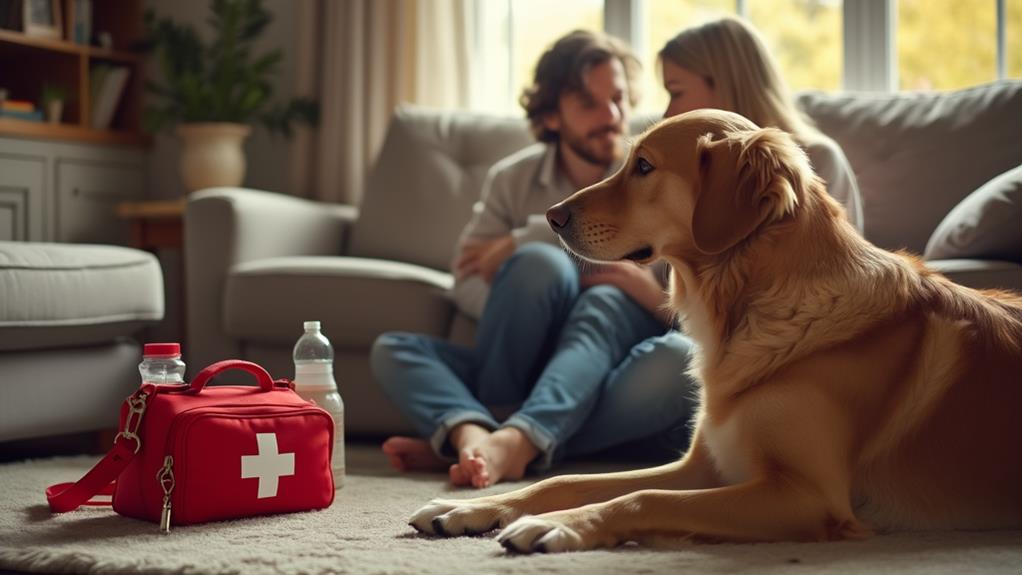
When packing, make certain to include fundamental supplies. Pack food, water, collapsible bowls, a leash, waste bags, and a first aid kit specifically for pets. These items prepare you for a range of situations on the road. Creating a travel itinerary with dog-friendly stops and accommodations guarantees ample opportunities for exercise and bathroom breaks, keeping your dog comfortable and entertained.
Check to make certain your dog is familiar with their travel crate or designated car space. Using familiar items like blankets or toys can improve their comfort and security during the trip. Following these road trip tips will help create a seamless travel experience, guaranteeing you both enjoy the expedition.
Ensuring Vehicle Safety
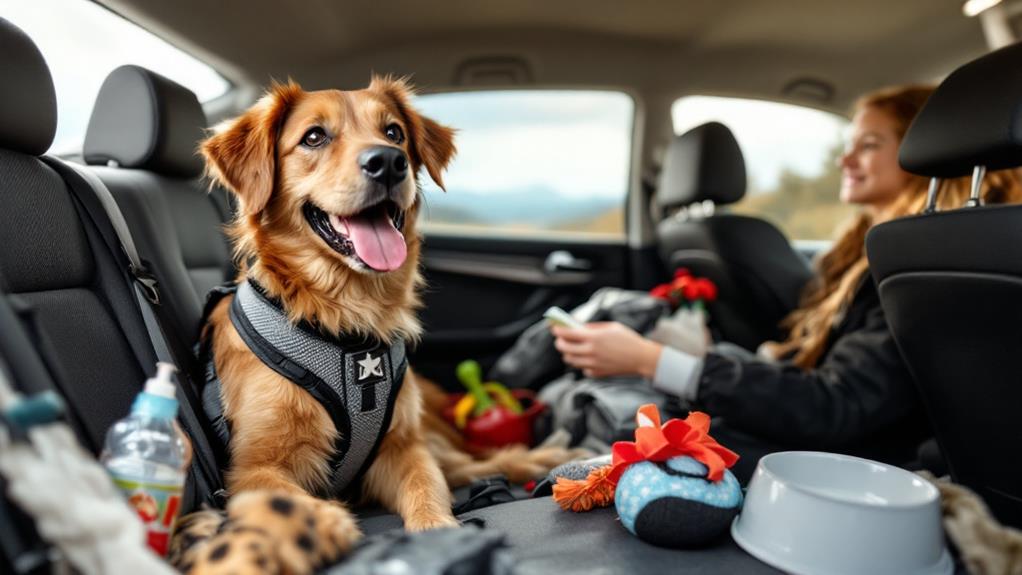
As you hit the road with your furry companion, guaranteeing vehicle safety is essential for a smooth trip. To keep your dog safe, it's vital to use a car seat, pet seatbelt, or a secure carrier. These tools prevent your dog from becoming a distraction or getting hurt during sudden stops. A dog hammock can also be a comfortable, dog-friendly option that limits movement while traveling.
Don't ever leave your dog unattended in a parked vehicle. Even on a mild day, temperatures can rise quickly, leading to heatstroke. If you're making a stop, either take your dog with you or make sure someone stays with them.
For fresh air, keep windows partially closed. This allows ventilation but prevents your dog from jumping or leaning out too far, which can result in injury. Your dog should always wear a collar with an ID tag containing your contact information. Microchipping adds another layer of safety if you become separated.
Managing Health and Hydration
Keeping your dog healthy and hydrated on a road trip is essential for their comfort and well-being. Start by packing enough food and water for the entire trip, plus some extra. Regular access to water is critical, especially in hot weather, to prevent dehydration. Keep an eye on your dog's water intake and use a collapsible bowl for convenience. Before hitting the road, consult your vet about any specific travel-related health concerns and pack a pet emergency kit for health-related emergencies.
Stick to a consistent feeding schedule similar to home, but avoid giving large meals right before travel to prevent motion sickness. Scheduling regular breaks every 2-3 hours is important. These breaks allow your dog to relieve itself, stretch, and rehydrate, maintaining their general health and comfort during the trip.
While traveling, monitor your dog's behavior closely for signs of dehydration or discomfort. Quick action can make all the difference in managing health-related emergencies. Remember, a well-hydrated and comfortable dog is a happy travel companion. By taking these steps, you guarantee a smoother trip and a stress-free road adventure for both you and your furry friend.
Promoting Comfort and Familiarity
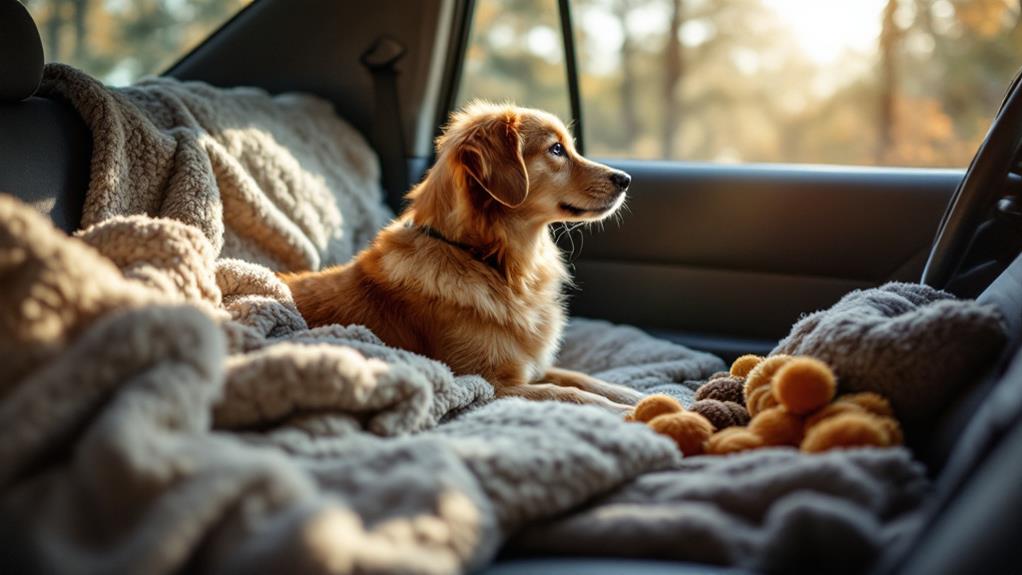
Ensuring your dog's health and hydration sets the stage for a comfortable trip, and promoting familiarity can further ease their travel experience. When planning trips with your dog, it's essential to create a comforting environment in the car. Bring along a familiar blanket and their favorite toys to reduce anxiety and help them feel at home. A designated area in the car filled with these comforting items can make them feel secure and settled.
To foster positive associations with the car, take your dog on short trips before initiating a longer adventure. This gradual acclimatization helps them get used to the car and associate it with enjoyable experiences. Consider using calming sprays or treats designed for dogs to improve their comfort during the drive. Playing soothing music can also contribute to a relaxed atmosphere, making the car feel more like a safe haven.
Don't forget the importance of regular breaks every 2-3 hours. These stops allow your dog to stretch, relieve themselves, and investigate new surroundings, which maintains their comfort and reduces stress. By following these tips, you'll promote a smoother, more enjoyable experience for both you and your furry friend.
Keeping Your Dog Entertained
During a long road trip, keeping your dog entertained is crucial for a stress-free travel experience. Engaging your pup with a variety of activities can make all the difference. Start by bringing along interactive toys, like puzzle toys that dispense treats. These toys can mentally stimulate your dog during those monotonous stretches of travel. To maintain their interest, rotate these toys throughout the expedition. Mixing familiar and new items will keep them intrigued and prevent boredom.
Additionally, playing soothing music or dog-specific playlists can create a calming environment in the car. This helps reduce anxiety and promotes relaxation for your furry friend. Don't forget to schedule frequent breaks every 2-3 hours. These stops allow your dog to stretch, relieve themselves, and engage in a bit of play, helping them expend energy and stay happy.
Consider giving your dog chew toys or durable bones during travel. They're perfect for keeping your dog occupied and satisfied, reducing the chances of anxiety or restlessness.
- Interactive toys: Keep your dog mentally stimulated.
- Rotate toys: Prevent boredom with a mix of items.
- Soothing music: Create a calm environment.
- Frequent breaks: Allow for stretching and play.
- Chew toys: Occupy and satisfy your dog.
Managing On-Road Behavior
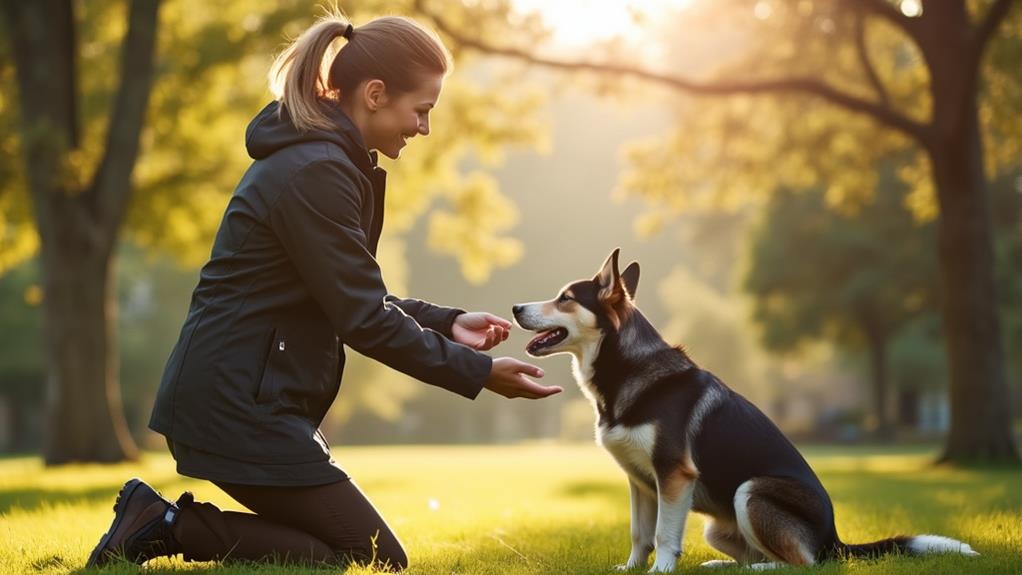
Managing your dog's on-road behavior is essential for a smooth and enjoyable road trip. To help keep your dog calm during car rides, start by using positive reinforcement. Treats and praise work wonders in encouraging your dog to stay settled. Practicing basic commands before the trip can improve your communication, making it easier to guide your dog's behavior on the road. Confirm your dog is comfortable and secure by using a pet seatbelt or crate. This not only prevents distractions for you as the driver but also guarantees your dog's safety in case of sudden stops, contributing to a stress-free road trip.
Interactive toys or chew items are fundamental for keeping your dog engaged during those long stretches of travel. They reduce boredom-induced anxiety, which can otherwise lead to restless behavior. Monitoring your dog's energy levels is key; although regular breaks are significant, maintaining control while on the move is just as crucial. By managing behavior effectively, you avoid potential mishaps, which could lead to extra fees for damages. Remember, a calm and well-behaved dog makes road trips far more enjoyable for everyone involved. With the right approach, you and your canine companion can have a memorable expedition.
Taking Regular Breaks
Now that you've got a handle on your dog's on-road behavior, let's focus on taking regular breaks to keep both you and your pet refreshed. It's vital to schedule breaks every 2 to 3 hours during your trip. These stops are essential for allowing your dog to take potty breaks, stretch their legs, and reduce anxiety. By incorporating regular stops into your travel plans, you can greatly improve your dog's comfort and general well-being.
During these breaks, don't just limit the time to bathroom needs. Use the opportunity for some playtime and exercise. Burning off excess energy will help your dog remain calm through the rest of the travel. Consider engaging in activities like fetching or a short walk to strengthen your bond and provide much-needed mental stimulation. Adjust the frequency and duration of breaks based on your dog's behavior and energy levels to guarantee a positive travel experience.
Here are some key tips to remember during your trip:
- Schedule breaks every 2 to 3 hours for potty breaks and leg stretching.
- Incorporate playtime to help your dog stay calm.
- Observe your dog's energy levels to tailor break frequency.
- Use breaks to strengthen your bond with engaging activities.
- Focus on comfort and reducing anxiety for a smoother trip.
Post-Trip Care Essentials

After a road trip, it's vital to focus on your dog's post-trip care to confirm a smooth adjustment back to their regular routine. Start by monitoring your dog for any signs of stress or illness. Changes in appetite or behavior can indicate that your pet is struggling to settle back into their home environment. Make sure you provide plenty of fresh water and light meals on the initial day back to avoid any digestive upset caused by travel.
Maintaining a consistent routine for feeding and exercise helps your dog readjust and reduces any residual anxiety from the trip. This familiarity is comforting and aids in their general well-being. If you notice any concerning symptoms or if your travels took you through areas with potential health risks, don't hesitate to schedule a follow-up veterinary appointment. It's better to be proactive about your dog's health.
Reflecting on your travel experiences is vital for making improvements. Take note of what worked well and what didn't during the trip. This reflection will help you plan better for future adventures, confirming both you and your dog have more enjoyable travels. Your dog's comfort and health are top priorities, and thoughtful post-trip care is important.
Legal and Cost Considerations
Before hitting the road with your furry companion, it's vital to understand the legal and cost considerations involved in traveling with pets. Start by familiarizing yourself with state laws regarding pets in vehicles, as some jurisdictions have specific regulations about pet safety and restraints during travel. This will help you avoid any legal issues and guarantee your dog's safety.
Make sure your dog's identification tags are up-to-date with your contact information. Consider microchipping for added safety in case you get separated during your trip. Planning for pet-friendly accommodations is another significant step. Research and budget for hotels or rental properties that welcome pets, as their policies and fees can vary greatly, impacting your general travel cost.
Unexpected expenses, such as veterinary visits or emergency care, can arise. It's wise to set aside an emergency fund specifically for these pet-related issues. Furthermore, be aware of pet travel restrictions in certain accommodations or public areas. This will help you avoid fines and guarantee a smooth trip for you and your dog.
Here's a quick checklist to help you:
- Verify state pet travel laws
- Update identification tags and consider microchipping
- Research and budget for pet-friendly accommodations
- Set aside an emergency fund
- Check pet travel restrictions in public areas