Sokoke Cat: The Nimble and Faithful African Feline
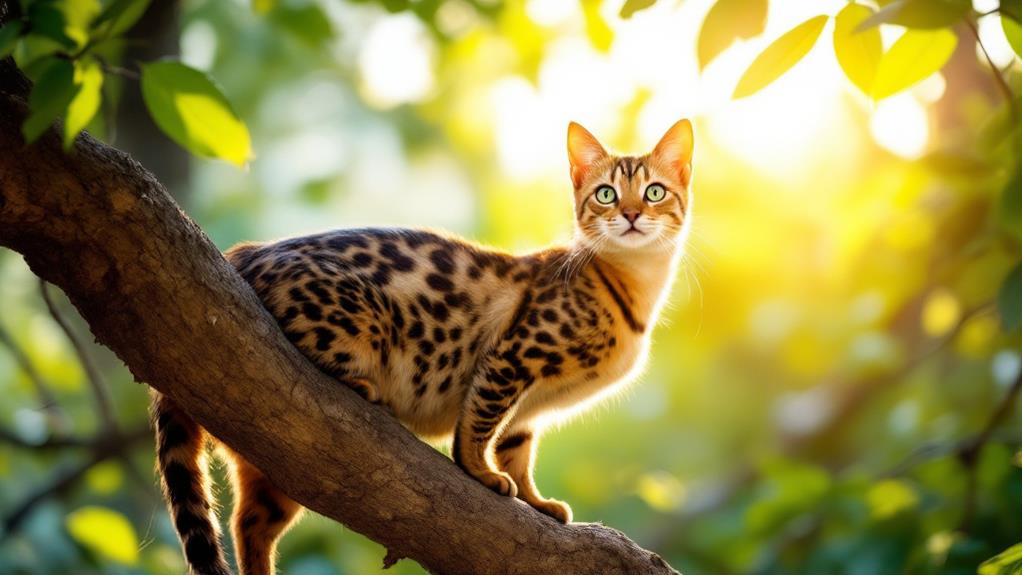
Uncover the Sokoke cat, a nimble and devoted feline hailing from Kenya's Arabuko-Sokoke Forest. It's medium-sized with high cheekbones, and long legs contribute to its agile nature. Its short, glossy coat boasts unique patterns and requires minimal grooming. This affectionate cat forms close bonds and maintains high energy, making it perfect for an active household. Provide plenty of climbing options and a protein-rich diet to keep it healthy. With a lifespan of up to 20 years and a lively personality, the Sokoke is a rare yet rewarding companion. There's much more to investigate about this exceptional breed.
Origin and History
In the late 1970s, the Sokoke cat emerged from the dense Arabuko-Sokoke Forest in coastal Kenya, capturing the attention of wildlife artist Jeni Slater. Fascinated by these unique cats, Slater recognized the significance of preserving their distinctive traits. The Sokoke breed, also known as the African Shorthair, traces its roots back to native feral cats in the region. Recognizing the breed's dwindling numbers, Slater began her efforts in 1978 to develop and conserve these remarkable domestic cats.
The breed is nearly extinct in the wild due to habitat loss and human encroachment. As a result, conservation efforts in the early 2000s focused on capturing and breeding the remaining Sokoke cats to guarantee their survival. These efforts have been vital in maintaining the breed's unique traits and genetic lineage. The Sokoke's genetic lineage links back to both ancient domesticated cats from the Fertile Crescent and modern domestic cats of African origin. This unique evolutionary background highlights its significance in the feline world.
The Sokoke cat has since gained international recognition, being acknowledged by the Fédération Internationale Féline (FIFe) in 1993 and The International Cat Association (TICA) in 2003.
Physical Characteristics
The Sokoke cat's unique physical characteristics make it stand out among feline breeds. As a medium-sized breed, they typically weigh between 2 to 4.5 kg (4.4 to 9.9 lbs), showcasing a slim, athletic build. Their long legs not only add to their graceful appearance but also contribute to their agility, making them adept at climbing and maneuvering through different terrains. The Sokoke's modified wedge-shaped head, with high cheekbones, a flat top, and a strong chin, gives them a distinctive and regal look. This is further accentuated by their medium-sized, alert ears that are always perked up, ready to catch any sound.
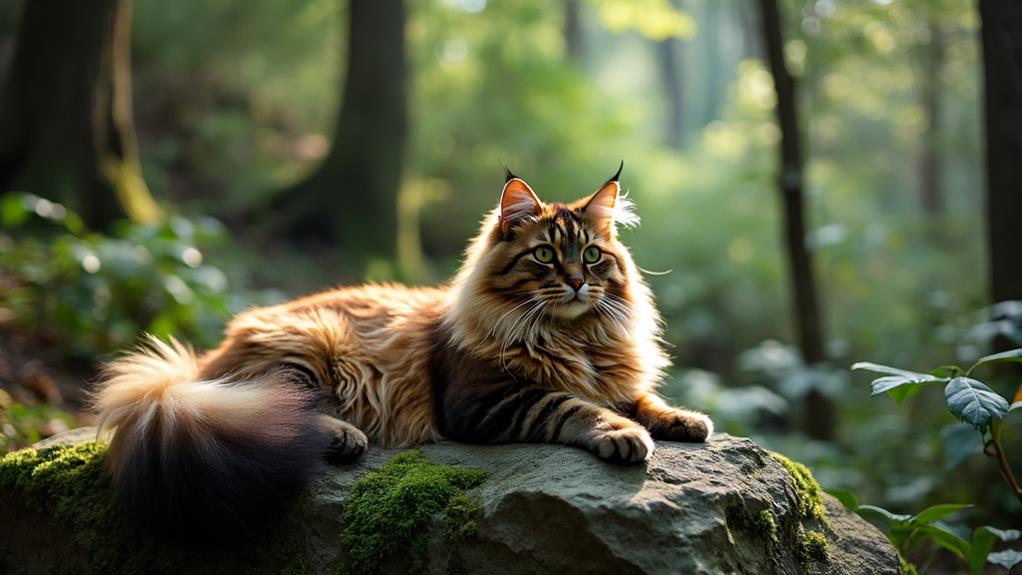
One of the most striking features of the Sokoke cat is its coat, displaying brown tones with prominent mottling and rosette spots that serve as perfect camouflage, mimicking tree bark patterns. Their almond-shaped eyes, which differ in color from green to amber, offer a striking contrast to their coat, creating an expressive and enchanting gaze. When excited, you'll notice their unique tip-toe gait, a result of slightly higher hind legs and a straighter stifle structure, giving the Sokoke a playful and lively demeanor.
Unique Coat Patterns
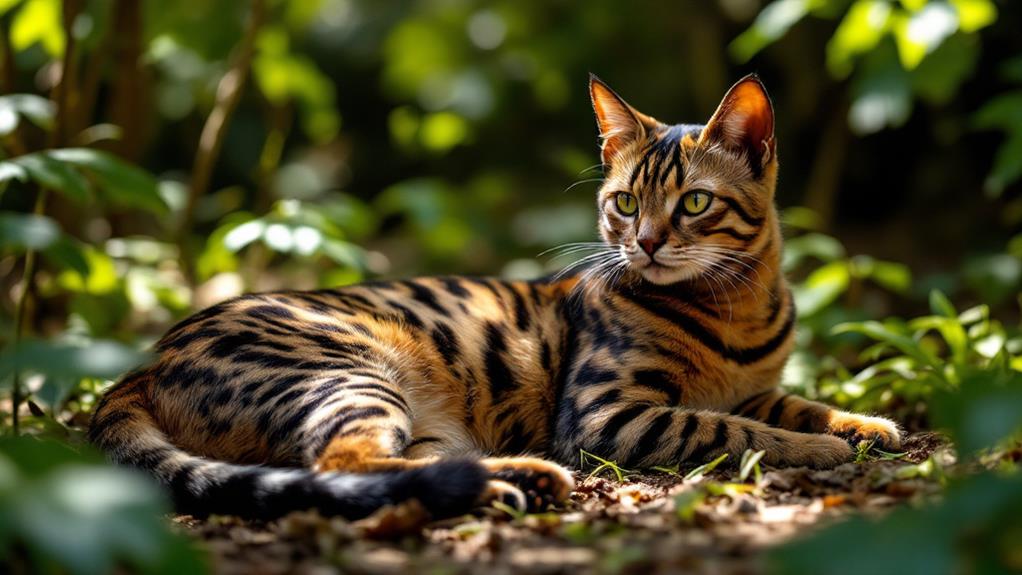
Marvel at the Sokoke cat's unique coat patterns, which are nothing short of a masterpiece in nature's design. This feline showcases a see-through ticked tabby pattern, featuring swirls and blotches that mimic tree bark, perfect for camouflage in its natural habitat. The coat primarily expresses brown tones, adorned with mottling and rosette spots, highlighting its wildcat-like appearance. This distinct coat pattern is influenced by the agouti gene, which creates a hollow-looking center in the fur, giving the Sokoke a signature ticked or salt-and-pepper look.
Here's what makes the Sokoke cat's coat truly special:
- Unique Pattern: The ticked tabby pattern with swirls and blotches is unique to this breed, aiding in natural camouflage.
- Brown Tones: The coat features rich brown tones with mottling and rosette spots, enhancing its wildcat-like charm.
- Agouti Gene Influence: This gene produces a ticked appearance, creating a salt-and-pepper effect that's distinctive.
- Minimal Grooming: The short, glossy coat is low-maintenance, requiring only a weekly brush to keep it healthy and shining.
The Sokoke cat's coat is not just about aesthetics; it's a reflection of nature's artistry and adaptability.
Personality Traits
In regard to personality, Sokoke cats are bursting with energy and zest for life, much like their canine companions. Their high energy levels make them enthusiastic about active play and discovery, thriving on sociability and interaction. You'll notice that these intelligent felines form deep bonds with their owners, displaying affectionate behavior, especially during challenging moments. Their vocal nature, characterized by an array of chirps, chatters, and meows, is their way of expressing needs and emotions.
However, while they are generally friendly, Sokoke cats can be less tolerant than other breeds. It's essential to focus on early socialization to guarantee they harmoniously interact with children and other pets. This early introduction helps them adapt and reduces potential friction in multi-pet households.
Their playful nature is apparent in their love for climbing and engaging in interactive experiences. Sokoke cats enjoy activities such as water play, showcasing their agility and curiosity. These traits make them fascinating companions, as they are always enthusiastic to investigate their environment and keep you entertained. By understanding and nurturing their personality traits, you can create a fulfilling relationship with these remarkable African felines.
Ideal Living Environment

To guarantee Sokoke cats thrive, you should provide a living environment that caters to their energetic and inquisitive nature. These cats flourish in a controlled environment where they can indulge their love for investigation and climbing. Since they're highly active, ensuring they have ample space to roam and play is vital. A larger home or apartment with vertical climbing options, like cat trees or shelves, can be an ideal living environment for them.
Additionally, Sokoke cats need a warm living space due to their low resistance to common illnesses. Keeping them away from extreme cold or harsh weather conditions is indispensable for their well-being. Here's a quick guide to creating the perfect home for a Sokoke cat:
- Provide vertical spaces: Invest in cat trees or shelves to satisfy their climbing instincts.
- Ensure a warm environment: Avoid drafts and provide cozy resting areas.
- Ample space for play: Designate areas for them to investigate and exercise.
- Regular access to fresh water: Keep their water bowls filled for hydration.
Lastly, their minimal grooming needs mean you only need to brush their coat weekly, making them perfect for busy households.
Nutrition and Diet
While providing the perfect environment for your Sokoke cat is imperative, their nutrition and diet play a key role in supporting their energetic lifestyle. A high-quality diet, rich in protein and low in carbohydrates, is essential for maintaining your cat's energy levels and general health. Since the Sokoke cat is one of the more active breeds, guaranteeing they receive the right nutrients helps sustain their activity.
Providing fresh water at all times is critical as hydration greatly impacts their well-being and digestion. Proper hydration complements their diet, aiding in the absorption of nutrients and preventing dehydration, which is particularly significant for a cat as lively as the Sokoke.
Establishing regular feeding schedules is important for promoting healthy eating habits. Typically, one to two meals per day are sufficient, helping in weight management and preventing overfeeding. Despite their active nature, Sokoke cats can gain weight if their diet isn't properly monitored. Choosing premium cat food brands that cater specifically to active breeds will support a balanced diet and ideal health. This attention to their nutritional needs guarantees your Sokoke cat remains the nimble and faithful companion you cherish.
Grooming Requirements
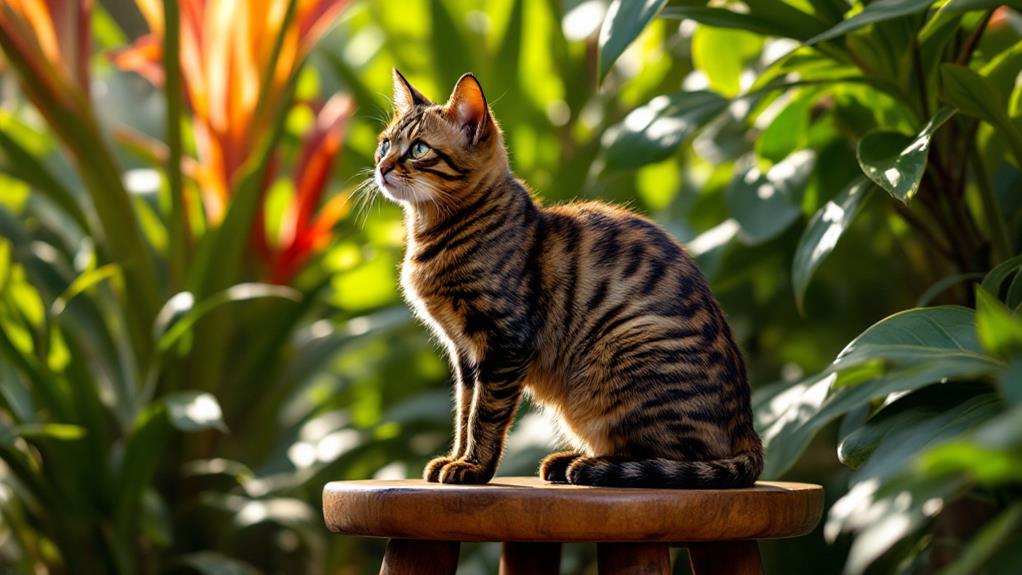
For your Sokoke cat, grooming is straightforward yet vital. With minimal grooming needs, these felines require only a weekly brushing routine to keep their short coat glossy and free from mats. Even though they have a low shedding coat, regular grooming helps reduce allergens in your home. As active climbers, their claws can become overgrown, so regular nail trimming is necessary to maintain healthy and manageable claws. Ensuring their ears are clean and engaging in routine dental care will support overall hygiene and well-being.
Here's a simple grooming routine to follow:
- Weekly Brushing: Spend a few minutes each week brushing your Sokoke's short coat to keep it shiny and reduce shedding.
- Nail Trimming: Trim their nails regularly to prevent overgrowth, which is especially significant for active climbers.
- Ear Cleaning: Check their ears weekly for dirt or wax build-up and clean as necessary to prevent infections.
- Dental Care: Incorporate dental hygiene into their routine by brushing their teeth or providing dental treats.
Consult your vet for specific grooming techniques tailored to your Sokoke's needs, and stay vigilant for any potential skin issues. Regular vet consultation can help address any unique grooming concerns.
Health and Longevity
Longevity is a hallmark of Sokoke cats, with these agile felines often living between 15 to 20 years. As a purebred, their health is typically sound, with no specific breed-related issues reported. This contributes to their impressive longevity. However, you should schedule regular veterinary check-ups to maintain their general health. These check-ups help monitor for any common illnesses, especially since Sokokes may have limited resistance to diseases in multi-cat environments.
Their robust breed characteristics, including strong genetics and an athletic build, promote liveliness and resilience. This makes Sokoke cats particularly hardy and able to maintain their energetic lifestyle throughout their lives. Proper nutrition plays a significant role in their health. You'll want to provide a high-quality diet rich in protein to support their active nature and sustain their well-being.
Breeding Practices
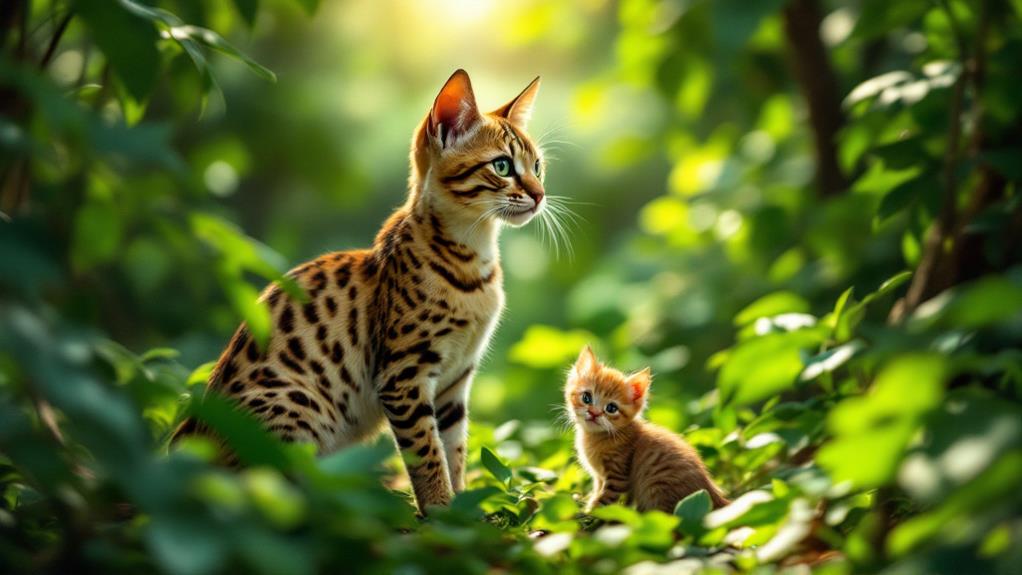
Sokoke cat breeding practices have been carefully crafted to preserve the unique qualities of this rare breed. Starting with selective breeding from local landrace cats, originally known as the African Shorthair, the Sokoke breed emerged through the efforts of Jeni Slater in 1978. These practices were vital in establishing the distinctive traits and uniform appearance that characterize this breed today. By 1983, breeders expanded their efforts internationally, introducing new cats from Watamu in 1987 to improve genetic diversity. This thorough process led to the breed's formal recognition by FIFe in 1993 and TICA in 2003.
As a potential breeder or enthusiast, here's what you should know:
- Selective Breeding: It is important to maintain the breed's unique characteristics while ensuring genetic diversity.
- Breeding Program: Focuses on preventing extinction due to habitat loss and interbreeding with modern cats.
- Reproductive Maturity: Female Sokokes typically have one to two litters annually, with kittens reaching maturity at eight to ten months.
- Distinctive Traits: Consistent traits have been significant to their recognition and preservation.
Adoption Considerations
When considering adopting a Sokoke cat, it is vital to understand the rarity and commitment involved. With only about 100 individuals globally, this breed requires diligent research to find reputable breeders or rescue organizations for adoption. Sokoke cats are rarely found in shelters, so adopting from a breeder may be necessary. However, always prioritize adoption over purchasing.
Sokoke cats form strong bonds and need consistent companionship and social interaction. They're not the kind of pet you can leave alone for long periods. Their playful nature demands an environment that provides ample opportunities for climbing and exploration. Before adopting, verify your home has enough space and stimulating activities to keep a Sokoke cat entertained.
Early socialization is fundamental, especially if you have young children or other pets. Introduce them gradually to create a harmonious household. Sokoke cats thrive in family settings when they're properly socialized, becoming affectionate and loyal companions. Remember, adopting a Sokoke cat is a long-term commitment. You'll need to invest time and effort into their care, guaranteeing they lead a happy and fulfilled life in your home.