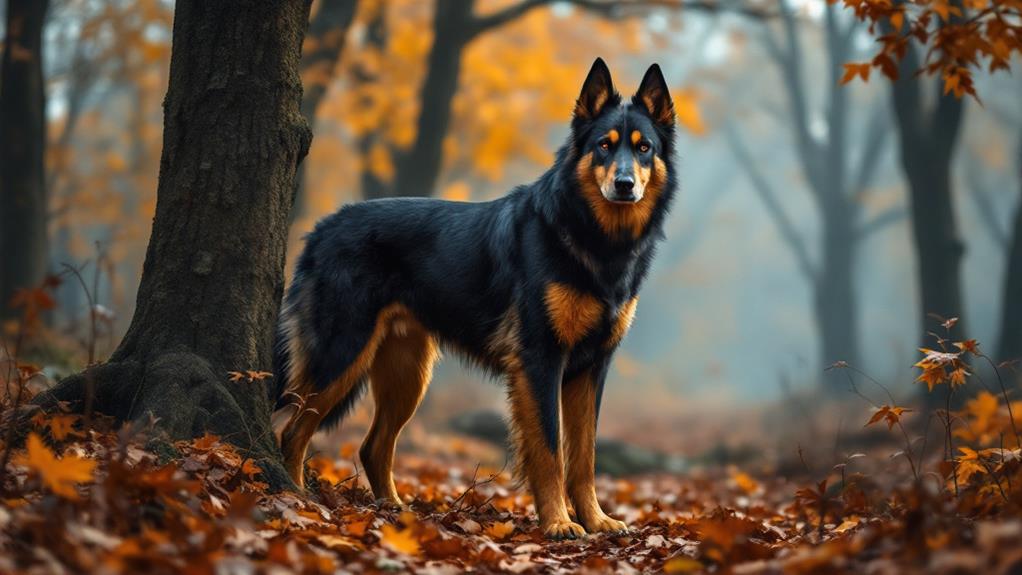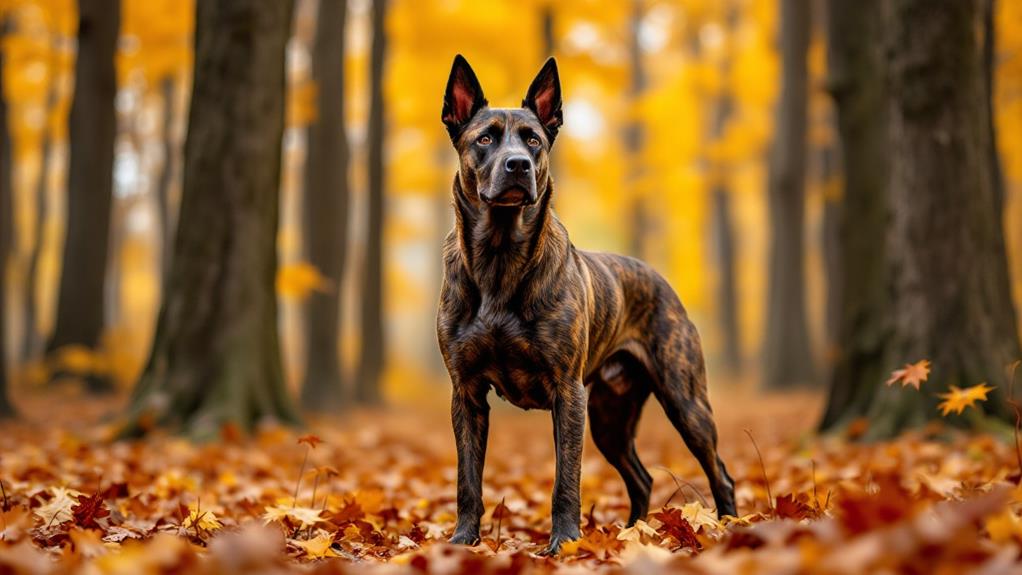
Shikoku: The Energetic and Agile Japanese Hunting Dog
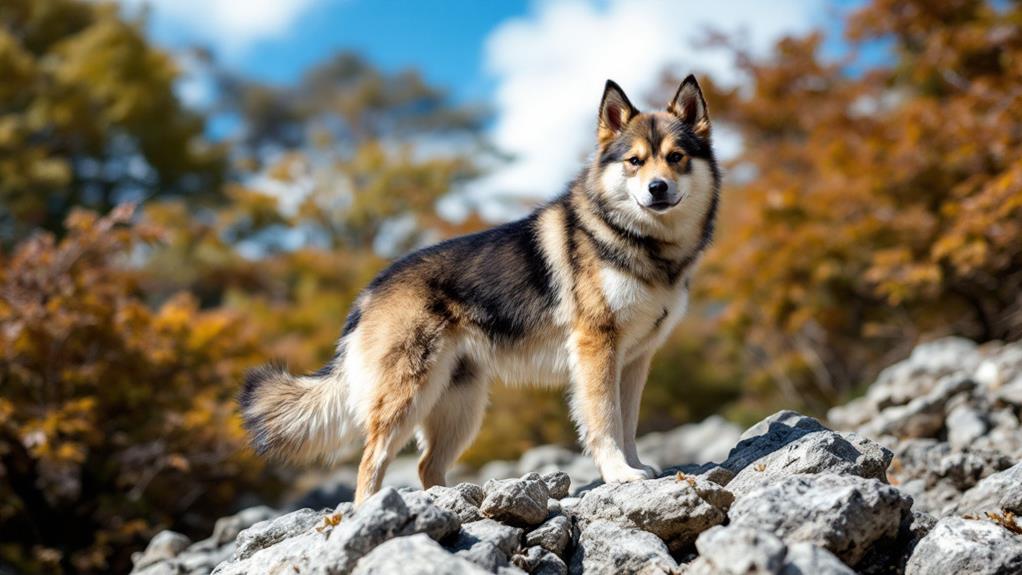
If you're interested in the Shikoku, prepare to meet an agile and energetic canine companion from Japan's Shikoku Island. Standing 17-22 inches tall and weighing 35-55 pounds, this breed was originally bred to hunt wild boar. They're known for their loyalty and alertness but require regular grooming due to their distinctive double coat. With high energy levels, they need plenty of exercise and mental stimulation. Early socialization is key to temper their protective instincts. A balanced diet and regular vet visits contribute to their 10-12 year lifespan. There's much more to appreciate about these spirited dogs.
Breed Overview
When considering the Shikoku breed, you'll find a medium-sized dog with a rich history. Originating in Japan, the Shikoku was bred for hunting, specifically targeting wild boar. This background has shaped them into energetic and highly alert companions. Standing at 17-22 inches tall and weighing between 35-55 pounds, the Shikoku's medium size makes them both versatile and manageable in diverse environments.
One of the breed's most striking features is its distinctive coat. The Shikoku boasts a double coat, with a coarse, straight top layer and a soft undercoat that provides excellent insulation. This spitz-style coat is complemented by a tail that curls elegantly over the back, adding to their unique appearance. Regular grooming is crucial to maintain their fur's condition and prevent matting.
In terms of health, Shikokus generally enjoy good health with an average lifespan of 10-12 years. They thrive with regular exercise and mental stimulation, thanks to their high energy levels and alert nature. If you're looking for a loyal and spirited companion with a strong hunting heritage, the Shikoku might just be the perfect match for your active lifestyle.
Temperament and Behavior
You'll find that Shikoku dogs are bursting with energy and playfulness, which makes them wonderful companions for active families. As an enthusiastic hunter, their high energy levels require plenty of mental stimulation and exercise. Dog ownership of a Shikoku means embracing their loyal and protective temperament. They're incredibly devoted to their family but can display territorial instincts, which requires consistent training.
To guarantee a well-rounded Shikoku, proper socialization is vital. These dogs can be wary of other dogs and might exhibit aggression without early exposure and training. Here's how you can make the most of your Shikoku's temperament and behavior:
- Consistent Training: Regular and firm training helps manage their stubborn streak and teaches them boundaries.
- Early Socialization: Introduce them to different environments, people, and other dogs from a young point in their lives to curb mistrust and aggression.
- Physical Activity: Daily outdoor adventures, like hiking or playtime, are important to channel their high energy and keep them happy.
- Mental Stimulation: Interactive toys and training sessions will keep their minds sharp and engaged.
With the right approach, a Shikoku can be a delightful and loyal addition to your family.
Health and Care
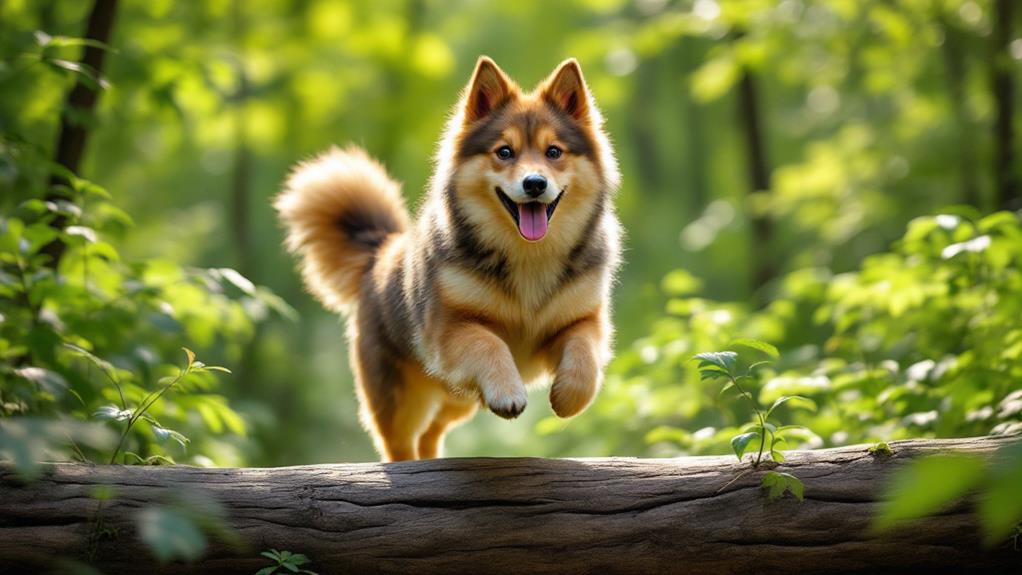
As you nurture the spirited temperament of a Shikoku, it's likewise important to focus on their health and care to guarantee they thrive. Regular veterinary check-ups are critical for monitoring common health issues like hip dysplasia and eye problems. Prioritize a balanced diet, selecting high-quality dog food tailored to their size and activity level. Proper nutrition supports your dog's comprehensive health and can influence their lifespan, which typically ranges from 10 to 12 years, though with excellent care, they might live up to 15 years.
Exercise is a cornerstone of a Shikoku's health regimen. Their high energy demands daily attention, requiring 2-3 long walks and at least an hour of outdoor play. This active lifestyle isn't just for physical health; it also keeps their agile minds engaged.
Grooming is another fundamental part of their care. Weekly brushing helps manage their coat, with more frequent sessions during shedding seasons. Regular ear cleaning and nail trimming are necessary to maintain their comprehensive health. By focusing on these aspects of health and care, you'll guarantee your Shikoku dog remains energetic, agile, and ready to take on any adventure.
Training and Socialization
Training and socialization are often vital for raising a well-behaved Shikoku dog. Early socialization is important to help your Shikoku develop a well-rounded temperament and reduce its natural territorial instincts. Introduce your dog to diverse environments, people, and other dogs to guarantee they interact positively. Positive reinforcement techniques are recommended for training, as Shikokus are intelligent yet can be stubborn. Use treats, praise, and play to encourage good behavior rather than relying on harsh discipline, which can be counterproductive.
Consistent commands and routines are key in managing their stubbornness. Be clear and firm in your expectations, and stick to a routine that reinforces these commands. Engaging your Shikoku in activities that stimulate their minds, like agility training or tracking, provides the mental challenge they crave. This not only prevents misbehavior but also channels their energy productively. Consider programs like the AKC S.T.A.R. Puppy to guide you in building a strong foundation for obedience and social skills.
Here are some tips:
- Start early: Begin socialization and training as soon as possible.
- Use positive reinforcement: Reward good behavior consistently.
- Be patient: Shikokus can be stubborn; patience is key.
- Introduce mental challenges: Keep their minds engaged with varied activities.
Grooming and Shedding
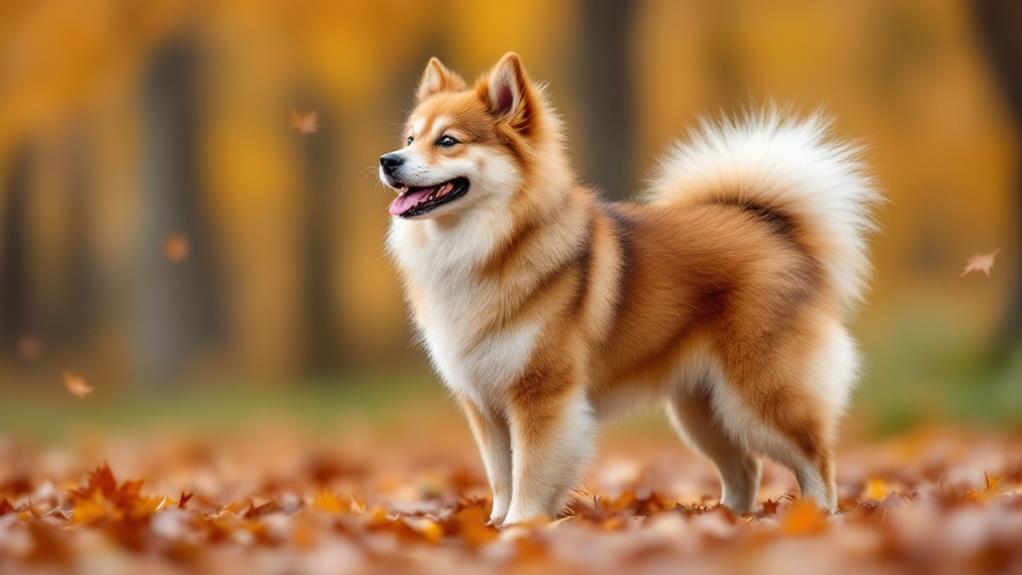
Understanding your Shikoku's needs doesn't stop at training and socialization; grooming and shedding are also vital aspects of their care. These dogs have a low-maintenance grooming routine, but that doesn't mean you can skip it altogether. Regular grooming is fundamental to keep their double coat healthy and mat-free. While Shikokus shed only once or twice a year, this shedding period requires more attention. Extra brushing during these times helps manage the loose fur and keeps your home cleaner.
Outside of shedding seasons, daily brushing is recommended. It minimizes mats and keeps your Shikoku's coat in pristine condition. Although their shedding might seem low compared to other breeds, Shikokus aren't hypoallergenic. If you're prone to allergies, it's something to think about before bringing one into your home.
For further support, professional grooming can be beneficial during heavy shedding seasons. It guarantees that any excess fur is removed effectively. Also, don't forget about regular nail trimming and ear cleaning. These steps are necessary for maintaining your Shikoku's overall hygiene. By staying proactive about grooming, you'll keep your Shikoku healthy and happy, making sure they continue being the energetic companions you love.
Origin and History
The Shikoku dog hails from the rugged landscapes of Kochi Prefecture on Shikoku Island, Japan, where it was expertly bred for hunting wild boar and deer. As a hunting dog, its origins are deeply rooted in the mountainous terrain, making it both agile and resilient. This breed is a representation of Japan's rich cultural heritage and historical significance, as it was designated a natural monument in 1937.
Here's what you need to know about the Shikoku's origin and history:
- Ancestry and Lineage: The Shikoku is believed to have descended from medium-sized dogs in ancient Japan, with a mix of extinct Nippon and Smooth Chow breeds shaping its lineage.
- Varieties: There are three recognized varieties of Shikoku—Awa, Hongawa, and Hata. The Hongawa variety is considered the purest due to its isolated breeding area.
- Recognition: The American Kennel Club (AKC) officially recognized the Shikoku breed in 2010, although it remains less known internationally compared to other Japanese breeds.
- Cultural Significance: As a natural monument, the Shikoku reflects the cultural and historical fabric of Japan, preserving a legacy that originated from Japan's ancient past.
Nutrition and Diet

As you appreciate the rich history and cultural significance of the Shikoku dog, it's important to understand how their nutrition and diet play an significant role in maintaining their agility and resilience. Shikoku dogs thrive on a high-quality diet tailored to their specific needs. Their balanced diet should consider their activity level, stage of life, and size, typically requiring 1-3 cups of food daily. Puppies need more frequent meals, around 4-6 times a day, gradually adjusting to 2 meals as they grow. It's vital to allow them a rest period after eating to aid digestion.
Keep treats in moderation to prevent obesity, and adjust their primary food intake accordingly. Fresh drinking water must always be available to guarantee they stay properly hydrated, supporting their comprehensive health and well-being. Regular veterinary consultations are essential to determine the right dietary needs and portion sizes for your Shikoku, as individual health status may vary. By focusing on these aspects, you help your Shikoku dog maintain the agility and energy they're known for, assuring a happy and healthy life. Remember, a balanced diet is key to supporting their active lifestyle and robust nature.