Pug: The Charming and Lovable Small Toy Dog
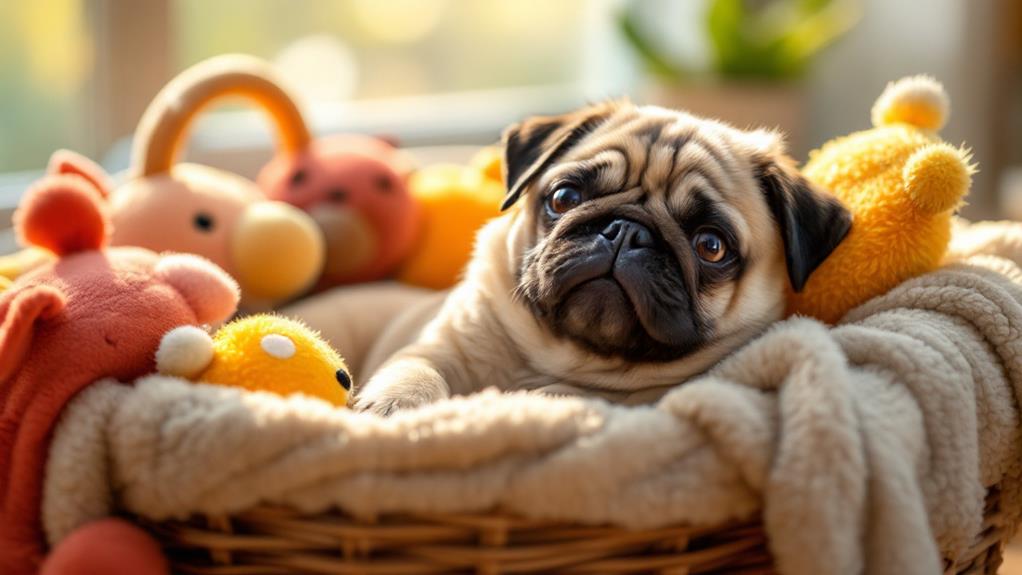
You can't go wrong with pugs if you're looking for a charming and lovable small toy dog. Their wrinkled faces, short curled tails, and expressive eyes make them irresistibly cute. Pugs are affectionate companions, ideal for families, and their humor will keep everyone entertained. They're adaptable to any living situation, be it an apartment or house, needing just moderate exercise like short walks. Though stubborn at times, their enthusiasm to please helps with training. They're great with kids and pets, ensuring a harmonious home. Keep exploring to uncover more about why pugs capture hearts everywhere.
Pug's Unique Appearance
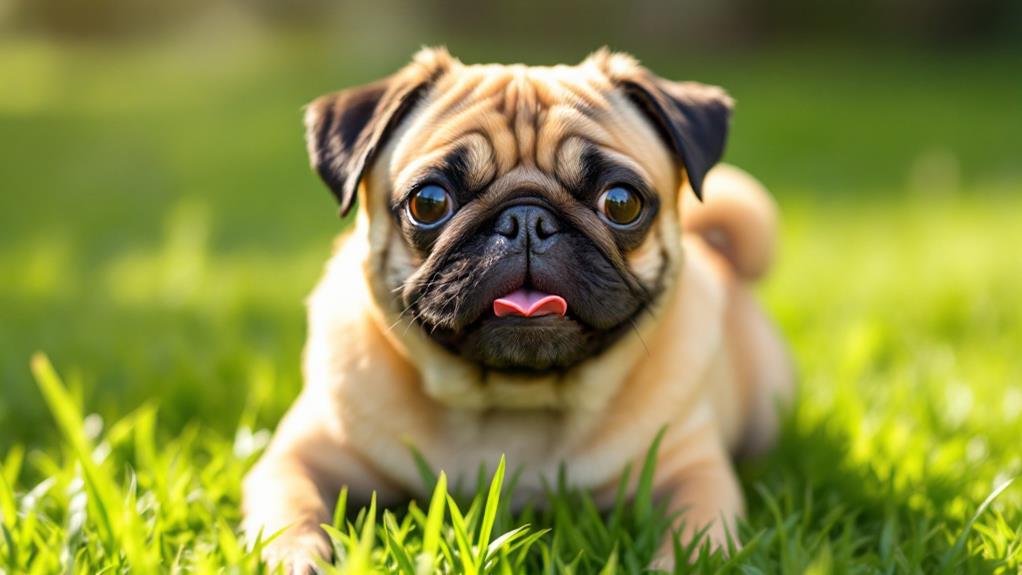
Pugs have a unique appearance that's instantly recognizable and endearing. As a fan of small dogs, you'll appreciate the pug's distinct features. Their wrinkled faces and short, curled tails are charming trademarks that set them apart. Weighing between 14 to 18 pounds, pugs are compact and sturdy, making them an ideal choice for those who love petite breeds. Despite their size, they carry themselves with a sense of robustness that adds to their allure.
You'll find their large, expressive eyes enchanting. These round eyes can convey a range of emotions, from curiosity to affection, enhancing their lovable nature. Their gaze holds a certain warmth, making it almost impossible not to fall for their charm. Pugs also sport a short, smooth coat that requires minimal grooming. Available in colors like fawn, black, and apricot, many pugs have a distinct black mask around their eyes, adding to their unique look.
The flat muzzle of a pug contributes to their playful expressions. This facial structure, combined with their other features, makes them one of the most expressive and lovable small dogs you'll ever come across.
Personality and Temperament
While their distinctive looks draw you in, it's the pug's personality that truly captures your heart. Pugs are affectionate dogs that love nothing more than being around their human companions. Their playful and loving nature makes them excellent companions for families and individuals. Despite their small size, they have a big personality that shines through in everything they do.
Pugs are known for their charming personalities, characterized by an affectionate demeanor and a strong desire for human interaction. They thrive on attention and are happiest when they're part of the family activities. Their humorous antics and expressive faces often entertain everyone around them, ensuring that there's never a dull moment when a pug is near.
Despite their small size, pugs possess a confident attitude and can be quite stubborn. This trait can make training an engaging experience. However, their willingness to please often overrides their stubbornness, leading to successful training sessions. Their social nature allows them to get along well with children and other pets, enhancing their appeal as family dogs. With their affectionate and entertaining nature, pugs are a delightful enhancement to any home, bringing joy and laughter to those lucky enough to know them.
Ideal Living Environment
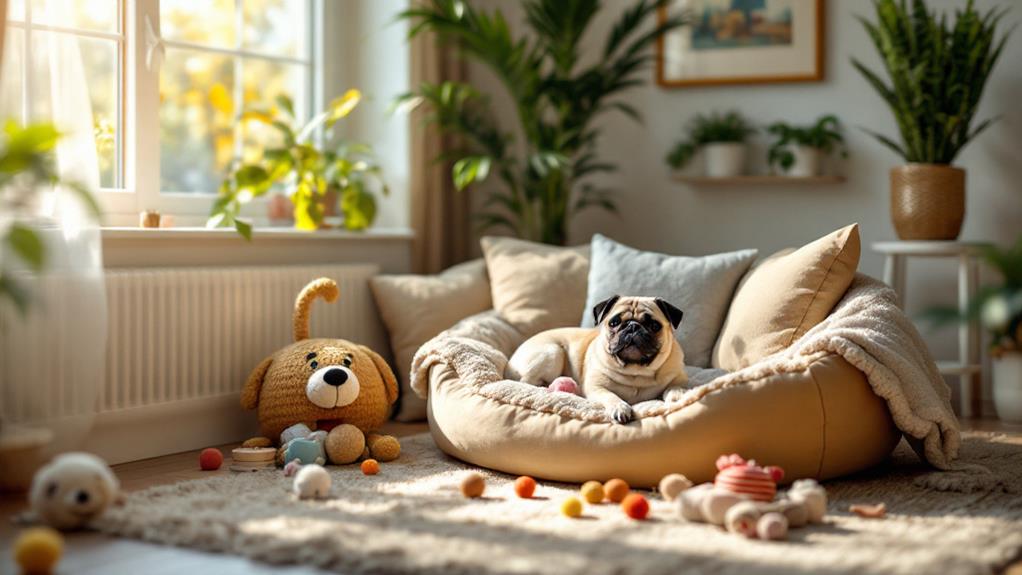
When considering the ideal living environment for a pug, adaptability is key. As a small dog, the pug thrives in different settings, regardless of it being a cozy apartment or a spacious home. Their compact size and adaptability make them perfect for city dwellers and suburban families alike. Pugs are known as companion dogs, and they excel at forming strong bonds with their family members. This affectionate nature improves the warmth of any home, making them a beloved addition to both active families and quieter households.
Despite their small stature, pugs require a moderate amount of exercise. They're well-suited for families that enjoy short walks or playtime, but their adaptable nature also means they'll be content in a less active environment. Their friendly disposition makes them excellent companions for children and other pets, promoting a harmonious living space.
However, due to their short snouts, pugs do best in climate-controlled environments. Ensuring a comfortable indoor space is vital to prevent respiratory issues. Regardless of it being keeping them cool in the summer or warm in the winter, maintaining a stable indoor climate is fundamental for your pug's well-being and comfort.
Health and Care Tips
Many pugs face specific health challenges that require attentive care from their owners. These lovable companions are prone to health issues like obesity, respiratory problems, and eye disorders. To guarantee your pug remains healthy, follow these vital care tips:
- Balanced Diet and Regular Vet Check-ups: It's significant to maintain a balanced diet to prevent obesity. Schedule regular vet check-ups to monitor their health and catch any issues early.
- Daily Exercise: Aim for at least 30 minutes of moderate activity each day. This helps prevent weight gain and keeps your pug active. However, be cautious of their brachycephalic nature; avoid exercise during extreme temperatures to prevent breathing difficulties.
- Grooming and Facial Wrinkle Care: Regular grooming is necessary to manage their short coat. Pay special attention to cleaning their facial wrinkles to avoid skin infections. Use a damp cloth to gently wipe and dry their wrinkles.
- Mental Stimulation: Keep your pug mentally stimulated with interactive toys and training. This reduces behavioral issues and improves their general well-being.
Training and Socialization
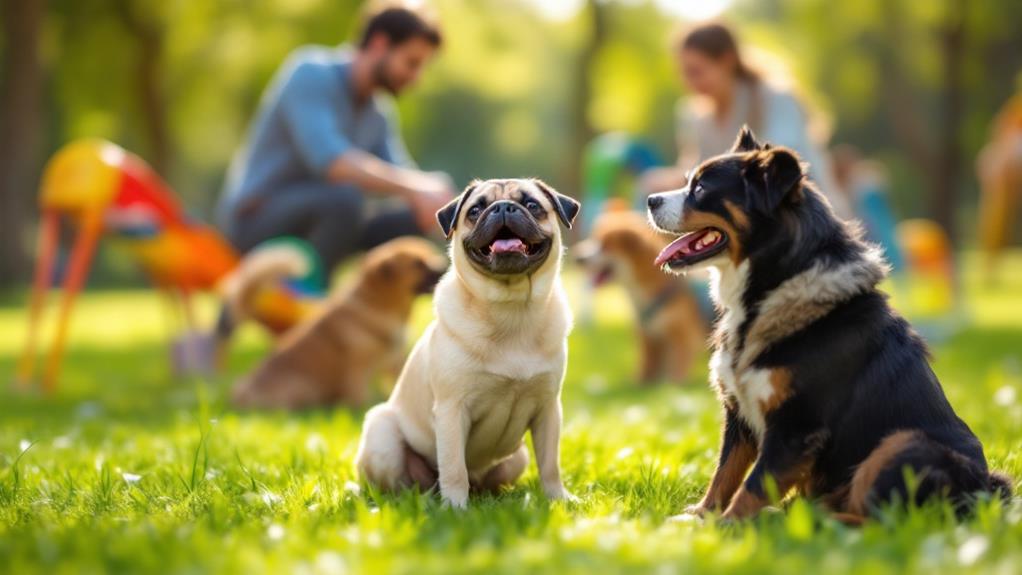
Training and socialization are essential components of owning a pug, ensuring they grow into well-behaved and adaptable pets. As a small toy dog, your pug is highly trainable due to its willing-to-please nature. You'll find that positive reinforcement techniques, such as treats and praise, work wonders in teaching them new commands. Consistency is key in training; use the same commands and routines so your pug knows exactly what's expected. Though they're responsive, pugs can have a stubborn streak, so patience and persistence are crucial when introducing new tricks or behaviors.
Early socialization is similarly significant for your pug. During their critical development period, expose them to a variety of environments, people, and other pets. This exposure helps prevent behavioral issues and encourages your pug to adapt smoothly to different situations. Remember, they're small and may feel overwhelmed, so be gentle and gradual in your approach.
Keep training sessions short and engaging, ideally lasting 5-10 minutes, to maintain your pug's interest without causing boredom. This approach not only reinforces learning but also prevents undesirable behaviors. With the right training and socialization, your pug will become a charming companion, embodying the best traits of small toy dogs.
Pugs With Children and Pets
Pugs are often the perfect supplement to families with children and other pets, thanks to their playful and affectionate nature. They're excellent companions, especially for small children, as they love engaging in interactive play. You'll find that Pugs quickly become a cherished part of the family, forming strong bonds with everyone, including other pets. Their sturdy build and charming personalities make them adaptable to diverse family dynamics.
Here's why Pugs are delightful companions for kids and other animals:
- Interactive Play: Pugs thrive on fun activities, making them great playmates for small children. Their energy and enthusiasm can keep kids entertained for hours.
- Gentle and Patient: Pugs are typically gentle, which helps them coexist harmoniously with children. They're patient and affectionate, always ready to offer a comforting presence.
- Sociable Nature: With their friendly demeanor, Pugs usually get along well with other pets. Regardless of whether it's another dog or a cat, Pugs enjoy a family atmosphere filled with interaction.
- Expressive and Entertaining: Their expressive eyes and antics often captivate children, making Pugs a favored choice for families seeking a small, lovable dog.
With Pugs in your home, you'll enjoy a lively, loving, and harmonious family environment.