Porcelaine: The Independent and Skilled French Hunting Dog
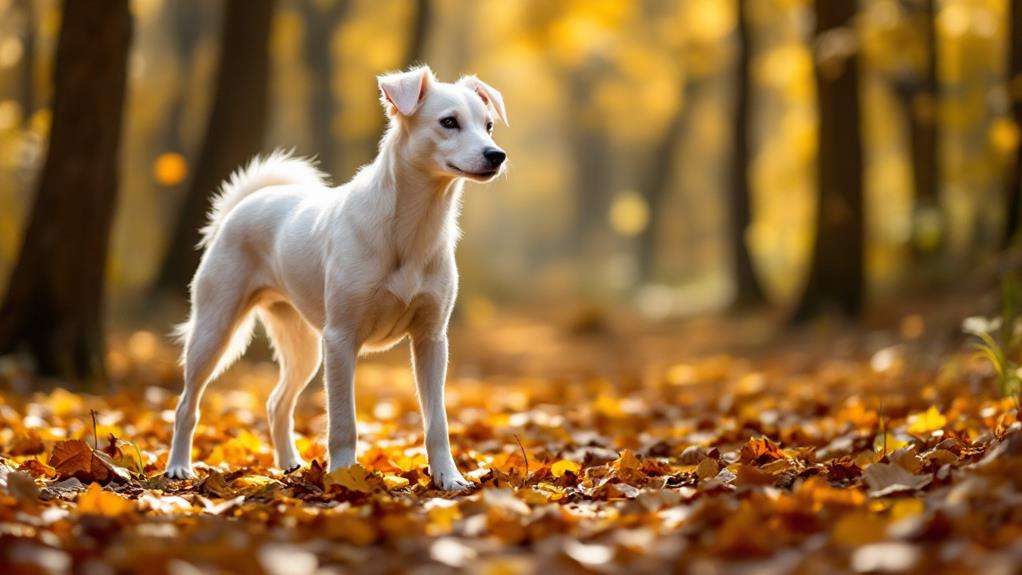
You'll find the Porcelaine as an elegant yet robust medium-sized French hunting dog known for its intelligence and affection. Standing 22-23 inches tall and weighing 55-62 pounds, it has a glossy white coat with distinct orange markings. This breed thrives on regular exercise and excels in tracking due to its keen sense of smell. Despite its sociable nature, early training and socialization are essential. Although rare outside France, the Porcelaine's ability to bond deeply with families makes it an excellent companion. There's more to investigate about this breed's rich history and specific care needs.
Breed Overview
Regarding breed overview, the Porcelaine stands out as a distinguished French hunting dog with a rich history. As one of the oldest scent hound breeds, it was originally developed in France for hunting small game like hare and deer. This breed is medium-sized, typically standing 22-23 inches tall and weighing between 55-62 pounds, and it possesses an elegant, energetic demeanor.
You'll find that the Porcelaine is intelligent and trainable, making it an ideal companion for those who can devote time to its training and socialization from a young stage. Their affectionate nature guarantees that they're gentle with families and children, making them excellent house pets. However, they do have high energy levels, so regular exercise is fundamental to keep them happy and healthy.
While Porcelaines are generally healthy, it's important to be aware of potential health issues that could arise, given their active lifestyle. With a life expectancy of 12-13 years, confirming they lead a balanced life with proper care is critical. Their short, dense coat with distinct orange markings requires minimal grooming, which is a bonus for busy owners looking for a low-maintenance breed.
Distinctive Characteristics
The Porcelaine's distinctive characteristics truly set it apart in the world of hunting dogs. This medium-sized breed, typically weighing between 55-62 pounds and standing around 22-23 inches tall at the shoulder, is known for its elegant and athletic build. Its short, dense, and glossy white coat, accentuated with distinct orange markings, catches the eye immediately. These markings and its sleek appearance contribute to the Porcelaine's unique allure.
Beyond looks, the Porcelaine is celebrated for its keen sense of smell. Originally developed in France for tracking small game, this breed showcases exceptional hunting capabilities. Its olfactory prowess makes it highly effective in the field, tracking scents with remarkable precision. You'll find that this keen sense of smell is a defining trait that improves its hunting efficiency.
In addition to its prowess in the field, the Porcelaine is known for its friendly temperament. When properly socialized, it becomes a great companion for families and children. With its high energy level, the Porcelaine thrives in environments that offer regular exercise and mental stimulation. This lively breed requires active engagement to guarantee it remains happy and healthy, making it a fulfilling pet for active owners.
Training Essentials

Training your Porcelaine effectively involves a combination of early socialization, structured routines, and positive reinforcement. Early socialization is critical for minimizing behavioral issues and promoting adaptability. Expose your Porcelaine to different environments and situations to help them become well-rounded and confident. Establishing clear boundaries and structured routines is fundamental. This helps your Porcelaine understand what's expected, which reduces stubbornness and confusion.
Utilize positive reinforcement methods, like treats and praise, as Porcelaines are intelligent and keen to please. This approach encourages good behavior and strengthens your bond. Basic obedience commands, such as sit, stay, and come, are essential for effective communication and behavior management in varied situations. Prioritize these commands to guarantee your Porcelaine responds well, regardless of being at home or outdoors.
To maintain your Porcelaine's general well-being, regular training sessions should be combined with mental stimulation. Engage them in activities like scent work to channel their natural instincts. This not only improves their mental agility but also satisfies their need for a task.
Here's a quick checklist to remember:
- Early Socialization: Introduce diverse environments.
- Positive Reinforcement: Use treats and praise.
- Clear Boundaries: Establish structured routines.
Health Insights
When considering the health of your Porcelaine, it's important to recognize their unique needs and common health concerns. Like many breeds, Porcelaines are prone to hip dysplasia, a condition that can impact their mobility and general health. Regular veterinary check-ups are fundamental in catching such issues early and ensuring your dog stays healthy and active.
Nutrition plays a significant role in maintaining your Porcelaine's health. Feeding them a balanced diet is key to preventing obesity and related health problems. Because Porcelaines are susceptible to bloat, it's wise to provide smaller, more frequent meals rather than one large feeding. This approach can help minimize the risk of this potentially life-threatening condition.
Exercise is another cornerstone of a Porcelaine's well-being. Regular activity helps keep their weight in check and supports their joint health, reducing the risk of conditions like hip dysplasia. Aim for daily walks and play sessions to keep your Porcelaine fit and happy.
Historical Background
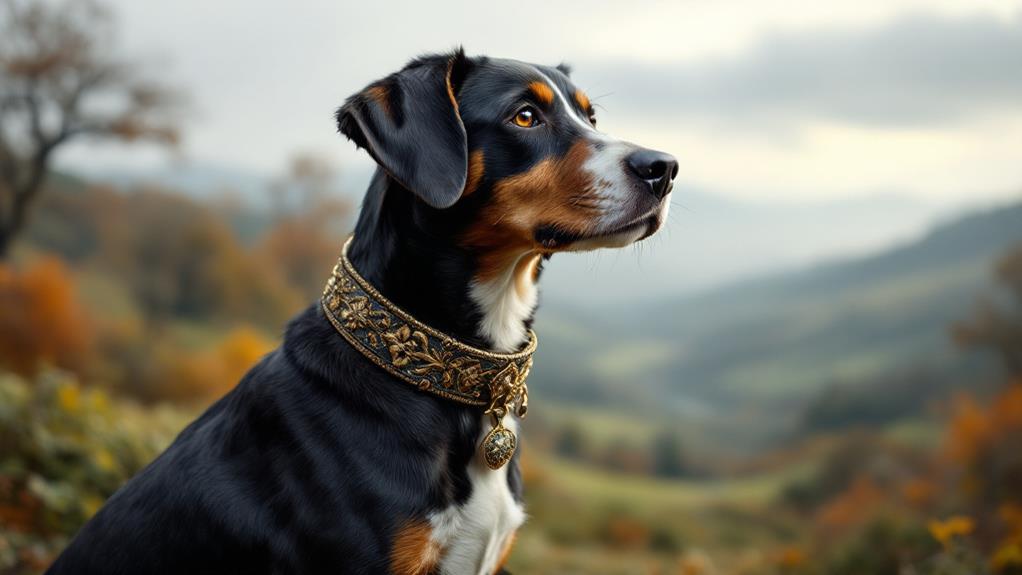
As you focus on your Porcelaine's health, it's likewise fascinating to investigate the rich history that shaped this remarkable breed. Originating in 19th-century France, the Porcelaine, initially known as Chien de Franche-Comté, has a storied past. This breed descends from the Montaimboeuf dog and diverse Swiss hounds, developed specifically for its exceptional hunting abilities. Known for tracking game, the Porcelaine excelled in hunting small animals like hare and deer, highlighting its historical significance within French hunting culture.
The breed's elegant appearance, with a porcelain-like coat of glossy white fur and distinctive orange or lemon markings, adds to its allure. However, the Porcelaine faced near extinction during the World Wars, threatening its presence in French heritage. Fortunately, dedicated breeders recognized the importance of preserving this iconic breed and worked tirelessly to revive it.
To understand the Porcelaine's significance, consider these key points:
- Origin: Developed in Franche-Comté, blending Montaimboeuf and Swiss hounds.
- Purpose: Bred for superior hunting abilities, especially in tracking game.
- Revival: Rescued from near extinction by dedicated breeders.
Today, the Porcelaine stands as a symbol of its enduring legacy.
Care Requirements
Caring for a Porcelaine requires a commitment to maintaining its health and well-being, guaranteeing it thrives in its environment. To meet the Porcelaine's care requirements, focus on a high-quality diet tailored to its life stage and activity level. Active dogs, like Porcelaines, benefit from high-performance foods that support their energy needs and general health. Regular exercise is vital, so make time for daily walks, playtime, and activities like swimming or hiking. These help satisfy their high energy levels and keep their hunting instincts sharp.
Grooming a Porcelaine is relatively simple, thanks to their short, dense coat. Routine grooming involves occasional brushing and baths to maintain cleanliness and keep their skin healthy. Alongside grooming, regular veterinary check-ups are fundamental. These visits monitor the Porcelaine's health, specifically watching for issues like hip dysplasia and bloat. Early detection through consistent check-ups can lead to effective preventative care.
Training is another key aspect of caring for a Porcelaine. Crate training can aid in housebreaking and managing anxiety, while structured routines help channel their natural instincts. Make certain your training methods are consistent to foster a well-behaved and content Porcelaine.
Social Compatibility

Known for their friendly and sociable nature, Porcelaines make excellent companions for families and children, especially when properly socialized. Their affectionate nature allows them to bond well with both humans and other pets, creating a harmonious environment. However, to guarantee their social compatibility, you need to invest time in proper socialization. This process helps minimize behavioral issues and encourages good interactions with varied environments and situations.
When considering a Porcelaine, remember they balance their strong hunting instinct with a gentle demeanor, making them adaptable to different living situations. They're ideal for families and individuals alike, thriving in a family setting. Despite their independent streak, Porcelaines form strong connections with their owners, enhancing their overall social compatibility. To make the most of your relationship with a Porcelaine, keep these tips in mind:
- Proper Socialization: Start early by exposing them to different people, pets, and environments.
- Affectionate Bonding: Spend quality time with them daily to strengthen your bond.
- Understanding Their Temperament: Recognize their need for independence while providing consistent companionship.
Unique Facts
The Porcelaine stands out as one of the oldest scent hound breeds, tracing its roots back to 19th-century France, where it was developed for hunting. With a striking appearance, its short, dense coat shines in white with distinct orange markings, reminiscent of fine porcelain, which is where it gets its name. This breed isn't just about looks; it's renowned for skilled hunting, particularly adept at tracking game like hare, deer, and wild boar. As a scent hound, the Porcelaine's nose is its most powerful tool, making it a valuable asset to hunters.
Despite its impressive lineage, the Porcelaine faced near extinction during the World Wars. However, dedicated breeders have guaranteed its survival, though it's still relatively rare, with fewer than 300 in North America. The Porcelaine is not just a hunter; it's an excellent companion, known for its loyalty and intelligence. From a tender age, it thrives on physical activity, needing ample space to exercise and hone its natural abilities. Regardless of whether you're drawn to its history, its beauty, or its prowess in the field, the Porcelaine remains a unique and fascinating member of the dog breeds family.
Grooming Needs

Regarding grooming a Porcelaine, there's good news: this breed's short, dense coat requires minimal effort. Porcelaine dogs are low-maintenance in terms of grooming needs. Their coat benefits from weekly brushing, which helps remove loose hair and minimize shedding. This practice not only keeps your home cleaner but also maintains the coat's health and cleanliness by distributing natural oils evenly.
While Porcelaine dogs don't need frequent baths, you should bathe them only when they're particularly dirty to avoid stripping away these vital oils. However, it's significant not to overlook other grooming needs that contribute to their overall health. Here are three key components to focus on:
- Regular dental care: Guarantees their teeth and gums stay healthy, preventing dental diseases.
- Nail trimming: Keeps their nails at a comfortable length and prevents potential injuries or discomfort.
- Ear cleaning: Helps prevent infections and maintains ear hygiene.
Despite their minimal grooming requirements, attending to these aspects guarantees your Porcelaine stays healthy and happy. By incorporating these practices into your routine, you're contributing to their longevity and well-being, making them not only skilled hunters but also well-cared-for companions.