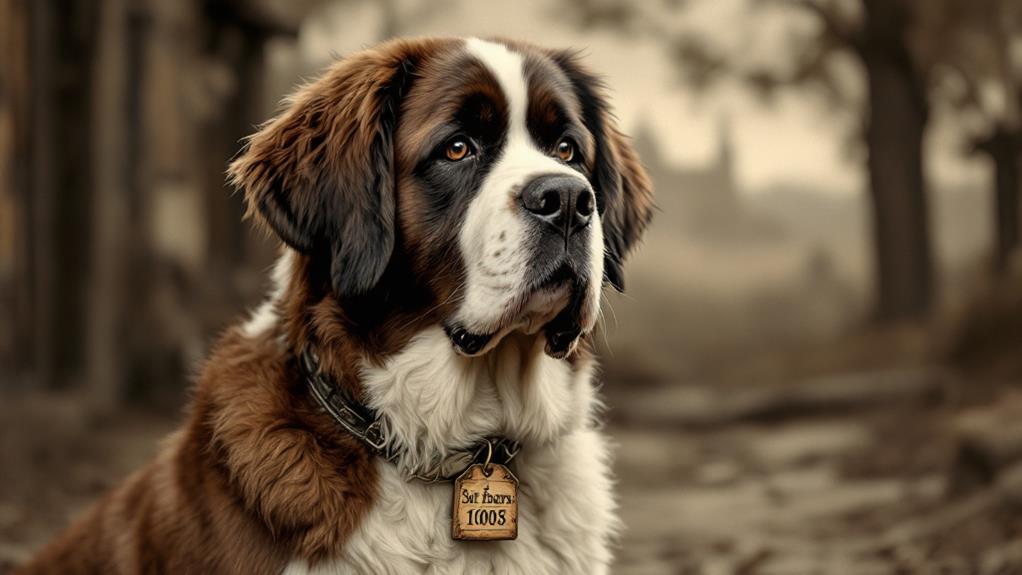
Popular Asian Dog Breeds: Discover Unique Canine Companions
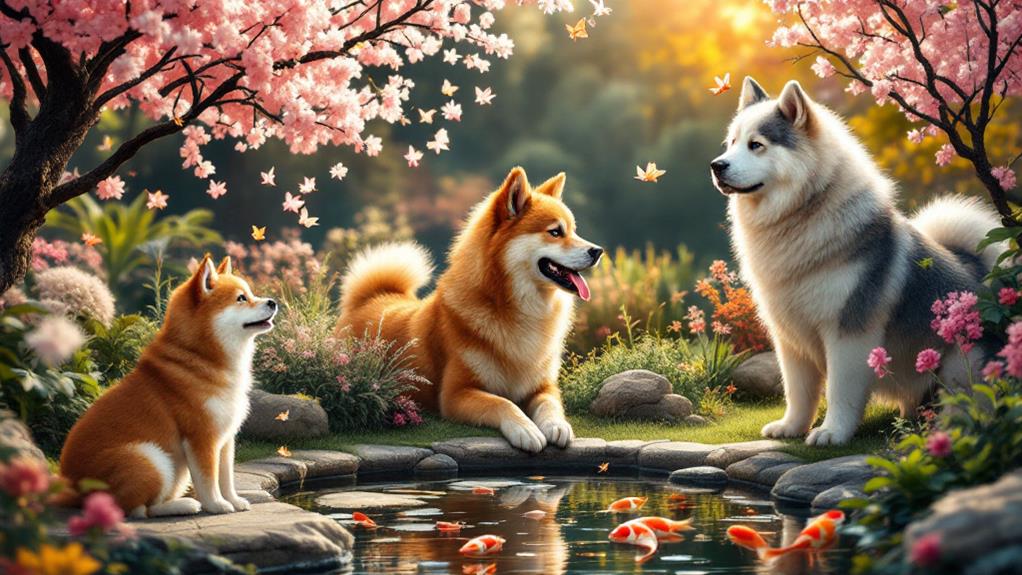
Uncover the charm of popular Asian dog breeds that stand out with their unique histories and striking features. Imagine the loyal Chow Chow with its distinct mane, the agile Afghan Hound with its flowing coat, and the spirited Shiba Inu resembling a small fox. These breeds, including the devoted Akita, each bring a blend of cultural significance and companionship. They also carry historical ties like the regal Tibetan Mastiff and Shih Tzu's royal past. Understanding their health needs guarantees their longevity and happiness. There's more to this diverse canine family waiting for you to investigate.
Historical Origins
Throughout history, Asian dog breeds have captivated people with their rich and diverse origins. Dating back over 11,000 years, the historical lineage of these breeds is rooted deeply in Asia, where evidence suggests domestication began around 33,000 years ago. Among the oldest is the Central Asian Shepherd, existing for approximately 5,000 years, shaped by ancient climates and cultures. This breed showcases the remarkable adaptation processes that characterize Asian dogs.
Investigate the past, and you'll find the Chow Chow and Tibetan Mastiff, whose roots trace back to the Han Dynasty and ancient Tibetan cultures. These breeds played crucial roles in guarding and companionship, exhibiting unique traits that have endured through centuries. The Chow Chow's lion-like mane and the Tibetan Mastiff's imposing size reflect their historical significance and specialization.
The Shiba Inu and Akita, celebrated for their distinct features and cultural importance, also boast storied histories. These breeds are tied to specific regions, embodying the rich diversity and unique characteristics inherent in Asian dog breeds. As you examine their origins, understand how their historical lineage contributes to the diverse canine companions we appreciate today.
Popular Breeds
While exploring the rich history of Asian dog breeds, you'll find several popular breeds that have captured hearts worldwide. The Chow Chow, with its distinct lion-like mane, traces its roots back to the Han Dynasty. This primitive breed weighs between 45-70 pounds and tends to have a lifespan of 8-12 years. It's a popular Asian dog known for its loyalty and unique appearance.
The Afghan Hound is celebrated for its regal coat and agility. Weighing 50-60 pounds, it offers a lifespan of 12-18 years. Its elegance and poise make it a striking choice among dog enthusiasts. Meanwhile, the Shih Tzu is an affectionate companion breed, weighing just 9-16 pounds. With a lifespan of 10-18 years, this little dog is perfect for those seeking a loyal and loving friend.
The Shiba Inu, an ancient Japanese dog breed, is known for its spirited personality. Weighing 17-23 pounds, it typically lives 13-16 years. The Akita, another dignified breed from Japan, weighs a substantial 70-130 pounds and enjoys a lifespan of 10-14 years. These unique canine companions offer devotion and a deep bond with their owners.
Unique Characteristics
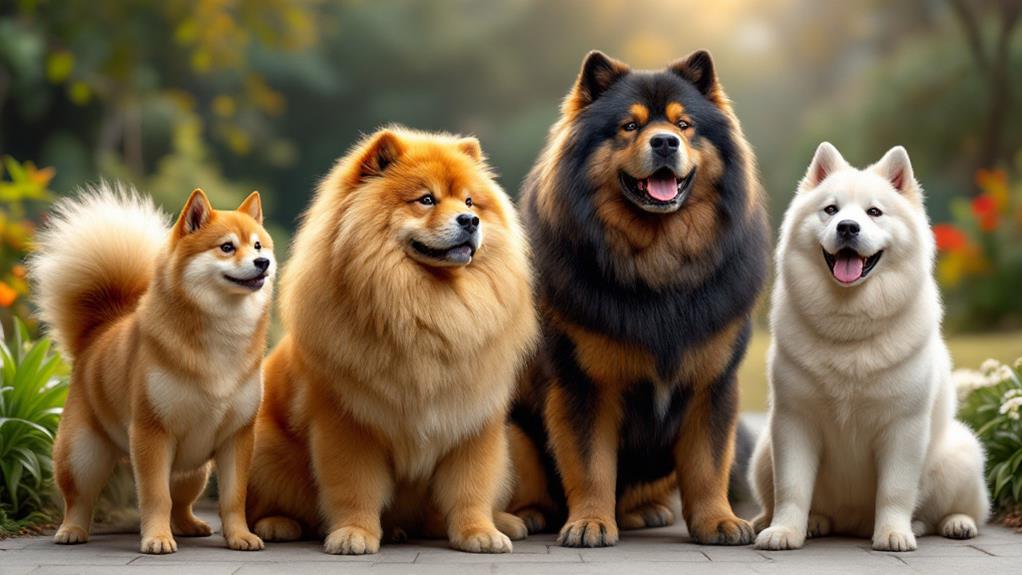
Amid the diverse world of Asian dog breeds, their unique characteristics truly immerse out. Each breed showcases its own set of traits that captivate dog enthusiasts. The Shiba Inu, with its spirited personality and fox-like appearance, combines independence with loyalty, making it a fascinating companion. Meanwhile, the Afghan Hound stands out with its regal coat, and it can sprint at impressive speeds, a nod to its history as a swift sighthound.
The Chow Chow and Tibetan Mastiff are known for their distinctive physical traits, such as distinctive coat colors and sometimes wrinkled skin, which reflect their adaptation to local environments. These features not only add to their appeal but also hint at their historical roles.
If you're considering an Asian breed, keep these in mind:
- Companionship: Breeds like the Japanese Chin and Lhasa Apso have a rich history as beloved companions to royalty.
- Training Needs: The strong-willed Shar Pei requires early training to manage its bold temperament.
- Unique Traits: From the Chow Chow's coat to the Tibetan Mastiff's size, these traits make them stand out.
With each breed, you'll encounter a unique canine companion waiting to enrich your life.
Health and Lifespan
When considering the health and lifespan of Asian dog breeds, it is vital to be aware of their unique needs and challenges. Different breeds are prone to specific health issues, and understanding these can help guarantee your canine companion lives a long, healthy life. For instance, the Chow Chow, with its distinctive coat, often faces skin problems and hip dysplasia, typically living 8-12 years. Regular veterinary care is important to manage these common health concerns.
The Shih Tzu, known for its charming face, has a lifespan ranging from 10-18 years. However, due to its brachycephalic structure, it can suffer from respiratory issues and eye problems. Making certain a comfortable environment and monitoring for signs of distress can mitigate these issues. Meanwhile, the Afghan Hound, with a lifespan of 12-18 years, may encounter conditions like hip dysplasia and certain cancers. Regular check-ups can help spot these issues early.
The Shiba Inu, living 13-16 years, may face genetic health issues such as autoimmune disorders and hip dysplasia. Likewise, the Akita, with a lifespan of 10-14 years, is also at risk for autoimmune disorders, emphasizing the significance of consistent veterinary care.
Cultural Significance
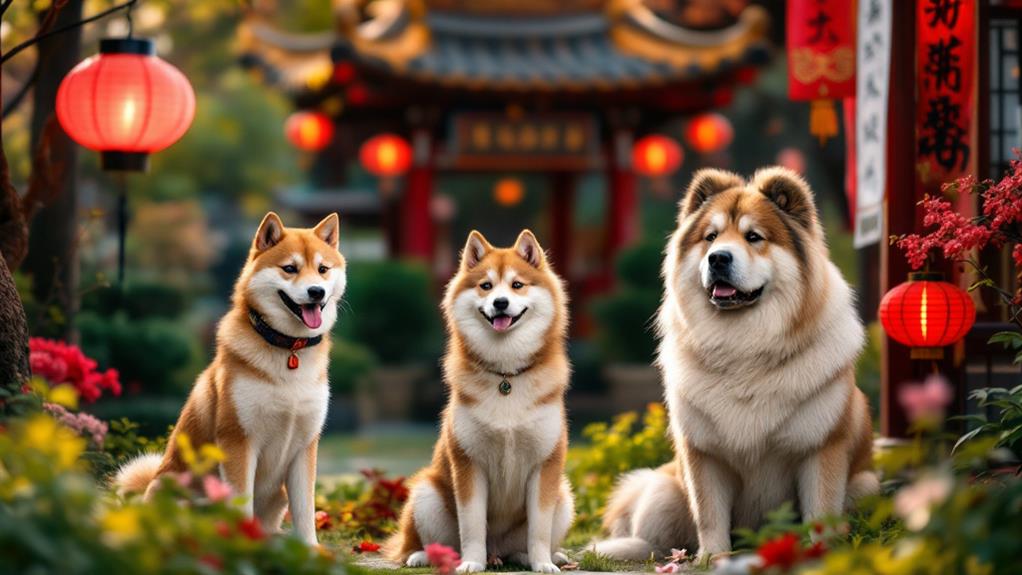
Among Asian dog breeds, many have deep cultural significance, symbolizing loyalty, companionship, and status in their native lands. Take the Akita and Shiba Inu, for instance. In Japan, these breeds are celebrated for their unwavering loyalty and strong bond with humans. The Akita is often viewed as a symbol of protection and good health, while the Shiba Inu embodies spirited companionship.
The Chow Chow holds a notable place in Chinese history. Linked to the Han Dynasty, it was cherished for its versatility as a working dog. Its cultural significance is reflected in its ancient role, ranging from hunting to guarding.
In Tibetan culture, the Tibetan Mastiff isn't just a guardian; it's a symbol of wealth and prestige. Known for their imposing stature, these dogs historically marked their owners' status.
You can't overlook the royal connection of breeds like the Shih Tzu and Pekingese.
- Shih Tzu: Bred as royal pets in China, reflecting rich canine companionship.
- Pekingese: Reserved for royalty, showcasing cultural significance in the ruling class.
- Tibetan Mastiff: A status symbol, revered in Tibetan society.
These breeds, with their rich heritage, continue to captivate dog lovers worldwide.