Pets in Art: Iconic Animals Depicted in Masterpieces
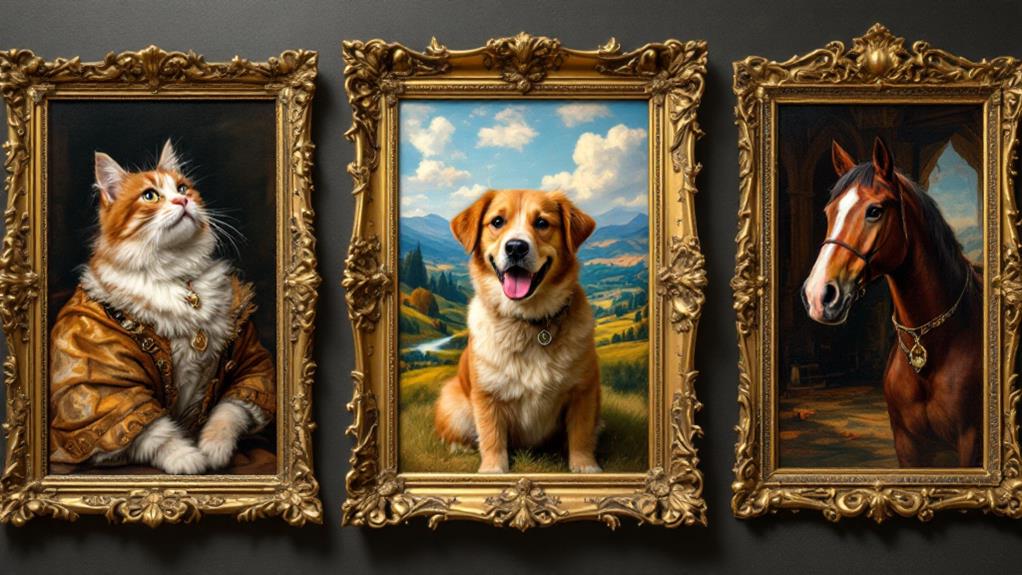
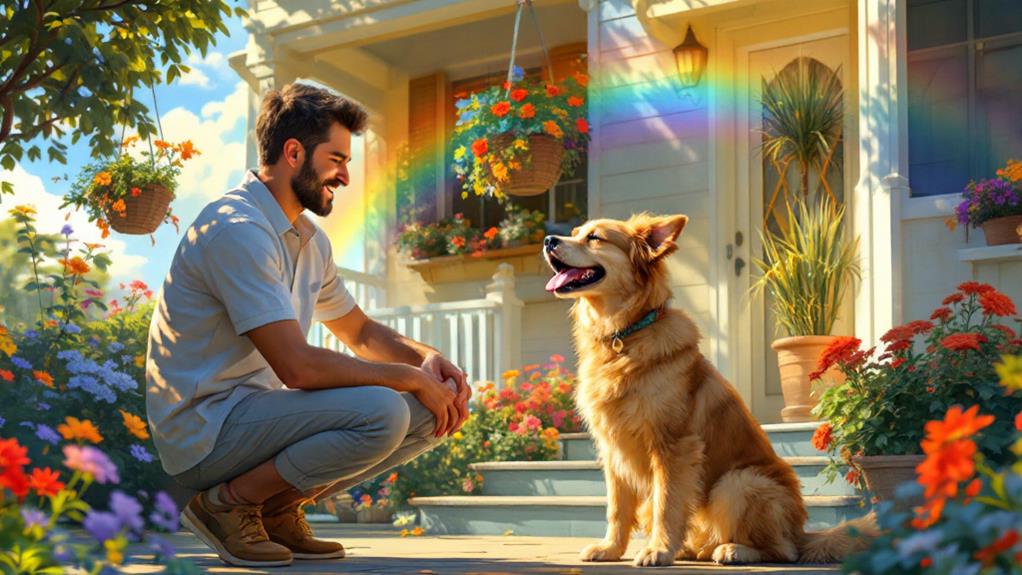
You're about to set out on a fascinating adventure through art where iconic animals pop up frequently in masterpieces. From cave paintings featuring animals over 30,000 years ago to Egyptian depictions of sacred cats, humans have always celebrated pet companions. During the Renaissance, artists like Leonardo da Vinci painted animals as symbols of loyalty, while Impressionists captured pets as integral parts of everyday life. Modern artists such as Picasso and Warhol have immortalized their beloved pets in unique and creative ways, reflecting deep emotional bonds. There's still so much about these iconic animal depictions waiting to be uncovered.
Renaissance Depictions of Pets
During the Renaissance, artists like Leonardo da Vinci and Sandro Botticelli frequently included pets in their works, highlighting the age's appreciation for animals as loyal companions. As a viewer, you can sense the emotional connection between humans and animals in these masterpieces. For instance, in Botticelli's "The Trials of Moses," a boy is depicted with a dog, symbolizing the deep bond and significance of pet companionship during this time. This artistic choice reflects how Renaissance artists viewed pets not just as mere animals, but as integral parts of human life.
In Leonardo da Vinci's "Lady with an Ermine," you can see the subtle yet powerful portrayal of an ermine, which signifies warmth and familial bonds. The presence of the ermine also raises the status of the subject, showing how pets contributed to a warm, familial atmosphere and improved the emotional connection in portraits. These animals were often seen as symbols of loyalty and tenderness, mirroring cultural attitudes of the time. By incorporating pets into their work, Renaissance artists emphasized the nurturing relationships people shared with their animal companions, showcasing a timeless appreciation for these loyal companions.
Dutch Golden Age Companions
Artists of the Dutch Golden Period, such as Rembrandt and Jan Steen, masterfully depicted pets in their portraits, reflecting a society that prized companionship and status. During this timeframe, pets became symbols of loyalty and wealth, often featured prominently in artworks. In Jan Steen's "The Merry Family," a dog takes center stage, embodying the joy and togetherness of domestic life. Likewise, in Rembrandt's "The Night Watch," a dog appears among the subjects, highlighting the camaraderie and connection between humans and their pets.
These artists didn't just add animals for decorative purposes; they understood that pets played a significant role in enhancing the narrative of their works. By including animals, artists conveyed themes of loyalty, love, and the warmth of a familial atmosphere. This approach allowed viewers to sense the emotional bonds between humans and their animal companions.
Pets became integral to the storytelling of Dutch Golden Age art, serving as a bridge between the viewer and the portrayed subjects. Their presence in these portraits not only emphasized the affluence of their owners but also underscored the deep emotional connections that enriched family dynamics during this thriving period.
Impressionism's Pet Portrayals
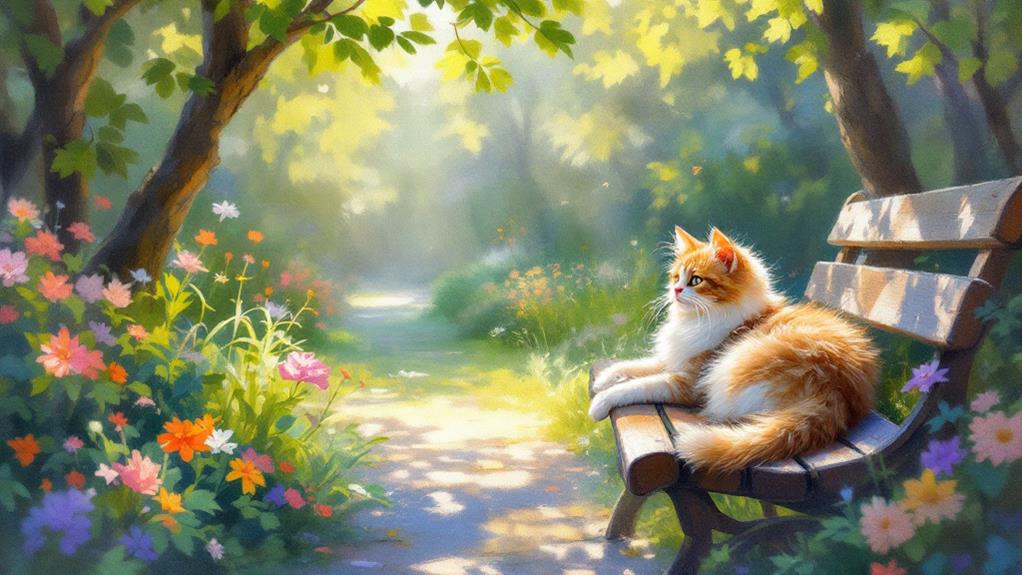
As we move from the Dutch Golden Period to the lively world of Impressionism, you'll notice that pets continue to play a significant role in art, albeit in a different light. Impressionist artists accepted the charm and personality of these animals, capturing them with loose brushstrokes and bright colors. This style conveyed the movement and life inherent in their artworks, making each piece feel like a captured moment in time.
Take Renoir's "Luncheon of the Boating Party," for example. Here, a playful dog adds to the joyful interaction between humans, highlighting the social bonds between pets and their owners. Likewise, Manet's portrait of his dog Bob reflects the warm companionship pets offer, showcasing their lovable personalities and significance in his life.
Impressionism placed a strong emphasis on the emotional connection between humans and pets, reflecting warmth and joy. These animal companions didn't just adorn the background; they improved the atmosphere and contributed to the complete narrative. The playful nature of pets in these artworks captured the fleeting moments Impressionism is renowned for, reminding you of the simple joys pets bring into everyday life.
Abstract Animals in Post-Impressionism
In the domain of Post-Impressionism, animals took on abstract forms, reflecting the movement's bold departure from traditional realism. Artists like Paul Gauguin and Henri Rousseau accepted this shift, using vivid colors and distorted shapes to breathe life into abstract animals. Gauguin's "Arearea" features a striking red dog, set against a dreamy landscape, illustrating how Post-Impressionism captures the fusion of reality and fantasy. This approach allows you to see the unique personalities of these animals, not just as pets, but as integral parts of imaginative, emotional narratives.
Rousseau's "The Tabby" showcases an abstract cat with exaggerated features, highlighting the playful and surreal aspects of Post-Impressionism. Such depictions encourage you to look beyond the surface, connecting emotionally and psychologically with the artwork. Instead of focusing on realistic representation, these artists used abstraction to investigate deeper themes, making each piece a conversation starter.
Pop Art's Animal Icons
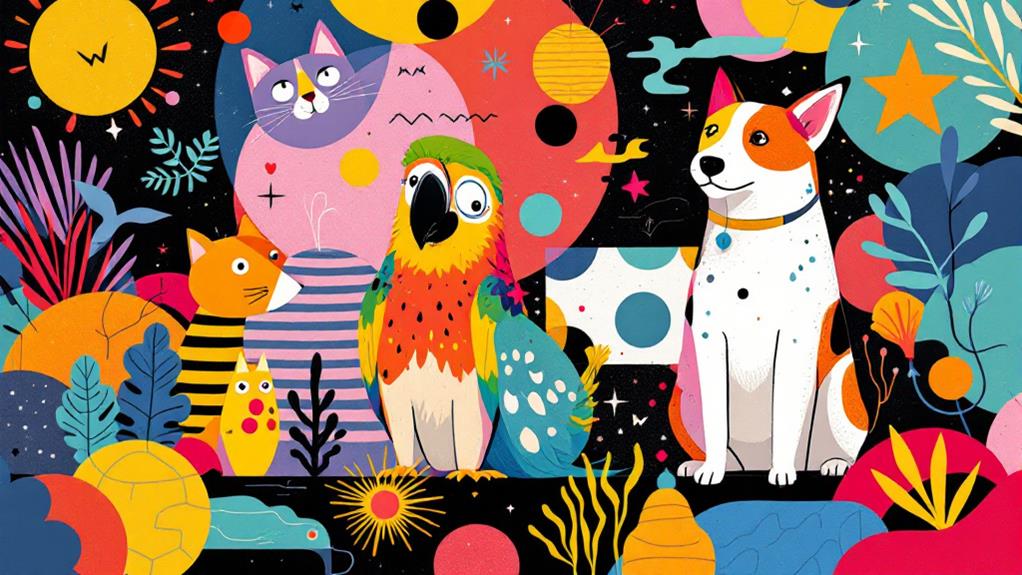
While Post-Impressionism welcomed abstraction to investigate the emotional depth of animals, Pop Art took a different approach by turning pets into cultural icons. You can't discuss Pop Art without mentioning Andy Warhol, who raised domestic animals to emblematic status. His series "25 Cats Named Sam" features playful representations of cats, capturing their fanciful nature through bold colors and graphic styles. Warhol's own dachshund, Archie, wasn't just a muse; he was a cherished companion, demonstrating how personal relationships with pets can inspire artistic expression.
Pop Art artists didn't stop at cats. They examined a wide range of pets using inventive techniques:
- Roy Lichtenstein's "Grrrrrrrrrrr!!": This artwork captures a dog's fierce expression, blending comic art with animal imagery.
- Bold Colors and Graphic Styles: These elements allowed artists to redefine pets as symbols of modern life and consumerism.
- Cultural Shift: Pets moved from being mere companions to icons resonating with contemporary audiences.
- Warhol's Influence: His work reflects a deep personal connection to pets, inviting viewers to see them as more than just animals.
Pop Art's portrayal of pets mirrors society's evolving view, raising them to a cherished status.
Ancient Pet Artifacts
The enduring connection between humans and pets is vividly captured in ancient artifacts. These pieces reveal how cats and dogs have been integral to human life for thousands of years. Ancient pet artifacts, like cave paintings from 30,000 years ago, depict animals such as bison and horses, illustrating an early bond. This connection evolved, and by 9,000 years ago in India, art began to feature humans and dogs, highlighting the longstanding companionship between the two.
In ancient Greece and Rome, dogs were common subjects in art, symbolizing loyalty and companionship. These depictions reflected the cultural attitudes of the time, showcasing how deeply embedded dogs were in daily life. Meanwhile, cats, domesticated around 9,500 BC, gained prominence in Egyptian art by 4000 BC. They were often associated with the goddess Bastet, underscoring their spiritual and societal significance.
Other cultures, like the Moche in Peru and ukiyo-e artists in Japan, also created artifacts that underscored the importance of pets. These creations are a reflection of the historical significance of cats and dogs, reminding you of the deep-rooted, timeless bond between humans and their beloved animal companions.
Pet Portraits in Modernism
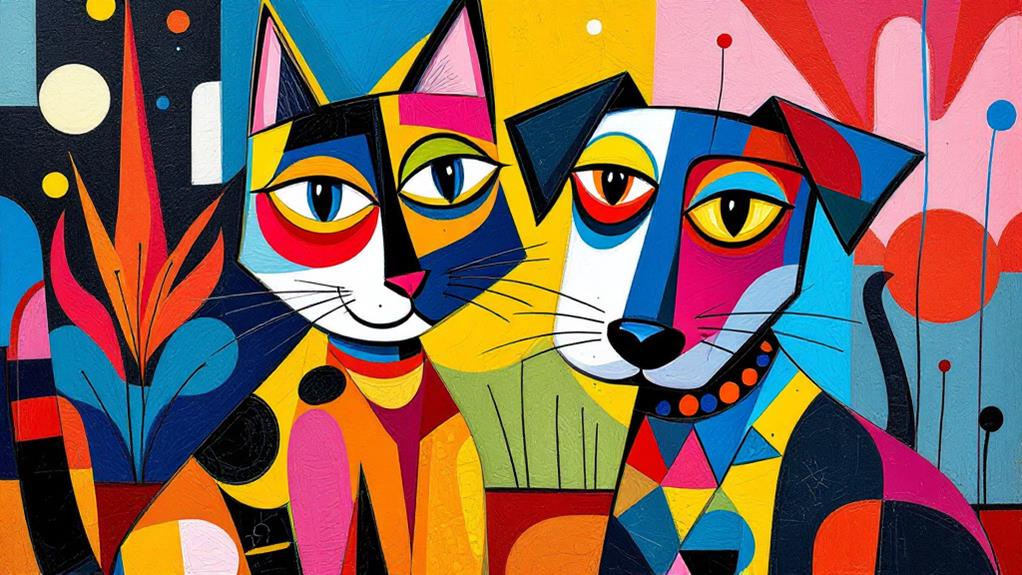
Embracing creativity, modernism brought a fresh perspective to pet portraits, breaking away from the confines of traditional realism. Artists began investigating new styles and techniques, allowing for more expressive and abstract representations of animals. You might find it fascinating how modernist artists captured the bond between humans and their pets through these original approaches.
Consider these examples:
- Pablo Picasso: His pet dachshund, Lump, became the muse for a series of continuous-line drawings, showcasing Picasso's unique take on animal portraiture.
- William Wegman: Gaining fame in the 1970s, Wegman delighted viewers with playful photographs of Weimaraner dogs dressed in human clothing, blending humor with artistry.
- Jeff Koons: Known for examining bold colors and large-scale sculptures, Koons reflects modern cultural sentiments and the enduring bond between humans and animals in his works.
- Digital Media: The rise of digital tools has enabled artists to merge traditional techniques with contemporary methods for both realistic and inventive pet portraits.
Modernism's influence is evident as artists continue to investigate the deep connection between humans and their animal companions, using creative techniques that bridge the past and present in pet portraiture.
Emotional Bonds in Art
Modernist pet portraits opened the door to investigating emotional connections in art, where the bond between artists and their animal companions becomes a profound source of inspiration. As you explore these artworks, you'll notice how pets often serve as emotional anchors for artists, providing comfort and companionship during life's challenges. Frida Kahlo's paintings, featuring her beloved pets like the small deer Gonzo, reveal the emotional significance these animals had in her life, especially as she battled health issues.
Consider the works of Pablo Picasso and Andy Warhol, who immortalized their pets, Lump the dachshund and Archie the cat, respectively. These depictions highlight the personal bonds that fueled their creative expression and shaped their public personas. You can see how these animals weren't just subjects but integral parts of the artists' lives, offering emotional support and companionship.
Dante Gabriel Rossetti's drawings of his wombat Top further illustrate this deep affection. Pets in art symbolize emotional support, serving as loyal companions who embody themes of love and companionship. Through these masterpieces, the unique relationship between humans and animals comes to life, showcasing the profound impact pets have on artists.
Pets as Status Symbols
Imagine a grand portrait from the Dutch Golden Period, where a nobleman's loyal dog sits prominently by his side, illustrating wealth and prestige. During this time, pets, especially dogs, became powerful symbols of status and affluence, carefully positioned by famous artists like Rembrandt and Steen. These animals weren't mere companions; they were intentional markers of their owner's place in society.
In Renaissance art, this trend continued, particularly seen in works like Leonardo da Vinci's "Lady with an Ermine". The ermine, a luxurious creature, further emphasized the sitter's noble stature. As you investigate different masterpieces, you'll notice how these pets weave a richer narrative, enhancing the subject's sophistication.
- Rembrandt's portraits often feature dogs, underlining the subject's prominence.
- Steen's "The Merry Family" uses a dog to depict both domestic bliss and social standing.
- The 18th and 19th centuries saw a surge in pet portraits, reflecting their rising importance.
- Artists across movements utilized pets to signify taste and class.
It's fascinating how, over centuries, pets in art evolved from simple companions to significant status symbols, reflecting their owners' wealth and sophistication.
Future of Pet Art
While pets in art have historically symbolized status and affluence, today's art scene is transforming these portrayals into something far more dynamic. Thanks to digital media, contemporary artists are investigating groundbreaking techniques that breathe new life into the depiction of beloved pets. Whether it's a dog captured in a realistic digital portrait or a mixed media piece combining diverse artistic forms, these creations resonate with a growing audience.
In the UK alone, the demand for pet art is evident, with over 10 million dog owners and about 11 million cat owners seeking ways to immortalize their furry companions. New trends, like those seen in Jeff Koons' sculptures and Laurel Burch's lively paintings, adopt bold colors and large-scale formats, capturing the emotional significance pets hold in our lives.
Looking forward, technology and social media platforms will further revolutionize pet art. Artists will have more opportunities to engage audiences and investigate creative expressions. As the emotional connections between humans and pets deepen, this form of art will continue to flourish, ensuring that the depiction of our beloved pets remains an enduring and meaningful element of visual culture.