Persian Cat: The Dignified and Noble Feline Companion
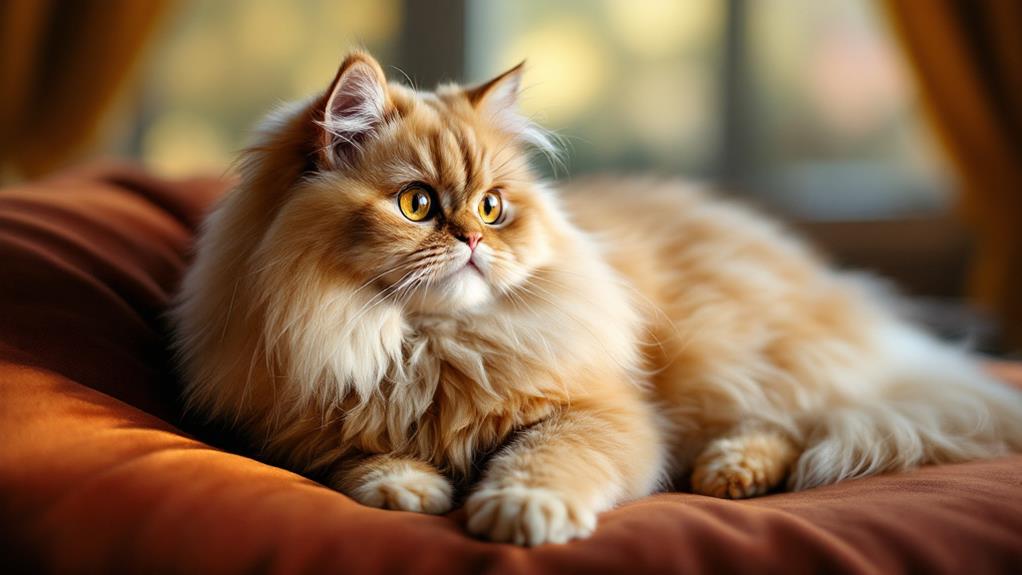
You're drawn to Persian cats for their regal elegance and gentle demeanor. Originating from ancient Persia, these felines have a rich cultural lineage. Their luxurious coats and expressive eyes make them a standout among cat lovers. Known for their tranquil and serene nature, Persians are perfect companions in calm households. While their majestic appearance requires daily grooming, it also provides bonding moments between you and your pet. Awareness of potential health issues like respiratory problems is essential for their care. If you're curious about the intricate personality and unique needs of these noble companions, there's much more to investigate.
Origins and History
In the 1600s, Persian cats emerged in Persia, now known as Iran, where their luxurious long-haired coats made them stand out. These elegant felines quickly attracted attention, not just for their distinctive appearance but also for their intriguing origins. The history of Persian cats can be traced back to ancient Mesopotamia, a region known for its rich culture and early domestication of animals. This connection hints at a lineage intertwined with both domestic and wild cats, giving rise to the Persian's unique lineage.
As trade routes expanded, these fascinating cats found their way to Europe, where they became the epitome of luxury and status among nobility. Their enchanting presence and luxurious coats made them desirable companions for the elite, setting the stage for their enduring popularity. Over centuries, selective breeding refined their features, enhancing their already remarkable allure.
When the Cat Fanciers' Association (CFA) recognized Persian cats in 1906, it highlighted their significant role in the world of cat fanciers. Today, Persian cats are celebrated as one of the oldest and most distinguished breeds, with a history deeply rooted in the ancient lands of Mesopotamia and Persia.
Physical Traits
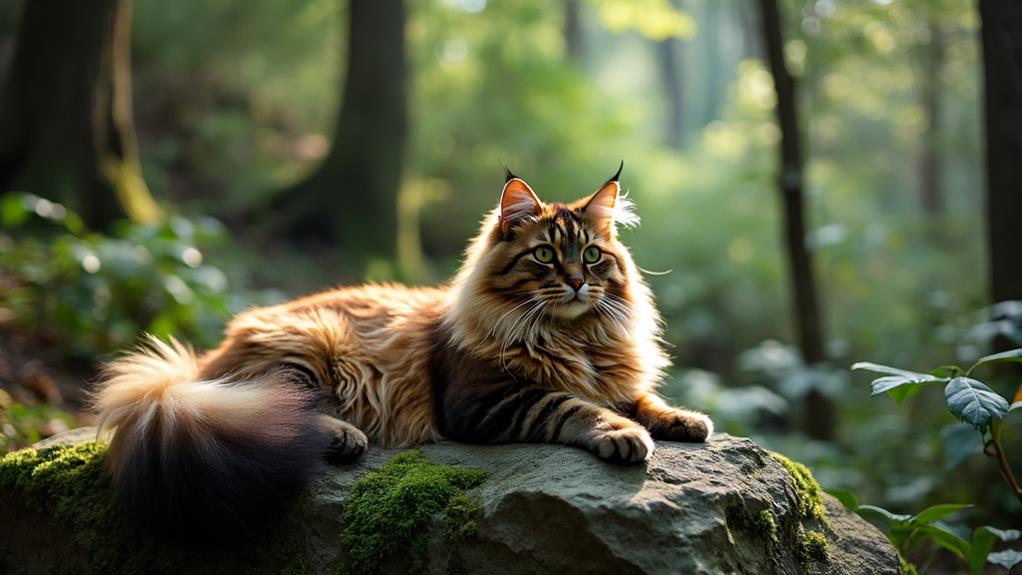
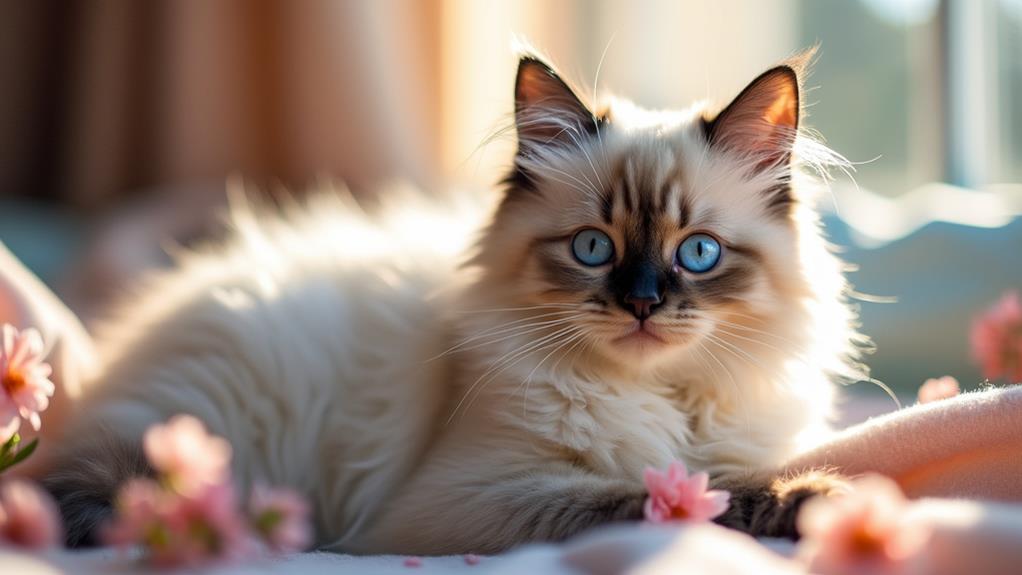
Persian cats boast a distinctive set of physical traits that make them instantly recognizable. Their flat faces, with short, flat noses and round features, give them a unique appearance that's hard to miss. This brachycephalic facial structure sets them apart from other breeds and contributes to their dignified look. Alongside their facial structure, their long fur is one of their most striking features. Persians are celebrated for their flowing coats, which come in an impressive variety of coat colours and patterns, including solid, tabby, tortoiseshell, and bicolor.
Their large, expressive eyes add to their regal charm, with hues that range from enchanting blue to deep copper, or even a mesmerizing mix of both. These eyes not only improve their noble appearance but also seem to convey a world of emotion. On average, Persian cats weigh between 7 to 12 pounds and have a robust, stocky build. Their short legs and thick neck further emphasize their solid stature.
However, owning a Persian demands commitment to grooming. Their long, dense fur requires daily brushing to prevent matting and keep that glossy, healthy appearance you love.
Personality Insights
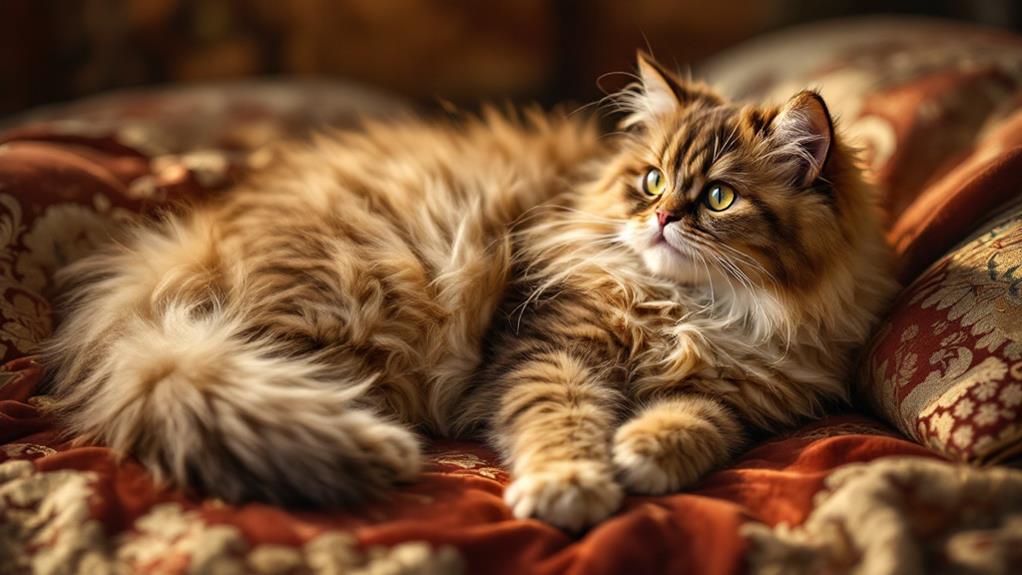
Recognizing the serene and placid nature of Persian cats can help you appreciate them as calm and affectionate companions. Persian kittens, with their adorable fluff, grow into adults that thrive in a tranquil environment. They prefer lounging over high-energy play, making them ideal for homes where peace reigns. Creating such an environment allows them to bond deeply with family members, often displaying a gentle demeanor and forming close ties with children.
However, don't expect them to be the life of the party. Persians are typically reserved around strangers, requiring a calm atmosphere to feel comfortable. To guarantee they fit in well with your household, regular socialization with other pets is key. Slow introductions in a peaceful setting can make all the difference, helping your Persian feel secure and content.
Keep in mind their grooming needs, which are as demanding as their need for tranquility. Regular grooming sessions can become a bonding experience, reinforcing the affectionate relationship you share. While Persian cats are known for their sweet nature, awareness of potential health problems is crucial. Providing a loving, calm home guarantees your Persian remains a cherished family member for years to come.
Health and Wellness
Caring for the health and wellness of your Persian cat involves understanding and addressing their unique needs. These elegant felines are prone to specific health issues, such as respiratory problems and polycystic kidney disease (PKD). Regular veterinary check-ups are essential for early detection and management of these conditions. Monitoring your Persian's respiratory health is important due to their brachycephalic facial structure, which can lead to breathing difficulties and nasolacrimal duct issues.
Providing a balanced diet is vital for your Persian cat's overall health. Choose cat food rich in protein and necessary fatty acids to support their wellness. Hydration is similarly important, so make sure they always have access to fresh water. Regular dental care is another key aspect of proper care. Daily tooth brushing and dental treats help prevent periodontal disease and maintain your cat's oral health.
Grooming also plays a significant role in their health routine. Although primarily for coat maintenance, regular brushing prevents skin issues and reduces hairballs. By understanding these needs and providing attentive care, you'll help your Persian cat live a healthy and happy life.
Care and Maintenance
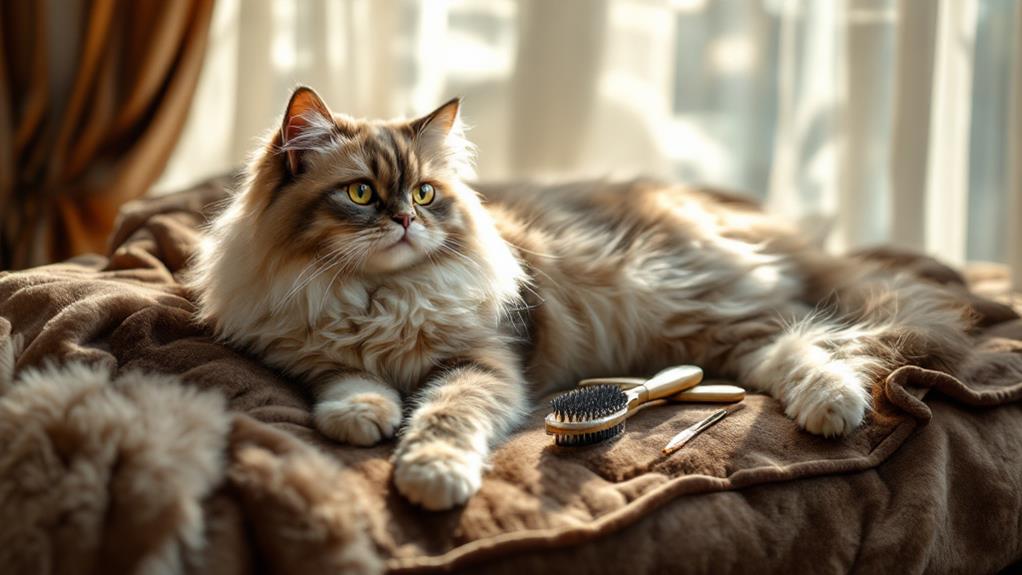
In regard to the care and maintenance of your Persian cat, daily attention to their grooming needs is imperative. Their long, thick coats require regular brushing to prevent matting and reduce the risk of hairballs. Setting aside a few minutes each day for grooming can make a big difference in maintaining their beautiful fur. Furthermore, guaranteeing a balanced diet rich in proteins and fundamental fatty acids is essential. High-quality cat food tailored to their needs will support their comprehensive health and well-being.
Consider these three fundamental aspects of Persian cat care:
- Grooming: Daily brushing is necessary to keep their coat in top condition and prevent tangles.
- Diet: Offer a nutritious diet with high-quality cat food to meet their specific nutritional requirements.
- Dental Care: Regularly brush their teeth and provide dental treats to help prevent periodontal disease.
Living indoors is generally preferred for Persian cats to minimize health risks. A safe and comfortable environment contributes considerably to their happiness. Regular veterinary check-ups are also critical to monitor for common health issues like respiratory problems and polycystic kidney disease (PKD). By focusing on these areas, you'll guarantee your Persian cat stays healthy and content.