Otterhound: The Amiable Hunter and Water-Loving Dog
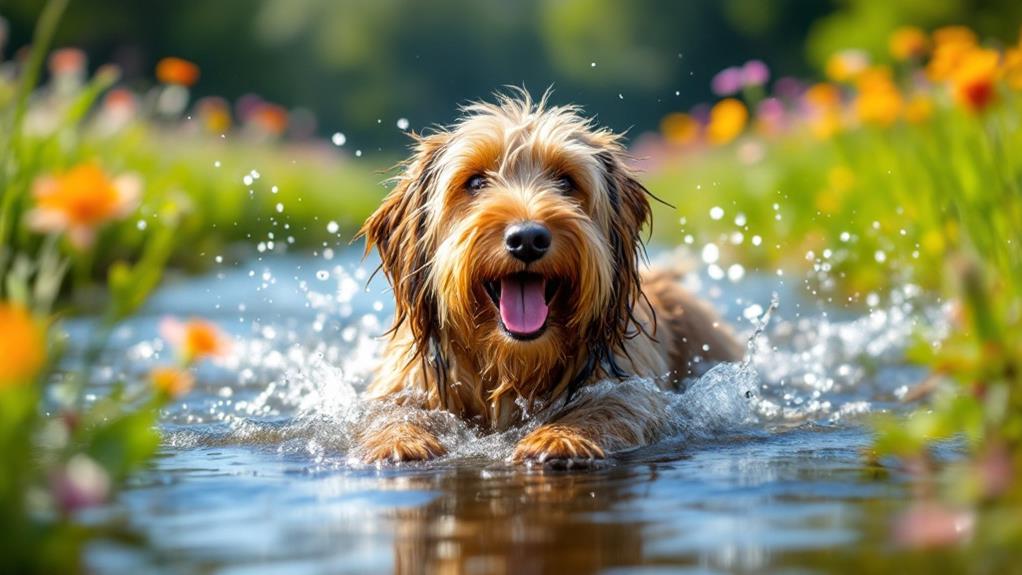
You'll find the Otterhound to be an amiable and energetic breed, perfect for anyone looking for a unique companion. Bred in medieval England for hunting river otters, they're equipped with a muscular build and webbed feet, making them exceptional swimmers. Their shaggy, waterproof coat keeps them ready for aquatic adventures. Although Otterhounds are cheerful and great with families, their independent streak can lead to stubbornness, so you'll need patience during training. Be prepared for their vocal nature and strong prey drive. Regular grooming and exercise are key to their well-being. There's much more to uncover about this fascinating breed.
Breed Overview
If you're considering the Otterhound, you're looking at a rare and unique breed with a strong build and a charmingly shaggy, waterproof coat. Known for their impressive size, males typically stand at 27 inches and weigh around 115 pounds, while females are slightly smaller. This breed, ranked 189 out of 201 by the AKC, is part of the Hound Group and boasts a life expectancy of 10 to 13 years.
The Otterhound was originally bred for hunting otters in medieval England, making them a true water-loving companion. Their acute sense of smell is one of the most remarkable traits, allowing them to excel in tracking and hunting activities. This keen olfactory ability, combined with their love for water, makes them exceptional in their original role and any scent-based activities you might engage in today.
Their dense double coat, which often comes in appealing colors like tan and black, demands regular grooming. This grooming is crucial to maintain the coat's health and prevent matting, ensuring your Otterhound looks and feels its best. As an owner, embracing their unique grooming needs is key to keeping this amiable hunter happy and healthy.
Historical Background
The Otterhound has a fascinating historical background, rooted deeply in medieval England where it was specifically bred for hunting river otters. With its exceptional tracking abilities, the Otterhound became an indispensable asset for hunters. British monarchs held this breed in high esteem, maintaining packs for nearly 400 years, underscoring its royal connection. As a water-loving dog, the Otterhound thrived in its natural habitat, adept at maneuvering through rivers in pursuit of its quarry.
Despite its illustrious past, the Otterhound's numbers have dwindled, leading to its classification as a rare breed today. This decline began when hunting otters became illegal in 1978, which greatly reduced the need for these skilled trackers. However, their legacy lives on, having been immortalized in literature, such as "Tarka the Otter" by Henry Williamson, a reflection of their importance in British culture and wildlife management.
- Otterhounds can follow scent trails up to 12 hours old.
- Their acute sense of smell and hunting prowess set them apart.
- Historically favored by British monarchs, they had a royal connection.
- Their numbers declined post-1978 due to legal changes in hunting.
- Featured in literature, they remain a cultural icon.
Physical Characteristics
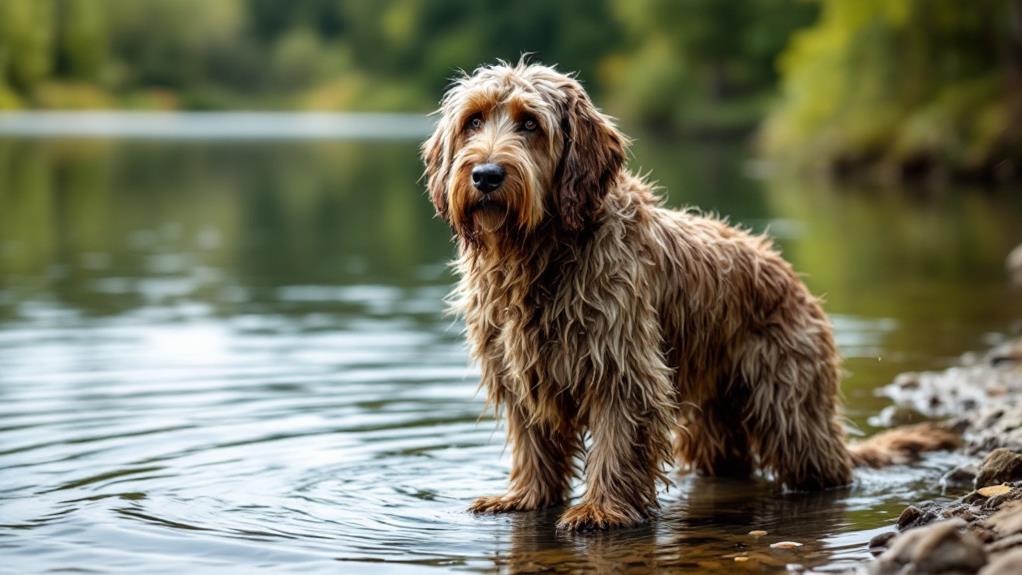
From their storied past, Otterhounds carry a physical presence that's as striking as their historical significance. Standing 24-27 inches tall, these dogs boast a robust and muscular build, with males weighing around 115 pounds and females about 80 pounds. Their bodies are slightly longer than they are tall, forming a rectangular silhouette, perfectly designed for the rigorous demands of hunting.
One of the most distinctive features of an Otterhound is their rough, double coat. This waterproof coat consists of a harsh outer layer and a dense, water-resistant undercoat, making it ideal for their water-loving nature. You'll find them in colors like tan and black, which only add to their striking appearance. However, this impressive coat requires regular grooming to prevent matting and manage moderate shedding. A weekly brushing will keep their coat in top shape.
Equipped with webbed feet, Otterhounds have a remarkable swimming ability, allowing them to glide through water with ease. This feature, coupled with their waterproof coat, underscores their natural affinity for aquatic adventures. Regardless of their swimming or hunting, Otterhounds are built to excel in both water and on land.
Temperament and Behavior
With a friendly and cheerful disposition, the Otterhound is a delight to have around the family. You'll appreciate its sociable nature, especially with children, thanks to its amiable temperament. However, don't be surprised by the Otterhound's independent nature, which can sometimes lead to stubbornness. This means consistent training and patience are key. Given their history as hunters, Otterhounds possess a strong prey drive. It's important to supervise them around smaller animals and young kids to guarantee everyone's safety.
Socialization plays a significant role in shaping an Otterhound's behavior. Early interaction with people and other dogs helps them mature into well-adjusted companions, reducing undesirable traits like excessive stubbornness. These vocal dogs love to express themselves, filling your home with melodic barks and songs that can be managed with proper training.
Here's what you need to know about Otterhounds:
- Friendly and cheerful: Great with families and children.
- Independent nature: Can be stubborn, requiring patience.
- Strong prey drive: Needs supervision around small animals.
- Vocal dogs: Known for their loud barks and singing.
- Thrive on companionship: Socialization is fundamental for their well-being.
Health Considerations
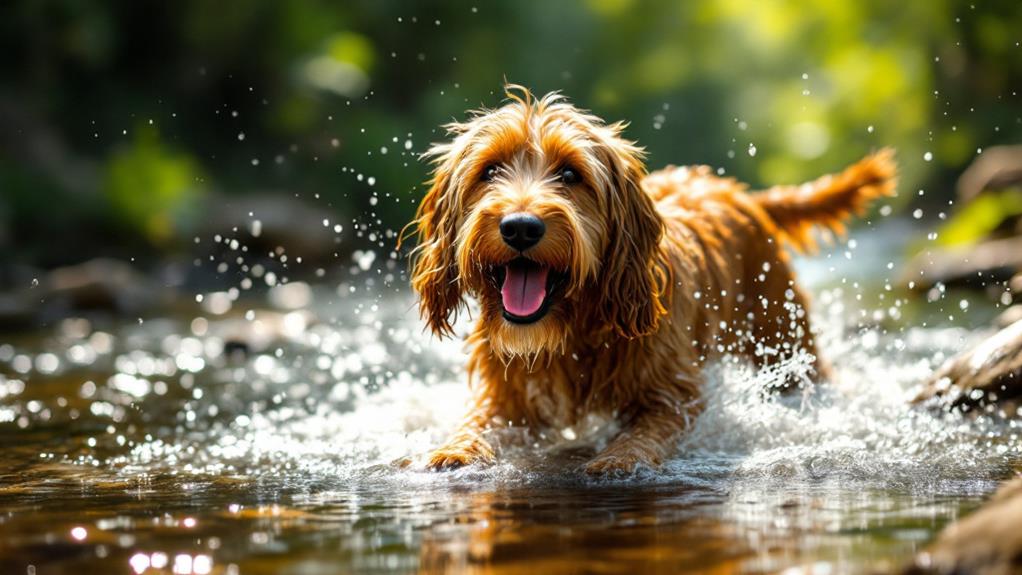
When considering the health of an Otterhound, it's essential to recognize that while they're generally robust, they can be prone to specific genetic health issues. Among the more common concerns are Canine Hip Dysplasia and Bloat. Canine Hip Dysplasia is a hereditary condition affecting the hip joint, leading to discomfort and mobility issues. Bloat, or Gastric Dilatation-Volvulus, is especially dangerous, occurring more frequently in males and requiring immediate medical attention.
To manage these health issues effectively, routine veterinary check-ups are imperative. These visits guarantee that any potential problems are caught early and that your dog receives necessary vaccinations and preventive care against parasites. For young Otterhounds, it's essential to limit excessive exercise to prevent joint problems as they grow.
Diet and feeding habits also play a significant role in the health of your Otterhound. Selecting appropriate food and feeding schedules can help reduce the risk of bloat. Using raised feeding dishes and making sure your dog rests after meals are practical measures. By prioritizing these considerations, you can help guarantee your Otterhound leads a healthy, active life.
Grooming Needs
While keeping an Otterhound healthy involves understanding their genetic predispositions, maintaining a good grooming routine is comparably significant. Their dense, water-resistant double coat requires regular attention to stay in peak condition. Weekly brushing is key to preventing matting and ensuring your dog's coat remains healthy. Bathing should be done as needed with a dog-specific shampoo to avoid stripping the coat of its natural oils.
Routine ear cleaning is vital due to the Otterhound's predisposition to ear infections. Using a liquid ear cleaner once a week can help keep their ears in good shape. Nail trimming every 10-14 days is necessary to prevent overgrowth, which can cause discomfort and mobility issues. Daily dental care, including brushing, helps manage tartar buildup and promotes comprehensive oral health.
To keep your Otterhound groomed effectively, consider the following checklist:
- Weekly brushing: Prevents matting and maintains coat health.
- Dog-specific shampoo: Use as needed to keep the coat's natural oils intact.
- Ear cleaning: Weekly routine to prevent infections.
- Nail trimming: Every 10-14 days for comfort and mobility.
- Daily dental care: Fundamental for managing tartar and ensuring oral health.
Training Tips
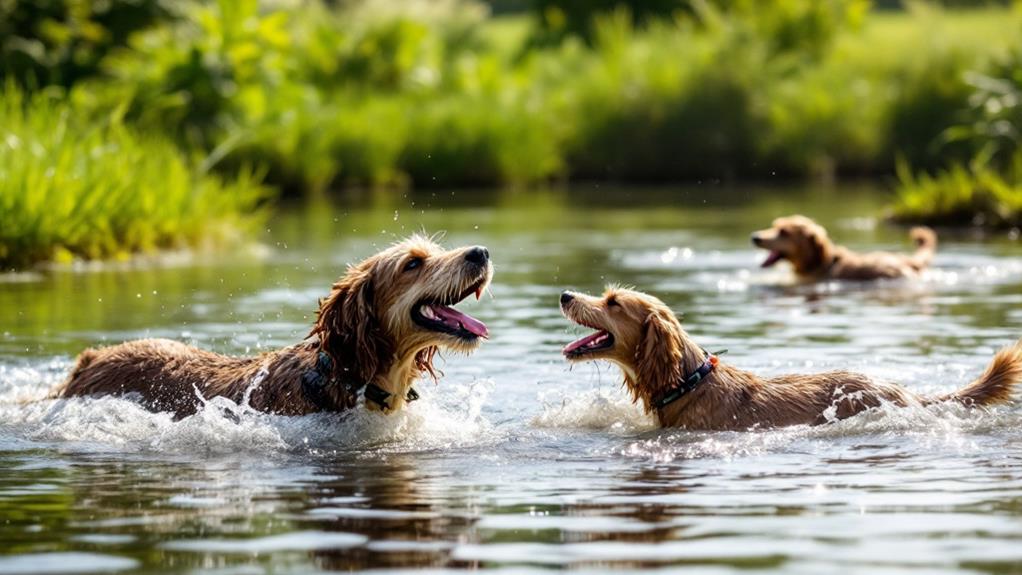
Training your Otterhound effectively starts with establishing a consistent routine, as this breed thrives in structured environments with regular practice. Begin by setting specific times each day for training sessions to create a predictable schedule. Otterhounds have an independent streak, so patience and persistence are key. Use positive reinforcement training to your advantage. Reward your Otterhound's good behavior with treats and praise, which will enhance their motivation and enthusiasm to learn.
Socialization is vital for Otterhounds. Introduce them early to different environments, people, and other dogs. This exposure helps them develop into well-rounded, friendly companions. Incorporating mental stimulation into your training routine is just as significant. Otterhounds have a keen sense of smell, and engaging them with scent games or puzzle toys will challenge their minds and keep them entertained.
Leash training is fundamental, given the Otterhound's tendency to investigate due to their independent nature. Start leash training early to guarantee safe and enjoyable outings. With consistent effort and these training tips, you'll foster a well-behaved, sociable Otterhound that's a joy to have in your family. Remember, a structured environment and regular practice make all the difference.
Exercise Requirements
Daily exercise is vital for keeping your Otterhound healthy and happy. As a high-energy breed, Otterhounds need more than 2 hours of exercise daily to meet their exercise needs. This extensive activity helps maintain their physical fitness and provides significant mental stimulation. Here's how you can guarantee your water-loving dog gets the activity it craves:
- Vigorous Walks or Hikes: Aim for at least an hour of brisk walking or hiking. This not only helps with their physical fitness but also offers mental stimulation through diverse scents and sights.
- Swimming: Their affinity for water makes swimming an excellent exercise choice. It keeps them fit and mentally alert while satisfying their love for water.
- Play Sessions: Regularly engage them in play sessions with toys that challenge their minds and bodies.
- Scent Games: Otterhounds love using their noses, so games that involve scent tracking are perfect for mental and physical exercise.
- Prevent Boredom: Consistent daily exercise helps prevent boredom-related behaviors, supporting their general well-being.
Activities and Sports
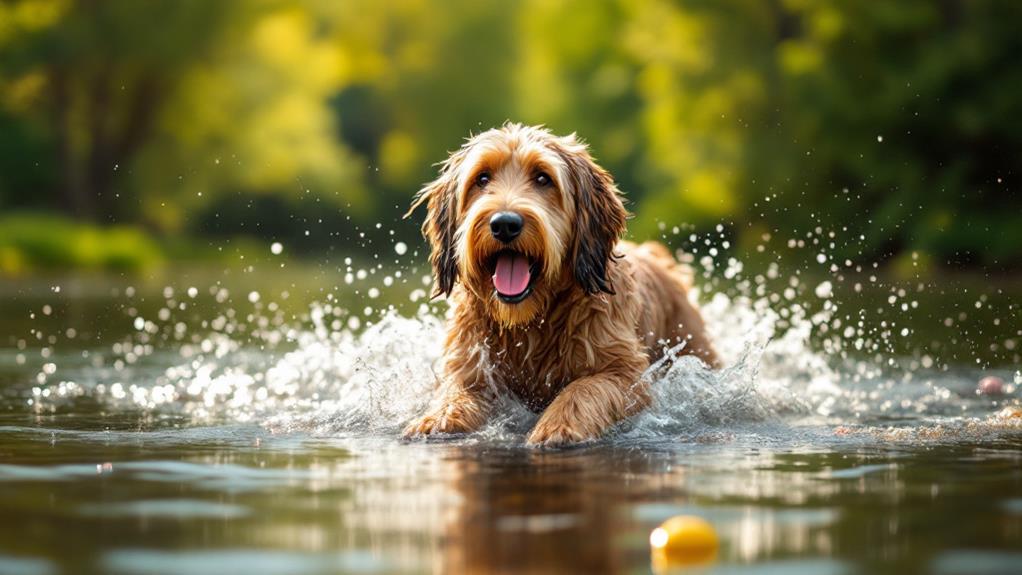
Engaging your Otterhound in activities and sports is a fantastic way to channel its energy and intelligence. Given its love for water, swimming is an ideal activity that provides excellent exercise while allowing your Otterhound to revel in one of its favorite pastimes. You'll find that it's not just a workout but also a joyful experience for your water-loving companion.
Dog sports like tracking and scent work are perfect for the Otterhound, tapping into its intelligence and remarkable sense of smell. These activities keep your dog mentally stimulated and offer a great opportunity for training. You can watch your Otterhound excel as it uses its natural abilities to succeed in these engaging sports.
Agility training is another excellent way to keep your Otterhound fit and sharp. This kind of exercise contributes to its general well-being, helping maintain its health and happiness. Incorporating games like fetch or tug-of-war into your routine not only provides physical exercise but also strengthens the bond between you and your Otterhound. With daily exercise needs often exceeding two hours, varied activities like hikes or dog park visits are crucial. They guarantee your Otterhound remains active and content.