Norwegian Elkhound: The Robust Spitz-Type Breed for Active Families
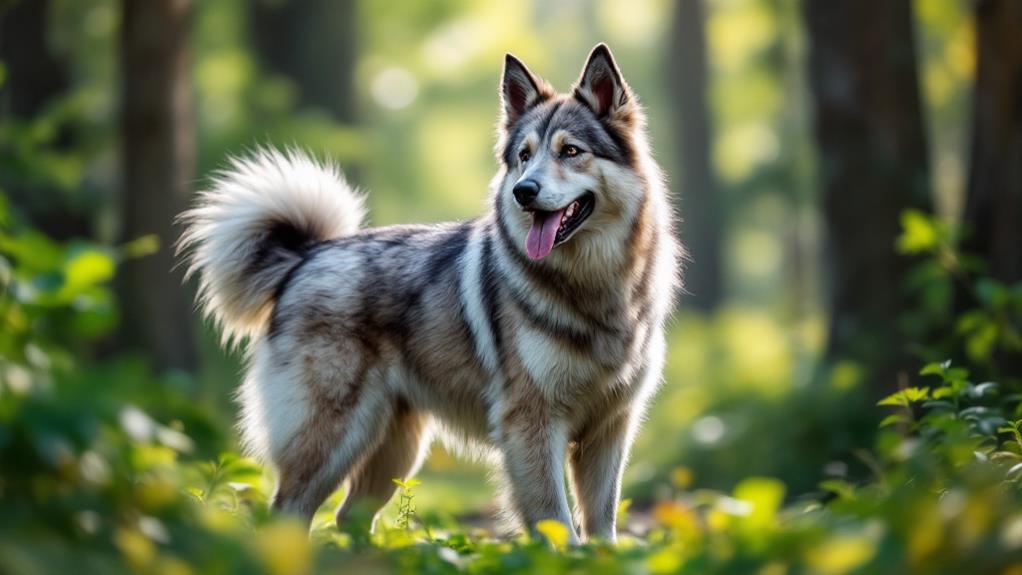
Opting for a Norwegian Elkhound means welcoming a lively and devoted spitz-type breed into your active family. This medium-sized dog, known for its hunting origins, boasts a strong build and a charming curled tail. It demands regular grooming due to its thick double coat and needs at least 40-60 minutes of daily exercise. A loyal companion, the Elkhound bonds deeply with family members while being wary of strangers, making early socialization essential. Training is best approached with consistency and positive reinforcement. By embracing these aspects, you'll set the foundation for a rewarding experience with this beloved breed. Uncover more ahead!
Breed Origins and History
The Norwegian Elkhound, a breed with a rich heritage, originated in western Norway and traces its history back to around 5,000 B.C. This remarkable breed has been an integral part of Nordic culture, primarily used for hunting large game like moose, bears, and lynx. You might be surprised to learn that the name "Elkhound" is actually a mistranslation. In Norwegian, "elg" means moose, not elk, making the more accurate term "moose dog." Despite this mix-up, the Elkhound's skills as a hunting companion are legendary, showcasing its importance in the rugged landscapes of Norway.
Throughout history, the Norwegian Elkhound held significant value, as evidenced by their presence in Viking grave sites. This highlights their role not just as working dogs but cherished companions. Their legacy continued to grow when the American Kennel Club recognized the breed in 1913. Since then, the Norwegian Elkhound has captivated dog enthusiasts worldwide, even securing 11 wins at the prestigious Westminster Dog Show. For you, this breed represents a living piece of history, offering both companionship and a glimpse into the ancient world of Nordic hunters.
Physical Traits
Boasting a striking appearance, the Norwegian Elkhound stands out with its medium size and robust build. As a medium-sized dog, it typically measures between 19 to 21 inches in height and weighs from 48 to 55 pounds. This breed's strong and muscular physique isn't just for show; it's a demonstration of their endurance and ability to thrive in active outdoor settings. Norwegian Elkhounds have a compact body structure, and their characteristic curled tail rests high over the back, highlighting their spitz lineage.
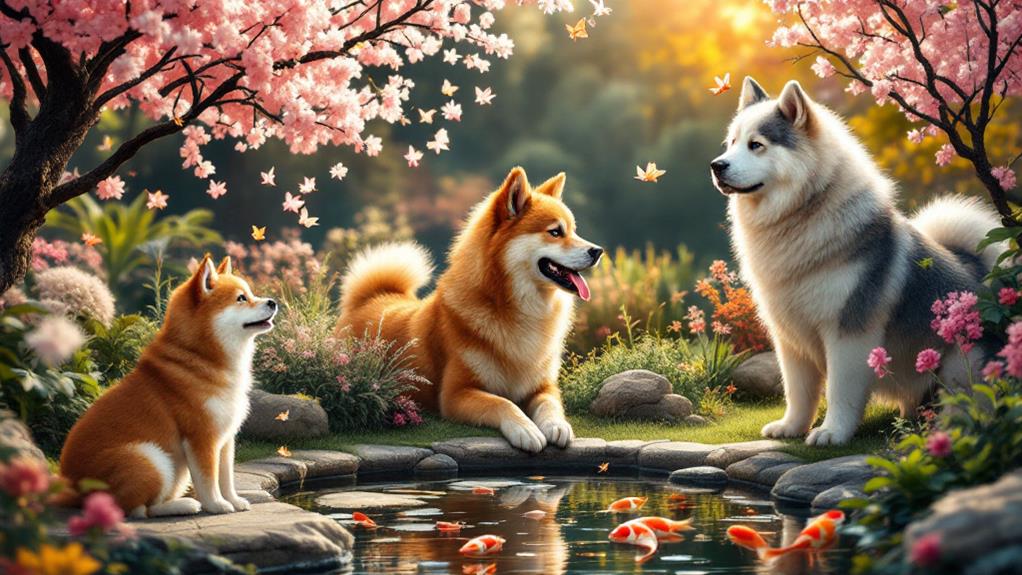
One of the most defining features of Norwegian Elkhounds is their thick coat. This double coat is mainly medium gray with a lighter silver undercoat, providing excellent insulation, especially in cold climates. The black-tipped hairs add a layer of depth and texture to their appearance, making them even more distinguished. Their erect, triangular ears with black tips and expressive brown eyes give them an alert and intelligent look that's hard to miss.
The physical traits of Norwegian Elkhounds make them well-suited for families who enjoy outdoor activities. Their strong build and thick coat allow them to excel in different environments, ensuring they remain comfortable and ready for adventure.
Grooming Essentials
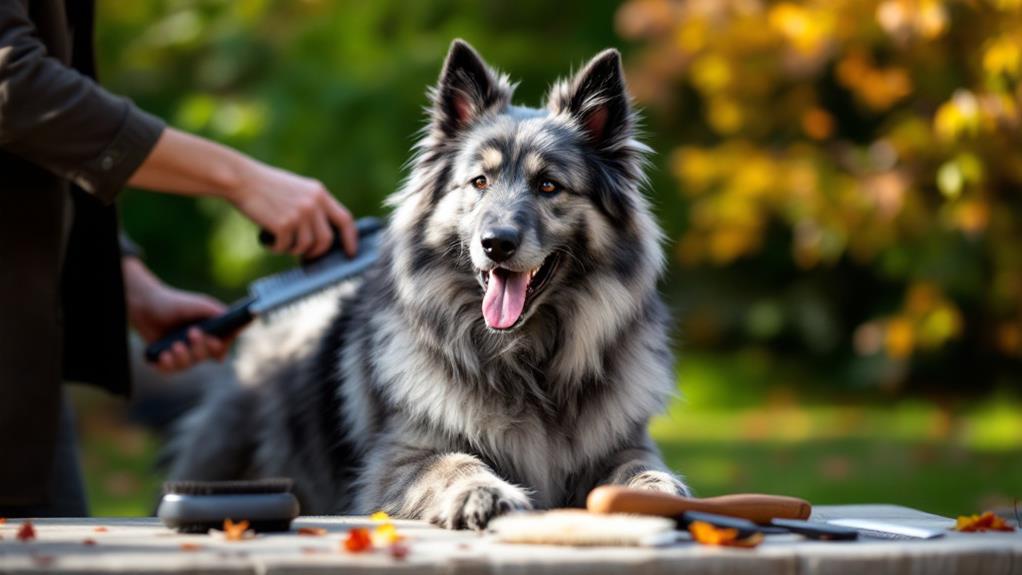
When caring for a Norwegian Elkhound, regular grooming becomes vital due to their thick, double coat. Weekly brushing is a must to minimize shedding and keep their coat looking its best, especially during seasonal changes. A good grooming routine not only keeps your Elkhound looking great but also contributes considerably to their general health.
Bathing should be occasional and only when necessary. Use a high-quality shampoo to maintain the coat's health and avoid skin irritation. Overbathing can strip vital oils from the coat, so it's best to keep it minimal.
Don't forget about nail trimming. Regular trims are key for your Elkhound's health, as overgrown nails can lead to discomfort and even mobility issues. Keep an eye on their nails and trim them before they become problematic.
Dental care is another significant aspect of grooming. Routine teeth brushing helps prevent dental diseases and guarantees your Elkhound's oral hygiene is in check. Incorporating these grooming practices will make a substantial difference in your Norwegian Elkhound's well-being, allowing them to lead a comfortable, healthy life. Remember, a well-groomed Elkhound is a happy Elkhound.
Health and Longevity
With a lifespan of 12 to 15 years, Norwegian Elkhounds, when properly cared for, are known for their health and vigor. To guarantee your Elkhound remains lively and active, it's imperative to address potential health issues and maintain a consistent care routine. Common health concerns include hip dysplasia and specific skin conditions. Regular veterinary check-ups are fundamental for early detection and management, greatly enhancing your dog's quality of life.
Regular grooming plays a significant role in maintaining your Elkhound's health. Weekly brushing not only reduces shedding but also prevents skin problems by keeping the coat clean and healthy. This simple routine can make a big difference in preventing potential skin issues.
A balanced diet tailored to your Elkhound's stage, weight, and activity level is also key. Providing the right nutrients helps maintain peak health and prevents obesity, a common problem that can lead to other health complications.
Here's how you can promote your Norwegian Elkhound's health and longevity:
- Routine veterinary check-ups for early detection of health issues.
- Regular grooming to manage shedding and prevent skin problems.
- Balanced diet tailored to individual needs.
Exercise Requirements
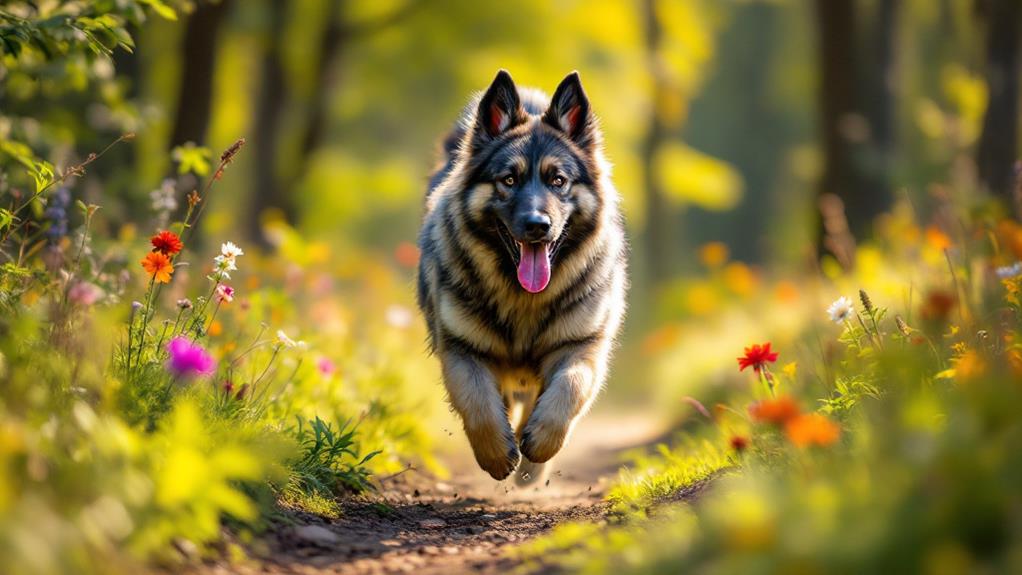
An active breed like the Norwegian Elkhound thrives on daily exercise to harness their high energy and maintain peak physical condition. Meeting their exercise requirements involves providing 40-60 minutes of daily activity, guaranteeing they stay fit and content. Their high energy levels demand more than just a simple walk; engage them in varied outdoor activities to keep them stimulated. These dogs excel in dog sports like agility, which challenge them both mentally and physically.
Norwegian Elkhounds have a natural affinity for the outdoors, especially in cooler climates, reflecting their spitz origins. Accept this by incorporating outdoor activities into their routine, such as hiking, tracking, or letting them investigate open spaces. Regular exercise is vital not only for their physical well-being but also to prevent potential behavioral issues. It helps channel their energy positively, supporting their robust stamina and endurance, which are fundamental traits for activities like hunting.
Incorporate social interactions during their exercise regime as well. Meeting other dogs and people allows them to develop a friendly demeanor and adaptability. By focusing on their exercise requirements, you'll guarantee your Norwegian Elkhound remains a happy and well-adjusted member of your family.
Behavior and Temperament
Though Norwegian Elkhounds are renowned for their friendly and confident demeanor, making them ideal family pets, they also possess a strong sense of loyalty and protection. You'll find that their behavior is characterized by deep bonds with their families, ensuring they remain devoted companions. Their protective instincts make them naturally wary of strangers, a trait that can be managed through proper socialization. It's vital to start this socialization early to prevent dominant tendencies, especially towards same-sex dogs.
Their temperament is energetic and lively, and they thrive best in environments where they can engage in regular physical and mental activities. Norwegian Elkhounds require consistent daily exercise, about 40-60 minutes, to maintain their well-being. This exercise is critical not just for their physical health but also to keep their minds sharp and behavior well-balanced.
Consider these aspects of their personality:
- Loyalty: They form strong attachments and will always be by your side.
- Energy: Expect a lively companion that needs daily activity.
- Protectiveness: Their wariness of strangers can be an asset for family safety.
Understanding these traits will help you nurture a well-adjusted and happy Norwegian Elkhound.
Training Techniques
As you welcome the lively and energetic nature of Norwegian Elkhounds, training becomes an integral part of nurturing their spirited temperament. Their independent nature means they respond best to firm and consistent training techniques. Start with early socialization to help your Elkhound develop a friendly demeanor, reducing their innate wariness around new people and dogs. This early step lays the foundation for a well-adjusted companion.
Focus on key training areas such as loose leash walking and recall. Given their high energy levels, incorporating engaging activities like agility courses can be particularly beneficial. These activities not only improve their physical abilities but also provide mental stimulation, keeping boredom at bay. Remember, short and fun sessions are more effective, helping maintain their interest and enthusiasm.
Establish a clear leadership role to manage their dominant tendencies, especially when interacting with same-sex dogs. Utilize positive reinforcement techniques to encourage desired behaviors, ensuring training remains a rewarding experience for both you and your Elkhound. By employing these training techniques, you're setting the stage for a harmonious relationship with your Norwegian Elkhound, allowing their spirited and intelligent nature to shine in a controlled and happy manner.
Community Support
One of the best ways to improve your experience as a Norwegian Elkhound owner is by tapping into the lively community support available. Engaging with fellow owners through dedicated forums and online platforms like Wag! isn't just about sharing cute dog photos; it amplifies your knowledge on training, health, and breed-specific care. You'll find a wealth of resources, including dog walking services tailored to your Elkhound's robust needs.
Joining local dog parks and social events offers more than just a chance for your Elkhound to exercise. It's an opportunity to meet other owners, exchange tips, and foster a supportive community. Sharing experiences with other enthusiasts not only builds camaraderie but also promotes responsible pet ownership, ensuring every Norwegian Elkhound gets the care they deserve.
Here's how you can benefit from community support:
- Forums and Online Platforms: Connect with other owners for advice and resources.
- Local Meetups: Socialize with fellow enthusiasts and their Elkhounds.
- Training and Health Information: Access programs and tips to better care for your pet.
Resources for Owners

For Norwegian Elkhound owners, having a robust set of resources at your fingertips can make pet ownership more rewarding and manageable. Platforms like Wag! provide valuable resources, including dog walking services and tailored care information, easing the daily responsibilities of pet ownership. Furthermore, tapping into online forums and social media groups allows you to share experiences and gain insights into the specific training, grooming, and health needs of your Norwegian Elkhound.
Local dog parks and social events offer great opportunities for exercise and socialization, both essential for this active breed. These interactions not only keep your Norwegian Elkhound physically fit but also mentally stimulated, fostering a well-rounded pet. In addition, the AKC website is a wealth of resources, offering training tips, health advice, and nutrition guidelines specifically designed for your dog's needs.
Consider enrolling your Norwegian Elkhound in programs like the AKC S.T.A.R. Puppy or Canine Good Citizen to improve their behavior and social skills. These programs provide structured training that benefits both you and your dog. By leveraging these resources, you can guarantee your Norwegian Elkhound thrives in a nurturing and supportive environment.