Norfolk Terrier: The Small but Fearless Working Dog
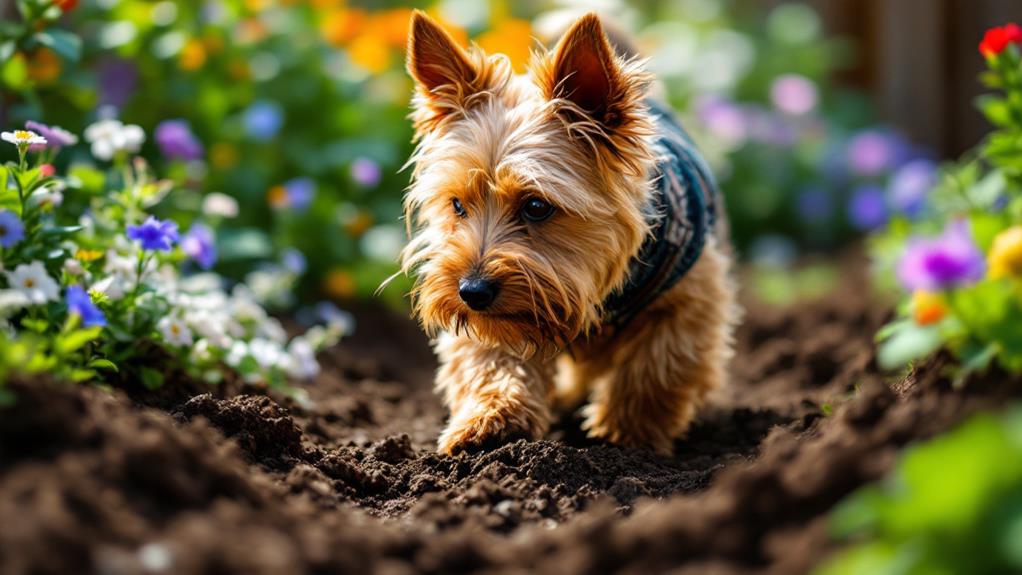
You'll find Norfolk Terriers, standing just 9-10 inches tall and weighing 11-12 pounds, are small yet undeniably fearless. These sturdy dogs have a wiry coat and come in different colors, including red and black and tan. Bred for hunting, they have a strong prey drive and fearless nature. They're confident companions, affectionate with families, and thrive on human interaction. Regular exercise keeps their spirited energy in check. Health-wise, they live 12 to 16 years but can face issues like hip dysplasia. Proper grooming includes weekly brushing and biannual hand stripping. Their fascinating history stretches back to 1880s England. Investigate further to uncover more intriguing details.
Breed Characteristics
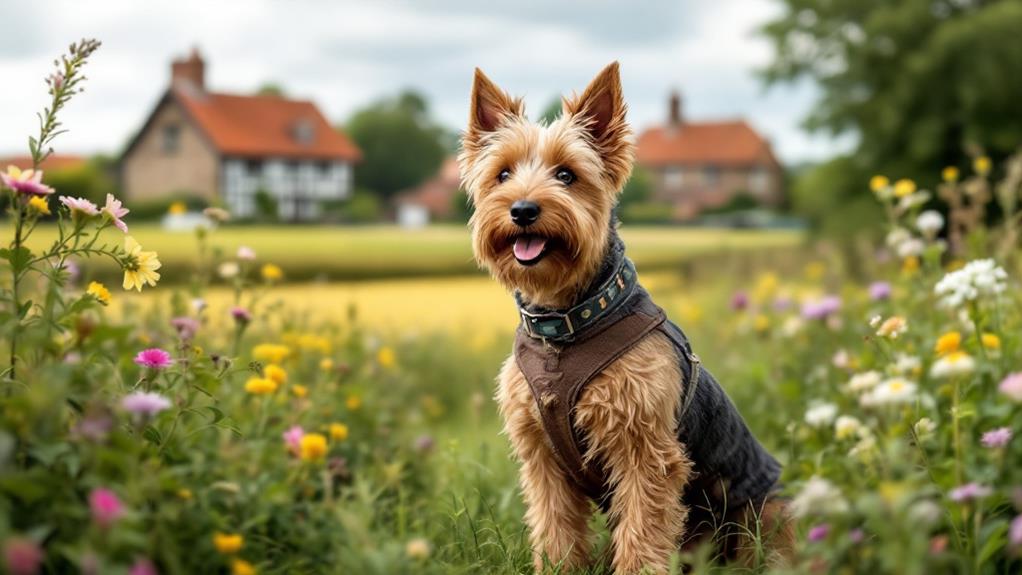
When exploring the breed characteristics of the Norfolk Terrier, you'll find a small yet sturdy dog, standing 9-10 inches tall and weighing between 11-12 pounds. This breed is known for its compact structure and distinctive wiry coat. Colors range from red to wheaten, black and tan, or grizzle. Regular grooming is vital to keep their coat looking its best.
As a working terrier, the Norfolk Terrier boasts a strong prey drive. Originally bred for hunting small game, they excel at chasing and flushing out vermin. Their fearless nature and agility make them excellent hunters, always ready to spring into action. You'll appreciate their solid build and robust energy, which are hallmarks of this breed.
Despite their small size, Norfolk Terriers are confident and feisty. This intelligence and enthusiasm to please make them relatively easy to train, although their stubborn streak might require you to employ consistent and firm training practices. Their adventurous spirit means they're always keen for a new challenge or adventure. Regardless of whether you're looking for a loyal companion or a vigilant hunter, the Norfolk Terrier's breed characteristics make them a versatile and engaging pet.
Temperament and Behavior
Beyond their physical attributes, Norfolk Terriers shine through their spirited temperament and engaging behavior. You'll find them to be feisty and confident, making them fearless companions that bring energy and enthusiasm to your life. Their affectionate and loyal nature means they thrive on human contact, making them perfect for families that enjoy spending time with their pets. Norfolk Terriers have an energetic disposition, so regular exercise and playtime are crucial to keep them healthy and content.
These dogs are intelligent and keen to please, which can make training a relatively straightforward task. However, their spirited nature may lead to moments of stubbornness. Consistent and patient training will help curb this and make the process smoother. Don't forget, their strong prey drive is a defining characteristic, showcasing their natural hunting instincts. You'll need to be cautious around small animals, as their instinctual behaviors might kick in unexpectedly.
Health Considerations
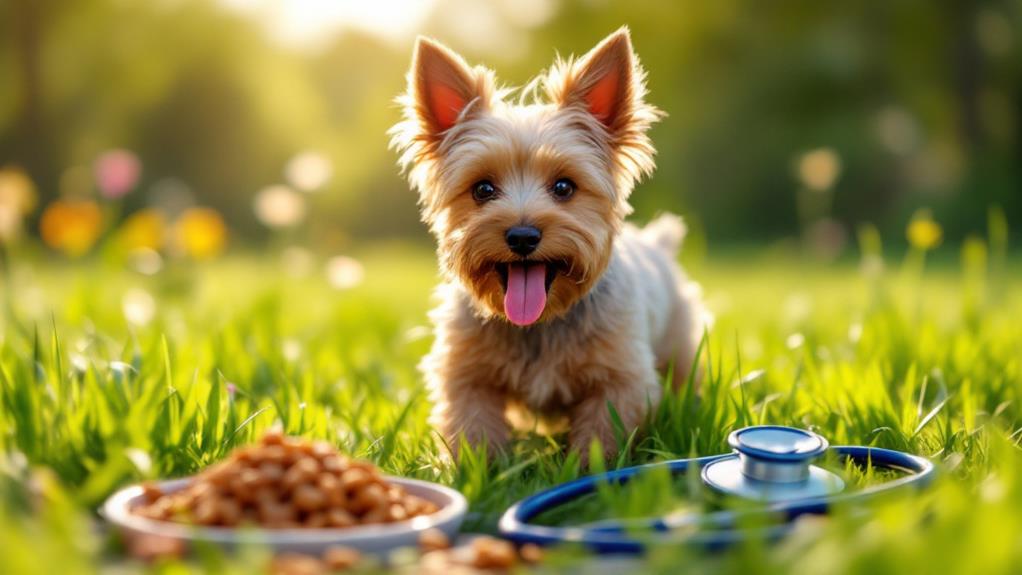
Norfolk Terriers, with their lively personalities, tend to live long, healthy lives when given the proper care. These spirited dogs have an average life expectancy of 12 to 16 years, demonstrating their resilience. However, like all breeds, they can face certain health issues. Common concerns include hip dysplasia and patellar luxation, conditions that necessitate regular veterinary check-ups to guarantee early detection and management.
Mitral valve disease is another health issue that can affect Norfolk Terriers. This heart condition underscores the significance of responsible breeding practices to minimize its occurrence. Additionally, Norfolk Terriers might experience incorrect bites, which can lead to dental problems. Staying vigilant about these potential issues through regular health monitoring is vital for maintaining their general well-being.
Guaranteeing that your Norfolk Terrier receives vaccinations and preventive care is a fundamental part of keeping them healthy. Despite these potential health issues, Norfolk Terriers are generally considered a healthy breed, living an average of 13.5 years. By focusing on regular veterinary care and supporting responsible breeding, you can help your Norfolk Terrier lead a long, happy, and active life.
Grooming and Care
While keeping your Norfolk Terrier healthy is vital, just as significant is maintaining their grooming and care routine. Their wiry coat requires regular grooming to keep it in top shape. Brush your terrier at least once a week to prevent matting and tangling. A steel greyhound comb is perfect for daily combing, helping manage their coat and reduce shedding. Thanks to their minimal shedding, Norfolk Terriers are largely hypoallergenic, making them a great choice for those with allergies.
Twice a year, during Autumn and Spring, hand stripping is recommended to maintain the coat's quality and texture. Avoid clipping or cutting, as it can damage the coat. Bathing should be done as needed; over-bathing can strip natural oils and affect the coat's quality. Keep their coat clean without compromising its natural protection.
Don't forget about dental care, which is important for your Norfolk Terrier's general health. Regularly brush their teeth and provide dental chews to maintain oral health. Routine nail trimming is also necessary to prevent discomfort and guarantee your terrier stays comfortable and active. With proper care, your Norfolk Terrier will thrive and look their best.
History and Origins
In the 1880s, the Norfolk Terrier emerged in East Anglia, England, where breeders developed them for hunting small game like rodents. These spirited working terriers were initially known as the Cantab Terrier and gained popularity among Cambridge University students. They were later renamed the Trumpington Terrier, thanks to their association with Trumpington Street. Their tenacious nature and small size made them ideal for controlling pests, a valuable trait in working dog breeds.
Frank Jones played a significant role in introducing Norfolk Terriers to the United States before World War I. There, they were affectionately known as Jones Terriers, a symbol of their growing popularity across the Atlantic. The breed's lineage is closely tied to the Norwich Terrier, highlighting their shared history and working roots. This connection underscores their adaptability and prowess in hunting roles.
The Norfolk Terrier was officially recognized by the English Kennel Club in 1932. However, it wasn't until 1964 that the Norfolk was distinguished as a separate breed from the Norwich Terrier. This distinction underscores their unique characteristics and contributions to the world of working terriers. These determined little dogs continue to charm enthusiasts with their fearless, hardworking nature.