Newfoundland: The Devoted and Gentle Working Dog
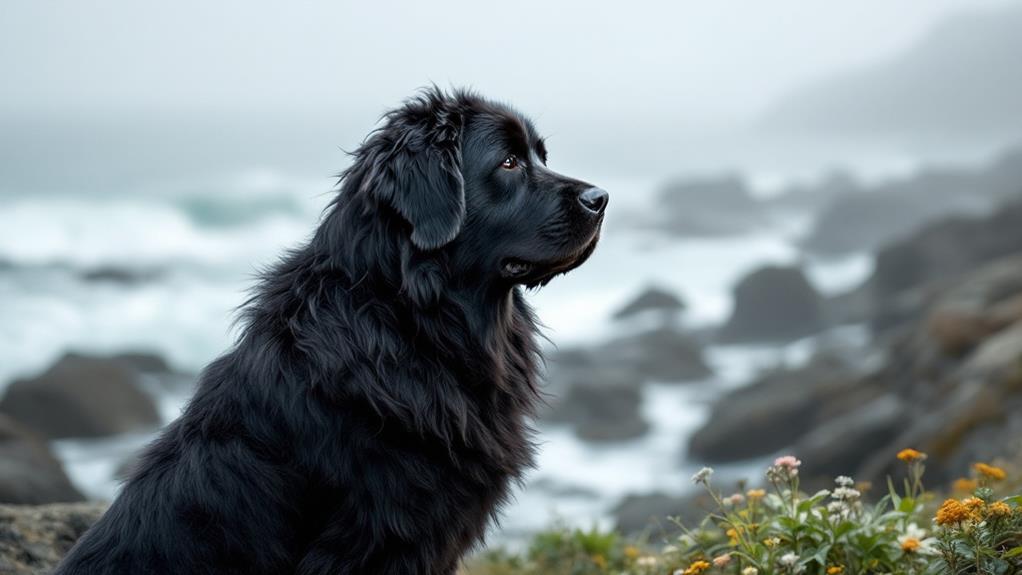
You'll find Newfoundlands are devoted, gentle giants with roots on Newfoundland Island, Canada, where they aided fishermen. These large dogs, with their muscular build and webbed paws, are perfect for water rescues. Known for their loyalty, they're great family companions, especially patient with children. Regular grooming is essential, as their dense double coat sheds often. Health concerns like hip dysplasia and heart conditions require attentive care. They're not only protective but also thrive in roles as therapy and assistance dogs. To truly appreciate the full range of their capabilities and what responsible ownership entails, there's much more to investigate.
History and Origins
The story of the Newfoundland working dog begins on Newfoundland Island, Canada, where these remarkable dogs were bred to assist fishermen. As working dogs, Newfoundlands displayed exceptional strength and a unique ability to swim in icy waters, making them indispensable in the fishing industry. They're not just any working dogs—they're heroes of water rescue. Their history is rich, involving a blend of indigenous Indian dogs, Great Pyrenees, and Mastiff breeds, which gave them their distinctive traits.
Newfoundlands have been celebrated for their bravery and loyalty across different historical contexts. They even accompanied adventurers like Meriwether Lewis on the Lewis and Clark Expedition, showcasing their importance beyond fishing. The breed's significance didn't go unnoticed, and the American Kennel Club recognized Newfoundlands in 1879, cementing their place in canine history.
Their role in assisting fishermen and participating in water rescues highlights their enduring legacy. Newfoundlands weren't just a part of fishing practices; they were integral to the lives of the Beothuk Indians and even Viking explorers. This blend of strength, loyalty, and historical relevance makes Newfoundlands truly remarkable working dogs, celebrated for centuries.
Physical Traits
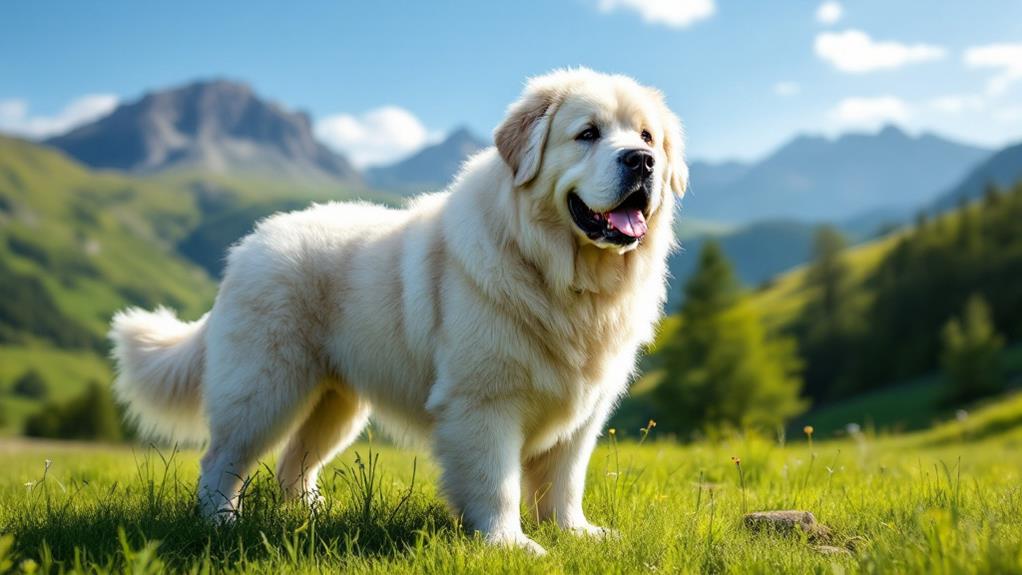
Moving from their storied past to their impressive physical characteristics, Newfoundlands stand out with their robust and muscular build. The Newfoundland breed is renowned for its large size, with adult males reaching 28-30 inches in height and weighing 130-150 pounds. Females, slightly smaller, stand between 26-28 inches and weigh 100-120 pounds. This substantial stature is complemented by their distinctive broad heads, featuring small, triangular ears and dark, expressive eyes that give them a gentle and approachable appearance.
A key trait of the Newfoundland breed is their webbed paws, which are well-padded, enhancing their swimming capabilities. These webbed paws make them exceptional water dogs, perfectly suited for rescue missions and aquatic activities. Furthermore, Newfoundlands possess a double coat, which is crucial for their functionality and comfort. The coat consists of a coarse, long outer layer that provides water protection, while the dense, soft undercoat offers insulation in cold climates.
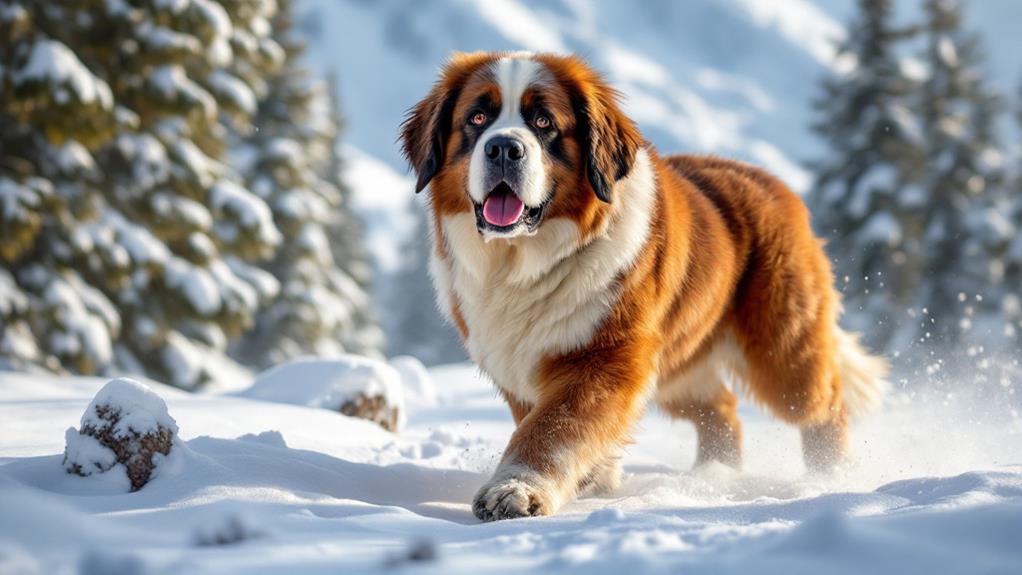
When it comes to color, the Newfoundland breed presents in several variations, including solid black, brown, grey, beige, and the striking black and white combination known as Landseer. These physical traits make Newfoundlands both impressive and endearing.
Grooming Essentials
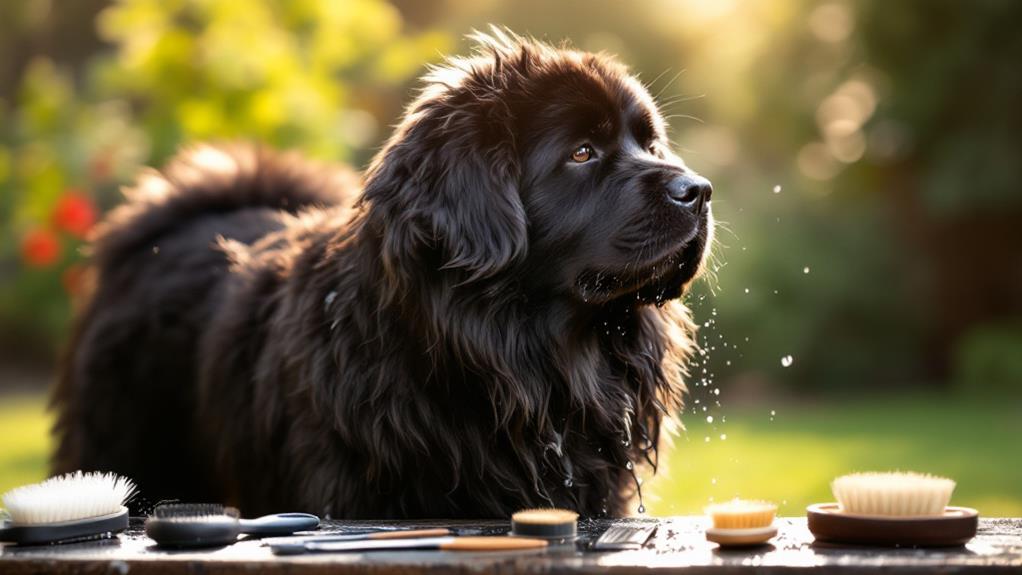
Ever wonder how to keep a Newfoundland's coat in top condition? Regular grooming is your best ally. Their dense, double coat requires attention to prevent matting and to maintain its lustrous appearance. Brushing a few times a week with a slicker brush works wonders. Not only does it help manage shedding, but it also reduces potential skin health issues.
When it comes to bathing, only do so when your Newfoundland is genuinely dirty. Use a dog-friendly shampoo to protect their coat's integrity. Don't forget about ear care—it's vital for preventing infections. Regularly check and clean their ears to keep them healthy. Furthermore, trim their nails to maintain general hygiene and comfort, especially since their webbed feet are essential for swimming.
Introducing grooming routines early can make the process smoother for both you and your furry friend. Consistent grooming practices contribute to their health and comfort, making it easier for them to enjoy regular exercise without any discomfort.
Here's a quick grooming checklist:
- Brush several times a week to prevent matting.
- Bathe only when necessary with dog-friendly shampoo.
- Check ears and trim nails regularly for general hygiene.
These steps guarantee your Newfoundland stays happy and healthy!
Health Considerations
Caring for a Newfoundland goes beyond grooming; their health requires vigilant attention too. As a large breed, Newfoundlands are prone to specific health concerns that need addressing. Hip dysplasia is common, so regular veterinary check-ups are essential to catch this early. You'll want to focus on a balanced diet and consistent exercise to maintain their joint health and prevent obesity, which can exacerbate hip issues.
Subaortic stenosis and cardiomyopathy are heart conditions that Newfoundlands are susceptible to, making it important to monitor their cardiovascular health. Regular screenings can help manage these conditions effectively. Furthermore, be aware of cystinuria, a genetic disorder leading to urinary stones. Early detection and appropriate management can greatly impact your Newfoundland's quality of life.
Responsible breeding practices are necessary. Make sure your breeder conducts health screenings for hereditary issues, reducing the risk of these genetic problems. Incorporate positive reinforcement techniques in their care routine to encourage cooperation during health checks and exercise. By staying informed and proactive, you can help your Newfoundland live a healthier life, extending their average lifespan of 8 to 10 years with attentive, loving care.
Temperament and Behavior
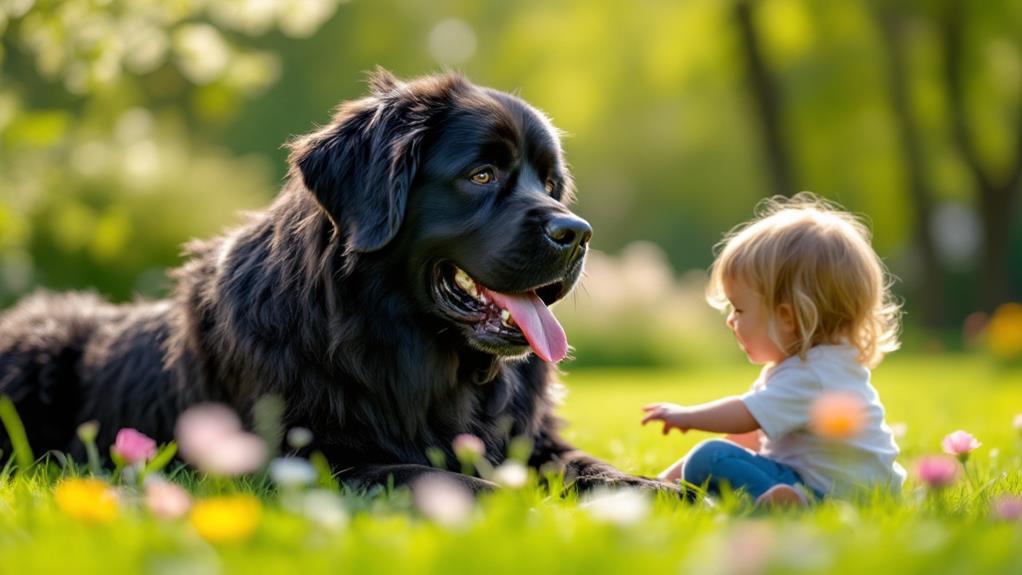
Known as "gentle giants," Newfoundlands have a sweet and docile temperament, making them ideal family companions. You'll find these large dogs to be incredibly patient and protective, especially around children. Their gentle nature guarantees safe interactions, fostering a nurturing environment in your home. These dogs exhibit strong loyalty, quickly becoming beloved members of the family. You'll be amazed at how effortlessly they bond with everyone, providing unwavering devotion.
Newfoundlands are friendly and sociable, allowing them to coexist harmoniously with other pets. Their good-natured demeanor makes them perfect for families looking for a peaceful household. However, like any dog, they require early socialization and consistent training. These intelligent dogs can sometimes have strong opinions, so establishing boundaries and expectations early on is crucial for well-rounded behavior.
Here's what makes Newfoundlands stand out:
- Friendliness: Their sociable nature means they get along with other pets and people.
- Loyalty: They form deep bonds, guaranteeing a devoted companion always by your side.
- Gentleness: Their calm and patient demeanor makes them ideal around kids.
Incorporating these gentle giants into your life can bring immense joy and companionship, as their temperament truly sets them apart.
Adoption and Ownership
When considering the adoption and ownership of a Newfoundland, it's essential to weigh both the responsibilities and rewards. Adopting from rescue organizations is a commendable way to offer these gentle giants a second chance. Many Newfoundlands find themselves in need of new homes, and by adopting, you're giving them another opportunity to be part of a loving family-oriented environment.
Newfoundlands thrive in homes with ample space for them to roam and exercise, so they're not ideal for apartment living. Their family-oriented nature means they integrate well into households, but they can suffer from separation anxiety if left alone too long. They form strong bonds with their families, which is rewarding, but you'll need to make certain they're not isolated frequently.
Grooming is a significant responsibility when owning a Newfoundland. Their dense double coat requires regular brushing to prevent matting, along with periodic baths and ear care. If you're ready to commit to these grooming needs, you'll find the Newfoundland's companionship incredibly rewarding. Ultimately, consider reaching out to responsible breeders if you're not adopting, as they'll provide health screenings and transparency about the dog's medical history, guaranteeing your Newfoundland is healthy and well-cared for.