Miniature Pinscher: the Fearless Toy Breed With a Big Attitude
Meet the Miniature Pinscher, a bold and energetic toy breed that's earned the nickname "King of Toys." Originally developed in Germany for rat control, these little powerhouses weigh just 8 to 10 pounds but carry a fearless attitude. Their high-stepping trot and confident demeanor make them stand out. They're smart, needing early and consistent training to manage their stubborn streaks. You'll find grooming is a breeze, but they're prone to dental and eye issues, so regular care is crucial. Curious and lively, they need plenty of exercise to stay happy. Uncover more about their lively nature and spirited adventures.
Origin and History
The Miniature Pinscher, known for its spirited and dynamic nature, originated in Germany. This lively breed was developed for rat control in homes and stables, earning its initial nickname "Rattenfänger," which means rat catcher. As you explore their history, you'll find that the breed was originally associated with their ability to control pests, an essential skill in the past. Their resemblance to small deer also contributed to their early popularity in the 19th century, capturing the fascination and interest of many.
Significant recognition came during and after World War I, as Miniature Pinschers began to gain popularity beyond Germany. The breed's expedition to the United States started in 1919, marking a new period for these energetic dogs. Their dynamic nature and striking appearance earned them the moniker "King of Toys," reflecting their commanding presence despite their small size. The American Kennel Club officially recognized the breed in 1929, solidifying their status in the canine community. In 1972, the breed's name "Miniature Pinscher" was officially adopted, distinguishing it from the Doberman Pinscher and highlighting its unique characteristics and size.
Physical Characteristics
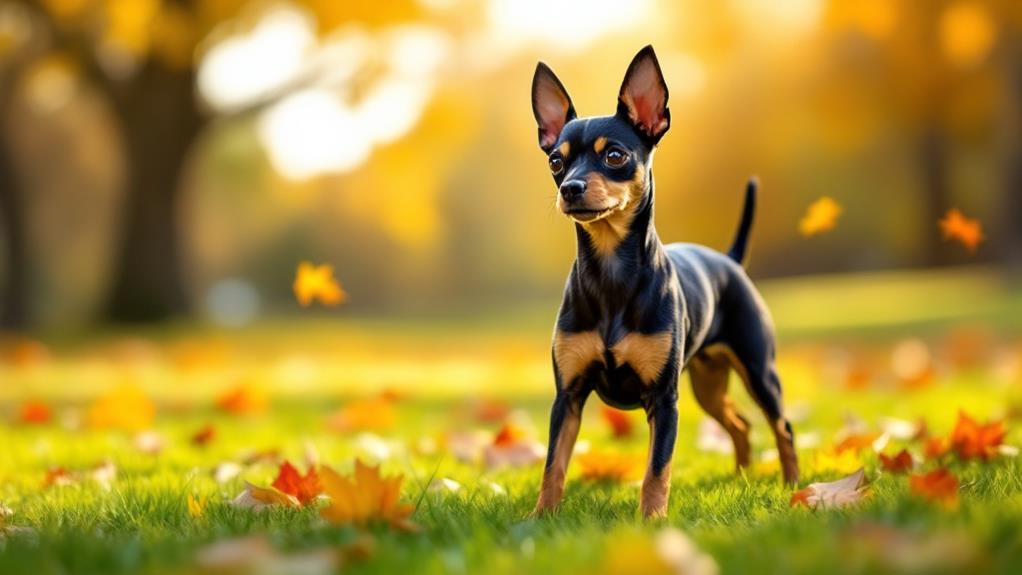
With their striking appearance, Miniature Pinschers have a commanding presence that belies their small stature. As a toy breed, they typically weigh between 8 to 10 pounds and stand 10 to 12.5 inches tall at the withers. This small dog packs a big punch regarding personality and style. Their smooth coat, which comes in color variations like red, stag red, black, and chocolate with tan or rust points, adds to their bold appearance.
Miniature Pinschers are often mistakenly thought to be miniature Doberman Pinschers, but they have their own unique flair. One of their most notable features is their erect ears, which can either be left natural or cropped. Their traditionally docked tails further improve their sleek silhouette. But it's their distinctive gait that truly sets them apart. They possess a high-stepping trot reminiscent of a horse, showcasing their confident and high-energy nature.
Known as the "King of Toys," Miniature Pinschers carry their heads high and exude a bold confidence that matches their spirited personality. Despite their small size, these dogs have a big attitude, making them a standout in the toy breed category.
Training and Exercise
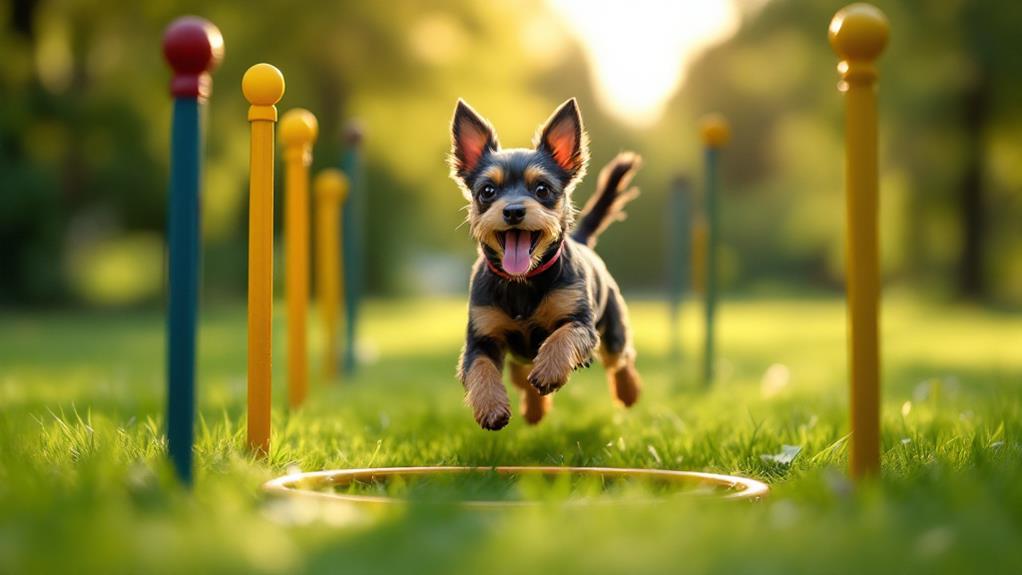
Training and exercise are fundamental components for ensuring a well-balanced Miniature Pinscher. These energetic dogs need 45 to 60 minutes of vigorous exercise daily to channel their high energy levels and maintain their health. Starting their training at an early stage is imperative to manage their inherent stubbornness. Early socialization will help your Miniature Pinscher adapt to different environments and interactions, promoting better behavior.
Implementing basic commands like sit, stay, and come is significant for communication and safety, especially in communal living spaces. Consistent training sessions not only teach obedience but also provide mental stimulation, which is just as necessary as physical exercise. Due to their curious nature, close supervision is necessary to prevent accidents or unexpected escapes. Baby-proofing your living area is a smart move to keep them safe.
Barking can be an issue, but incorporating commands like hush or quiet during training can help maintain a peaceful home environment. With positive reinforcement and patience, you can effectively manage their barking tendencies. A well-trained Miniature Pinscher is a joy to have, combining their fearless spirit with well-mannered behavior, enhancing their role as a loving companion.
Grooming Needs
Caring for your Miniature Pinscher's coat is invigoratingly simple, thanks to its short, smooth nature. This low-maintenance grooming routine involves brushing their coat just once or twice a week to maintain cleanliness and reduce shedding around your home. You'll find that a quick bath is only necessary when your Min Pin gets particularly dirty, making the task far less demanding than with other breeds.
Beyond their coat, dental care is vital for your Mini Pins. Brushing their teeth daily is fundamental to prevent periodontal disease, a common health concern, especially since dental issues can affect 80% of dogs by the time they reach two. Keeping those pearly whites in good shape will guarantee your Mini Pins stays healthy and happy.
Don't forget about their nails! Regular nail clipping every two weeks is recommended if your dog's nails don't naturally wear down during regular exercise. This prevents any discomfort or health issues related to overgrown nails.
Health Concerns
Amidst the joys of owning a Miniature Pinscher, their health concerns deserve careful attention to guarantee a long, happy life. Min Pins are prone to dental disease, affecting 80% by two years, so daily dental care is vital to prevent periodontal issues. Eye problems like cataracts and glaucoma are common, making regular eye exams fundamental for early detection and management.
Knee issues such as patellar luxation can cause discomfort and might require surgery if untreated. Pay attention to signs of limping or difficulty moving. Moreover, Min Pins can suffer from Intervertebral Disc Disease (IVDD). Watch for early symptoms like reluctance to move, and seek prompt veterinary care to prevent further complications.
Hypothyroidism is another health condition you should be aware of. Regular blood screenings can help detect it early, and hormone replacement therapy is often necessary for management. Although separation anxiety isn't a physical health issue, it's significant to address this behavioral concern as it can affect your Min Pin's general well-being.