Metallic Creatures: Exploring Animals With Unique “Metal” Qualities
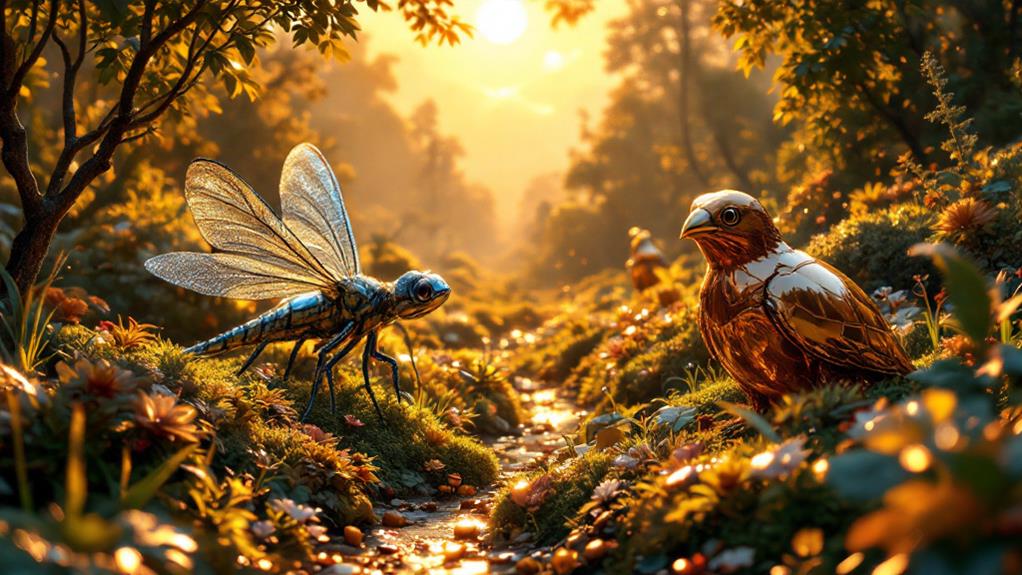
Investigate the intriguing world of animals that have evolved to incorporate metal into their bodies. You'll find creatures like the scaly-foot gastropod, with its iron-clad shell, or the bloodworm, whose copper-reinforced jaws improve its hunting capabilities. These metal adaptations are rare due to their high energy costs and complexity, as organic materials are more efficient and adaptable. Yet, they offer unique advantages such as enhanced protection and unique ecological roles. Understanding these adaptations sheds light on how some species thrive in challenging environments and what makes nature's innovations so enthralling. Uncover the surprising benefits and insights they provide.
Evolutionary Significance of Metal Use
The evolutionary use of metals in organisms is rare because of the high energy costs and maintenance associated with metal structures. As you might imagine, organisms tend to favor adaptations that minimize these costs while optimizing performance. Organic materials often provide significant advantages over metals, allowing for more flexible structures that require less energy to maintain. This evolutionary trend is apparent when you consider how most organisms prioritize organic over metal-based constructions.
However, some species have developed unique adaptations that incorporate metals. Take mollusks, for example. Their radula, a specialized feeding organ, incorporates high concentrations of iron, enhancing their grazing efficiency. This adaptation demonstrates that while rare, the use of metals can offer specific advantages in certain ecological niches, even though it comes with considerable energetic demands.
The evolutionary path shows a clear preference for materials that balance energy efficiency and adaptability. Metal-based structures often struggle to compete with established organic materials because they require longer to evolve and offer fewer benefits regarding growth and flexibility. Therefore, while metallic adaptations can be fascinating, they remain the exception rather than the rule in the animal kingdom.
Biological Mechanisms of Metallization
Imagine organisms pulling metals from their surroundings, weaving them into their very tissues to create structures with metallic qualities. This fascinating process, known as metallization, involves unique biological processes where organisms incorporate minerals from their environment. By doing so, they develop hard shells or armor that improve durability and protection against environmental stressors.
Biological processes allow these creatures to concentrate metals or silicates in their skin or scales. Some organisms produce sticky substances that help minerals adhere to their skin, while others consume mineral-rich materials, leading to the deposition of these minerals in their biological structures. This metallization not only strengthens their armor but also improves their camouflage, making them blend seamlessly into their surroundings. In addition, minerals can provide UV protection and aid in thermoregulation, essential for survival in diverse habitats.
However, the benefits of metallization come with challenges. The energetic costs of maintaining metallic structures can be significant. Moreover, organisms must navigate the difficulties of metal toxicity, which can limit the prevalence of metallization in nature. Despite these hurdles, the ability to harness minerals for biological purposes demonstrates the incredible adaptability and resilience of these metallic creatures.
Case Studies of Metallic Species
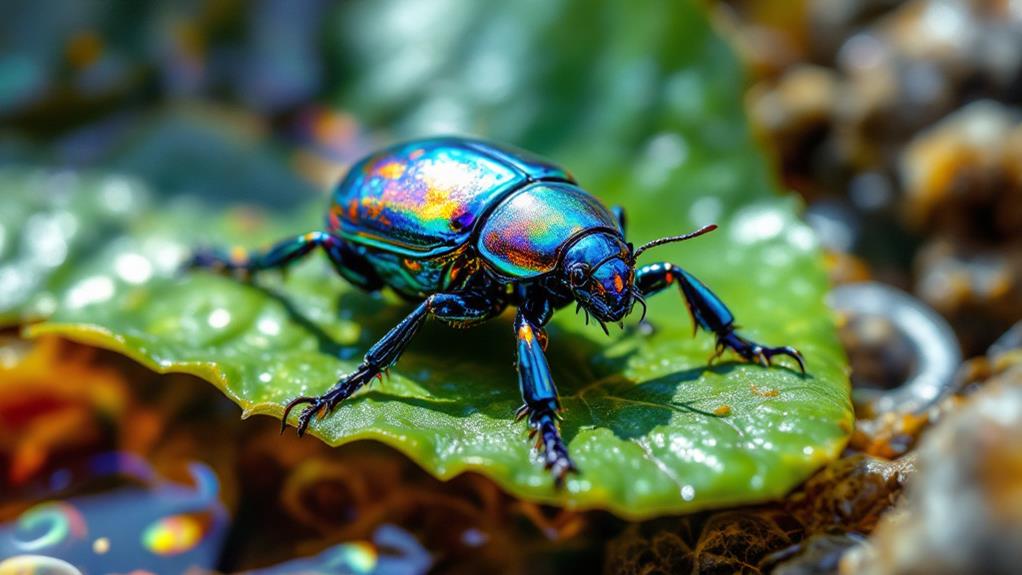
Metallization opens a fascinating window into nature's innovation, and real-world examples reveal how organisms have mastered this art. Take the scaly-foot gastropod, a mollusk that incorporates iron and minerals into its shell. By layering greigite, pyrite, and graphite, it creates an armor that's nearly impenetrable, showcasing unique qualities in resilience. This metallic species thrives in extreme environments, using its toughened shell as a formidable defense.
Consider the bloodworm, Glycera dibranchiata, another intriguing example. Its jaws contain copper, which not only strengthens them but also improves venom delivery. This gives the bloodworm a lethal edge during predation, turning a simple metal into a tool of survival. In this case, copper is key to its predatory success.
Parasitoid wasps offer yet another fascinating study. Their ovipositors, coated with zinc, can bore through wood effortlessly, allowing them to lay eggs securely. These metal-infused tools give them a unique advantage in reproduction.
Even extinct animals like hell ants displayed metal adaptations, with mandibles that boasted natural metal elements for improved predation. These metallic adaptations highlight nature's incredible ability to utilize metals like iron and copper to equip animals with remarkable capabilities.
Challenges of Metal Adaptations
Integrating metals into biological adaptations isn't without its hurdles. When you consider metal adaptations like hard natural armor, weight becomes a significant issue. Larger creatures face slower movement, as their heavy armor can impede mobility. To counteract this, designs often incorporate overlapping plates, balancing protection with the need to move freely.
However, incorporating metals into biological structures isn't just about mobility. It also poses challenges regarding growth and healing. These processes demand energy to maintain and repair the heavy metallic components. As a result, organisms must carefully balance the protective benefits of their armor with the need for adaptability in their environments. While metal armor provides substantial protection, it can restrict flexibility, which is vital for survival.
Moreover, high maintenance costs associated with sustaining metal structures can limit evolutionary pathways. Evolution often favors organic materials, which offer better structural integrity and lower energetic demands, enabling more efficient growth and repair. This preference can hinder the widespread adoption of metal adaptations, as organisms must weigh the benefits of durability against the energy costs. Fundamentally, these challenges highlight the complex trade-offs involved in developing metal adaptations in the natural world.
Impact on Ecosystems
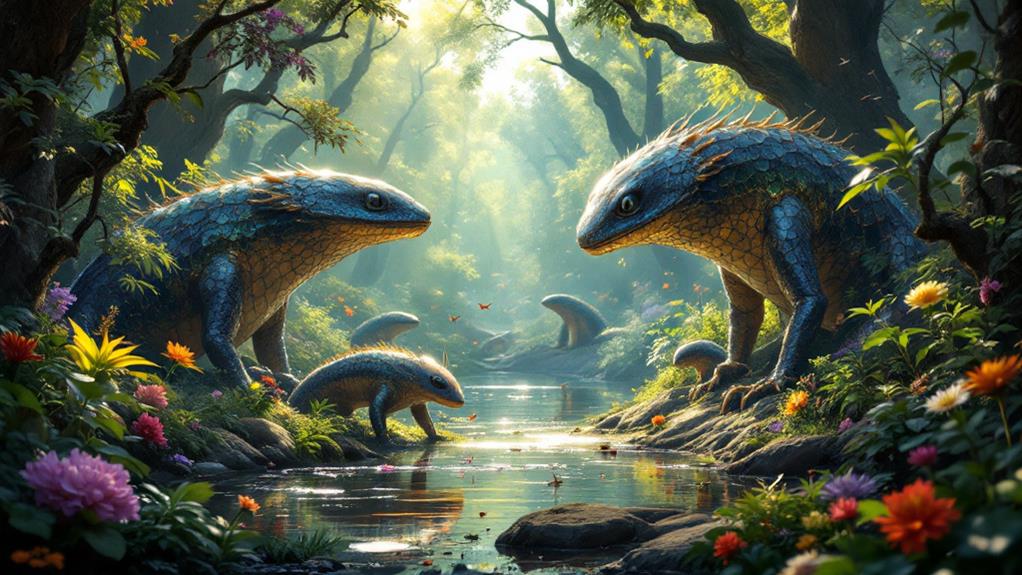
While the challenges of metal adaptations are significant, their effects ripple through ecosystems in fascinating ways. Mineralized organisms, like certain mollusks and fish, provide important habitats that bolster biodiversity. They create structural niches necessary for diverse species, supporting a lively and balanced ecosystem. These organisms also influence nutrient cycling within ecosystems. As their remains decompose, they enrich sediment composition and make minerals available for other organisms, fueling life in complex webs.
Moreover, mineral-skinned creatures serve as essential food sources, influencing food web dynamics. Their presence helps control predator populations and maintains the balance of species. This interaction highlights their role in population control and ecosystem stability. Their unique adaptations also offer them resilience against environmental stressors, such as climate change, which can help stabilize their ecosystems.
Conservation efforts focused on these organisms become critical. By understanding and protecting these mineralized species, you contribute to maintaining ecosystem balance and biodiversity. It's important to recognize how these creatures fit into the larger ecological puzzle and the significance of their preservation. In turn, their resilience can be a buffer against the increasing environmental threats our planet faces today.
Human Interaction and Implications
Human interaction with metal-skinned creatures presents both opportunities and challenges for ecosystems. These unique animals can shift local food chains and habitat dynamics, requiring careful consideration of how we approach their environments. When you engage with these creatures, you're contributing to an evolving conversation about conservation efforts and resource management. Their metallic qualities not only fascinate but also highlight the importance of preserving biodiversity.
You might wonder about the ethical considerations involved in harvesting materials from these animals. Their shed armor could be a resource, yet it's vital to balance this with conservation efforts to guarantee their habitats remain intact. This complex relationship demands a responsible approach to managing resources without jeopardizing the creatures' survival.
In terms of innovation, studying these organisms can push the boundaries of materials science. You can imagine the potential advancements in technology and medicine inspired by their mineralized features. By appreciating these creatures, you're also fostering a deeper respect for biodiversity. This awareness can drive efforts to protect their unique adaptations, which are susceptible to environmental changes and human impacts. Your interactions offer a chance to champion their ecosystems, making certain they thrive for future generations.
Conservation and Future Research
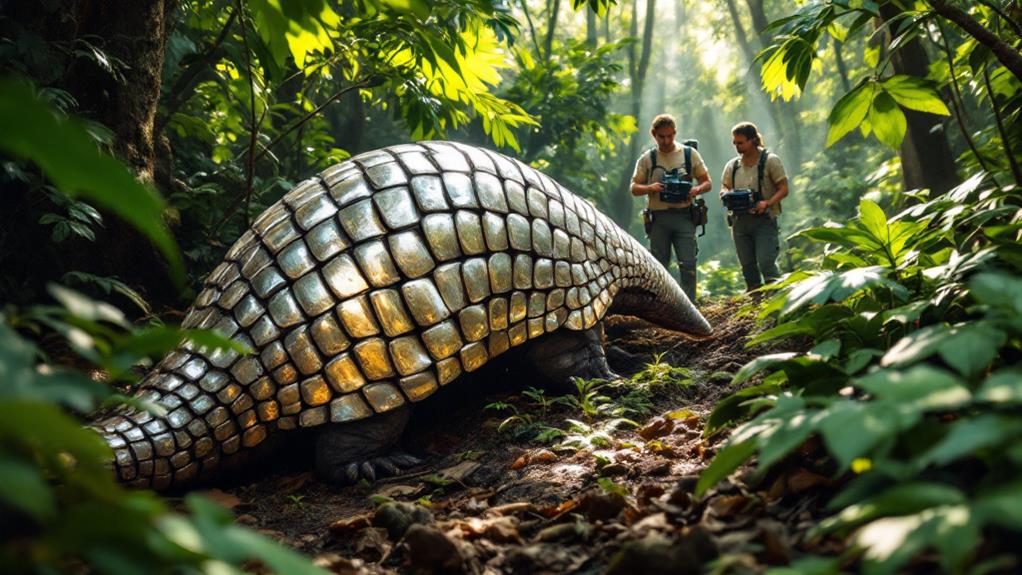
The future of metallic animals hinges on effective conservation and groundbreaking research. You need to protect the habitats supporting mineral-skinned species to guarantee their survival as ecosystems change. These unique creatures, with their mineralization processes, offer a window into advancements in materials science and biomimicry, which can lead to sustainable practices. By studying their ecological roles, you gain insight into their impact on food chains and ecosystem dynamics, emphasizing their significance for biodiversity. Ethical considerations are essential since harvesting mineralized materials must be managed responsibly to avoid harming populations.
Here's what you can do to contribute:
- Support Conservation Efforts: Engage in initiatives that protect habitats and promote sustainable practices that benefit these creatures and broader biodiversity.
- Encourage Research: Advocate for studies on mineralization processes to reveal new materials science advances and sustainable applications.
- Understand Ecosystem Dynamics: Learn about the roles these animals play in their ecosystems to appreciate their importance and influence conservation strategies.
- Promote Ethical Practices: Guarantee that any use of mineralized materials respects ethical considerations, safeguarding the species and their habitats.
Related posts