Longest Living Cat Breeds: Felines Known for Their Longevity
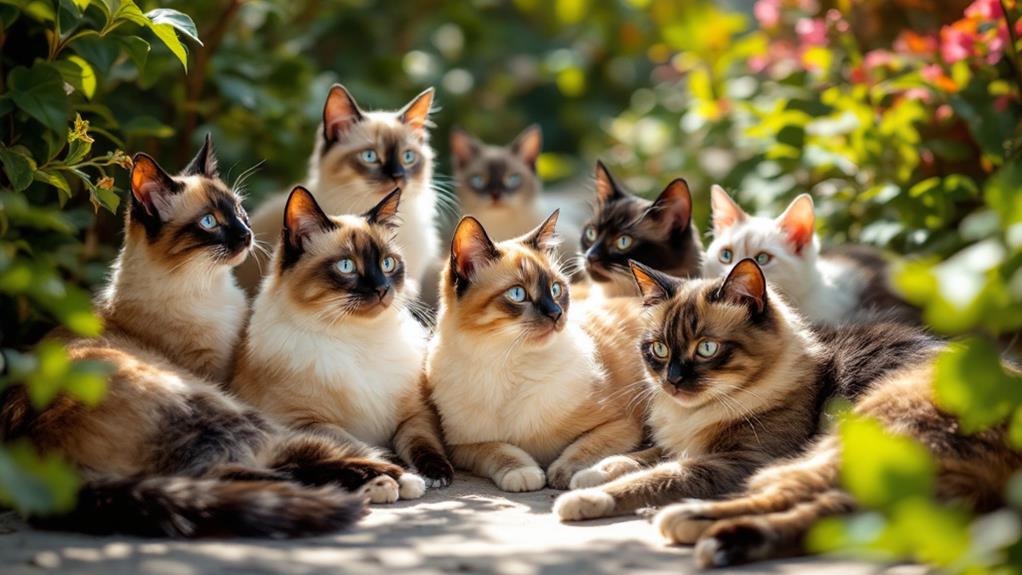
If you're looking for a feline friend with a lengthy lifespan, consider breeds like the Burmese, Siamese, Ragdoll, Balinese, and Russian Blue. Burmese cats can live into their 30s, offering years of companionship. Siamese and Balinese cats share lively personalities and lifespans of 15 to 22 years. Ragdolls are gentle giants, often living for over 15 years. Russian Blues, with their plush coats, boast around 15 to 20 years of life. To help extend your cat's years, focus on factors like balanced nutrition, regular vet care, and a safe indoor environment. These details will guide you in offering the best life possible.
Top Long-Lived Cat Breeds
When considering a feline companion that will be with you for many years, it's vital to know which cat breeds are renowned for their longevity. Among the top long-lived cats, the Burmese cat stands out with an impressive lifespan ranging from 20 to 25 years, and some even reaching their 30s. This breed is not just about longevity; they make excellent companions with their affectionate nature.
Siamese cats, known for being vocal and social, also enjoy a relatively long lifespan of 15 to 20 years. They're not only beautiful but require regular mental stimulation to keep them happy and healthy.
The Ragdoll cat, with its gentle temperament, can live 15 years or more. Their sociable behavior makes them a delightful enhancement to family life, often acting more like a dog than a traditional cat.
For those who love the Siamese but prefer a long-haired version, the Balinese cat is an excellent choice. With a lifespan of 18 to 22 years, they bring affection and activity into any home.
Lastly, the Russian Blue is recognized for its plush coat and striking green eyes. These cats typically live between 15 to 20 years, enjoying generally good health.
Factors Affecting Cat Longevity
Longevity in cats is influenced by a multitude of factors, with genetics being a significant one. Breeds like Siamese and Burmese often benefit from genetic predispositions that enhance their life expectancies. However, genetics is just one piece of the puzzle. Nutrition is similarly crucial; feeding your cat a balanced diet rich in quality protein sources helps maintain a healthy weight and prevents obesity-related issues.
Regular veterinary care is another fundamental component. Routine check-ups and preventive measures can catch potential health problems early, improving your cat's lifespan. Indoor living also plays a significant role in promoting longevity. Keeping your cat indoors reduces exposure to outdoor hazards like accidents, predators, and diseases prevalent among feral cats.
Lifestyle choices impact longevity as well. Confirming your cat engages in regular physical activity is essential for maintaining a healthy weight and preventing obesity-related issues. Mental stimulation is just as significant; interactive toys and engaging playtime contribute to a cat's mental health and general well-being. By considering these factors—genetics, nutrition, veterinary care, indoor living, lifestyle choices, physical activity, and mental stimulation—you can positively influence your cat's lifespan and guarantee a healthier, happier life for your feline companion.
Health and Care Tips
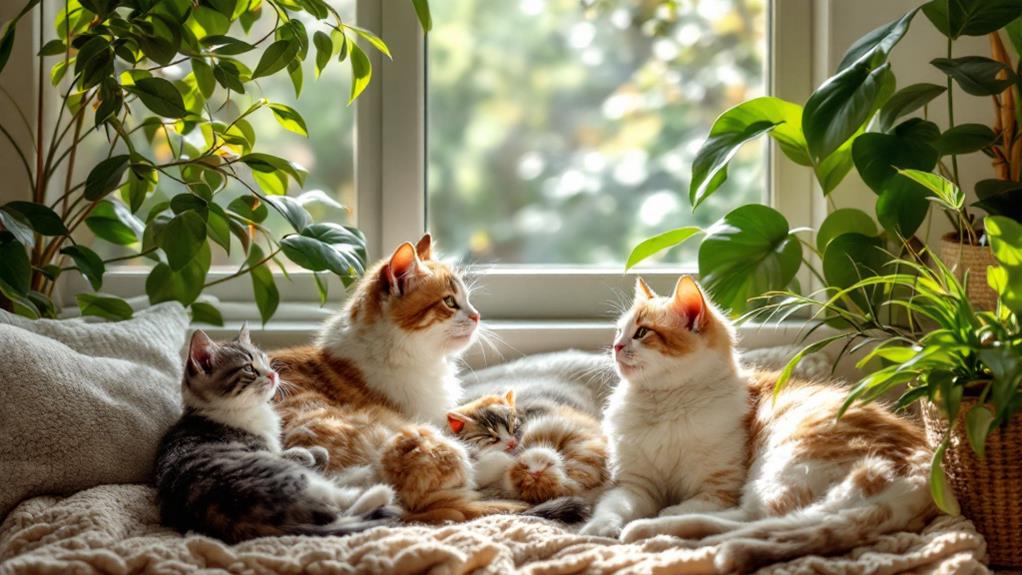
To guarantee your feline friend lives a long and healthy life, adopting effective health and care practices is vital. Start with regular veterinary check-ups to catch health issues early, which is especially significant for long-living breeds like the Ragdoll and Burmese. These breeds can be prone to specific genetic disorders, so staying on top of their health with your vet's guidance is key.
Next, make sure your cat enjoys a balanced diet with high-quality ingredients. Although a detailed discussion on diet specifics comes later, keep in mind that maintaining a healthy weight helps prevent obesity-related issues that can shorten your cat's lifespan.
Don't forget mental stimulation, which keeps your cat active and engaged. Breeds such as the Siamese and Balinese thrive with interactive toys and regular playtime, which contribute to their general well-being.
Providing a safe indoor environment is vital, too. It reduces the risks associated with outdoor living, such as accidents and exposure to diseases, thereby considerably contributing to your cat's longevity. Lastly, be aware of breed-specific health concerns—like respiratory issues in Siamese and heart disease in Ragdolls—to tailor preventive care and management strategies. These efforts guarantee your furry friend's long, happy life.
High-Quality Diet Importance
With a high-quality diet, you guarantee your cat gets the necessary nutrients to thrive and live a long life. A diet labeled "Complete and Balanced" is vital for maintaining your cat's health and longevity. By confirming the primary ingredient is a named protein source like chicken or turkey, you support muscle development and energy levels. Proper nutrition helps prevent chronic conditions such as obesity and diabetes, which can drastically reduce a cat's average lifespan.
To guarantee your cat benefits from a balanced diet, consider the following:
- Protein as the primary ingredient: Opt for cat food where the main ingredient is a high-quality protein source to provide vital nutrients.
- Tailored nutrition: Adjust their diet to meet specific breed needs, life stage, and activity level, promoting a long lifespan.
- Monitoring intake: Regularly assess their dietary needs to prevent overfeeding or deficiencies.
- Prevent chronic conditions: With the right nutrition, you can reduce the risk of health issues that cut life short.
Cats that enjoy a balanced diet tailored to their unique needs often have longer lifespans, with some breeds living well into their 20s. Prioritize nutrition to give your feline friend the best chance at a long, healthy life.
Maintaining a Safe Environment
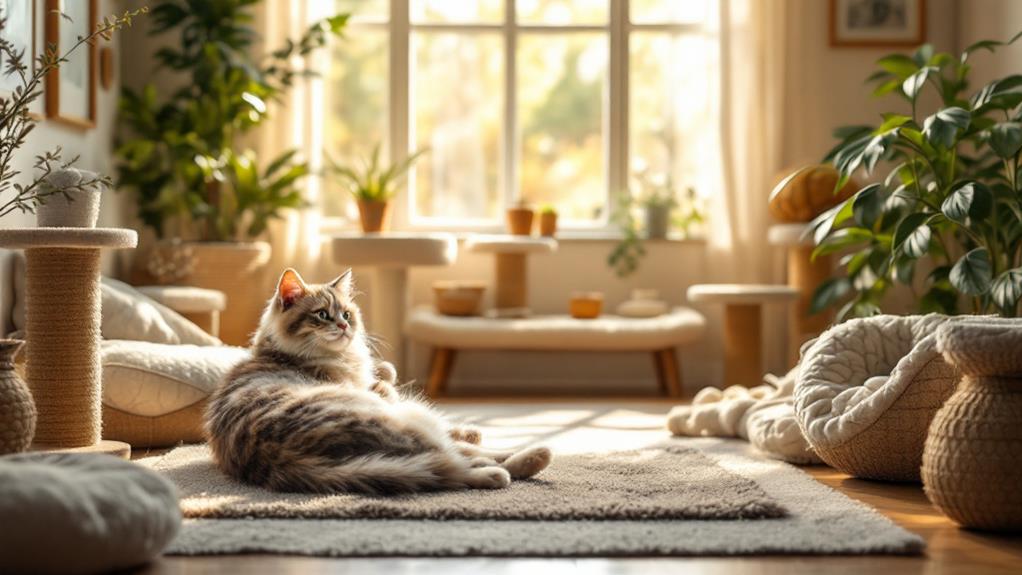
Guaranteeing your cat has a safe environment is vital for their well-being and longevity. Start by minimizing hazards in your home, like securing windows and removing toxic plants, to greatly reduce the risk of accidents and poisoning. Creating a designated space for your cat to investigate, play, and retreat not only improves their sense of security but also reduces stress. This healthy living space can be enriched with cat trees, scratching posts, and interactive toys that stimulate your cat mentally and physically, keeping them engaged in a safe manner.
Regularly check and maintain your home to identify potential dangers such as loose wires and choking hazards. These simple steps are important for preventing injuries and guaranteeing a safe living space. Regarding the outdoors, make sure that access is controlled. Utilize secure enclosures or supervise outings to protect your cat from threats like traffic, predators, and diseases. Controlled outdoor access allows them to enjoy nature safely. By focusing on these aspects, you create a nurturing environment that promotes your cat's longevity and general happiness. Your proactive approach in maintaining a safe environment truly makes a difference in their quality of life.
Notable Lifespan Records
With regard to feline longevity, certain cat breeds stand out with remarkable lifespan records. Among these, the longest-living cat ever documented, Creme Puff, holds a Guinness World Record after living a staggering 38 years. This achievement highlights the potential for cats to surpass typical expectations. When exploring cat breeds known for their impressive longevity, consider the following:
- Ragdoll Cat: Known for their gentle demeanor, Ragdoll cats often enjoy an average lifespan of 15 to 25 years, placing them among the more enduring feline companions.
- Burmese Cats: Renowned for their playful and affectionate nature, Burmese cats have been reported to live into their 30s, which speaks volumes about their longevity.
- Siamese Cats: With an average lifespan of 15 to 20 years, Siamese cats are cherished for their striking appearance and vocal personalities. Some individuals even extend beyond this range.
- Balinese Cat: A close relative to the Siamese, the Balinese cat's average lifespan ranges from 18 to 22 years, emphasizing their robust health and resilience.
These breeds showcase the incredible lifespans achievable with the right care and genetics, making them popular choices for those seeking a long-term feline friend.
Common Myths on Cat Lifespans
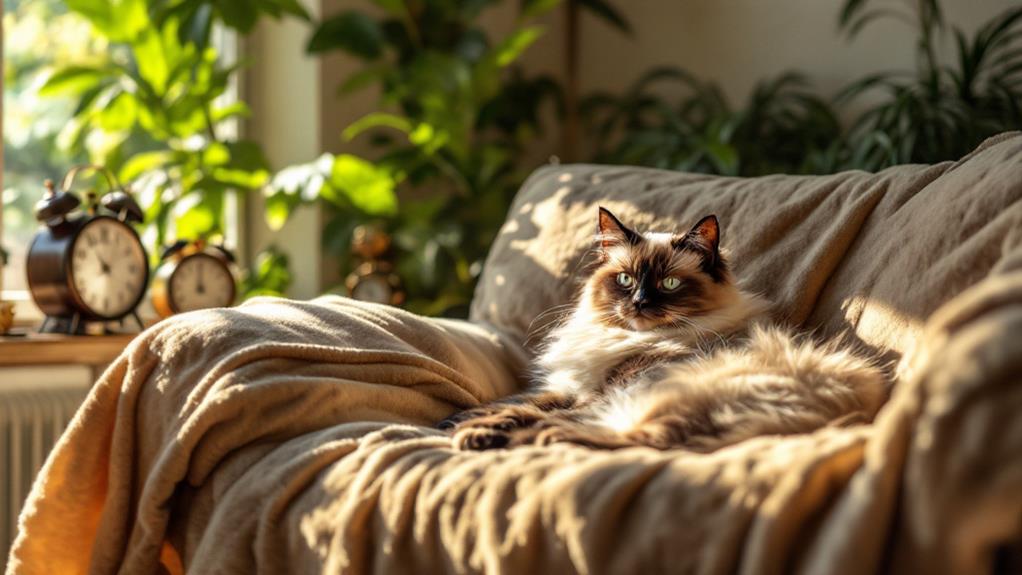
Many misconceptions surround the lifespan of cats, leading to misunderstandings about how long our feline friends can truly live. One common myth is that all cats live 15 years or less. In reality, the average cat lifespan can exceed 20 years, especially among certain breeds that tend to live longer with proper care. Another myth is that only indoor cats can achieve such longevity. While they face fewer dangers, outdoor cats can also enjoy a long and healthy life when provided with a safe and stimulating environment.
It's also a misconception that breed alone determines a cat's lifespan. While genetics are significant, factors like diet, healthcare, and lifestyle choices play vital roles. Regular veterinary check-ups are necessary, as they help detect potential health issues early, increasing the chances of a longer life.
Each breed has its unique genetic predispositions and higher risk for specific health issues, so being aware of these can aid in ensuring your cat's well-being. Domestic cats, regardless of their breed, benefit from attentive care and regular vet visits. By debunking these myths, you can better understand what contributes to a cat's long and healthy life.