Long-Tailed Lizard Care: How to Keep Your Pet Healthy and Happy
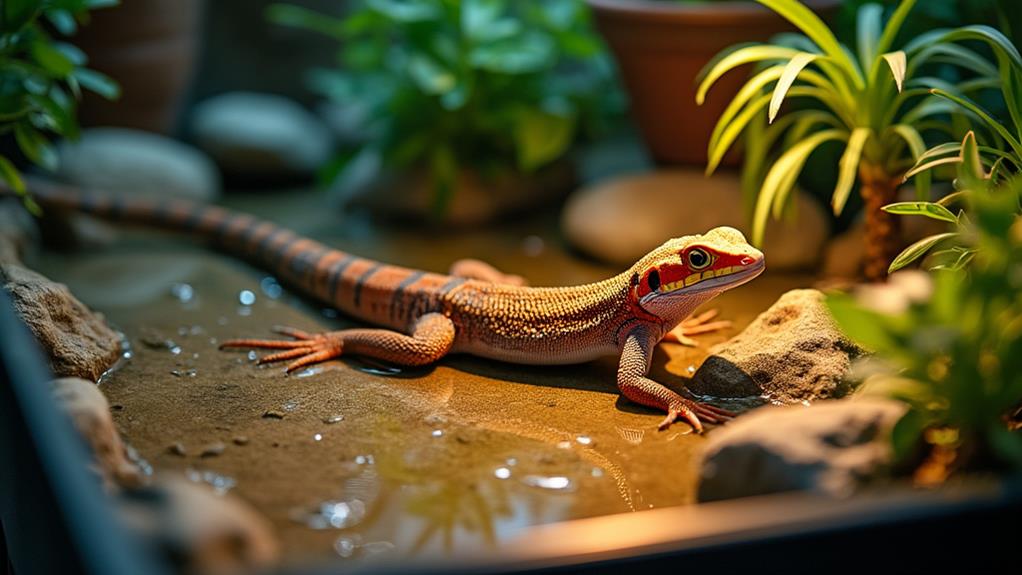
To keep your long-tailed lizard healthy and happy, start by setting up a proper habitat with a 20-gallon tank, using coconut fiber or reptile carpet as substrate. Guarantee a thermal gradient by maintaining a basking area at 85-90°F and a cooler side at 75-80°F. Use full-spectrum UVA and UVB lights for 11.5 to 12.5 hours daily. Keep humidity between 70-80% by misting the enclosure and provide live feeder insects dusted with calcium supplements. Monitor your lizard's behavior for signs of stress or health issues. Uncover more tips to guarantee your fascinating friend thrives in your care.
Key Takeaways
- Maintain a humidity level of 70-80% using misting and a digital hygrometer for accurate measurement.
- Ensure a basking area temperature of 90-95°F with a heat lamp for proper thermoregulation.
- Provide a diet of live insects, dusted with calcium and Vitamin D3, feeding daily for juveniles and every other day for adults.
- Use UVA and UVB lights, replacing UVB bulbs every six months for effective vitamin D synthesis.
- Monitor energy levels and behavior for signs of stress or illness, seeking veterinary care if necessary.
Understanding Long-Tailed Lizards
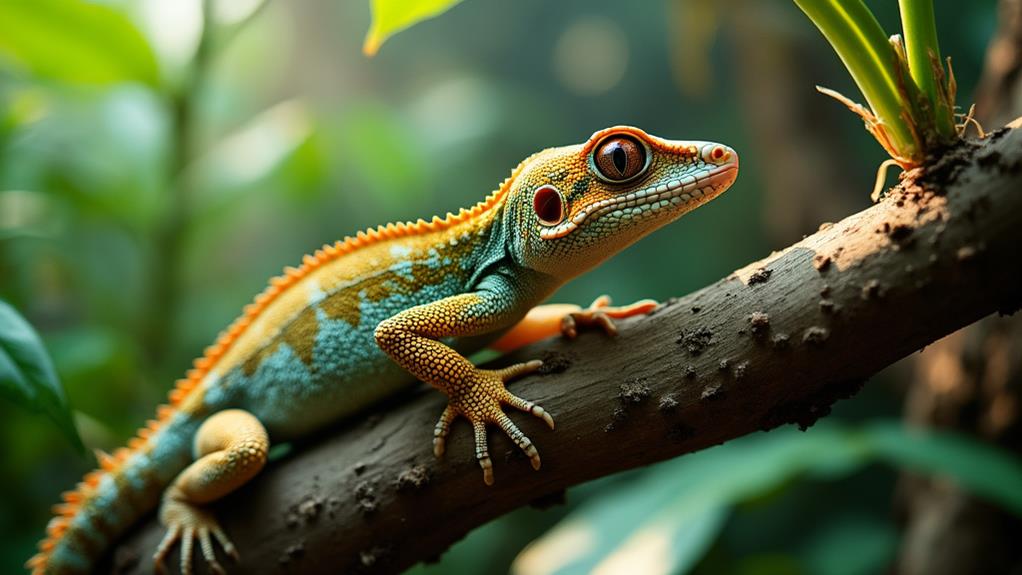
Within the domain of reptile enthusiasts, understanding long-tailed lizards, or Takydromus sexlineatus, is fundamental for providing ideal care. These fascinating creatures, native to Southeast Asia, thrive in warm, humid environments like grasslands and open forests. Their unique physical attribute is their exceptionally long tails, which make up about 75% of their total length, usually measuring between 10 to 12 inches.
To keep your long-tailed lizards healthy, maintaining proper humidity levels is imperative. Aim for a humidity range of 70-75% to mimic their natural habitat. They also require specific temperature conditions, with a basking area between 85-90°F. This guarantees they can thermoregulate effectively, which is crucial for their health.
Moreover, UVB lighting is not just an accessory but a requirement. It aids in vitamin D synthesis, necessary for preventing Metabolic Bone Disease and promoting general well-being. Social creatures at heart, long-tailed lizards can be housed in small groups. It's best to keep one male with several females to avoid territorial aggression among males. Understanding these aspects will help you create a thriving environment for your long-tailed lizards.
Setting Up the Perfect Enclosure
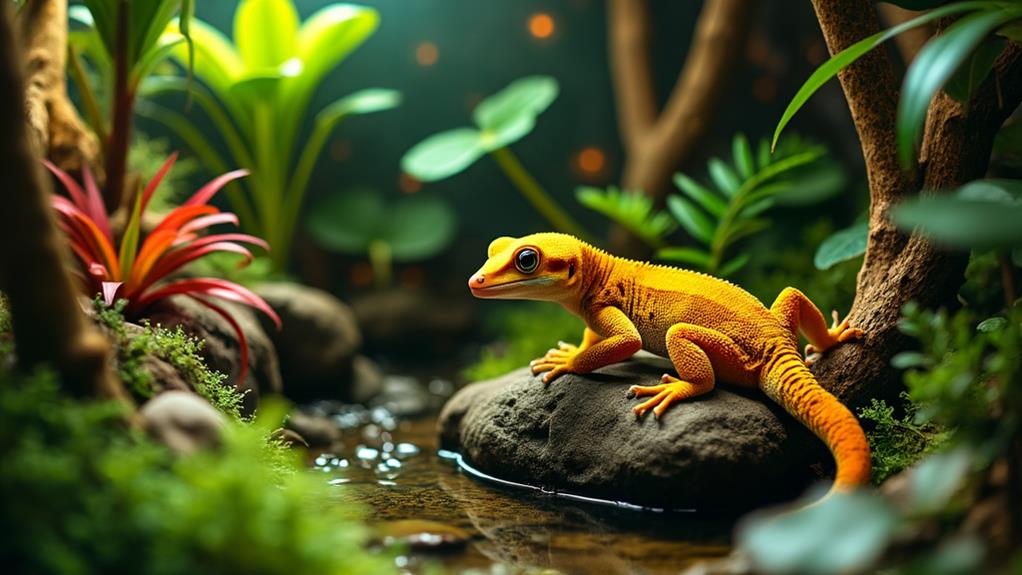
Now that you understand the basic needs of long-tailed lizards, it's time to focus on setting up the perfect enclosure. Start with a tank that's at least 20 gallons for one long-tailed lizard, adding 10 gallons for each extra lizard. This guarantees ample space for movement and comfort. Use substrates like coconut fiber or reptile carpet, keeping it about 2 inches deep. Replace it every 3-4 months to maintain a clean environment.
Creating a thermal gradient is vital. Maintain a basking area with temperatures between 85-90°F, while the cooler side should be between 75-80°F. This allows your lizard to regulate its body temperature effectively. Incorporate climbing structures and branches to mimic their natural grassland habitat. Include hiding spots using logs or plants to promote activity and enrichment.
Confirm the enclosure has a secure screened top for proper ventilation and to prevent escapes. Full-spectrum UVB lighting is important to support your lizard's metabolic health. By setting up an enclosure with these elements, you'll create a comfortable and stimulating environment for your long-tailed lizard, promoting its well-being and happiness.
Essential Heating and Lighting
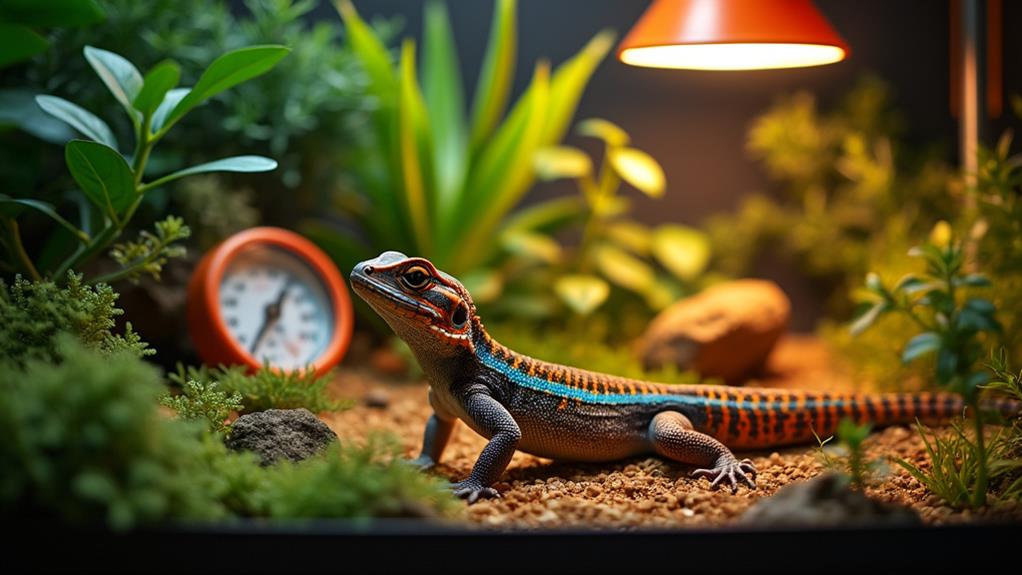
Proper heating and lighting are fundamental for the health of your long-tailed lizard, ensuring it thrives in its environment. To support your lizard's well-being, establish a basking area where temperatures reach 90-95°F, allowing it to absorb necessary warmth. Use a heat lamp to maintain this spot, while ensuring the ambient temperature in the enclosure stays between 75-85°F during the day. This temperature gradient is essential for thermoregulation, giving your lizard the ability to move between warmer and cooler areas as needed.
Full-spectrum UVA and UVB lighting are also important. These lights aid in vitamin D synthesis, which is necessary for calcium absorption and preventing Metabolic Bone Disease (MBD). Consider using bulbs like Zoo Med T8 Reptisun 10.0 or Arcadia T5 HO 6% and remember to replace them every six months to maintain ideal UVB exposure.
To mimic a natural day/night cycle, keep the lights on for 11.5 hours in winter and 12.5 hours in summer, ensuring complete darkness at night for rest. Avoid ceramic heat emitters and colored bulbs, as they can disrupt your lizard's natural behavior and general health.
Maintaining Proper Humidity
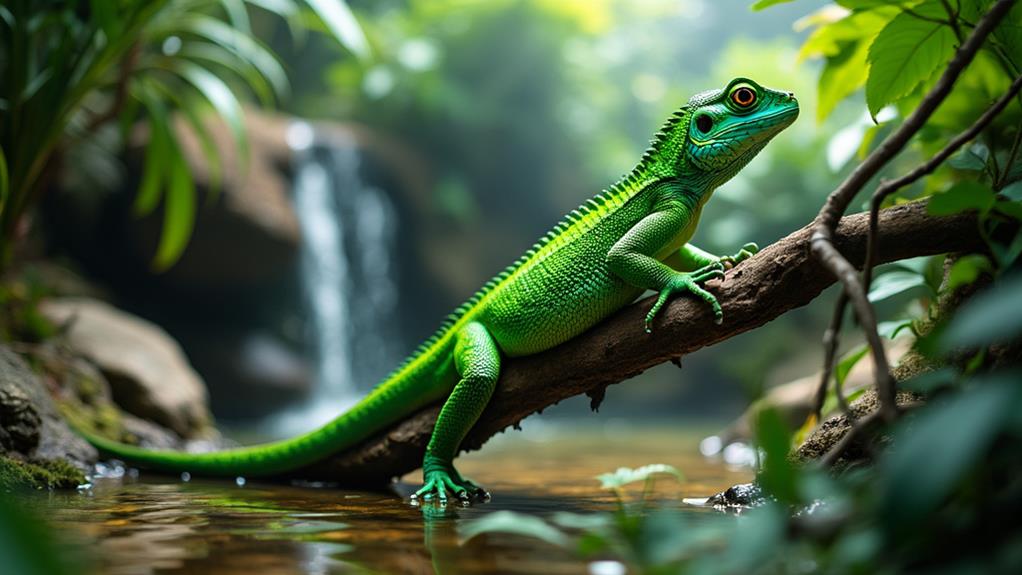
Achieving the right humidity levels is crucial for your long-tailed lizard's health and comfort. Aim to maintain the humidity between 70-80% in their enclosure, replicating their natural tropical environment. Use a digital hygrometer for accurate measurement, confirming conditions remain ideal. Misting the enclosure once or twice daily is effective in sustaining humidity levels and also provides your lizard with drinking water. Morning misting is particularly beneficial for hydration, helping them start their day refreshed.
In addition to misting, a shallow water dish can be placed in the terrarium. This not only serves as another hydration source but also contributes to comprehensive humidity. You might consider a reptile drip system for consistent moisture, especially if you're away during the day.
Don't overlook the importance of proper ventilation in the terrarium. Adequate airflow prevents stagnant air, which can lead to respiratory issues. Regularly check the humidity levels with your digital hygrometer and adjust as necessary. Improper humidity can cause health problems like shedding issues or respiratory infections. A vigilant approach guarantees your long-tailed lizard stays healthy and thriving in its habitat.
Ideal Diet and Feeding Schedule
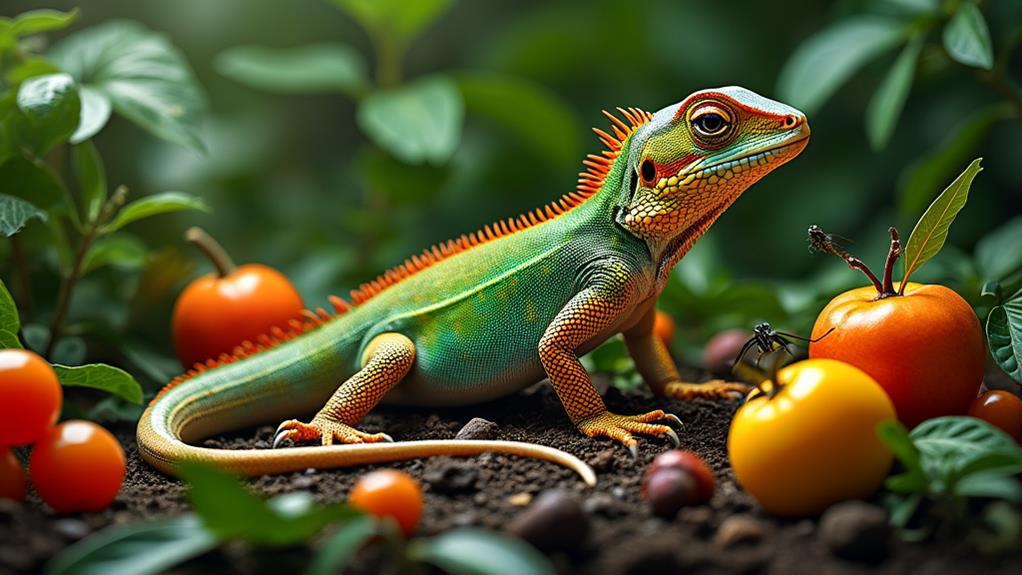
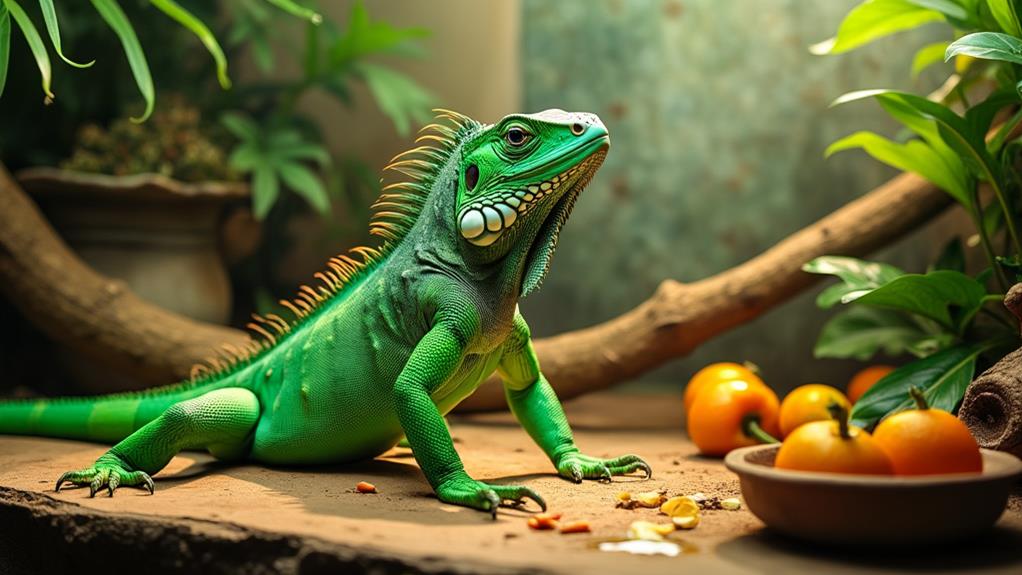
For your long-tailed lizard's health and well-being, providing a balanced diet is vital. Long-tailed lizards need a diet primarily composed of live feeder insects like crickets. To guarantee a nutritional variety, supplement their meals with mealworms, waxworms, and flies. These high-quality sources of protein and nutrients keep your pet thriving. Remember, juveniles need to be fed daily, as their growing bodies require constant nourishment, while adults can be fed several crickets every other day.
When preparing meals, don't forget the importance of calcium and Vitamin D3. Dusting feeder insects with these vitamin supplements at least twice a week is key to prevent nutritional deficiencies. Here's a quick feeding schedule guide:
- Juveniles: Feed daily with a variety of feeder insects.
- Adults: Provide several crickets every other day.
- Supplements: Dust insects with calcium and Vitamin D3 twice a week.
- Monitor: Regularly check feeding habits to adjust quantities and avoid obesity.
Always remove any uneaten crickets promptly to prevent potential bites and infections. By maintaining this feeding routine, you'll guarantee your long-tailed lizard stays healthy and happy.
Hydration and Water Needs
After establishing a solid feeding routine, it's important to focus on your long-tailed lizard's hydration and water needs. Ensuring your lizard has daily access to clean, non-chlorinated water is fundamental. Provide this in a shallow dish to prevent any risk of drowning. To maintain ideal humidity levels of 70-80%, mist the enclosure walls and plants every day. Proper humidity is crucial for your lizard's hydration and general health.
Consider enhancing your lizard's hydration by using a reptile drip system. This method provides a consistent source of water, mimicking natural conditions. Alternatively, occasionally bathing your lizard in a 50/50 mixture of water and unflavored Pedialyte for 20-30 minutes can increase hydration, offering extra electrolytes that may be beneficial.
Regularly check your lizard's skin elasticity as a simple way to monitor hydration status. If the skin doesn't return to its normal shape quickly, it could indicate dehydration. Also, be attentive to their activity levels, as a decrease might suggest they're not adequately hydrated. Removing uneaten feeder insects promptly is also important to prevent bites and potential infections that could impact your pet's health.
Monitoring Behavior and Health

A significant aspect of caring for your long-tailed lizard is monitoring its behavior and health. Keeping a close eye on your lizard's energy levels and appetite is essential. If you notice lethargy or a lack of eating, these can be early signs of health issues that might need veterinary attention. Regular observation helps you catch potential problems early, guaranteeing your pet stays healthy.
Here's a simple checklist to help you monitor your lizard effectively:
- Energy and Appetite: Look for signs of lethargy or decreased appetite, which can indicate stress or illness.
- Shedding and Weight: Regularly check for abnormal shedding or weight loss. These can be signs of stress or underlying health issues.
- Behavior Changes: Monitor for any changes in behavior, as they might point to stress or sickness.
- Droppings: Observe the consistency and frequency of your lizard's droppings to detect digestive problems or parasites.
To guarantee your lizard's health, schedule routine veterinary check-ups. These visits help catch early signs of disease and keep your pet's overall condition in check. Remember, catching issues early can make all the difference in your lizard's well-being.
Handling and Social Interaction
Handling and social interaction are key aspects of guaranteeing your long-tailed lizard remains healthy and content. When you handle your lizard, always be gentle and avoid grabbing its tail to prevent tail loss. Long-tailed lizards can tolerate handling well, but it's essential to pay attention to their body language. Watch for signs like tail movements and posture, which can indicate their comfort level. Acclimate your lizard to handling by gradually allowing it to become familiar with your presence before attempting to hold it.
Social interaction plays a significant role in their well-being. These lizards are social creatures and thrive in small groups. Housing them in pairs or trios encourages natural behaviors and even mating rituals, especially from April to June. However, keep only one male per enclosure to avoid territorial aggression, which can lead to stress and conflict.
Observing group dynamics helps you understand their social structures better. Regular interaction not only improves their well-being but also keeps them active and engaged. By fostering a suitable environment for both handling and socialization, you guarantee your long-tailed lizard leads a happy and healthy life. Always stay attentive to their needs and adjust your care routine as necessary.
Common Health Issues

When caring for long-tailed lizards, it's important to be aware of common health issues that can affect their well-being. One of the most prevalent problems is metabolic bone disease (MBD), which stems from inadequate UVB exposure and insufficient calcium intake. MBD can cause lethargy and deformities, so making sure your lizard receives proper UVB lighting and a balanced diet is essential.
Respiratory infections are another concern, often resulting from incorrect humidity levels. Long-tailed lizards thrive in environments with 70-75% humidity. If these levels drop, your pet may experience wheezing, open-mouth breathing, or lethargy. Tail loss is also common. While their tails can regenerate, the process is slower compared to lizards with shorter tails, and it can lead to stress and abnormal behavior.
To keep your lizard healthy, it's important to monitor their condition closely, especially after relocation since stress can lead to reduced appetite and weight loss. Regular veterinary check-ups are indispensable. They help catch signs of illness, like abnormal shedding or vomiting, early. Here are some key points to remember:
- Maintain adequate UVB exposure to prevent MBD.
- Make sure humidity levels stay between 70-75%.
- Be mindful of tail loss and its effects.
- Schedule regular veterinary check-ups.
Finding Expert Advice and Resources
Caring for long-tailed lizards can be complex, but you don't have to navigate it alone. With access to over 12,000 verified experts in veterinary and reptile care, you can get quick, tailored advice for any specific concerns you might have. This expert guidance is invaluable, especially when you're aiming to understand nuances like vitamin D supplementation or choosing the right heat bulb. Membership benefits not only save you time and money on consultations but also provide an essential resource for ensuring your pet's well-being.
Continuous learning is key to mastering long-tailed lizard care. Explore reputable care manuals and expert articles to keep your knowledge up-to-date. Experts like Joan and Dr. Scott Nimmo, with over 35 years of experience, have assisted thousands, helping owners improve their understanding of lizard care. Community forums offer another layer of support. Engage with forums and resources from organizations like the West New York Herpetological Society to connect with other lizard enthusiasts. These platforms are great for sharing experiences and uncovering best practices, ensuring your pet remains healthy and happy. Remember, the more informed you are, the better care you can provide.