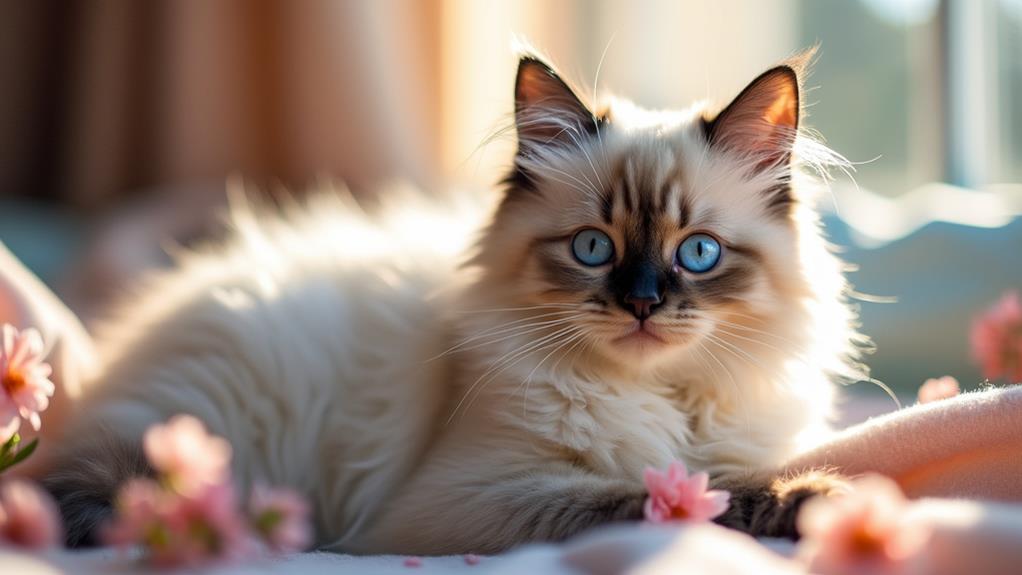
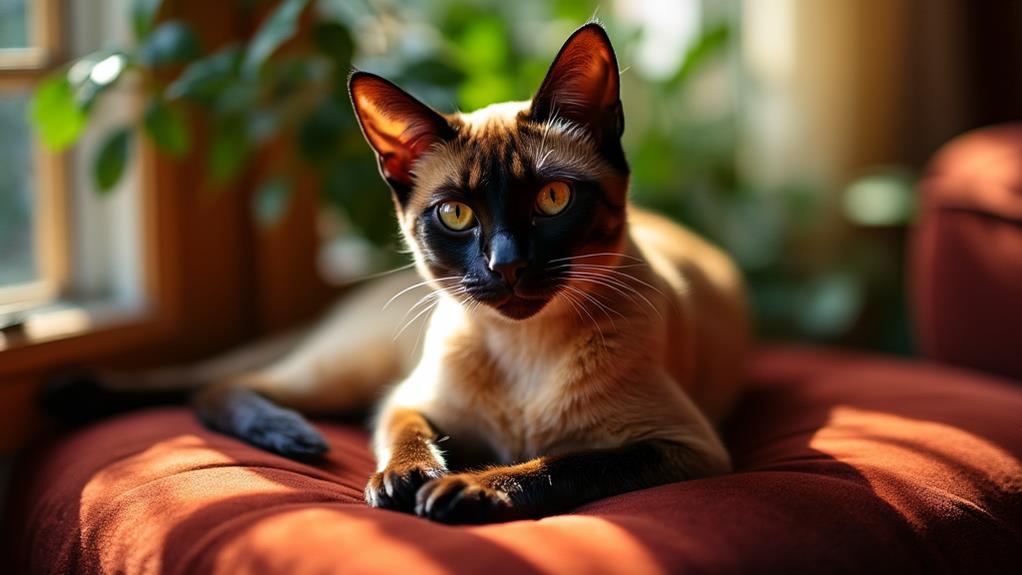
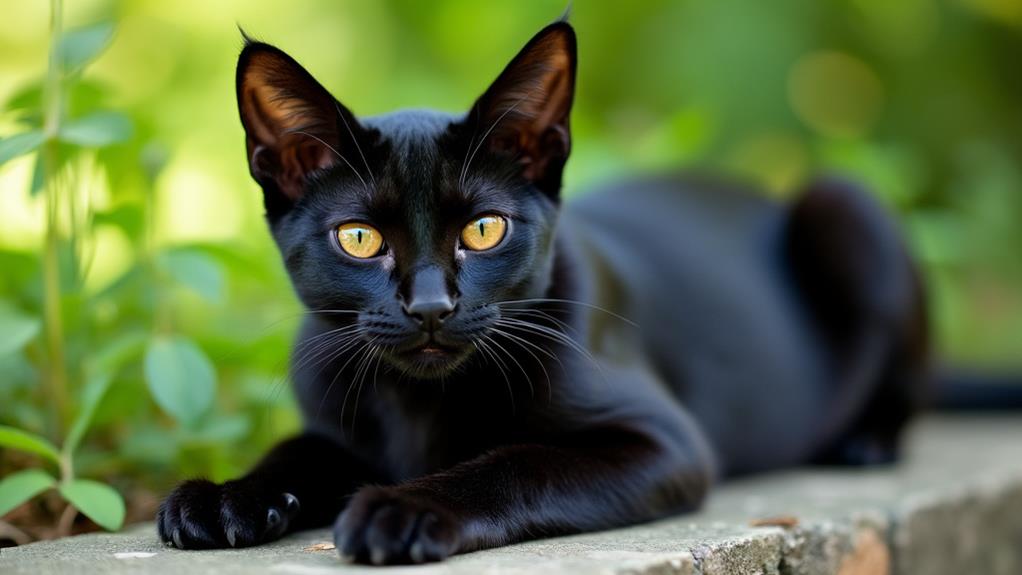
Japanese Bobtail Cat: The Extrovert and Vocal Feline Companion
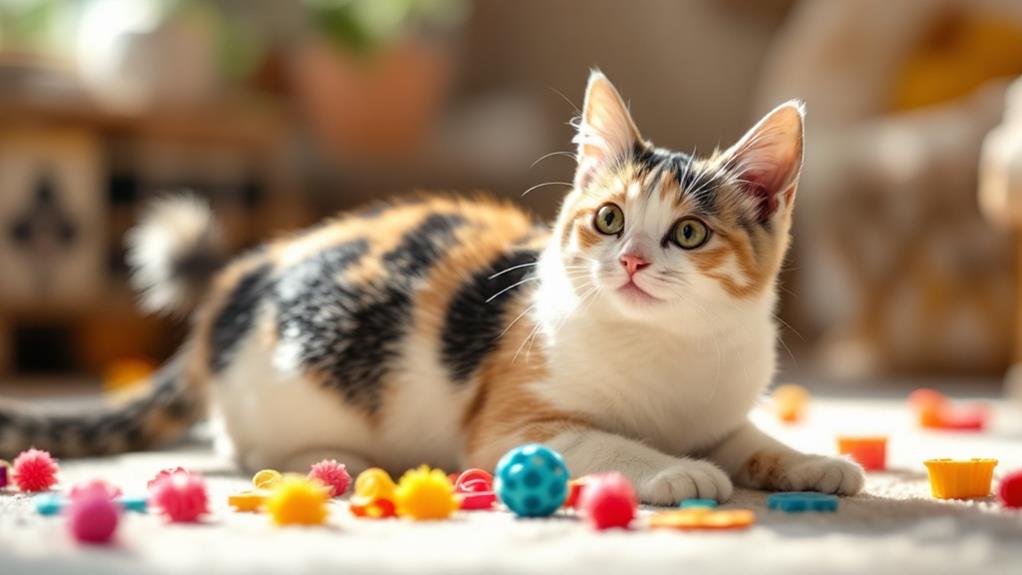
You'll love the Japanese Bobtail cat if you're looking for an extroverted and vocal companion. Known for its short, kinked tail and athletic build, this breed thrives on social interaction and readily engages with guests. It's not just friendly; it's vocal too, often communicating through charming chirps and trills. With high energy levels, the Japanese Bobtail enjoys interactive play, from fetching toys to playful splashes in water. Ensuring a high-protein diet and regular veterinary care supports its health. If you're curious about its cultural significance or grooming needs, there's more to uncover about this lively feline friend.
Unique Breed Characteristics
With regard to unique breed characteristics, the Japanese Bobtail stands out with its distinctive short, kinked tail, which results from a natural genetic mutation. This tail is unlike any other, varying in appearance from one cat to another, adding to its charm. When you welcome a Japanese Bobtail into your home, you'll quickly notice their striking elegance and athletic build. Weighing between 2.5 to 4 kg, these medium-sized cats have a muscular frame that complements their graceful movements.
Their coat, regardless of being short or semi-long, is soft, silky, and comes in a variety of colors and patterns, including the traditional tricolored calico, known as Mi-Ke. But it's not just their looks that make them special. Japanese Bobtails have a social nature, often greeting guests at the door and thriving on being the center of attention. Their affectionate nature makes them excellent companions, always ready to shower you with love.
What truly sets them apart are their vocalizations. These cats communicate with a unique, song-like voice, using chirps and trills to express their needs and emotions. You'll find their melodic communication endearing and a constant reminder of their lively, interactive personality.
Playful and Energetic Traits
Bursting with energy, Japanese Bobtails are the life of any household, always enthusiastic for a game or an adventure. With their high energy levels, these social cats thrive on playtime and mental stimulation. Their playful nature is evident in their love for interactive activities, such as fetching toys or splashing in water. You'll quickly notice their curiosity and intelligence as they investigate every nook and cranny, engaging with diverse toys and puzzles.
These extroverted felines enjoy being the center of attention, making them fantastic companions for both children and adults. Japanese Bobtails are not just content with passive play; they actively seek out interaction, often initiating games themselves. Their agility and hunting instincts add an extra layer of excitement to playtime, as they showcase impressive skills and speed.
To keep these intelligent cats happy, provide a range of interactive activities that challenge their minds and bodies. Regardless of it's a puzzle feeder or a simple game of chase, Japanese Bobtails are always keen participants. Their social nature means they love spending time with you, ensuring that every play session is a bonding experience. Welcome their lively energy, and you'll have a delightful, entertaining companion.
Health and Wellness Tips
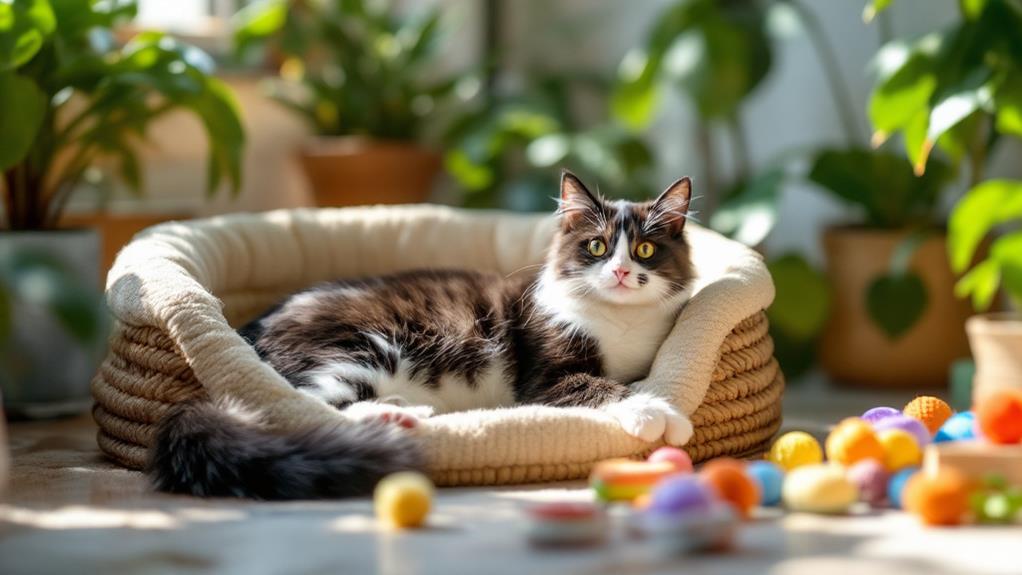
While you're enjoying the playful antics of your Japanese Bobtail, it's vital to also focus on their health and wellness. Regular veterinary check-ups are vital for spotting potential health issues early, particularly since Japanese Bobtails can be prone to conditions like diabetes and cardiomyopathy. These visits guarantee any signs of trouble are caught promptly, keeping your furry friend in top shape.
In addition to vet visits, dental care is another significant component of their health regimen. Routine dental exams and daily tooth brushing can help fend off dental disease, which is common and can lead to more severe complications if ignored. A balanced diet is just as significant, consisting of high protein and low carbohydrates, which assists in maintaining their weight and preventing obesity-related problems like diabetes and arthritis.
To complement a healthy diet, make certain your cat engages in regular play. Their energetic nature means they thrive on physical activity, which helps in preventing obesity and keeping them mentally stimulated. Also, keep an eye on changes in appetite, sleeping patterns, or behavior. These could signal underlying health issues that need immediate veterinary attention. With these steps, your Japanese Bobtail can enjoy a long, healthy life.
Dietary Needs and Weight Management
Managing the dietary needs and weight of your Japanese Bobtail is vital for their general health and happiness. A high-protein, low-carbohydrate diet is fundamental to prevent obesity, which can lead to serious conditions like arthritis and diabetes. These cats often have a genetic predisposition to diabetes, so careful dietary management becomes even more significant for their longevity.
To guarantee effective weight management, avoid free-feeding your Bobtail. Instead, establish structured feeding schedules to prevent overeating. Consistent meal times help regulate their intake and maintain a healthy weight. It's also significant to incorporate interactive toys and engaging activities into their daily routine. This not only keeps your cat active but also curbs sedentary behavior, further helping with weight control.
Regular veterinary check-ups play an integral role in monitoring your cat's weight and general health. Early detection of potential issues allows for prompt and effective management strategies. Remember, a balanced diet combined with an active lifestyle is key to keeping your Japanese Bobtail fit and healthy. By understanding and meeting their dietary needs, you're setting your feline friend up for a long, joyful life.
Common Health Concerns

How can you guarantee your Japanese Bobtail stays healthy? Being aware of common health concerns is key to ensuring your feline friend thrives. For instance, cardiomyopathy can be a hidden issue in Japanese Bobtails, with symptoms like rapid breathing and lethargy often going unnoticed until severe. Regular veterinary check-ups can help catch this condition early.
Hyperthyroidism is another concern, especially in middle-aged cats. Look for signs such as increased activity, weight loss, and increased thirst. Early detection allows for better management and treatment options. Dental care is similarly significant; without it, dental disease can lead to gum infections and tooth loss. Aim for daily brushing and routine dental exams to maintain their oral health.
FLUTD is a serious condition that can affect your Japanese Bobtail, particularly males. Symptoms include abnormal urination and straining, which can become emergencies if not promptly addressed. Keep an eye on your cat's litter box habits and consult your vet if you notice any changes.
Here are some quick tips to remember:
- Regular vet visits to monitor overall wellness.
- Daily dental care to prevent gum disease.
- Watch for behavior changes indicating health issues.
- Immediate attention to unusual urination habits.
Grooming and Care Essentials
Regarding keeping your Japanese Bobtail looking and feeling its best, grooming and care are straightforward yet important routines. With their short to semi-long coats, Japanese Bobtails require minimal grooming. A weekly brushing session will suffice, keeping their coat healthy and reducing shedding. This simple act also strengthens your bond with your feline friend.
Dental care is critical for this breed, as they're prone to dental diseases. Daily brushing can greatly improve their oral health and prevent tartar buildup. Consider using cat-friendly toothpaste and starting early to get them accustomed to the routine.
A balanced diet is necessary for your Bobtail's well-being. Tailor their meals to their energy levels and weight needs, as obesity can lead to severe health issues like diabetes and arthritis. Engaging playtime is not only fun but important for maintaining a healthy weight and providing mental stimulation.
Regular health evaluations, including vaccinations and fecal exams, are key to catching potential inherited issues early. These check-ups guarantee your Bobtail remains in top condition. By combining these grooming and care necessities, you'll keep your Japanese Bobtail thriving, assuring a happy, healthy companion.
History and Cultural Significance
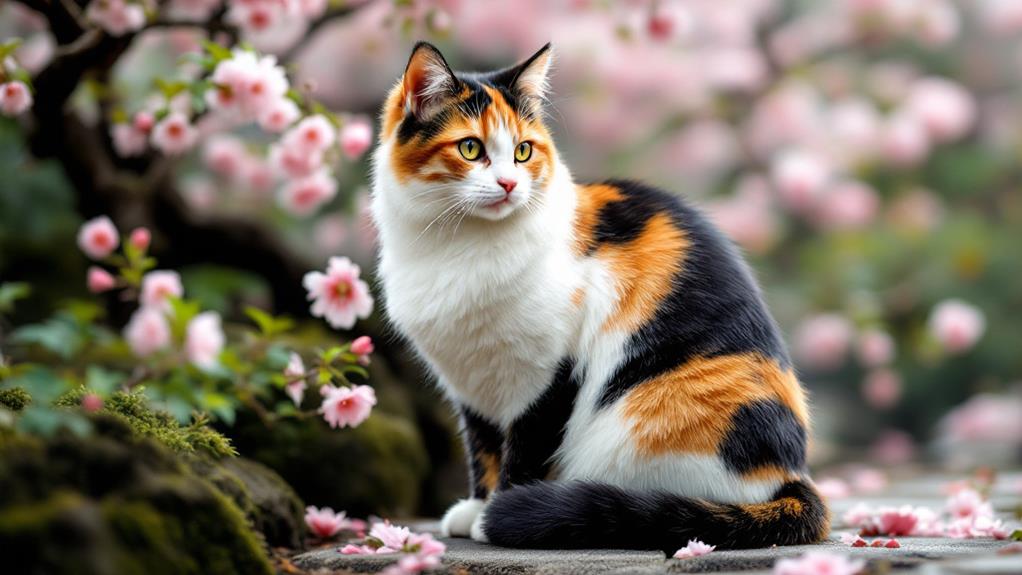
Few cat breeds boast a legacy as rich and storied as the Japanese Bobtail. This ancient breed's history stretches back to the 6th century, making it one of the oldest and most revered in Japan. You might recognize their distinctive bobbed tails, a result of a natural genetic mutation that sets them apart and adds to their cultural significance. These unique tails became a symbol of good luck, often depicted in Japanese folklore and art. The iconic Maneki-Neko, or beckoning cat figurine, represents this auspicious association, believed to bring prosperity and ward off evil spirits.
Originally cherished by Japan's noble class, the Japanese Bobtail was more than just a pet. It held a significant role as a protector and a symbol of good fortune. Over time, its influence crossed borders, introduced by Japanese sailors to places like Russia and China in the 17th century. This helped spread their cultural significance beyond Japan, impacting feline appreciation worldwide.
Here's how these charming felines have marked their place in history:
- Revered for their unique tails, thanks to a genetic mutation.
- Symbols of good luck in Japanese culture.
- Cherished by noble classes as protectors.
- Influenced feline culture worldwide.
Recognition and Breed Standards
While the Japanese Bobtail's historical and cultural legacy is rich, its formal recognition in the feline world is an indication of its distinctiveness. This breed, with its unique and charming appearance, was officially recognized by the Cat Fanciers' Association (CFA) in 1971. The CFA's recognition established breed standards that highlight the Japanese Bobtail's defining features, such as its distinctive tail, which is typically between 5 to 8 cm long but can stretch to 10 to 13 cm.
In 1990, the Fédération Internationale Féline (FIFe) followed suit, acknowledging the Japanese Bobtail as a unique breed in the international feline community. This recognition by both the CFA and FIFe underscores the breed's special status among cat enthusiasts worldwide.
When it comes to breed standards, the Japanese Bobtail is renowned for its preferred color patterns, mainly tricolored (Mi-Ke) and bicolored. These patterns display a wide range of hues, except for chocolate, lilac, and colorpoint. This specific color palette, along with its symbolic connection to the Maneki-Neko in Japan, adds to the allure and cultural significance of the Japanese Bobtail. Understanding these standards helps you appreciate why this breed is cherished not just for its appearance but also for its rich heritage.
Ideal Home Environment
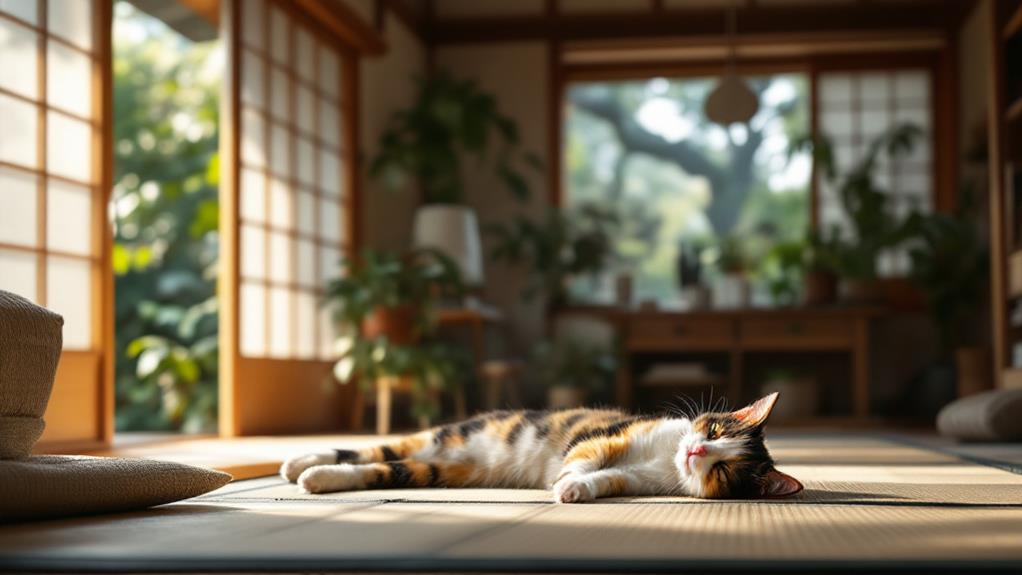
If you're thinking of welcoming a Japanese Bobtail into your home, you'll find they fit right in with a range of living situations. These highly intelligent and social cats adapt well regardless of whether you live in a cozy apartment or a spacious home with a garden. Their extroverted nature makes them a fantastic addition to any household, but there are certain conditions to guarantee they thrive.
Japanese Bobtails love interacting with their human companions, so an ideal home includes opportunities for frequent social interaction. They enjoy being part of family activities and need an environment where they can actively engage. Providing various toys and activities is essential to keep their playful and energetic spirit satisfied.
They're also known for their friendly demeanor, making them great feline friends in multi-pet households. If you already have other pets, a Japanese Bobtail will likely get along well with them.
Here are key factors for their ideal home environment:
- Frequent social interactions to satisfy their sociable nature.
- A range of toys and activities to engage their intelligence.
- Opportunities for play to match their energy levels.
- Coexistence with other pets for a harmonious home.
These elements guarantee your Japanese Bobtail is a happy and well-adjusted member of your family.