Is the Pink Zebra Beauty Tarantula a Good Pet for Beginners? What to Expect
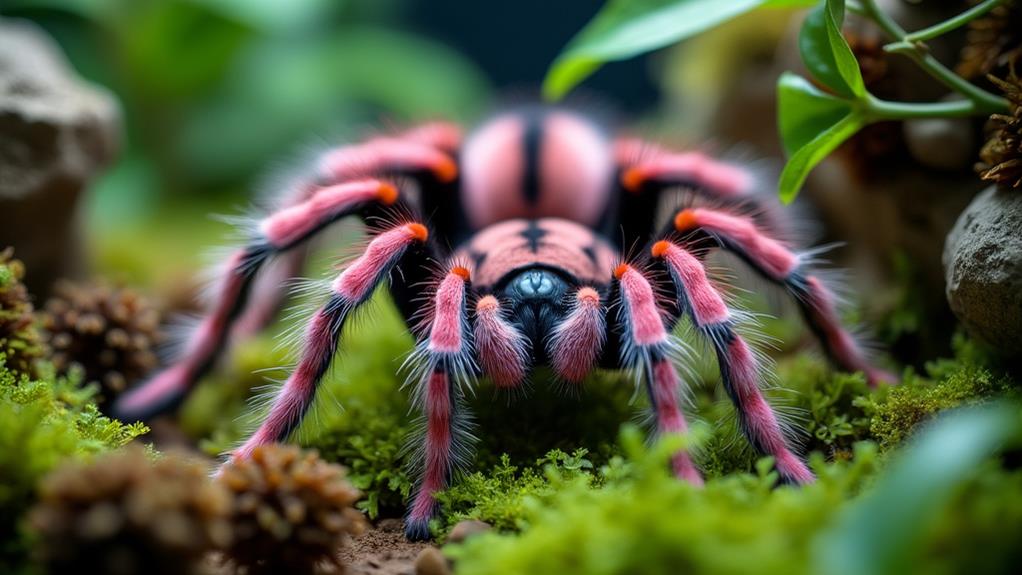
The Pink Zebra Beauty Tarantula is a fantastic pet option for beginners thanks to its calm temperament and simple care needs. You'll appreciate its striking appearance with distinctive yellow stripes and a manageable size of 5-6 inches. Creating a suitable living environment isn't intimidating; just maintain a 5-10 gallon terrestrial enclosure with temperatures between 75-80°F and humidity at 65-75%. Feeding requires minimal effort, as they thrive on a diet of crickets and mealworms. Furthermore, these tarantulas can live up to 20 years, offering long-term companionship. Stick around to uncover more about making a successful shift into tarantula care.
Key Takeaways
- The Pink Zebra Beauty Tarantula is known for its calm and docile nature, ideal for beginners.
- It has manageable care requirements, such as temperature and humidity, suitable for novice keepers.
- The tarantula can live up to 20 years, offering long-term companionship.
- While generally easy to care for, it requires consistent monitoring of environmental conditions.
- It provides a rewarding experience for those committed to learning and adapting to its needs.
Overview of Pink Zebra Beauty
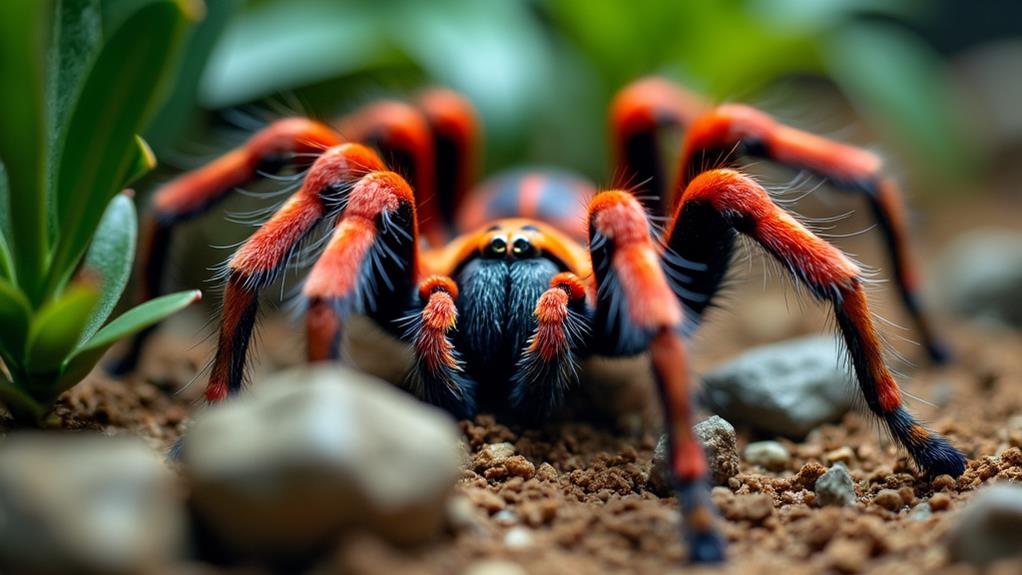
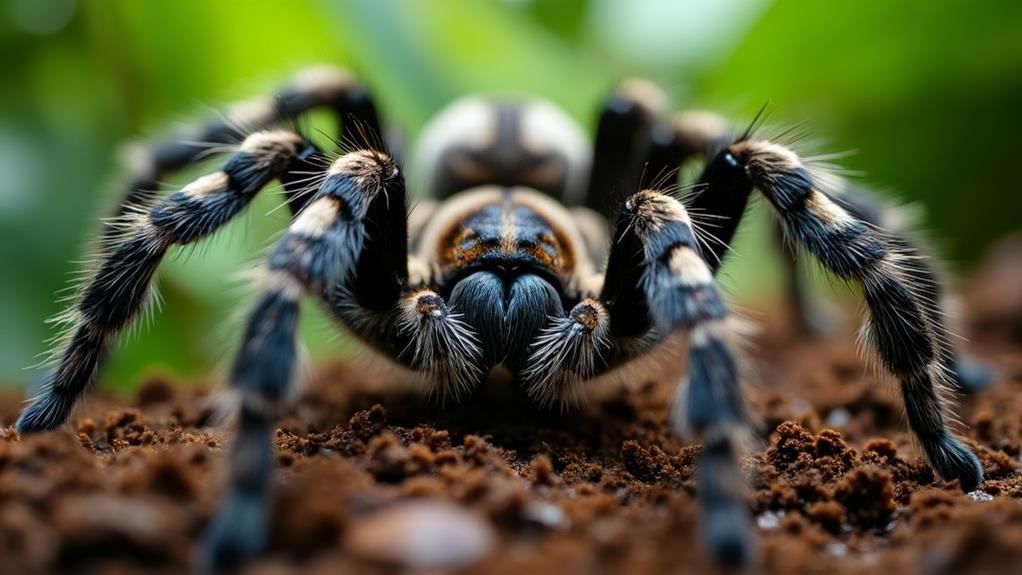
The Pink Zebra Beauty Tarantula, scientifically known as Eupalastrus campestratus, is an enthralling terrestrial species hailing from Paraguay, Brazil, and Argentina. This tarantula is celebrated for its striking appearance, showcasing a dark brown body adorned with distinctive yellow stripes. If you're considering your initial tarantula, the Pink Zebra Beauty is a good beginner choice due to its calm and docile temperament. It's less likely to display defensive behaviors, making it an excellent option for those new to tarantula care.
As a terrestrial species, the Pink Zebra Beauty Tarantula requires specific conditions to thrive, yet it remains manageable for beginners. Typically reaching 5-6 inches in size, this species has a slow growth rate, taking several years to mature. This can be an advantage for novice tarantula owners, providing ample time to become familiar with their care needs without rapid changes in size or behavior.
Given their slow growth, these tarantulas offer a long-term commitment with their notable lifespan. If you provide the right care, you can enjoy the company of your Pink Zebra Beauty for several years, making it a rewarding pet for beginners and experienced enthusiasts alike.
Housing and Environment Needs
Wondering how to create the perfect home for your Pink Zebra Beauty Tarantula? Start by choosing a terrestrial enclosure of at least 5-10 gallons, providing ample floor space for its burrowing behavior. When addressing the housing and environment needs, guarantee the substrate depth is at least 5 inches. Use potting soil or peat moss to facilitate natural burrowing and retain the necessary humidity.
Maintaining the right temperature range is essential, so keep the habitat between 75-80°F. Similarly significant is the humidity level, which should be kept at 65-75%. These conditions are critical for your tarantula's health and comfort. To reduce stress and encourage natural behaviors, include hiding spots such as logs or plants. These elements offer your tarantula a sense of security, especially since they tend to be inactive during daylight hours.
Don't forget about hydration—provide a fresh water source at all times. Regular misting of the substrate can help maintain the ideal humidity level, guaranteeing the well-being of your Pink Zebra Beauty Tarantula. With these considerations in mind, you'll create a safe and comfortable environment for your new arachnid companion.
Temperament and Handling
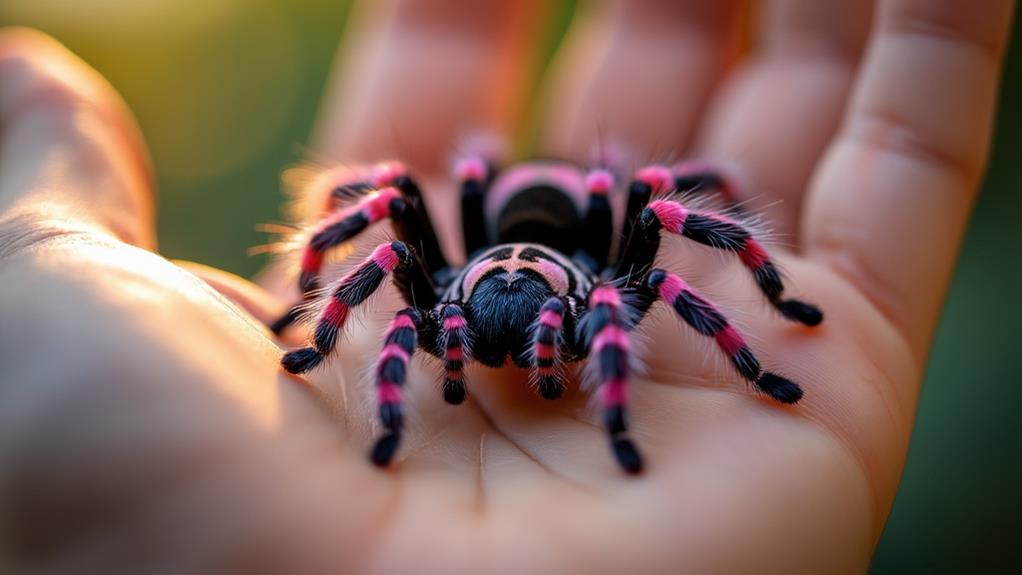
Although the Pink Zebra Beauty Tarantula is known for its gentle nature, it's vital to approach handling with care and respect. This species, Eupalastrus campestratus, is celebrated for its docile and calm temperament, making it a good choice for beginner tarantula keepers. Their tendency to remain calm and avoid defensive behaviors like flicking hairs makes them a manageable pet for those new to tarantula care. However, while handling is possible, it's often better to let your tarantula acclimate to its environment initially.
As a beginner species, the Pink Zebra Beauty is less prone to stress and aggression, which can make interactions smoother. When you do decide to handle your tarantula, use gentle techniques to guarantee both your safety and the tarantula's comfort. It's significant to keep in mind that handling should be minimal, as frequent interactions can lead to stress. Allowing your tarantula to gradually acclimate to your presence will create a more trusting relationship over time.
Because of their slow growth rate, this species provides an extended period to get accustomed to you, enhancing their suitability as a beginner pet. Always prioritize your tarantula's well-being when considering handling practices.
Feeding and Nutrition
When caring for a Pink Zebra Beauty Tarantula, feeding and nutrition play a significant role in maintaining its health. This tarantula primarily feeds on crickets, roaches, and mealworms, which are not only easy to source but are also nutritious options for its diet. For adult tarantulas, you should aim to feed them once every 7-10 days. Younger tarantulas, however, need more frequent meals to support their growth.
It's imperative to gut-load the feeder insects before offering them to your tarantula. This process involves feeding the insects nutritious foods, ensuring your tarantula receives ideal nutrition from its meals. Monitoring the feeding behavior is also critical. Pink Zebra Beauty Tarantulas are generally good eaters and rarely miss meals. If your tarantula isn't eating, it might be a sign of health issues or stress.
Don't forget about hydration. Fresh water should always be available in a shallow dish to prevent dehydration. Tarantulas can dehydrate quickly, so maintaining their hydration is essential. By ensuring a balanced diet and proper hydration, you'll help your Pink Zebra Beauty thrive as a pet.
Health and Lifespan
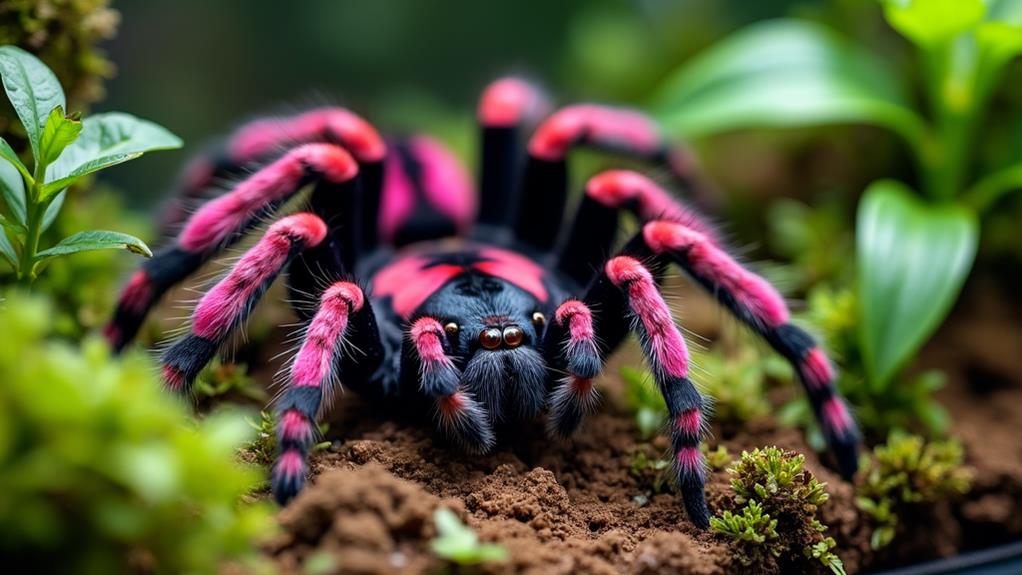
The health and lifespan of your Pink Zebra Beauty Tarantula depend heavily on the quality of care you provide. With the potential to live up to 20 years, especially females, these tarantulas require a long-term commitment from their owners. Guaranteeing a healthy environment is essential for their well-being. Regular maintenance of their habitat involves careful monitoring of humidity and temperature, which are crucial for preventing stress and health issues.
You should aim for a balanced microclimate that mirrors their natural habitat. Proper substrate depth is key, allowing them to burrow and feel secure. Inadequate substrate can lead to discomfort and stress. Also, include hiding spots, as they offer a sense of security and reduce anxiety, promoting a longer lifespan.
Their slow growth rate means you'll be committed to their care for many years. It's important to understand their specific needs to improve their health and lifespan in captivity. Keeping your tarantula well-fed and hydrated, especially during significant phases like egg sac creation, can support their development and longevity. By providing the right environment, you guarantee a healthy, thriving Pink Zebra Beauty Tarantula.
Breeding and Reproduction
Breeding Pink Zebra Beauty Tarantulas requires careful planning and attention to detail. You need to monitor the female's molting schedule closely, as her refusal to molt can indicate she's not ready to mate. Once successful insemination occurs, expect the creation of an egg sac, which typically takes 6-7 months to develop. During this period, it's vital to keep the female well-fed and hydrated. Disturbances in her terrarium should be minimized to prevent stress, guaranteeing a healthy egg sac development.
After the spiderlings emerge, they start to develop legs, which is your cue to separate them into individual enclosures. This step is important to prevent cannibalism, as spiderlings can become aggressive towards each other. The process from spiderling to mature adult isn't quick; it takes several years for them to fully grow. This process demands your patience and commitment if you're keen on breeding these tarantulas.
Throughout the breeding and development process, maintaining ideal conditions regarding diet, hydration, and environment is key. By staying attentive to these needs, you'll foster a successful breeding experience and guarantee the health and well-being of both the mother and her offspring.
Pros and Cons for Beginners
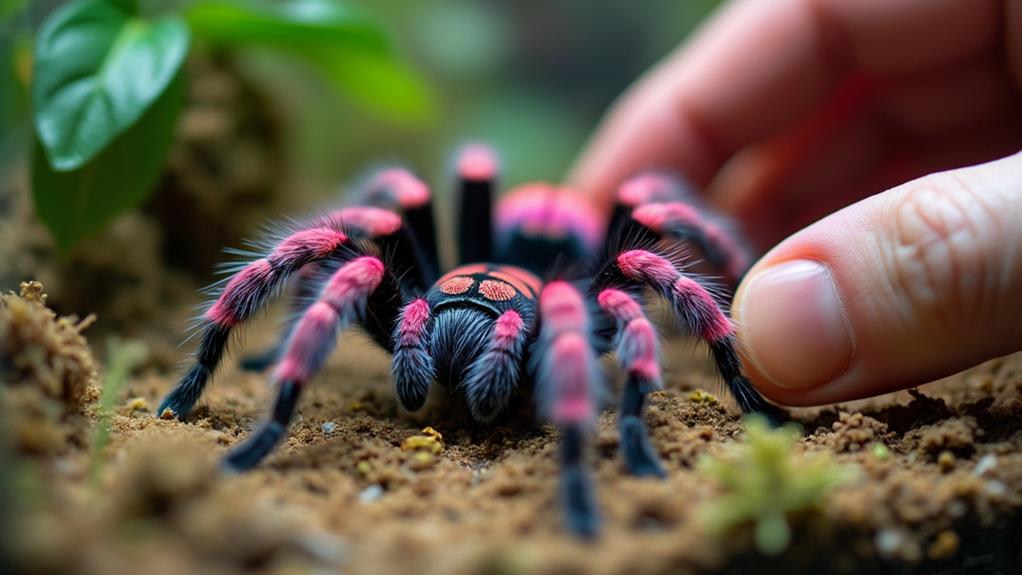
As a beginner, you'll find that the Pink Zebra Beauty Tarantula offers several advantages thanks to its docile nature, making it an excellent choice if you're nervous about handling spiders. This species is a good initial tarantula because of its calm demeanor and manageable care requirements. Its striking appearance, with dark brown bodies and distinctive yellow stripes, contributes a unique visual appeal that new keepers will appreciate.
One significant pro is the tarantula's slow growth rate, allowing you to enjoy your pet for several years without needing to upgrade its housing too quickly. This can be particularly beneficial for new keepers who want to take care of a tarantula without the pressure of frequent changes. Furthermore, it maintains a moderate humidity level (65-75%) and temperature range (75-80°F), which is manageable with proper care guidelines.
On the downside, while Pink Zebra Beauty Tarantulas are good eaters and rarely miss meals, they do require specific environmental conditions that might seem intimidating initially. However, with consistent attention, these requirements become routine. Altogether, this tarantula serves as a great introduction to the world of keeping arachnids.
Related posts