Is a Cockatiel a Good Pet Bird? Pros and Cons of Owning One
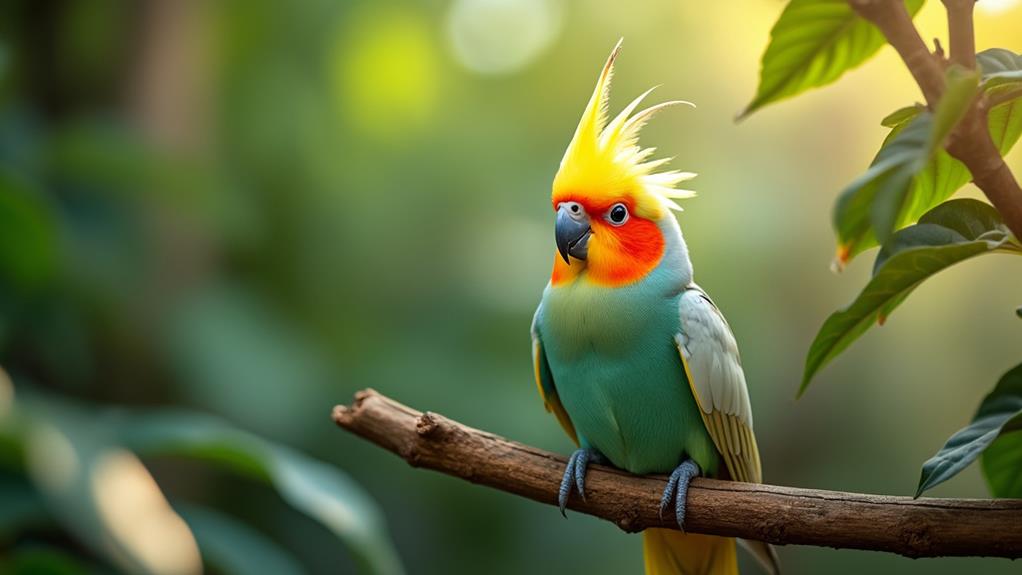
Cockatiels can make wonderful pets for those willing to meet their social and care needs. They are affectionate, enjoy bonding, and adapt well to small living spaces. Their long lifespan and low maintenance requirements add to their appeal. However, they need regular interaction and can experience night terrors if their environment isn't secure. They're more into whistling than talking, so don't expect a chatty bird. Dander might trigger allergies in sensitive individuals. In general, if you're ready to provide attention and a stimulating environment, a cockatiel can be a delightful companion, with more nuances of their nature awaiting your exploration.
Key Takeaways
- Cockatiels are affectionate and social, forming strong bonds with owners and thriving on daily interaction.
- They are low maintenance, adaptable to small spaces, and suitable for families, making them excellent urban pets.
- Cockatiels have limited talking abilities but offer entertainment through whistling and engaging interactions.
- They require social interaction and environmental stability to prevent loneliness and stress-related issues.
- Potential drawbacks include night terrors, sensitivity to environmental changes, and allergen production from dander.
Characteristics of Cockatiels
When evaluating cockatiels as pets, understanding their characteristics is essential. Cockatiels, known for their affectionate nature, are social animals that thrive on interaction. They can form strong bonds with you, often seeking your company and enjoying being part of your daily activities. This affectionate nature is a definite advantage if you're looking for a pet that loves attention and companionship.
One of the pros of having a cockatiel is their manageable size. Measuring about 30-35 cm, they comfortably fit into different living spaces, making them suitable for both apartments and houses. Unlike larger parrots, cockatiels are relatively quiet, which is another benefit if you're concerned about noise. They tend to mimic sounds rather than engage in extensive talking, so you won't have to worry about constant chattering.
However, it's significant to take into account the cons as well. Their social nature means they require regular interaction and mental stimulation to remain happy and healthy. If left alone for long periods, they may become lonely or even resort to undesirable behaviors. In conclusion, cockatiels make delightful companions, but they require commitment and attention to match their social and affectionate needs.
Benefits of Owning Cockatiels
Considering the characteristics of cockatiels, it's clear why many people find them appealing as pets. Cockatiels make good pets because of their affectionate nature, often forming strong bonds with their owners. You'll enjoy their companionship for an impressive 20-25 years. They thrive on interaction every day, which can be a delightful experience as they love to engage with you, learn tricks, and mimic sounds. This daily interaction helps them develop their intelligent and social personalities, providing endless entertainment.
One of the benefits is their relatively low-maintenance care requirements, which differ from larger parrot species. This makes them a suitable choice even if you live in an apartment or have limited space, thanks to their smaller size of about 30-35 cm. They don't need a lot of room, making them convenient companions for urban dwellers. Moreover, their calm demeanor and lower noise levels mean they fit well into families with children or other pets.
When considering the pros and cons of cockatiels, it's evident that their engaging, affectionate nature and adaptability to different living conditions make them an excellent choice for many potential pet owners.
Drawbacks of Cockatiels
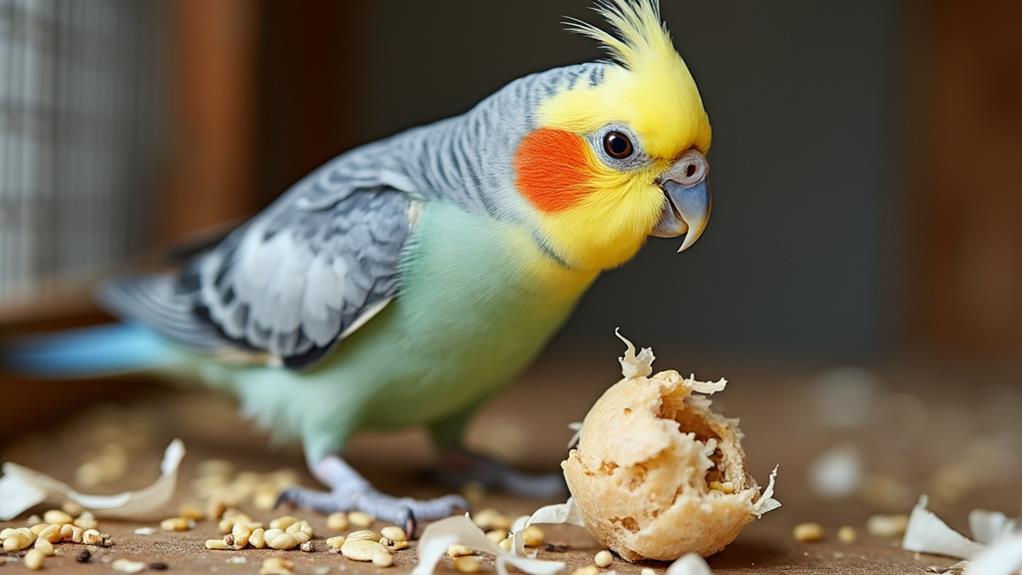
Owning cockatiels has its challenges, and it's vital to reflect on these before bringing one home. One of the cons is that cockatiels can experience night terrors, which may lead them to injure themselves if their sleeping environment isn't secure. It's significant to know that creating a safe space for them requires a lot of attention to detail.
Cockatiels also have limited talking abilities. If you're hoping for a pet bird that chats a lot, you might be disappointed. They're more known for their whistling and sound mimicry than engaging in extensive speech. Additionally, these birds are sensitive to changes in their surroundings. Such sensitivity can make them prone to stress and anxiety, which can negatively affect their well-being and behavior.
Regular social interaction is another requirement. Cockatiels need a lot of attention and without it, they might develop loneliness or behavioral issues like aggression or feather plucking. If you're not around often, this could be a significant drawback. Finally, cockatiels produce dander, which might trigger allergies in some individuals. It's vital to take into account anyone in your household who might be sensitive to this.
Health and Care Needs
Shifting from the drawbacks to their health and care needs, cockatiels demand specific attention to thrive. A balanced diet is essential for these birds, consisting of 60% pelleted food, along with seeds, grains, nuts, and fresh fruits and vegetables. This mix helps prevent nutritional deficiencies. Regular veterinary check-ups are crucial; they assist in the early detection of potential health issues like respiratory infections, obesity, and feather plucking.
Daily access to fresh, clean water is important. Change it regularly to maintain hygiene and prevent diseases. Creating a stimulating environment is similarly significant. Provide safe toys and perches to keep your cockatiel engaged, helping to ward off boredom and related behavioral issues, including feather plucking or aggression.
Moreover, cockatiels produce dander which might affect allergy sufferers. Consequently, maintaining cleanliness in their living space is essential not only for the bird's well-being but also for your comfort.
Here are some key points to reflect on:
- Balanced diet: 60% pellets, supplemented with other foods.
- Regular veterinary check-ups: Detect health issues early.
- Stimulating environment: Prevents boredom and behavior issues.
- Cleanliness: Reduces dander and maintains health.
Social Interaction Tips
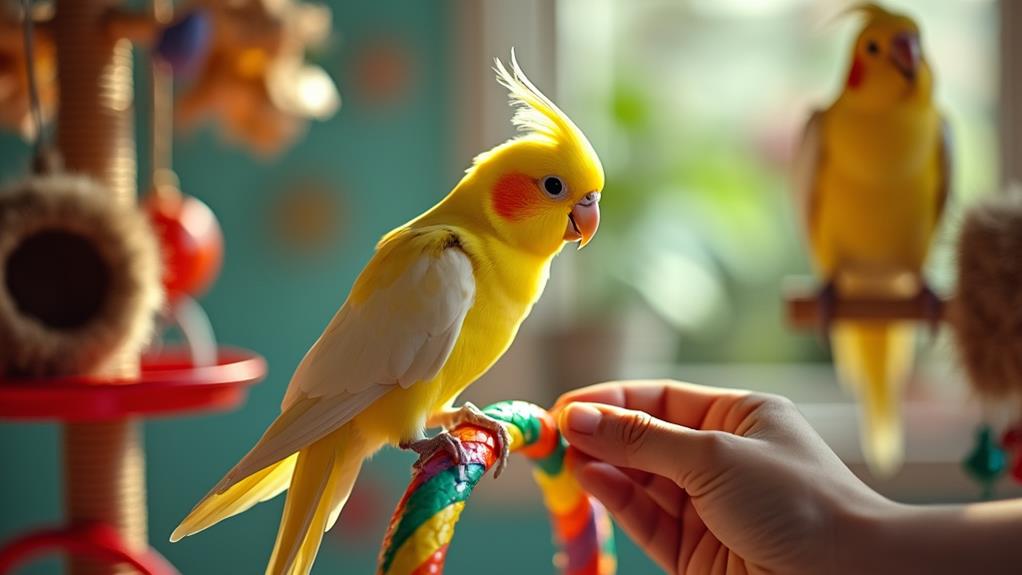
Cockatiels are social creatures that thrive on interaction, so it's vital to dedicate time each day to engage with them. As a pet bird owner, you should aim to spend at least an hour daily interacting with your cockatiel to maintain its emotional well-being. These birds flourish with companionship, and dedicating time to social interaction helps prevent loneliness and related behavioral issues.
Engage your cockatiel in simple activities like training tricks or interactive play to build a strong bond. This not only improves social development but also keeps your bird mentally stimulated. Allowing your cockatiel several hours of out-of-cage exploration each day promotes physical activity, reducing boredom and associated stress.
If your schedule limits your ability to provide constant interaction, consider introducing a second cockatiel. Owning a cockatiel pair can offer them companionship and opportunities for socialization when you're unavailable.
Additionally, understanding your cockatiel's body language is significant. Paying attention to their cues allows you to recognize their moods and needs, ensuring more meaningful interactions. By doing so, you help create a stress-free environment for your feathered friend, fostering its happiness and sociability.
Training and Behavior
As you nurture your cockatiel through social interaction, harnessing their intelligence with training can be incredibly rewarding. Cockatiels are smart, and with positive reinforcement, they'll quickly pick up on simple tricks and commands. Observing their body language is fundamental; it helps you understand their moods and needs, which leads to more effective interactions. This understanding reduces stress for both of you and guarantees a harmonious relationship.
Regular training sessions not only improve their behavior but also tap into their natural vocal talents. Through repetition, your cockatiel can learn to mimic sounds and tunes, adding a fun and musical element to your home. To prevent destructive tendencies, provide safe toys as outlets for their instinctual chewing behavior, supporting their mental health and keeping them entertained.
Socialization plays an important role in their general well-being. Exposing them to different people and environments makes them well-adjusted and minimizes potential behavioral issues. Remember, patience and consistency are key to successful training.
- Understand body language: Recognize moods to improve interaction.
- Positive reinforcement: Encourage learning with rewards.
- Safe chewing outlets: Prevent destructive behavior.
- Diverse socialization: Foster well-adjusted birds.
Adoption vs. Purchase
When deciding between adopting or purchasing a cockatiel, consider the impact on both your wallet and the bird's welfare. Adoption supports animal welfare by giving a home to a bird in need and helps reduce overpopulation. Rescues often provide cockatiels that are already socialized and affectionate, potentially saving you time on taming. The adoption fees are usually lower than the costs associated with purchasing from breeders, making it a more affordable option.
On the other hand, purchasing a cockatiel allows you to choose specific color mutations and guarantees you're getting a hand-raised bird. This might appeal to those who have particular preferences in appearance. However, this option often comes with higher initial costs, and you may need to invest time in socializing the bird, as they might not have had prior interaction with humans.
Adopted cockatiels may present health or behavioral challenges, but they can be incredibly rewarding, especially for experienced owners. If you're willing to invest time and patience, adoption can be a fulfilling experience. Ultimately, regardless of whether you choose adoption or purchase, it's crucial to assess your ability to meet the bird's needs and guarantee a lifelong commitment.
Care Essentials Checklist
Providing the best care for your cockatiel starts with guaranteeing they have the right environment and resources. Cockatiels can make delightful companions, but they require a lot of time and attention to thrive. A spacious cage, at least 24" x 24" x 36", is vital. This gives your bird plenty of room to move and play. Equip the cage with multiple perches and safe toys for mental stimulation.
Diet is another key aspect of care necessities. Your cockatiel's diet should be 60% pelleted food, supplemented with seeds, grains, nuts, and fresh fruits and vegetables. Avoid harmful foods like avocado and chocolate. Fresh, clean water should always be available, and changed regularly to maintain hygiene and health.
Regular veterinary check-ups are significant to monitor your bird's health and prevent issues like respiratory infections and obesity. A cockatiel needs at least an hour of daily interaction to stay emotionally healthy and prevent loneliness.
To sum it up, here's a checklist to guarantee your bird's needs are met:
- Spacious cage with perches and toys
- Balanced diet with safe food choices
- Daily fresh water and regular vet visits
- Dedicated time for interaction and play
Resources for Owners
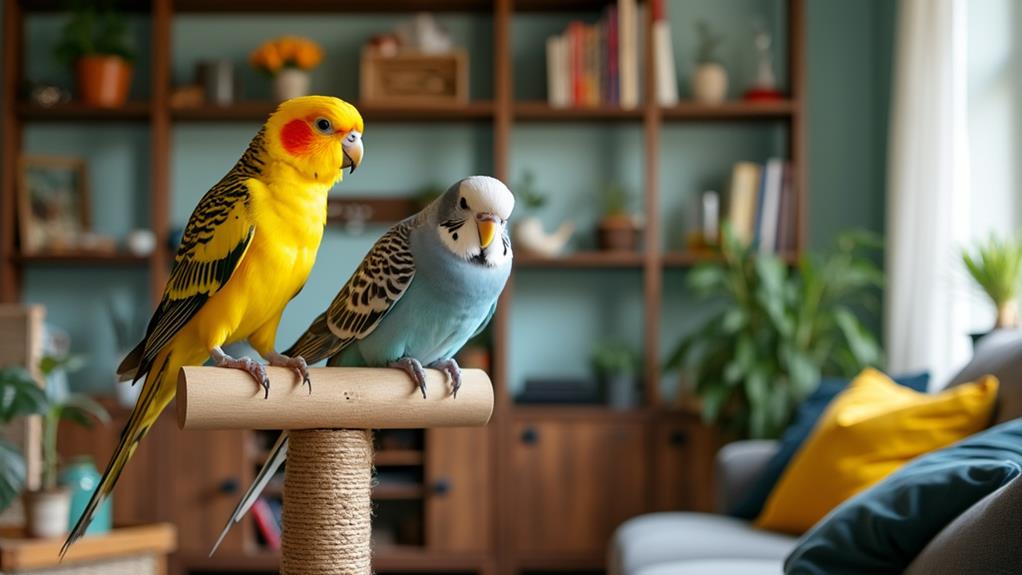
Owning a cockatiel can be a rewarding experience, but it's vital to have the right resources to guarantee their well-being. Start by considering local exotic animal rescues if you're thinking about adoption. They often have cockatiels that are already socialized, saving you from the initial taming process. Once you've welcomed your feathered friend home, staying informed and connected is key. Engaging with online forums and communities dedicated to cockatiel ownership provides invaluable advice, support, and shared experiences from other bird enthusiasts.
Ensuring your cockatiel's health should be a top priority. Veterinary clinics specializing in avian health are important resources for owners. Regular check-ups and proper medical care from these clinics will keep your bird healthy and happy. Furthermore, there's a wealth of literature out there, including books and articles, that focuses on cockatiel care, behavior, and training. These can deepen your understanding and help you provide the best environment for your pet.
To further improve your knowledge and skills, consider attending workshops and classes on bird training and enrichment. These educational opportunities can enhance your relationship with your cockatiel, ensuring a fulfilling and happy companionship.