Independent Cats: How to Get Them to Warm Up to You
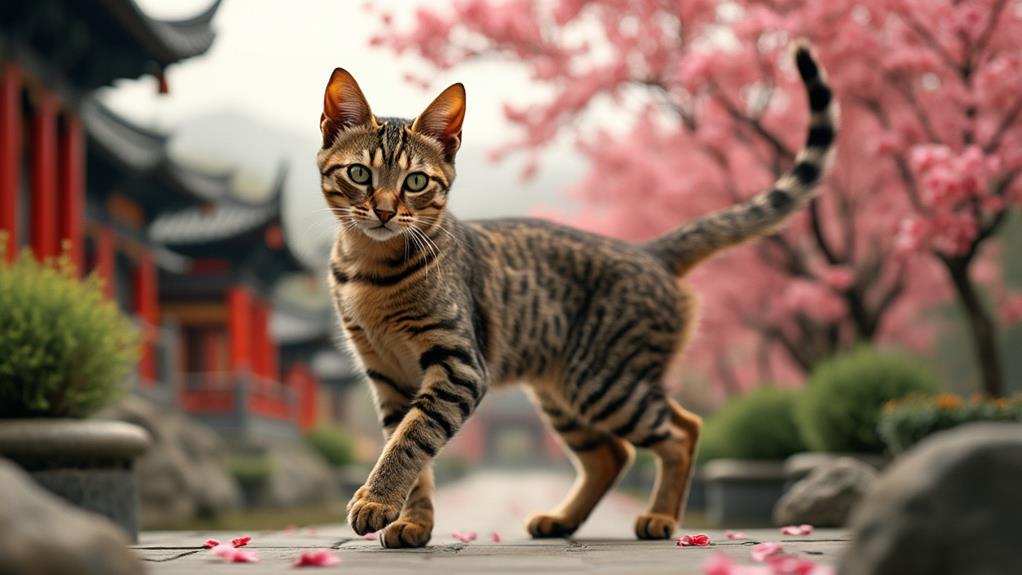
To get independent cats to warm up to you, start by respecting their need for solitude. Create a stress-free environment with a consistent routine and guarantee necessities like clean water and a litter box are in place. Engage them in interactive play that aligns with their instincts to build trust. Regular play helps prevent boredom and strengthens your bond. Pay attention to their signs of affection, such as slow blinking or kneading, to understand their comfort levels. By meeting their physical and emotional needs, you'll gradually nurture a closer relationship that invites deeper understanding.
Understanding Cat Independence
When you think about cats, their independent nature often stands out. Unlike dogs, cats have a unique way of expressing their emotional needs, partly due to their higher number of nerve connections in the brain. This neurological setup contributes to their preference for solitude and selective interaction. However, don't mistake their independence for a lack of need for social interaction. Cats still crave engagement, but they express it in their own distinct way.
Your cat might approach you for playtime only when it suits them, reflecting their selective nature. They often seek affection on their own terms, highlighting their unique way of building relationships. Understanding this is essential in nurturing a trusting bond. Keep in mind that their independence doesn't mean they don't need you; it just means they express those needs differently compared to humans.
Creating a Stress-Free Environment
To truly cater to your cat's independent nature, you'll want to create a stress-free environment that meets their unique needs. Start by maintaining a calm and routine atmosphere, as this reduces stress and anxiety. A clean litter box is essential; make sure each cat has its own, scoop it daily, and place it in a low-traffic area to offer privacy and comfort.
Hydration is key, so provide fresh, flowing water. A tall fountain can encourage your cat to drink more, promoting their general health. Remember to keep food and water separate from the litter box to maintain cleanliness and create a more inviting eating space. This organization helps your cat feel secure and content.
Incorporate play and enrichment into their environment to prevent boredom. Offer a variety of toys and activities that stimulate their mind and cater to their natural instincts. This not only supports their mental health but also fosters a relaxed atmosphere. By focusing on these elements, you'll create a space where your cat feels comfortable and secure, helping them warm up to you and express their independent nature in a healthy way.
Importance of Play and Interaction
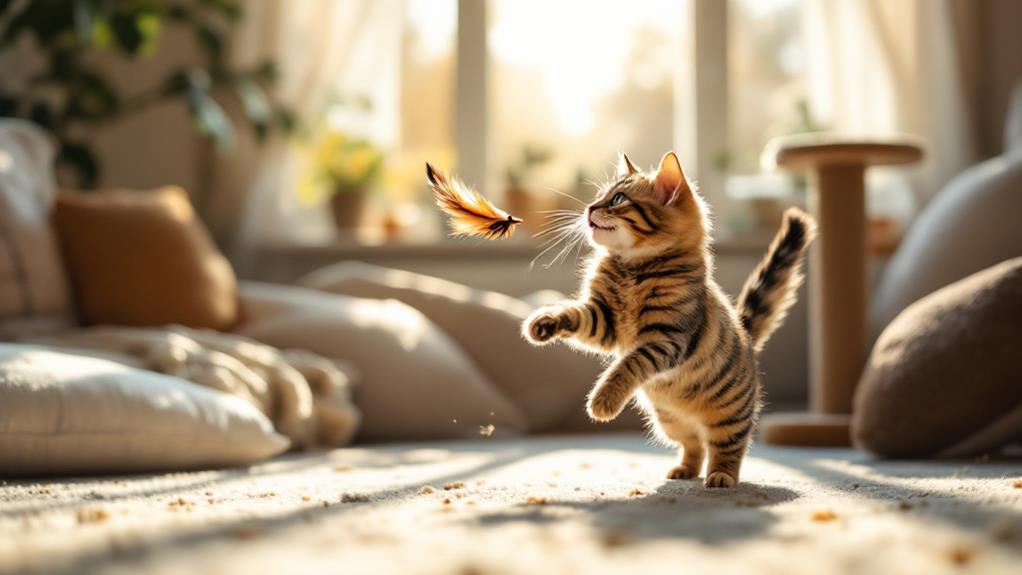
Why is play so important for your cat's well-being? Regular play is significant for maintaining your cat's mental health and physical fitness. It fulfills their natural hunting instincts, preventing behavioral issues and promoting a balanced lifestyle. Engaging in interactive play daily strengthens the bond between you and your cat, building a sense of security and trust. This interaction not only keeps your feline friend entertained but also reinforces your relationship.
Cats can become bored and even aggressive without enough stimulation. By incorporating varied activities, you can help prevent unwanted behaviors. Interactive toys, like food puzzles or movement/noise toys, are excellent at capturing your cat's attention. They not only stimulate their mind but also encourage independent play, making sure that your cat remains engaged even when you're not around.
Observing your cat's play preferences is important. Understanding what types of play they enjoy most allows you to tailor more effective play strategies. This guarantees that both interactive and independent playtime is enjoyable and fulfilling. By investing time in understanding and participating in your cat's play, you're not only enhancing their quality of life but also making strides towards getting them to warm up to you.
Providing Basic Needs
A wellspring of health for your cat begins with meeting their basic needs. As pet parents, you should make certain to provide access to clean, flowing water. Cats often prefer fresh, moving water, so consider using a tall water fountain to encourage your cat to drink more. Staying hydrated is vital for maintaining kidney function and general well-being.
Additionally, establish a regular feeding schedule. When your cat knows when to expect their meals, they feel more secure and less anxious. This routine is a simple yet effective way to build trust and comfort with your independent feline friend. Alongside scheduling, ascertain their diet is balanced and tailored to their life stage, weight, and health needs. A proper diet supports general well-being, reduces behavioral issues, and enhances mental health.
To further cater to their basic needs, enrich their environment with engaging toys and activities. Puzzle feeders, for instance, can keep your cat mentally stimulated and help prevent boredom. Remember, a mentally engaged cat is a happy cat. By focusing on these necessities, you're not just meeting their basic needs—you're laying the groundwork for a happy, trusting relationship.
Recognizing Signs of Affection
Many cat owners often wonder how to recognize their feline's affection. Understanding your cat's subtle cues can reveal their feelings of trust and contentment. When your cat looks at you and slowly blinks, they're expressing affection and comfort. This slow blinking is their way of saying they trust you. Similarly, purring is generally a sign of contentment, though you should pay attention to other cues to confirm it's not due to discomfort.
Tail positions can also tell you a lot. An upright tail with a slight curve at the tip indicates a happy and affectionate cat. In contrast, a puffed-up tail suggests agitation, so it's essential to be observant. You might notice your cat kneading with their paws, a behavior rooted in their kittenhood. When they knead while purring, it means they feel safe and loved.
Cats show their desire for companionship by following you around, rubbing against your legs, or choosing to sit close to you. These actions are their way of showing affection. By recognizing these signs, you'll better understand your cat's emotions and build a stronger bond with them.