Human Foods Dogs Can and Can’t Eat: What’s Safe and What to Avoid
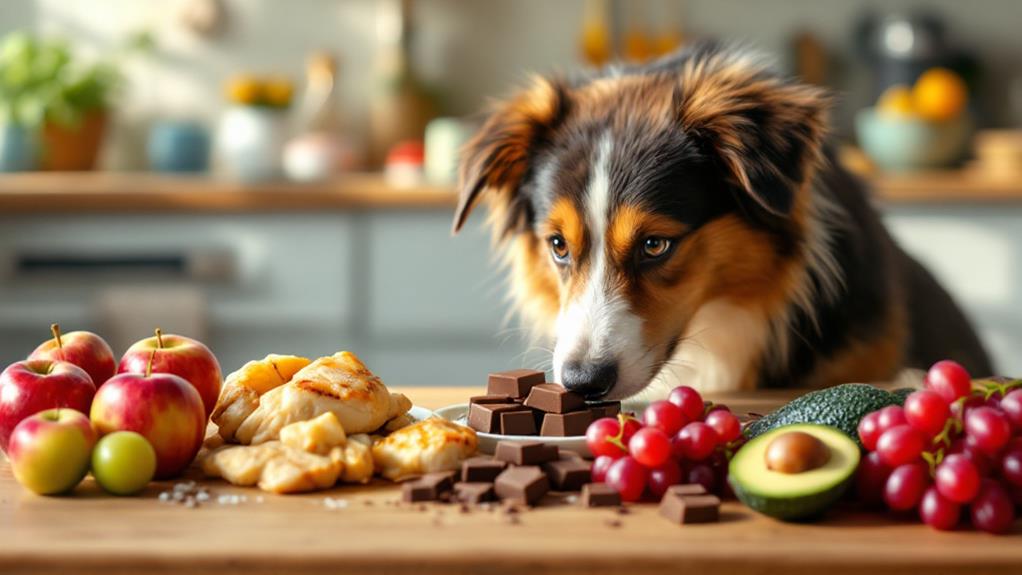
You want to make sure your dog enjoys safe human foods. Offer them cooked, bone-free chicken or turkey for protein, along with carrots or apples to enhance vitamins. Avoid dangerous foods like grapes, raisins, and chocolate, which pose serious health risks. Never give foods containing xylitol, onions, or garlic, as they can be toxic. Introduce new foods slowly to monitor for allergies and always consult your vet for advice. Even peanut butter should be xylitol-free and given in moderation. Grains like plain cooked rice also help digestion. Stick around to investigate more tips and guidelines for your dog's diet.
Safe Foods for Dogs
When feeding your furry friends, it's crucial to know which human foods are safe for them. You want to verify they're getting nutritious and healthy treats that support their well-being. Safe foods for dogs include lean meats like cooked chicken, turkey, and white fish, providing them with vital protein. Remember to remove all bones, fat, and skin before serving, as these can be hazardous.
Fresh vegetables are another great supplement to your dog's diet. Carrots, peas, and green beans are safe and nutritious, offering vitamins and minerals that benefit their health. These veggies are gentle on a dog's digestive system and make for a satisfying crunch.
Fruits such as apples (without seeds), blueberries, and watermelon (without seeds or rind) are perfect for healthy, low-calorie treats. They're packed with antioxidants that help keep your dog in top shape.
Plain boiled rice is a gentle option for dogs, especially when mixed with lean meats. It's soothing for their digestive system and can help alleviate stomach upsets.
Lastly, peanut butter is a tasty, protein-rich snack, but confirm it's free from Xylitol, which is toxic to dogs. Enjoy sharing these safe foods with your furry friend!
Limited Human Foods
Your dog's health is vital, and while some human foods are safe in limited quantities, it's important to exercise caution. Plain cooked meats like chicken and turkey are safe for dogs when they're free from bones, skin, and seasoning. These meats can provide your furry friend with high-quality protein. Fruits, such as apples (seedless), blueberries, and watermelon (without seeds or rind), offer vitamins and hydration, but should be given in moderation to prevent digestive upset.
When it comes to vegetables, carrots, green beans, and sweet potatoes make excellent nutritious snacks. Ascertain these are cooked and unseasoned to improve digestibility. Grains also play a role; plain, cooked rice and quinoa can aid in digestion if introduced gradually and without any additives.
Peanut butter, a favorite for many dogs, can be an enticing treat. However, it's vital to choose types without xylitol and to monitor your dog for any allergic reactions. Remember, even though these foods are generally safe for dogs, moderation is key. Always keep an eye on your dog's reaction to new foods, and consult your vet if you're unsure about any supplements to their diet.
Dangerous Foods for Dogs
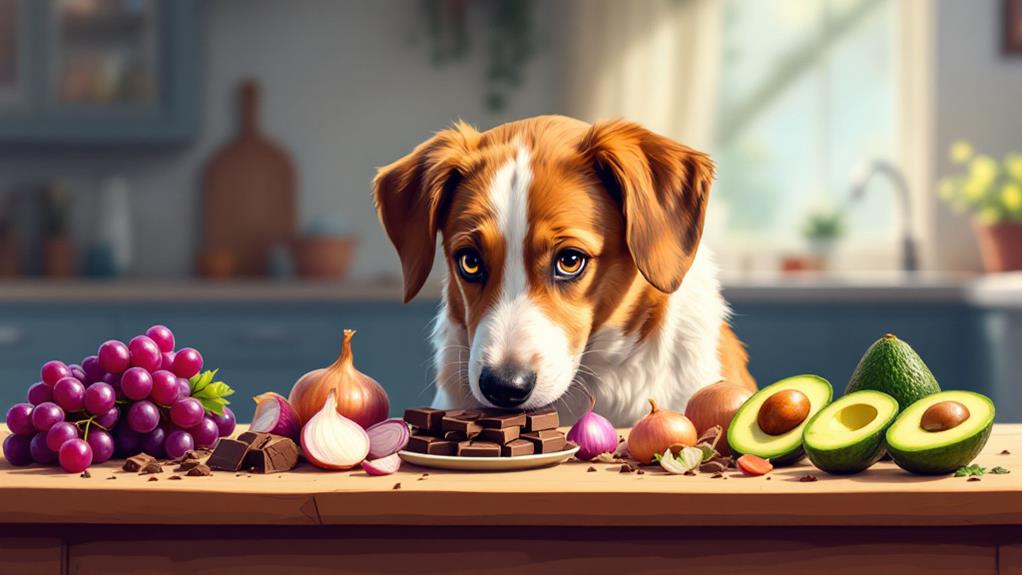
Dogs might seem enthusiastic to eat anything in sight, but many common human foods can be downright dangerous for them. Some foods that are perfectly safe for humans can be toxic for your furry friends. For instance, grapes and raisins are highly toxic to dogs and can cause acute kidney failure even in small amounts. It's vital to keep these fruits out of reach.
Chocolate is another major concern. It contains theobromine, which dogs can't metabolize efficiently, leading to symptoms like vomiting, diarrhea, and potentially fatal heart complications. Likewise, foods from the allium family, such as onions and garlic, can damage a dog's red blood cells, causing anemia and other serious health issues.
Xylitol, a common sugar substitute found in many sugar-free products, is extremely toxic to dogs. It can cause a dangerous drop in blood sugar levels and even lead to liver failure. Raw dough containing yeast is another hidden hazard. As it expands in a dog's stomach, it can cause severe pain and potentially life-threatening complications, including alcohol poisoning due to yeast fermentation. Always be vigilant about what your dog can access to guarantee their safety.
Health Risks and Considerations
Steering through the world of canine nutrition can be tricky, especially regarding understanding the health risks associated with certain human foods. Many foods you enjoy daily can be toxic to dogs. For instance, grapes and raisins, seemingly harmless to humans, can cause severe kidney failure in dogs. High-fat foods like fatty meats aren't just unhealthy for us; they can trigger pancreatitis in dogs, a painful condition requiring immediate veterinary care.
Foods containing xylitol, a common sweetener in sugar-free products, are particularly dangerous. Even small amounts can lead to a rapid drop in your dog's blood sugar and potential liver failure. On the other hand, foods with high salt content, such as chips, pose a risk of sodium ion poisoning. This can cause vomiting, tremors, and potentially life-threatening seizures.
It's crucial to consult a veterinarian before introducing any new foods to your dog's diet, especially if they're not familiar. While you might find foods that are safe for dogs, the wrong choice can lead to significant health problems. Always err on the side of caution and prioritize your dog's health and well-being.
Veterinary Advice and Best Practices
Regarding guaranteeing your dog's diet is safe and nutritious, seeking veterinary advice is invaluable. Before you introduce any new human foods into your dog's diet, consult with a veterinarian. They can assess your dog's health status and help create a balanced diet plan tailored to their specific needs. This proactive step prevents potential digestive problems and guarantees your dog receives proper nutrition.
Keep a close eye on your dog for any adverse reactions when they try new foods. Some dogs might develop sensitivities or allergies, so monitoring is key. It's essential to avoid toxic foods like chocolate, grapes, and onions, which can cause serious health issues. To prevent accidental ingestion, keep a list of these dangerous foods handy.
Introduce new treats or foods gradually and in small amounts. This approach allows you to observe how your dog's digestive system responds, avoiding sudden gastrointestinal upsets. Regular veterinary check-ups also play an important role in maintaining your dog's health. These visits offer opportunities for:
- Nutritional adjustments based on maturity and health changes
- Monitoring weight and general condition
- Evaluating food choices for safety and nutrition
- Receiving immediate advice on any dietary concerns