How to Get Your Finicky Dog to Eat: Tips for Picky Eaters
To get your finicky dog to eat, initially establish a consistent feeding routine by serving meals at the same time daily and removing uneaten food after 15-30 minutes. Choose a quiet, distraction-free area and a stainless steel bowl to promote a comfortable and hygienic mealtime. Improve food appeal by mixing in dog food toppers or broth and experimenting with different flavors and textures. Avoid giving human food to prevent dependency. Guarantee regular vet check-ups to identify any health issues. Encouraging exercise before meals can elevate appetite. There's much more to investigate to guarantee your dog eats happily and healthily.
Understanding Picky Eating
In the domain of understanding your dog's picky eating habits, recognizing the possible reasons behind their selective preferences is vital. Your furry friend might be a picky eater due to their preference for specific food textures or flavors. When you notice fussy eating behaviors, it's important to pay attention to these preferences. Dogs might develop selective eating habits from early experiences or because they've been spoiled with too many treats. This can lead them to refuse regular meals in favor of more appealing options.
Sometimes, picky eating isn't just about the food. It could be an attention-seeking behavior or a response to anxiety caused by environmental changes. If your dog is eating less, consider if they are experiencing stress or seeking more of your time and focus. It's significant to encourage your dog by experimenting with different food textures to find out what they enjoy most. This could involve trying different types of kibble, wet food, or even homemade meals.
Addressing picky eating habits requires patience and attentiveness. Understanding your dog's specific preferences will help you make mealtime a positive experience, encouraging them to eat regularly and ensuring their nutritional needs are met.
Establish a Feeding Routine
To help your dog develop healthier eating habits, start by establishing a consistent feeding routine. Set a feeding schedule by serving meals at the same time each day. Consistency is key, as it creates a predictable routine for your dog, helping to stimulate appetite and reduce pickiness. Make sure to serve food at designated mealtimes and remove any uneaten food within 15-30 minutes. This encourages prompt eating and teaches your dog to eat when the food is available.
Leaving food out all day can hinder healthy eating habits and can lead to unsanitary conditions. By offering meals at specific times, your dog will learn to anticipate and look forward to these mealtimes, which can help stimulate their appetite. Remember, routine is essential, so stick to your feeding schedule as closely as possible.
Here are some tips to help establish a successful feeding routine:
- Feed your dog at the same times each day to build consistency.
- Remove uneaten food after 15-30 minutes to encourage prompt eating.
- Avoid leaving raw or wet food out for more than two hours to prevent spoilage.
- Reinforce the routine by being patient and encouraging your dog during mealtimes.
Optimize Mealtime Environment
Creating the right mealtime environment can greatly impact your dog's eating habits. Start by designating a quiet and consistent feeding area for your dog. A calm space minimizes distractions and helps your dog feel secure during mealtime. Choose a spot away from noise and foot traffic, which can deter your dog from eating comfortably. If your dog feels more at ease in a confined space, consider feeding them in their crate. This familiar environment can provide the security they need to focus on their food.
Use stainless steel bowls instead of plastic ones. Stainless steel is less likely to harbor odors and bacteria, ensuring that your dog's food remains fresh and hygienic. Remember to clean the bowls after each use to maintain a healthy feeding area. Establishing a routine is also vital. Serve your dog's meals at the same time each day to create consistency. This predictability helps your dog anticipate mealtime and can encourage them to eat more promptly. Remove any uneaten food after 15-30 minutes. This not only prevents spoilage but also signals to your dog that they should eat when food is available, helping to establish a healthy eating habit.
Choose the Right Bowl
Selecting the right bowl for your dog can make a significant difference in their eating habits. A suitable food bowl not only supports a clean eating environment but also sparks your dog's interest in food. Opt for stainless steel bowls instead of plastic to prevent odors and bacteria, ensuring your dog's place to eat is hygienic. Regularly cleaning the bowl with soap and water after each meal can further eliminate any lingering smells that might contribute to picky eating.
Consider your dog's specific needs when choosing a bowl:
- Raised bowls: Ideal for senior or arthritic dogs, providing easier access to regular food without straining.
- Brachycephalic breed bowls: Designed for dogs with short noses, helping them eat more comfortably and efficiently.
- Consistent location: Maintain the bowl's position to create a familiar and comforting place to eat.
- Stainless steel: Prevents odor and bacteria, contributing to a clean eating environment.
Avoid Human Food
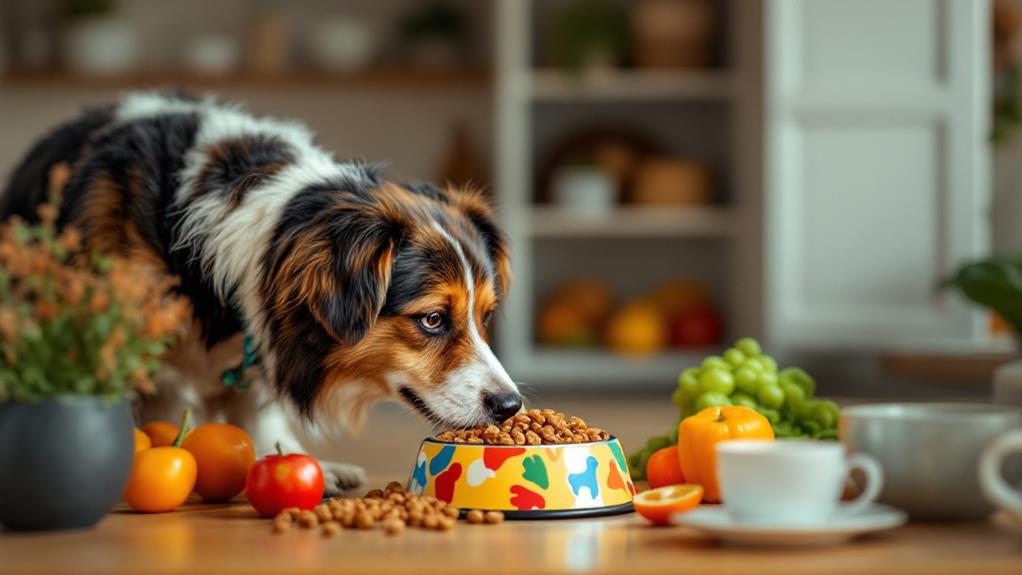
Feeding your dog human food might seem harmless or even generous, but it often leads to more harm than good. When you regularly give your dog human food, it can create a dependency, making them increasingly picky about their regular dog food. This pickiness can become a significant hurdle, as readjusting them back to eating only dog food becomes quite challenging. They might start refusing their meals altogether, holding out for the tastier options they've gotten used to.
It's crucial to avoid offering human food indiscriminately. While home-cooked meals for dogs might seem like a loving gesture, they can lead to nutrient deficiencies if not properly balanced. Unfortunately, no commercial supplements can fully address these issues. To encourage a healthy eating pattern in your dog, restrict access to human food and limit treats to training purposes only. This approach not only keeps their diet balanced but also helps discourage the habit of begging for food from your plate.
Try pretending to snack on dog food in front of your pet. This tactic can pique their curiosity and stimulate interest, making them more inclined to eat their regular meals without fuss.
Enhance Food Appeal
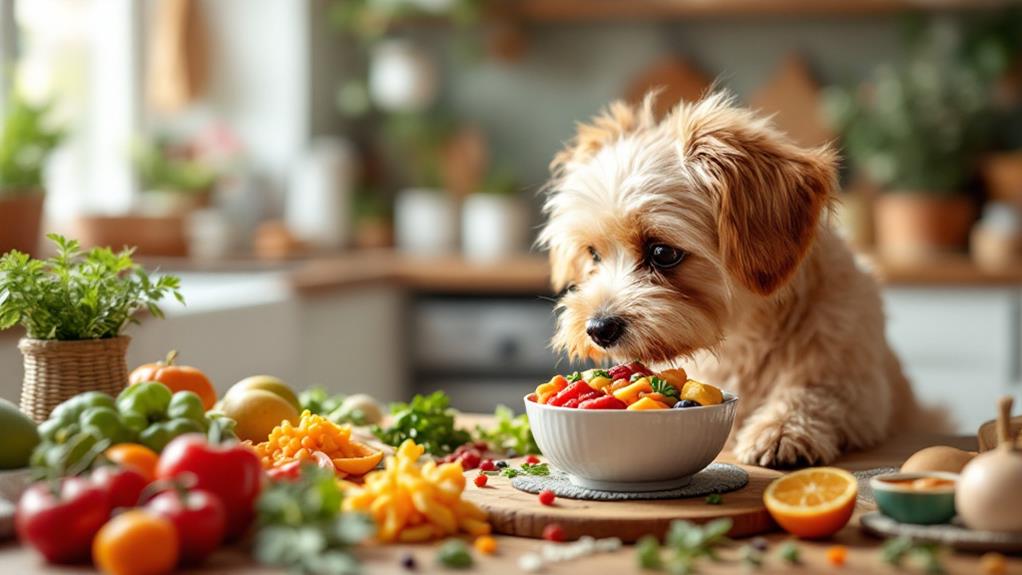
To make your dog's meals more appealing, try enhancing the flavor and texture of their regular food. Start by introducing dog food toppers made from whole, human-grade ingredients. These toppers can transform ordinary kibble into a gourmet delight, encouraging even the pickiest eaters to dig in. If your dog's appetite is sudden and they seem uninterested, consider mixing in small amounts of no-salt-added chicken or vegetable broth. This supplement can provide moisture and flavor, enhancing the palatability of dry kibble.
Incorporating different textures can also stimulate your dog's interest. For example, you might mix canned food with their dry kibble, giving them a combination of soft and crunchy textures. Moreover, safe human foods like plain pumpkin or dry-scrambled eggs can be mixed in small amounts to add variety and appeal.
Using some of these strategies can make your dog's meals more enticing:
- Heat the food slightly to intensify its aroma and stimulate your dog's appetite.
- Rotate different flavors of food toppers to keep meals exciting.
- Incorporate fresh ingredients occasionally to prevent boredom.
- Provide a mix of textures to cater to your dog's preferences.
Experiment With Flavors
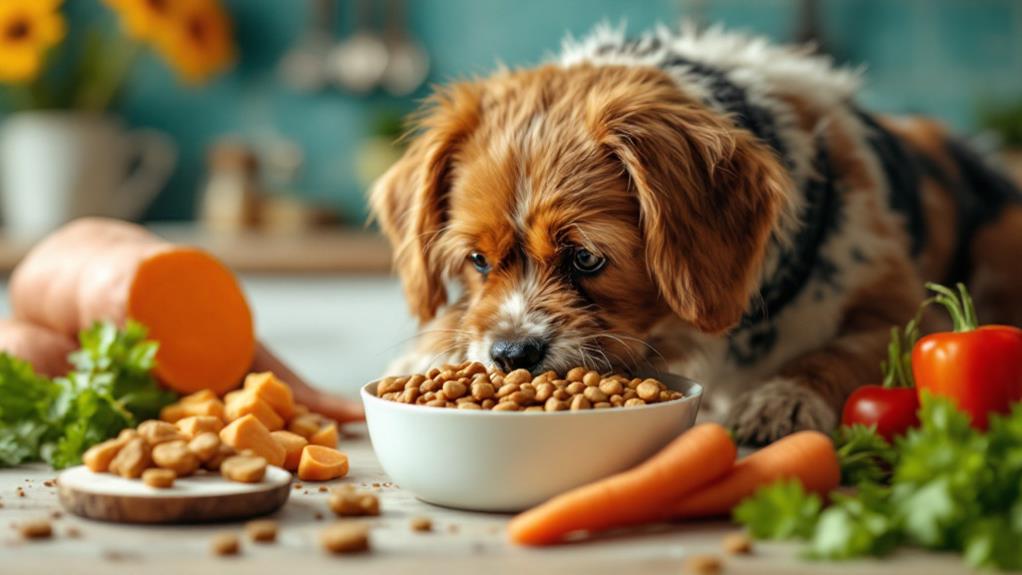
When aiming to pique your dog's interest in their meals, experimenting with flavors can be a game changer. For fussy eaters, trying different dog foods with varied protein sources like beef, chicken, fish, or lamb can make a substantial difference. Wet dog food often has a stronger aroma and taste, which can be more enticing for your pet. To further improve flavor, try adding warm water or a bit of no-salt-added broth to your dog's dish. This not only warms the meal, making it more aromatic, but also brings out the flavors, encouraging your dog to eat.
Food toppers are another excellent way to introduce new flavors. Consider adding a bit of pumpkin or a sprinkle of different safe spices to your dog's food. Observe how your dog reacts to these changes in a safe place where they feel comfortable. It's vital to gradually increase new flavors to avoid upsetting their stomach while maintaining mealtime excitement. By carefully adjusting their diet according to their preferences, you guarantee your dog enjoys their meals and develops better eating habits. Remember, patience and observation are key to helping your fussy eater find joy in their food again.
Monitor Health and Sensitivity
Understanding your dog's health and sensitivities is fundamental for addressing picky eating habits. Regular vet check-ups play a significant role in identifying any underlying health issues that might be causing your dog's finicky behavior, especially as they grow older. Monitoring their eating habits, such as the frequency and quantity of food intake, helps you catch early signs of health problems or food sensitivities that may require dietary adjustments.
If your dog consistently refuses food or exhibits distress symptoms like vomiting or diarrhea, consulting a veterinarian is crucial. These could be indicators of food allergies or other medical conditions that need attention. Keeping track of changes in appetite and behavior is also significant, as they might signal potential health concerns.
Consider the following tips to better manage your dog's health and sensitivities:
- Schedule regular vet check-ups to catch health issues early.
- Monitor eating habits to detect signs of food sensitivities.
- Look for behavioral changes that might indicate health problems.
- Identify specific food sensitivities to avoid ingredients causing picky eating.
Encourage Physical Activity
While physical activity might seem unrelated to eating habits at initial observation, it plays an important role in improving your dog's appetite and general well-being. Engaging your dog in at least one hour of daily exercise can greatly increase their desire for food. Activities like walking, fetch, or swimming not only keep your dog physically fit but also stimulate their hunting instincts, making mealtime more appealing. Plus, exercise aids digestion and reduces anxiety, both vital for improving appetite.
Incorporate mental stimulation through obedience training or interactive play to further improve your dog's interest in food. A tired dog, both mentally and physically, is more likely to eat their meals. Regular exercise also helps your dog maintain a healthy weight, preventing appetite loss related to obesity or physical inactivity. By encouraging physical activity, you're setting a foundation for a balanced routine that reinforces natural hunger cues.
Integrating physical activity with mealtime can guarantee your dog eats promptly. Plan exercise sessions before feeding times to naturally encourage hunger. Remember, consistency is key in making these changes effective in your dog's eating habits. With time, you'll see positive changes in their appetite and overall health.